Skip to content
Every day, more people are buying air purifiers to breathe cleaner air at home. But a common question comes up: Can I leave my air purifier on 24/7? If you want to get rid of dust, pollen, smoke, or pet dander, you might think running your purifier all day and night is best. But is it safe, smart, and cost-effective? Let’s look at what really happens when you leave an air purifier on nonstop, and whether it’s the right choice for your home.
How Air Purifiers Work
Air purifiers pull air through filters to remove particles, like dust, pollen, smoke, and even bacteria. Most home units use HEPA filters, which trap over 99.97% of particles above 0.3 microns. Some models also use activated carbon to absorb odors and chemicals. Others include UV-C light to kill germs.
The idea is simple: the more often the air passes through the filter, the cleaner your room. That’s why many people think running their purifier all the time is a good plan. But before you leave your device on forever, you should know how continuous use affects safety, energy, filter life, and your air quality.
Is It Safe To Run An Air Purifier 24/7?
Most modern air purifiers are built to run safely for long periods. They have overheat protection and are made with materials that resist fire. Still, safety depends on a few key points:
- Quality of the device: Cheap or old purifiers may lack safety features. Always use a trusted brand.
- Proper placement: Keep your purifier away from water, curtains, and anything that might block air flow.
- Maintenance: Clean and replace filters as needed. Dirty filters can cause the unit to overheat or break down.
Manufacturers usually recommend leaving their devices on as much as needed, even all day. However, you should check your unit’s manual for any warnings or special instructions. For most people, leaving an air purifier on 24/7 is safe if you follow these basic rules.
Energy Usage And Cost
Running an air purifier nonstop increases your electricity use. But how much does it really cost? Let’s look at some numbers.
A typical home air purifier uses 20–60 watts per hour. For comparison, a basic light bulb uses about 60 watts. If you run a 40-watt purifier nonstop, here’s the math:
- 40 watts x 24 hours = 960 watt-hours per day (0.96 kWh)
- Average US electricity cost is about $0.16 per kWh
- 0.96 kWh x $0.16 = $0.15 per day
- $0.15 x 30 days = $4.50 per month
For most people, this is a small cost. Larger purifiers use more power, but even the biggest units rarely cost more than $10–$15 per month. If you use several purifiers in your home, costs add up. To save energy:
- Choose Energy Star certified models
- Use lower fan speeds when possible
- Turn off the unit when you leave for long periods
Here’s a quick comparison of air purifier energy usage:
| Model | Watts | Cost/Month | Room Size |
|---|---|---|---|
| Small HEPA (Bedroom) | 20 | $2.40 | Up to 150 sq ft |
| Medium HEPA (Living Room) | 40 | $4.80 | Up to 300 sq ft |
| Large HEPA (Open Area) | 80 | $9.60 | Up to 600 sq ft |
Filter Lifespan And Maintenance
Running your air purifier 24/7 will wear out filters faster. HEPA filters usually last 6–12 months if used part-time. With nonstop use, you may need to change filters every 3–6 months. Carbon filters for odors can last even less.
Some beginners forget about filter changes, but this is a big mistake. Dirty filters lower air quality and can stress the motor. Always check your filter indicator, if your unit has one. If not, mark your calendar for regular checks.
Here’s a simple breakdown of filter lifespan:
| Filter Type | Average Lifespan (Part-Time) | Average Lifespan (24/7) |
|---|---|---|
| HEPA | 12 months | 6 months |
| Carbon | 6 months | 3 months |
| Pre-filter | 3 months | 1 month |
Changing filters on time is more important than most people realize. Old filters can release trapped dust back into the air.
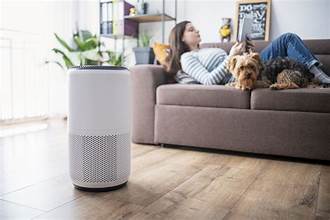
Credit: www.climatemastersfl.com
Benefits Of Running An Air Purifier All Day
Leaving your air purifier on all the time keeps your air consistently clean. This is especially important if:
- You suffer from allergies or asthma
- You have pets that shed fur or dander
- You live near busy roads or factories
- Someone in your home smokes
Continuous use stops particles from building up. Air purifiers work best when they keep up with new dust, pollen, and odors as they enter your home.
Some people notice fewer allergy symptoms or less dust on furniture after a week of nonstop use. If you live in a city with poor air quality, a purifier can protect your health day and night.
Downsides Of Continuous Operation
Even though running your air purifier 24/7 has clear benefits, there are some downsides:
- Higher filter costs: You’ll replace filters more often, which adds up.
- More electricity use: It’s small, but adds to your monthly bills.
- Noise: Some purifiers make a steady humming sound. This can bother light sleepers.
- Wear and tear: Motors and fans may wear out faster, especially in cheaper models.
One non-obvious point: Not all rooms need constant purification. Bedrooms and living rooms benefit most. Kitchens and bathrooms may not need it unless you cook or smoke indoors.
_(36).png)
Credit: www.intellipure.com
Smart Ways To Use Your Air Purifier
You don’t have to choose between always-on and part-time use. Here are some smart strategies:
- Run on low speed at night: Lower fan speeds save energy and are quieter.
- Use a timer: Many purifiers have built-in timers. Set them to run during peak pollen or dust hours.
- Place in high-traffic rooms: Focus on places where you spend the most time.
- Close windows and doors: This keeps outside air from undoing your purifier’s work.
Some advanced units have air quality sensors. These turn on the purifier automatically when pollution rises. This is a great way to balance clean air and lower costs.
What Happens If You Turn It Off?
Turning your air purifier off for a few hours won’t ruin your air quality, but particles start to build up again. Dust, pollen, and odors return quickly, especially if you have pets or live in a busy area.
If you want to save energy, you can turn off the purifier when you leave home or during cool, clean days. But if you have allergies, asthma, or sensitive lungs, it’s safer to keep your unit on most of the time.
Air Quality Data And Real-world Results
Studies show that running an air purifier constantly drops indoor particle levels by 60–90% compared to homes without purifiers. For example, the Environmental Protection Agency (EPA) found that HEPA air purifiers can cut PM2.5 (tiny dust particles) by over 80%.
One non-obvious insight: You may not see visible dust, but the smallest particles are the most harmful. These can stay airborne for hours and reach deep into your lungs.
Here’s how air quality improves with continuous use:
| Air Quality Level | No Purifier | Purifier 12 hr/day | Purifier 24/7 |
|---|---|---|---|
| PM2.5 (µg/m³) | 35 | 18 | 7 |
| Allergy Symptoms | High | Medium | Low |
| Visible Dust | Heavy | Some | Minimal |
Should You Leave Your Air Purifier On All The Time?
The answer depends on your needs. If you have allergies, asthma, or want the cleanest air, running your purifier nonstop is best. For most people, it’s safe, and the cost is low. If you’re worried about filter costs or noise, try running it part-time or on low settings.
Don’t forget to check your filters regularly. A clean filter is more important than running your purifier forever. And always follow the manufacturer’s guidelines.
If you want more details about air purifier safety and effectiveness, see the EPA’s official guide: EPA Air Cleaners Guide.
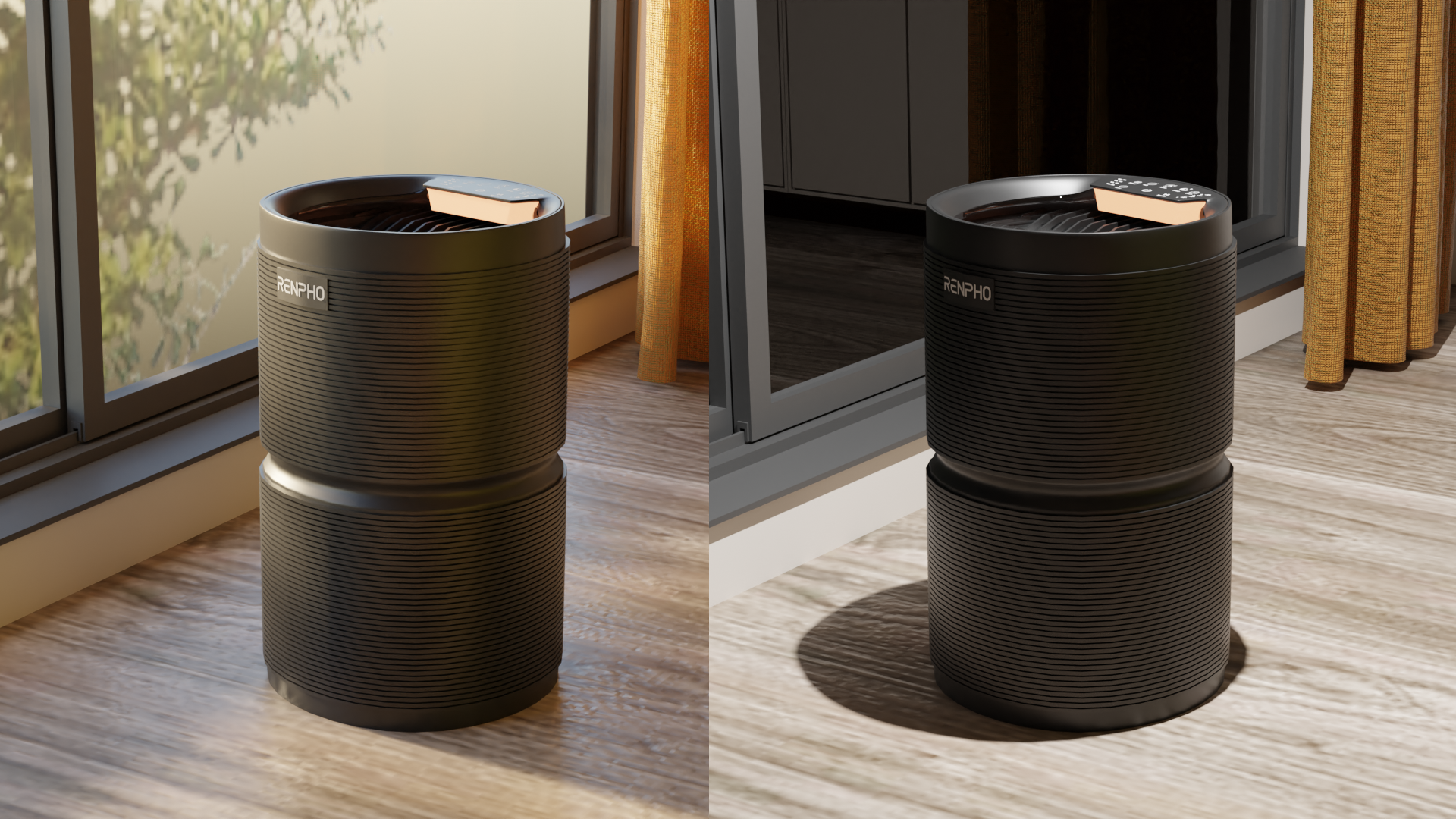
Credit: renpho.com
Frequently Asked Questions
Can Leaving An Air Purifier On All Day Damage The Device?
Most modern air purifiers are made for continuous use. As long as you replace filters and clean the unit, running it 24/7 will not damage it. However, cheaper models may wear out faster.
How Often Should I Change Filters If I Run My Purifier Nonstop?
You should check filters every 3–6 months if you use your purifier 24/7. Some units have filter change indicators. If not, mark your calendar and check manually.
Is It Safe To Leave An Air Purifier On When I’m Not Home?
Yes, it’s safe if you follow basic safety rules. Keep your purifier away from water, flammable materials, and always use the correct power outlet. Avoid using units with damaged cords.
Will Running An Air Purifier All Night Help With Allergies?
Running your purifier at night can reduce allergy symptoms by keeping the air clean while you sleep. Use lower fan speeds for quieter operation.
Can I Leave My Air Purifier On In Any Room?
You can, but focus on bedrooms and living rooms where you spend most time. Kitchens may need purifiers if you cook often or smoke indoors.
Leaving your air purifier on 24/7 is safe and effective for most homes. It improves air quality, lowers allergy symptoms, and is cost-friendly. Just remember to check your filters, use smart settings, and choose the right model for your room size.
Your lungs—and your family—will thank you.