Skip to content
Steam cleaners are popular for their ability to sanitize and freshen homes without chemicals. They use hot steam to remove dirt, bacteria, and grime from floors, carpets, and various surfaces. But what if your steam cleaner starts to smell bad?
This can be surprising and unpleasant, especially if you expect fresh, clean air after using it. Understanding why your steam cleaner smells—and how to fix it—is important for keeping your device working well and your home smelling fresh.
What Causes Steam Cleaner Odor?
Steam cleaner odors are not random. The smell usually comes from a combination of leftover dirt, bacteria, mold, and sometimes chemicals. Let’s break down the main reasons:
- Dirty Water Tank: If you leave water in the tank after use, bacteria and mold can grow. This is the most common cause of bad smells.
- Mineral Build-Up: Hard water contains minerals like calcium and magnesium. Over time, these minerals can build up inside the machine, leading to odors.
- Dirty Pads or Brushes: Steam cleaners use pads or brushes to scrub surfaces. If you don’t clean or replace them, they start to smell.
- Chemical Residue: Some people add cleaning solutions to their steam cleaner. If the wrong type is used, or if it’s not rinsed out, it can create a strong, unpleasant odor.
- Stagnant Water: Water left in hoses, attachments, or tanks becomes stagnant, creating a musty smell.
- Pet Hair and Debris: If you clean areas with pet hair or food bits, these can get trapped and rot inside the machine.
Example: Mold Growth
Let’s say you finish steam cleaning your kitchen, but forget to empty the water tank. After a few days, mold starts to grow inside. When you use the steam cleaner again, the hot steam pushes the mold smell into your home.
This is a common beginner mistake—always empty and dry the tank after each use.
How To Identify The Source Of The Smell
Finding the source of the smell can be tricky, but it’s important. Here’s how to check:
- Sniff Test: Open the water tank, smell the pads, and check hoses. The strongest smell usually shows where the problem is.
- Check for Visible Dirt: Look for mold, stains, or mineral build-up inside tanks and on pads.
- Test Each Part: Remove and clean pads, then run the steam cleaner with just water. If the smell is gone, it was the pads. If not, the tank or hoses may be the issue.
Common Mistake
Many people clean only the outside of their steam cleaner. But the internal parts—especially the tank and pads—collect the most bacteria and dirt.
Credit: www.lg.com
How To Remove Steam Cleaner Odor
Once you find the source, you can remove the smell. Here are practical steps:
- Empty and Rinse the Water Tank: Always do this after every use. If there’s a smell, fill the tank with a mix of water and white vinegar. Run the steam cleaner for a few minutes, then rinse well.
- Clean Pads and Brushes: Wash reusable pads in hot water with detergent. If they still smell, replace them.
- Descale the Machine: For hard water build-up, use a descaling solution or vinegar. Follow the manufacturer’s instructions.
- Clean Hoses and Attachments: Detach and soak in warm, soapy water. Rinse and dry completely.
- Let Everything Dry: After cleaning, leave parts out to air dry before reassembling. Moisture encourages mold growth.
Comparison Table: Cleaning Methods
Here’s a quick look at common cleaning methods for steam cleaners:
| Cleaning Method | Effectiveness | Recommended Frequency |
|---|---|---|
| Vinegar Rinse | High | Monthly |
| Pad Washing | Medium | After Every Use |
| Descaling Solution | High | Quarterly |
| Soap and Water | Medium | Weekly |
Preventing Steam Cleaner Odor
Prevention is the best way to avoid smelly steam cleaners. Here are some easy habits:
- Always Empty the Tank: Never leave water inside, even for a few hours.
- Use Distilled Water: Tap water can leave mineral deposits. Distilled water reduces this risk.
- Clean Pads Regularly: Dirty pads are a main source of odor.
- Dry All Parts: Moisture leads to mold and bacteria.
- Avoid Harsh Chemicals: Only use approved cleaning solutions.
- Store in a Dry Place: Humid environments encourage mold.
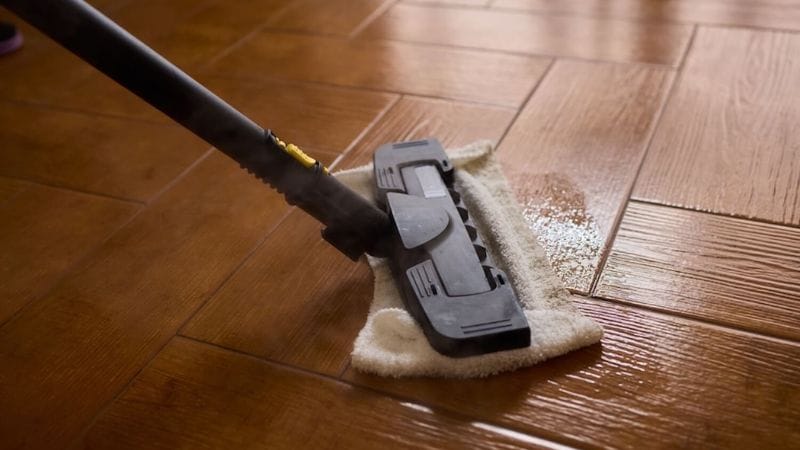
Data Table: Tap Vs Distilled Water
Choosing the right water makes a big difference. Here’s a quick comparison:
| Water Type | Mineral Content | Odor Risk | Cost |
|---|---|---|---|
| Tap Water | High | High | Low |
| Distilled Water | Low | Low | Medium |
Credit: www.maid2match.com.au
When To Replace Steam Cleaner Parts
Sometimes, cleaning isn’t enough. If a part smells even after washing, it may be time to replace it.
- Pads: Replace every 3–6 months, or sooner if they smell or look worn.
- Water Tank: Rarely needs replacement, but if mold cannot be removed, consider a new tank.
- Hoses: If they smell and cleaning does not help, buy a replacement.
- Brushes: Change if bristles are worn or smell persists.
Example: Pad Replacement
A steam cleaner pad can trap dirt and bacteria even after washing. If your pad still smells after cleaning, it’s likely holding bacteria deep inside the fibers. Replacing pads is a simple fix that many owners overlook.
The Role Of Cleaning Solutions
Most steam cleaners work with water only. Some allow for cleaning solutions. Using the wrong solution or too much can create a strong smell. Always check the manufacturer’s guidelines.
- Only use recommended products.
- Avoid bleach or strong chemicals—they can damage the machine and produce bad odors.
- Rinse the tank after using any solution.
Table: Recommended Vs. Not Recommended Solutions
| Solution Type | Odor Risk | Machine Safety |
|---|---|---|
| Manufacturer-Approved Solution | Low | Safe |
| Bleach | High | Unsafe |
| Vinegar | Low | Safe (most models) |
| Perfumed Cleaner | Medium | Check guidelines |
How Often Should You Clean Your Steam Cleaner?
Cleaning frequency depends on usage. Here are some guidelines:
- Heavy Use: Clean after every use. This means emptying the tank, washing pads, and drying parts.
- Moderate Use: Clean pads and tank weekly.
- Light Use: Clean monthly, but always empty and dry after each use.
Non-obvious Insight
Even if your steam cleaner looks clean, bacteria can hide in damp places. Odor is a sign that germs are growing—don’t ignore it.
Health Risks Of A Smelly Steam Cleaner
A smelly steam cleaner is more than just unpleasant. It can spread bacteria, mold spores, and allergens into the air. This is a risk for people with allergies, asthma, or weak immune systems.
Example: Mold Exposure
If mold grows inside the tank, each use sends spores into your home. This can cause sneezing, coughing, and even skin irritation. Keeping your steam cleaner odor-free protects your health.
When Professional Help Is Needed
Most odors can be fixed with cleaning and replacing parts. But if the smell does not go away, or if you see black mold inside, professional cleaning might be needed. Some companies specialize in appliance cleaning and can remove deep-set mold or bacteria.
Expert Tips For Keeping Steam Cleaners Fresh
- Use distilled water to reduce mineral build-up.
- Dry all parts after cleaning—never store damp.
- Clean pads immediately after use.
- Follow manufacturer instructions for cleaning solutions.
- Replace parts at the first sign of persistent odor.
Non-obvious Insight
Humidity in the room where you store your steam cleaner matters. High humidity can cause mold to grow even if your machine is clean. If possible, store your steam cleaner in a dry area.
Frequently Asked Questions
Why Does My Steam Cleaner Smell Like Rotten Eggs?
This is often caused by bacterial growth in the water tank. When water sits for too long, bacteria multiply and produce sulfur-like odors. Empty and clean the tank after each use to prevent this.
Can I Use Bleach To Clean My Steam Cleaner?
Bleach is not recommended for most steam cleaners. It can damage parts and create strong, unpleasant odors. Use white vinegar or manufacturer-approved solutions instead.
How Often Should I Replace The Steam Cleaner Pads?
Pads should be replaced every 3–6 months or when they start to smell, look worn, or don’t clean well. Cleaning them regularly extends their life, but odors mean it’s time for new pads.
Will Using Distilled Water Stop The Smell?
Distilled water helps prevent mineral build-up and reduces odor risk. However, you still need to clean and dry all parts to stop bacteria and mold.
Is It Safe To Use A Steam Cleaner If It Smells?
No. A smelly steam cleaner can spread mold spores or bacteria into your home. Clean and dry all parts before using again. If the smell does not go away, consider professional cleaning or replacing parts.
Steam cleaners are valuable tools, but they need regular care to stay fresh. Don’t ignore odors—they are signs of hidden problems. With simple habits like cleaning pads, emptying tanks, and using distilled water, you can enjoy a clean, healthy home and get the best results from your steam cleaner. For more tips on appliance care, check out this Consumer Reports guide.