Skip to content
Many people wonder if it’s safe or smart to put their kitchen knives in the dishwasher. With busy lifestyles, using the dishwasher seems like an easy way to clean everything quickly. But when it comes to kitchen knives, the answer is more complex than you might expect. This article explores the risks, benefits, and key facts about dishwasher cleaning for kitchen knives. You’ll discover why some experts strongly advise against it, what might happen if you ignore their advice, and how to keep your knives in top condition for years.
Why People Use Dishwashers For Kitchen Knives
Dishwashers are popular because they save time and effort. After preparing a meal, it can be tempting to toss all utensils—including knives—into the dishwasher. Many people believe dishwashers offer a thorough cleaning, using hot water and strong detergents. For families or busy cooks, this convenience is hard to resist.
But not all kitchen tools are meant for dishwasher cleaning. Knives often have unique materials and design features that make them vulnerable to dishwashing hazards. Let’s dig deeper to understand why.
What Happens To Knives In The Dishwasher
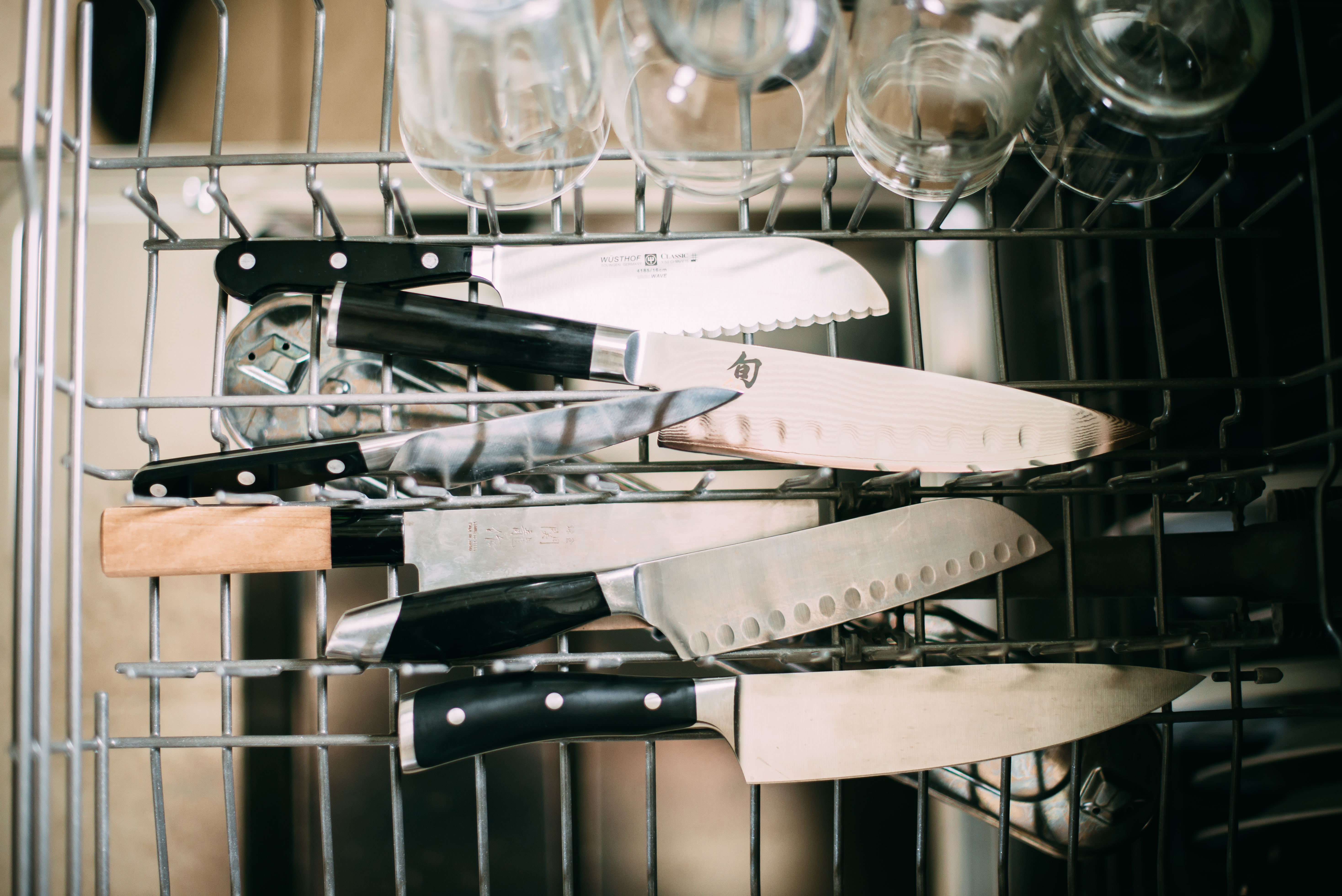
Putting knives in the dishwasher exposes them to several risks. Here are the main problems:
- Blade Damage: The forceful water jets can knock knives against other utensils or racks. This can dull or chip the sharp edge.
- Corrosion: Many knives are made from stainless steel, but even stainless steel can corrode or rust if exposed to harsh detergents and high heat.
- Handle Issues: Knife handles, especially wood or plastic, can crack, warp, or loosen due to heat and moisture.
- Safety Hazards: Sharp knives mixed in with other items can pose a danger when unloading. Someone might cut themselves reaching into the dishwasher.
Most knife manufacturers warn against dishwashing for these reasons. Even knives labeled “dishwasher safe” often suffer from decreased lifespan and performance.
Credit: www.thekitchn.com
Comparing Hand Washing And Dishwasher Cleaning
To help you see the difference, here’s a table comparing hand washing versus dishwasher cleaning for kitchen knives:
| Feature | Hand Washing | Dishwasher Cleaning |
|---|---|---|
| Blade Life | Long (minimal wear) | Shorter (dulls edge) |
| Handle Condition | Stays intact | Can crack or loosen |
| Rust Risk | Low | High |
| Safety | Controlled | Risk of injury |
| Effort | More manual | Automated |
The table shows that hand washing helps preserve your knives’ quality, while dishwashers may reduce their lifespan and safety.
Types Of Kitchen Knives And Dishwasher Risks
Different knives face unique risks in the dishwasher. Below are some common types:
- Chef’s Knife: The most used knife in the kitchen. Its sharp edge dulls quickly in the dishwasher, and the handle can degrade.
- Paring Knife: Small and lightweight, easily gets tossed around, risking chips or bending.
- Serrated Knife: The special edge can lose its effectiveness if damaged by hard impacts or detergents.
- Cleaver: Heavy, and its blade can damage other utensils or itself in the dishwasher.
- Bread Knife: The long blade can get stuck or bent in racks.
Here’s a quick comparison of dishwasher risks by knife type:
| Knife Type | Main Dishwasher Risk | Recommended Cleaning |
|---|---|---|
| Chef’s Knife | Dulling, handle weakening | Hand wash |
| Paring Knife | Chipping, bending | Hand wash |
| Serrated Knife | Edge damage | Hand wash |
| Cleaver | Blade and rack damage | Hand wash |
| Bread Knife | Bending, rust | Hand wash |
Materials Matter: Steel, Ceramic, And Handle Types
The material of your knife affects how it reacts to dishwashing:
- Stainless Steel: Most kitchen knives are made from stainless steel. While resistant to rust, repeated dishwasher exposure can cause pitting and dullness.
- High-Carbon Steel: These knives are sharper but rust faster. Dishwashers speed up corrosion.
- Ceramic: Ceramic blades are brittle. They can break or chip easily if knocked in a dishwasher.
- Wood Handles: Wood absorbs water, swells, and cracks from heat and moisture.
- Plastic Handles: Some plastics warp or melt at dishwasher temperatures.
Expert advice is clear: hand washing is best for all these materials.
What Manufacturers Say
Knife brands often include cleaning instructions. For example, Wüsthof, a well-known German knife maker, states that dishwashing can damage blades and handles. Victorinox also recommends hand washing. Even brands labeling their knives “dishwasher safe” add warnings about reduced performance.
According to a survey by Cook’s Illustrated, 90% of knife manufacturers advise hand washing. Many warranty policies exclude damage from dishwashers.
Real-life Examples: What Happens Over Time
Many home cooks report their knives dull faster after repeated dishwasher cycles. Handles may loosen or break, making knives unsafe to use. Some people notice rust spots, especially on high-carbon steel knives.
A study by the National Sanitation Foundation (NSF) found that knives cleaned in dishwashers lost sharpness up to 30% faster than those cleaned by hand. This means more frequent sharpening or replacement—costing you money and time.
Dishwasher Safe Knives: Are They Truly Safe?
Some knives are marketed as dishwasher safe. These usually have stainless blades and plastic handles. But even these knives can suffer:
- Dulling: All blades will dull in a dishwasher.
- Handle aging: Plastic can still degrade over time.
- Rust spots: Cheap stainless steel can rust.
Here’s a side-by-side look at typical dishwasher safe vs. premium knives:
| Feature | Dishwasher Safe Knife | Premium Knife |
|---|---|---|
| Blade Material | Basic stainless steel | High-carbon stainless |
| Handle Material | Plastic | Wood or high-grade plastic |
| Longevity in Dishwasher | 1–2 years | Not recommended |
| Sharpness Retention | Low | High (if hand washed) |
Even “dishwasher safe” knives won’t last as long or stay as sharp as those cared for properly.
Safe Alternatives: Best Ways To Clean Kitchen Knives
To keep your knives in good shape:
- Wash by Hand: Use warm, soapy water and a soft sponge. Rinse and dry immediately.
- Avoid Soaking: Don’t let knives sit in water. This can cause rust and handle damage.
- Dry Quickly: Wipe knives dry after washing to prevent moisture damage.
- Store Safely: Use a knife block, magnetic strip, or sheath to protect the blade.
Some people worry that hand washing is less hygienic. But if you wash properly, using hot water and soap, it’s just as sanitary as dishwashing.
Cleaning Tips For Busy Cooks
If you’re short on time, here are some efficient cleaning habits:
- Clean knives right after use. It takes less than a minute.
- Keep a dedicated sponge for knives to avoid cross-contamination.
- Dry and store immediately to prevent accidents.
- For stubborn stains, use a baking soda paste or vinegar.
These habits can add years to your knives’ lifespan.
Credit: www.thekitchn.com
Common Mistakes To Avoid
Many beginners make mistakes that shorten their knives’ life:
- Leaving knives in the sink: Water and food acids can cause rust.
- Using abrasive cleaners: Steel wool or harsh scrubbers scratch blades.
- Storing knives loosely: Blades can bang against each other, dulling the edge.
- Ignoring handle care: Handles need to be dry and clean to avoid loosening.
Avoid these mistakes and your knives will stay sharp and safe.
Environmental And Cost Impacts
Dishwasher cleaning uses more water and energy compared to hand washing a few knives. Over time, replacing dull or damaged knives adds up. According to the EPA, average dishwashers use about 6 gallons of water per cycle. Washing knives by hand uses much less.
Replacing knives can cost $30–$200 per knife for quality brands. Proper care means fewer replacements and less waste.
When Can You Use The Dishwasher?
There are rare cases when dishwashing is acceptable:
- Cheap knives: If you don’t mind replacing them often, dishwasher use is less risky.
- Emergencies: If you need rapid sterilization after handling raw meat, a dishwasher can be used—but dry and inspect the knife immediately after.
But even in these cases, expect faster wear and tear.
What About Knife Sharpening?
If you use your knives in the dishwasher, plan to sharpen them more often. Dull blades are dangerous and less effective. Professional sharpening costs $5–$10 per knife. Home sharpening tools are available, but require skill.
Sharpening can restore some performance, but repeated dishwasher damage may make it impossible to fully recover the edge.
Expert Opinions And Research
Professional chefs almost always hand wash their knives. They know the importance of a sharp, reliable blade. According to America’s Test Kitchen, hand washing is the number one tip for knife care.
A research article from the International Journal of Consumer Studies found that hand-washed knives stayed sharp twice as long as those cleaned in dishwashers.
For more about kitchen knife care, see this Serious Eats guide.
Frequently Asked Questions
Can I Put Any Kitchen Knife In The Dishwasher?
No. Most kitchen knives, especially those with high-carbon steel or wooden handles, should not go in the dishwasher. Even knives labeled “dishwasher safe” can suffer from dulling and handle damage over time.
Why Do Knife Handles Crack In The Dishwasher?
Handles crack due to extreme heat and moisture. Wood absorbs water and swells, while plastic can warp or degrade. Repeated cycles cause the handle to loosen or break.
Is Hand Washing Really More Sanitary?
Yes. Hand washing with hot, soapy water removes food particles and bacteria. Drying knives immediately prevents bacteria growth. It’s just as effective as dishwashing, with proper technique.
What If My Knife Has Rust Spots After Dishwashing?
You can try removing rust with a baking soda paste or gentle scrubbing. But repeated rust means the blade is damaged. Avoid dishwashing in the future to prevent more rust.
How Should I Store My Kitchen Knives After Washing?
Store knives in a knife block, on a magnetic strip, or in protective sheaths. This prevents blade damage and keeps them safe to use.
Taking care of your kitchen knives is simple but important. Avoid dishwashing, wash by hand, and store safely. With these habits, your knives will stay sharp, safe, and reliable for years. If you treat them well, you’ll save money, avoid frustration, and enjoy cooking much more.

Credit: www.youtube.com