Skip to content
Vacuum sealing food is a popular way to keep meals, snacks, and ingredients fresh for longer. Many people think vacuum-sealed food cannot go bad. But is that really true? Can vacuum-sealed food spoil, and if so, why does it happen?
These are important questions for anyone who wants to avoid food waste, save money, or simply enjoy safe meals at home. Let’s explore how vacuum sealing works, what can go wrong, and how to get the most out of this food storage method.
How Vacuum Sealing Works
Vacuum sealing removes air from a food package and then seals it tightly. The lack of air slows down the growth of bacteria, mold, and yeast. It also helps prevent freezer burn and keeps flavors locked in. This method is widely used for meats, vegetables, cheeses, and even dry goods like coffee or nuts.
But while vacuum sealing does extend shelf life, it does not make food last forever. The process mainly protects against spoilage caused by oxygen and some types of bacteria, but not all.
Does Vacuum Sealed Food Go Bad?
Yes, vacuum-sealed food can still go bad. The absence of air slows down spoilage, but it does not stop it completely. Some bacteria and molds can live without oxygen (anaerobic). If these get trapped inside the package, the food may spoil or even become dangerous to eat.
Let’s break down the main reasons vacuum-sealed food goes bad:
1. Quality Of The Food When Sealed
If you seal food that is already starting to spoil, the vacuum sealing process will not “fix” it. In fact, you might trap in bacteria, causing the food to go bad even faster in some cases. Always start with fresh, high-quality food.
2. Anaerobic Bacteria
Certain bacteria, like Clostridium botulinum (which causes botulism), do not need oxygen to grow. In a vacuum-sealed, low-oxygen environment, these bacteria can thrive if the food is not stored at the right temperature. This is why vacuum-sealed foods still need to be refrigerated or frozen.
3. Storage Conditions
Vacuum sealing slows spoilage, but temperature still matters. Most vacuum-sealed foods must be kept cold. Heat can make bacteria and mold grow faster, even without air in the bag.
4. Food Type
Some foods are more likely to spoil, even when vacuum-sealed. Moist foods, cooked dishes, and foods with natural bacteria or moisture can go bad faster than dry foods.
Credit: saladinajar.com
How Long Does Vacuum Sealed Food Last?
The shelf life of vacuum-sealed food depends on several factors: food type, storage temperature, and initial freshness. Here’s a practical look at how much longer vacuum sealing can keep foods fresh compared to standard storage.
| Food | Normal Fridge Life | Vacuum-Sealed Fridge Life | Vacuum-Sealed Freezer Life |
|---|---|---|---|
| Raw Meat | 3-5 days | 10-14 days | 2-3 years |
| Cooked Meat | 3-4 days | 10-14 days | 1-2 years |
| Cheese (block) | 1-2 weeks | 4-8 weeks | 6 months |
| Vegetables (blanched) | 2-4 days | 7-10 days | 2-3 years |
| Dry Goods (rice, beans) | 6 months | 1-2 years | 5+ years |
Note: These are general estimates. Conditions and packaging quality will affect the actual shelf life.
Common Signs That Vacuum Sealed Food Has Gone Bad
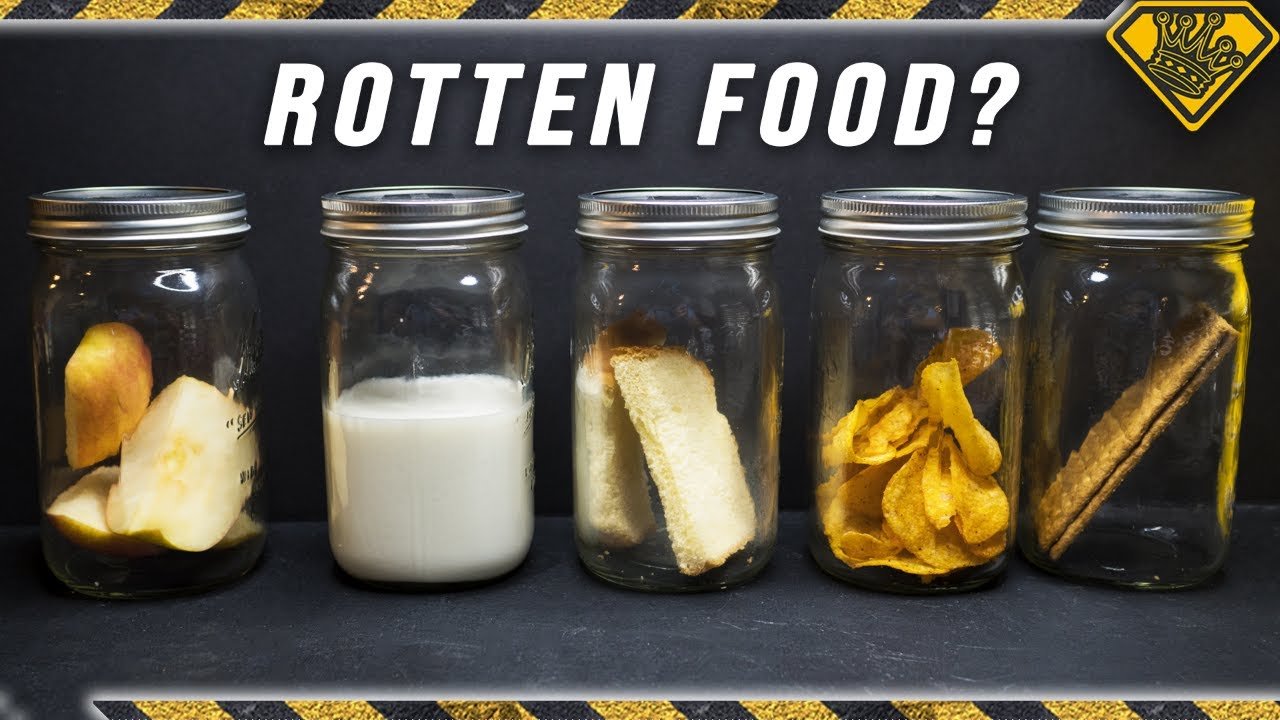
Vacuum-sealed food often looks and smells normal, so it can be tricky to tell if something has gone bad. Here are some common warning signs:
- Bad Smell – If the food smells sour, rotten, or “off” when you open the package, it’s not safe.
- Color Changes – Unusual colors (green, gray, or black) often signal spoilage.
- Texture Changes – Slimy or sticky surfaces are a red flag, especially in meats and cheeses.
- Gas or Bubbles – If you see air or bubbles inside the package, bacteria may be producing gas.
- Mold – Any sign of mold means the food should be thrown away.
If you are not sure, it’s safest to throw it out. Never taste food you suspect has gone bad.
Credit: www.youtube.com
Foods That Should Not Be Vacuum Sealed
Surprisingly, some foods are not good candidates for vacuum sealing. That’s because they can either spoil quickly or create unsafe conditions when sealed without air.
| Food | Why Not Vacuum Seal? |
|---|---|
| Soft Cheeses (like Brie) | High moisture; can grow dangerous bacteria |
| Raw Mushrooms | Continue to ripen and may spoil faster |
| Fresh Garlic | Risk of botulism in low-oxygen environment |
| Cooked Vegetables (unblanched) | May spoil quickly; best to blanch before sealing |
| Hot Foods | Steam can break the seal and allow bacteria in |
Some foods, like bread, can be vacuum sealed but may lose texture or become crushed. For these, use gentle vacuum settings or freeze first.
How To Avoid Vacuum Sealed Food Spoilage
To make vacuum-sealed food last longer and avoid spoilage, follow these best practices:
1. Use Fresh, High-quality Food
Always start with the freshest food possible. Do not try to “save” food that is already close to expiring.
2. Store At The Right Temperature
- Refrigerate or freeze all perishable foods after vacuum sealing.
- Dry foods like rice or beans can be kept at room temperature, but cool, dark storage is best.
3. Keep Your Equipment Clean
Bacteria can spread from dirty hands, cutting boards, or vacuum sealer parts. Clean everything before sealing.
4. Avoid Overfilling Bags
Leave enough space at the top of the bag for a strong seal. Overfilled bags can leak air and shorten shelf life.
5. Label Everything
Write the date and contents on every package. This helps you use older items first and avoid mystery bags.
6. Watch For Seal Failures
After sealing, check that the bag is tightly closed and there are no leaks. If in doubt, reseal or use a new bag.
7. Blanch Vegetables
For most vegetables, blanching (briefly boiling and then cooling) stops enzymes that cause spoilage. It also kills surface bacteria.
Real-world Examples And Data
Vacuum sealing is popular in both home kitchens and the food industry. For example, many butchers vacuum-seal steaks to keep them fresh for weeks instead of just days. In the fishing industry, vacuum-sealed fish can last years in the freezer without losing quality.
A study by the Food and Drug Administration (FDA) found that vacuum sealing can extend the shelf life of meat by 3–5 times compared to simple refrigeration. However, the FDA also warns that improper storage can increase the risk of botulism and other foodborne illnesses if safety steps are not followed.
Non-obvious Insights Most Beginners Miss
- Vacuum sealing does not kill bacteria. Many people think removing air kills all germs, but it only slows their growth. If bacteria are already present, some may survive and eventually multiply.
- Moisture is a hidden risk. Even a little water inside the bag can help bacteria grow. Dry the food as much as possible before sealing, especially with meats and veggies.
- Resealing does not reset spoilage. Once food starts to spoil, vacuum sealing again won’t make it safe. Always check freshness before resealing leftovers.
- Plastic quality matters. Cheap or thin bags can let in air over time, making the seal useless. Use high-quality, food-safe vacuum bags for best results.

Credit: www.walmart.com
Comparing Vacuum Sealing To Other Methods
Here’s a quick look at how vacuum sealing compares with other common food storage methods:
| Method | Protection from Air | Average Shelf Life | Best For |
|---|---|---|---|
| Vacuum Sealing | Excellent | Months to years | Meats, veggies, dry goods |
| Plastic Wrap/Containers | Fair | Days to weeks | Leftovers, short-term |
| Freezing (no seal) | Poor | 6 months–1 year | Bulk foods, meat |
| Canning | Excellent (if done right) | 1–5 years | Fruits, vegetables, sauces |
| Dry Storage (pantry) | Poor to fair | Months | Grains, pasta |
Vacuum sealing works best for foods that are going to be frozen or stored for months. For short-term needs, regular containers may be enough.
Safety Tips For Vacuum Sealed Food
- Always refrigerate or freeze perishable foods after vacuum sealing.
- Do not vacuum seal soft cheeses, garlic, or mushrooms unless you know how to process them safely.
- If you see any signs of spoilage, throw the food away.
- When in doubt, look for advice from official sources like the USDA or FDA.
For more on food safety and vacuum sealing, see this FDA guide on food safety.
Final Thoughts
Vacuum sealing is a powerful tool for keeping food fresh and reducing waste. But it is not a magic solution. Vacuum-sealed food can go bad if you seal spoiled food, store it at the wrong temperature, or seal foods that are risky to store without air. Always use best practices, know which foods to avoid, and watch for signs of spoilage. With care and attention, vacuum sealing can help you enjoy fresher, safer meals and save money over time.
Frequently Asked Questions
Can I Store Vacuum Sealed Food At Room Temperature?
Most vacuum-sealed foods that are perishable, like meats or cooked dishes, must be refrigerated or frozen. Only dry goods (rice, beans, pasta) can be kept at room temperature safely.
Does Vacuum Sealing Extend Freezer Life For All Foods?
Vacuum sealing can greatly extend freezer life for most foods by preventing freezer burn and slowing spoilage. However, some foods, like high-moisture vegetables, may still lose texture and quality over time.
Is It Safe To Vacuum Seal Leftovers?
Yes, as long as the leftovers are cooled quickly and sealed while fresh. Always refrigerate or freeze leftovers after vacuum sealing and eat them within recommended time frames.
What Is The Risk Of Botulism With Vacuum-sealed Food?
Botulism bacteria can grow in low-oxygen, moist environments at room temperature. This is why it’s critical to refrigerate or freeze vacuum-sealed perishable foods, and not to seal foods like garlic or soft cheese.
Can I Reuse Vacuum Sealer Bags?
Some bags can be washed and reused, but only for dry foods. Never reuse bags that have held raw meats, and always check that the bag is undamaged and can still hold a good seal.