Skip to content
Can You Bake In An Electric Skillet
If you love baking but have a small kitchen or lack a traditional oven, you may wonder, can you bake in an electric skillet? This is a common question among home cooks and students who want to make cakes, breads, or even casseroles without a full-size oven. The good news is, with the right approach, an electric skillet can be a surprisingly handy baking tool.
In this article, you’ll learn how electric skillets work for baking, what recipes are best, and how to get great results—even if you’re new to this method.
How Electric Skillets Work
An electric skillet is a flat, heated pan with its own power source. Unlike a stovetop pan, you plug it into the wall and control the temperature with a simple dial. The sides are usually higher than a frying pan, and many models come with a glass lid.
This creates a mini-oven effect.
Most electric skillets heat evenly across the surface. The heating element is built into the bottom, so there are fewer hot spots compared to some stovetops. This helps with consistency, which is important for baking. However, the air inside an electric skillet doesn’t circulate like a conventional oven.
This means you need to adjust some baking methods for the best results.
Key Features Of Electric Skillets
- Adjustable temperature control: Set the heat precisely for different recipes.
- Non-stick surface: Easier to remove baked goods and clean up.
- Lid with vent: Helps trap moisture but lets steam escape.
Many people use electric skillets for frying, sautéing, or simmering, but baking is less common. Still, with a few tricks, you can bake a wide variety of treats.
What You Can Bake In An Electric Skillet
Not all baked goods are suitable for an electric skillet, but many are. Think about recipes that need even, gentle heat and don’t require crisp, browned tops. Here are some popular options:
- Cakes: Chocolate, vanilla, carrot, or boxed cake mixes.
- Quick breads: Banana bread, zucchini bread, cornbread.
- Biscuits and scones: Simple doughs that rise without yeast.
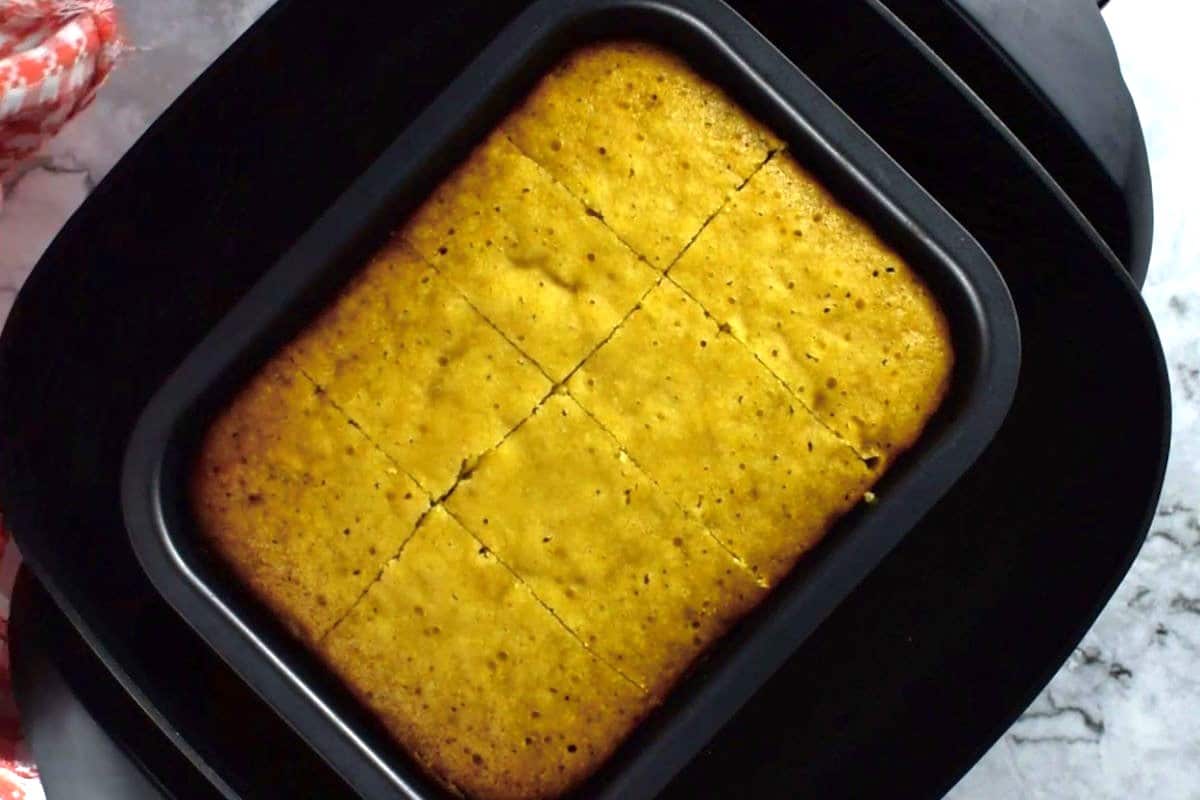
- Brownies and bars: Fudgy or cakey brownies bake well.
- Casseroles: Savory bakes like lasagna or shepherd’s pie.
- Pancakes and flatbreads: While not traditional baking, you can make naan or tortillas.
- Pizza: Deep-dish or skillet pizza with a softer crust.
Dense, moist recipes usually work better than those needing dry, crispy textures. Thin cookies or meringues, for example, are not ideal.
Comparison: Skillet Baking Vs. Oven Baking
Here’s a quick look at how baking in an electric skillet compares to a traditional oven:
| Feature | Electric Skillet | Conventional Oven |
|---|---|---|
| Heat Source | Bottom only | Top & bottom (convection optional) |
| Temperature Range | Usually 200–400°F | 100–500°F+ |
| Air Circulation | Minimal | Good (especially with fan) |
| Capacity | Small (8–16 in.) | Large (multiple racks) |
| Best For | Moist cakes, breads, casseroles | Wide variety, including crispy bakes |
Credit: www.youtube.com
How To Bake In An Electric Skillet: Step-by-step
Baking in an electric skillet isn’t difficult, but it does need a few adjustments. Here’s a practical guide:
1. Choose The Right Bakeware
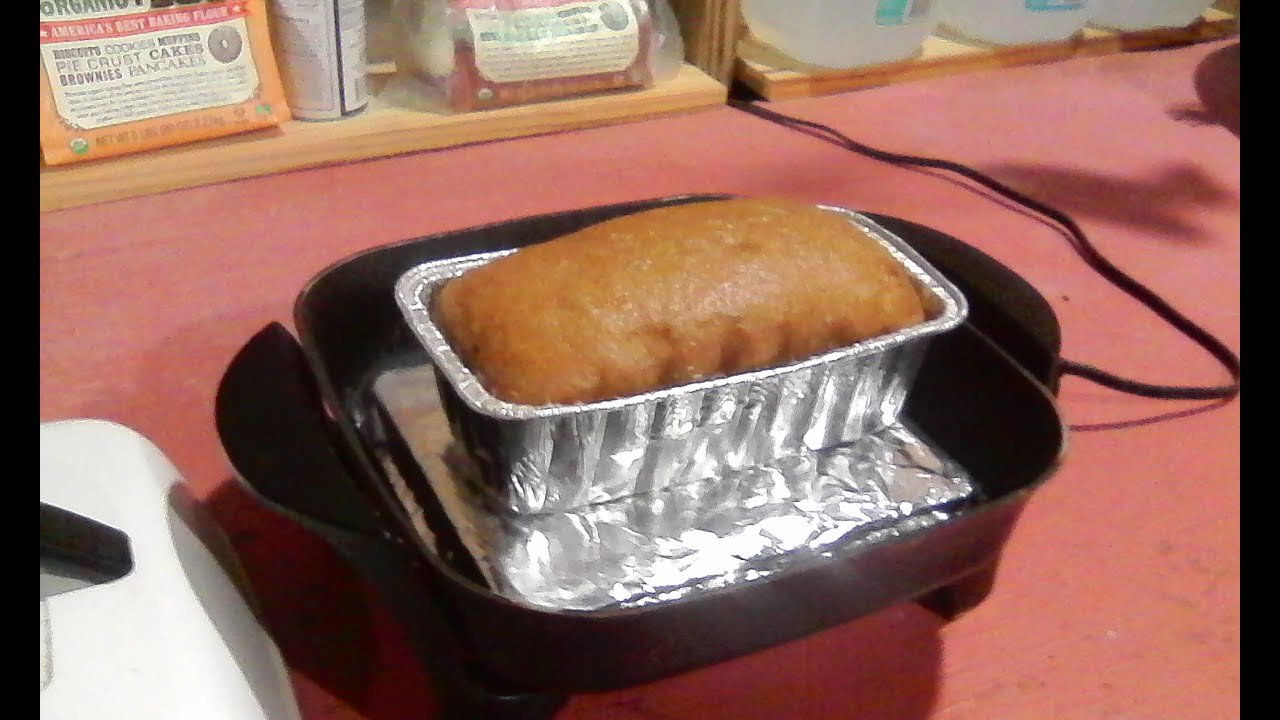
Use round or square metal or heatproof glass pans that fit inside your skillet. If your skillet is 12 inches wide, an 8- or 9-inch cake pan usually works well. Avoid plastic or silicone pans unless the manufacturer says they’re safe for stovetop use.
2. Preheat The Skillet
Plug in your skillet and set it to the desired baking temperature, usually between 325°F and 350°F for most recipes. Let it warm up with the lid on for about 5–10 minutes. Preheating ensures even cooking.
3. Prepare The Pan
Grease your baking pan with oil, butter, or non-stick spray. This prevents sticking. Pour in your batter or dough as usual.
4. Add A Trivet Or Rack
Place a heat-safe trivet or a small wire rack in the bottom of the skillet. This lifts the pan off the direct heat, mimicking the effect of oven racks. If you skip this, the bottom of your baked good may burn before the top cooks.
5. Bake With The Lid On
Set the filled pan on the trivet. Cover the skillet with the lid. This traps heat and moisture, helping your bake rise and stay moist. Do not open the lid often—heat escapes quickly.
6. Check Doneness
Most recipes take about the same time as in the oven, but check 5–10 minutes early. Insert a toothpick or skewer into the center. If it comes out clean, your bake is done. If not, cover and cook a bit longer.
7. Cool And Serve
Lift the pan out carefully. Let your baked good cool before slicing. The texture may be softer than oven-baked versions, but the flavor will be just as good.
Sample Baking Time Comparison
Here’s a rough comparison of baking times for common treats:
| Recipe | Oven Time | Electric Skillet Time |
|---|---|---|
| Banana Bread | 55–60 min | 50–60 min |
| Chocolate Cake | 30–35 min | 30–40 min |
| Brownies | 25–30 min | 25–35 min |
Best Electric Skillet Baking Tips
Many beginners miss a few simple tricks that make electric skillet baking easier and more reliable:
- Use a thermometer: Electric skillet dials can be imprecise. Place an oven thermometer inside to check the real temperature.
- Rotate the pan: Halfway through, quickly open the lid and rotate the pan for even cooking. This helps avoid hot spots.
- Avoid overfilling: Baked goods rise, so leave space at the top of your pan.
- Prevent soggy bottoms: Wipe away any condensation from the lid before placing it back. Too much moisture can make the top of your bake wet.
- Try parchment paper: Line pans with parchment for easy removal and less sticking.
These tips can make the difference between a dense, soggy cake and a light, tender one.
Common Mistakes To Avoid
Even experienced cooks make errors when baking in an electric skillet. Here are mistakes to watch for:
- Skipping the trivet: Without a rack, the bottom will likely scorch before the center is cooked.
- Lifting the lid too often: Each time you open, heat escapes and cooking slows down.
- Ignoring the real temperature: The set temperature may not match the actual heat. Always double-check.
- Choosing the wrong recipes: Crispy cookies or puff pastry need dry, circulating air—not ideal for a skillet.
- Overcrowding the pan: If the pan is too full, the center may stay raw while the edges overcook.
If you’re patient and follow the steps, you’ll avoid these setbacks and enjoy successful bakes.
Cleaning Up After Baking
Electric skillets are usually easy to clean, but some care is required. After unplugging and cooling, wipe the inside with a damp cloth. For stuck-on bits, soak with warm soapy water. Do not immerse the whole skillet in water unless your model is marked as dishwasher safe.
Non-stick coatings can be scratched by metal utensils or harsh scrubbers. Use rubber or wooden tools and a soft sponge.
.png?v=1769199647580&options=w_870,h_700)
Credit: www.greenpan.us
When Not To Use An Electric Skillet For Baking
There are times when an electric skillet is not the best baking tool. Avoid using it for:
- Large batches: Limited space means you can’t bake for a crowd.
- Crispy foods: Pie crusts, cookies, and pastries often turn out too soft.
- Recipes needing broiling: The skillet can’t brown the top.
- Long, slow bakes: Some breads or cheesecakes need steady, dry heat.
For these, a traditional oven or toaster oven is a better choice.
Electric Skillet Vs. Other Baking Appliances
If you have other kitchen gadgets, you might wonder how an electric skillet compares for baking. Here’s a quick reference:
| Appliance | Baking Strengths | Baking Weaknesses |
|---|---|---|
| Electric Skillet | Even heating, portable, energy-efficient | Moist results, small size, no browning |
| Toaster Oven | Crispy tops, compact, versatile | Limited space, uneven heat in some models |
| Microwave | Fast, good for mug cakes | Rubbery texture, poor browning |
| Slow Cooker | Moist cakes, set-and-forget | Long cooking times, no crisping |
Each tool has its own strengths. The electric skillet shines when you want easy, moist, evenly cooked treats without heating up your whole kitchen.
Credit: inthekitch.net
Real-world Example: Baking Banana Bread In An Electric Skillet
Let’s walk through a classic recipe—banana bread—using the electric skillet method.
Ingredients
- 1 cup mashed ripe bananas (about 2 large)
- 1/2 cup sugar
- 1/4 cup melted butter or oil
- 1 egg
- 1 teaspoon vanilla extract
- 1 cup all-purpose flour
- 1/2 teaspoon baking soda
- 1/2 teaspoon baking powder
- 1/4 teaspoon salt
Steps
- Preheat the electric skillet to 350°F with the lid on.
- Mix bananas, sugar, butter, egg, and vanilla in a bowl.
- In another bowl, whisk flour, baking soda, baking powder, and salt.
- Stir dry ingredients into the wet mixture until just combined.
- Grease an 8-inch round or square baking pan. Pour in the batter.
- Place a trivet or rack in the skillet. Set the pan on top.
- Cover with the lid. Bake for 50–60 minutes, checking doneness with a toothpick.
- Cool before slicing.
This method yields a moist, flavorful bread—almost as good as oven-baked.
Non-obvious Insights For Better Results
Most beginners focus only on recipe and temperature, but two factors matter just as much:
- Moisture control: Because the lid traps steam, always wipe condensation off before replacing the lid. This prevents soggy tops.
- Pan material: Glass pans heat up slower than metal ones, which can increase baking time. If your bread or cake isn’t cooking through, try a metal pan for better results.
Small tweaks like these can dramatically improve your skillet-baked goods.
External Resource
For more tips and techniques, check out the Spruce Eats guide to electric skillet baking.
Frequently Asked Questions
Can You Bake Bread In An Electric Skillet?
Yes, you can bake simple breads like banana bread or quick breads in an electric skillet. Use a pan that fits inside the skillet, place it on a trivet, and bake with the lid on for best results.
Do You Need A Special Pan For Baking In An Electric Skillet?
No special pan is required, but a metal or glass pan that fits easily inside your skillet works best. Avoid non-heat-safe materials.
Is Baking In An Electric Skillet Energy-efficient?
Yes, electric skillets use less energy than heating a full oven. They are ideal for small kitchens, dorms, or RVs where energy use matters.
Can You Bake Pizza In An Electric Skillet?
You can bake pizza in an electric skillet, but the crust will be soft rather than crispy. For crispier results, try pre-cooking the crust before adding toppings.
How Do You Prevent Burning When Baking In An Electric Skillet?
Use a trivet or rack under your baking pan, keep the temperature moderate (usually 325°F–350°F), and avoid placing the pan directly on the heating element.
Baking in an electric skillet is a practical solution for those with limited kitchen space or without a traditional oven. With the right setup and a little practice, you can enjoy homemade cakes, breads, and more—right on your countertop.