Skip to content
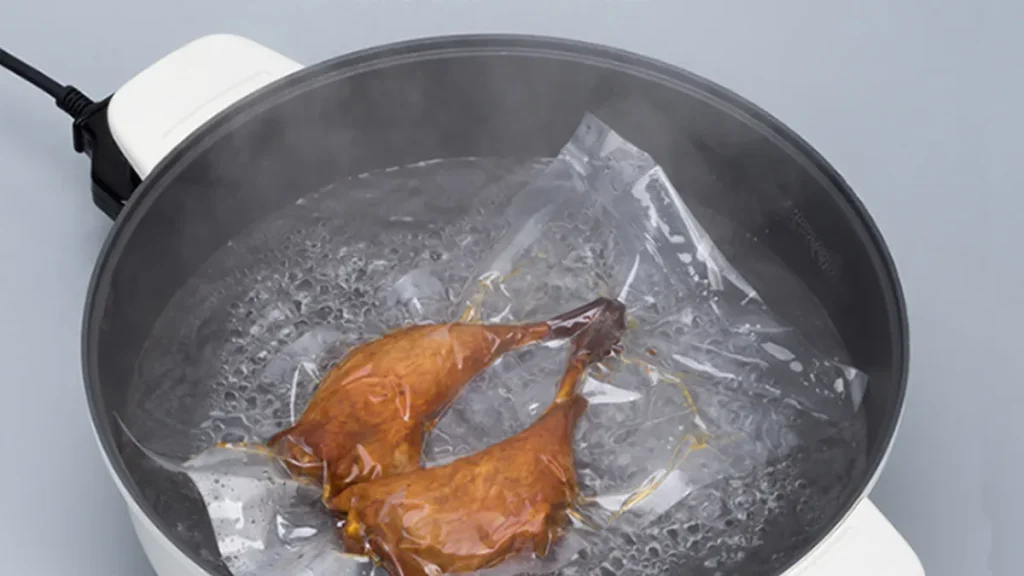
Boiling food inside vacuum seal bags is a modern kitchen trick many people wonder about. Is it safe? Does it really work for cooking or reheating meals? If you’re curious about the science, safety, and practical uses of boiling vacuum seal bags, this article will guide you through everything you need to know. We’ll look at which bags are safe, the best methods, common mistakes, and how this technique can boost your meal prep. Whether you’re a home cook, a meal prepper, or just want to keep food fresh, you’ll find clear answers here.
What Are Vacuum Seal Bags?
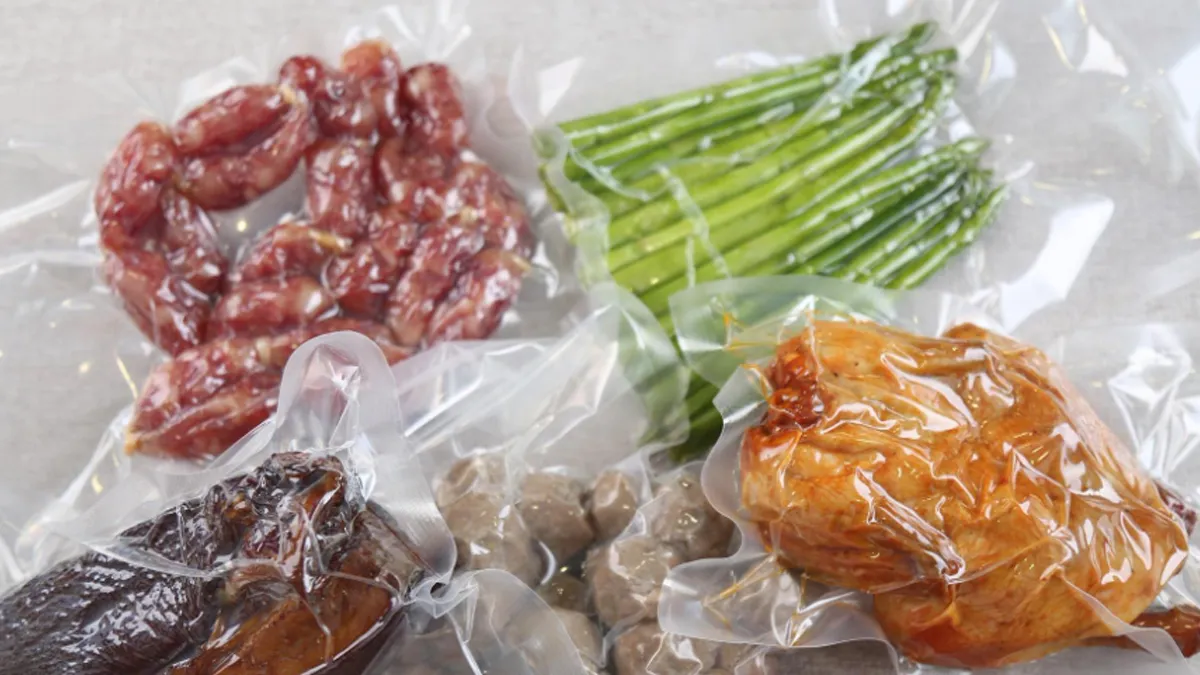
Vacuum seal bags are plastic pouches used to store food by removing air and sealing tightly. This keeps food fresh for longer by slowing down spoilage. These bags are popular for freezing, storing dry goods, and even cooking.
Most vacuum seal bags are made from polyethylene and nylon. These materials are strong, flexible, and resistant to punctures. Quality bags can handle heat and cold, making them good for different kitchen uses. Not all bags are created equal, so it’s important to know what kind you’re using before boiling.
Can You Boil Vacuum Seal Bags?
The short answer: Yes, you can boil vacuum seal bags—but only certain types. Not all plastic bags are safe for boiling. The safety depends on the material, thickness, and whether the bag is labeled for high-temperature use.
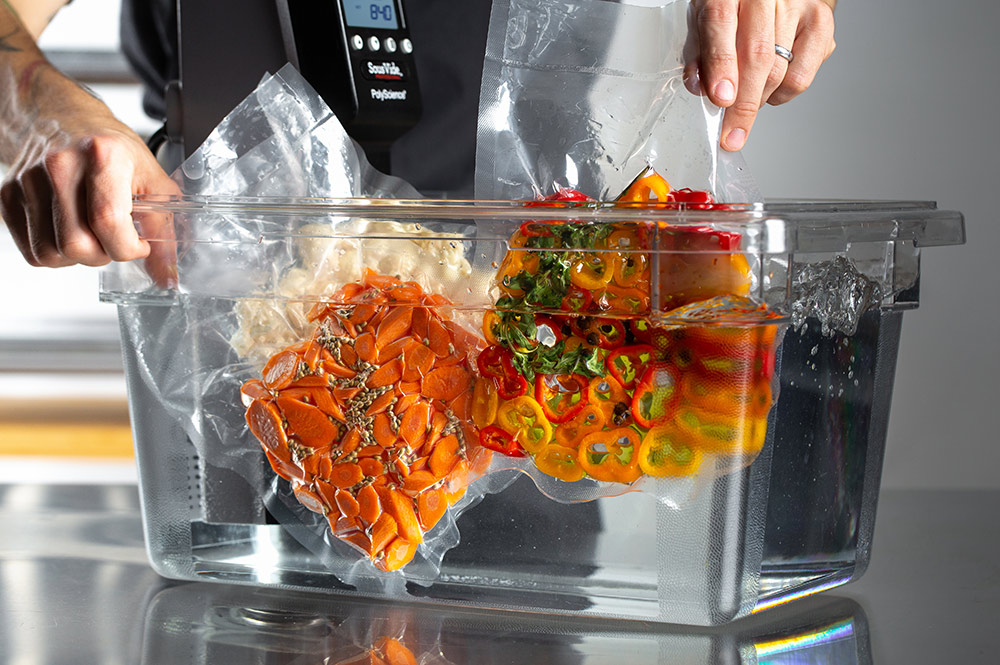
Many vacuum seal bags are designed for sous vide cooking, which involves heating food in water below boiling point (usually 120–190°F). However, some bags can handle full boiling temperatures (212°F or 100°C). Always check if the bag packaging says “boil-safe” or “sous vide safe.”
Why Boil Vacuum Seal Bags?
Boiling food in vacuum seal bags is useful for:
- Cooking meals evenly (especially meats and vegetables)
- Reheating leftovers without drying them out
- Keeping flavors and juices locked inside
- Meal prepping for busy days
This method is sometimes called “boil-in-bag cooking. ” It’s popular in restaurants and homes because it’s simple and clean.
Which Vacuum Seal Bags Are Safe To Boil?
Not all vacuum bags can handle boiling water. Only boil-safe or sous vide safe bags should be used. Let’s compare common bag types:
| Bag Type | Max Temperature | Boil Safe? |
|---|---|---|
| Generic plastic storage bags | Up to 120°F | No |
| Standard vacuum seal bags (food grade) | Up to 200°F | Sometimes |
| Sous vide vacuum bags | Up to 212°F | Yes |
| Zipper freezer bags | Up to 140°F | No |
Sous vide bags are made for heat and are the safest choice for boiling. Standard vacuum bags can sometimes handle boiling but may soften or leak if they’re not rated for high heat.
How To Identify Boil-safe Bags
Look for these features:
- Labeling: The bag should say “boil-safe,” “sous vide,” or “heat resistant.”
- Material: Bags made from polyethylene and nylon are usually safe.
- Thickness: Thicker bags (at least 3 mil) handle heat better.
- Brand reputation: Trusted brands like FoodSaver or VacMaster offer boil-safe options.
Never use bags not marked for boiling. Thin or cheap bags can melt, leak, or release chemicals.
How To Boil Food In Vacuum Seal Bags
Boiling vacuum-sealed food is simple but needs care. Here’s a practical step-by-step guide:
- Choose the right bag: Use only boil-safe or sous vide vacuum seal bags.
- Seal food tightly: Remove as much air as possible and seal well. Loose seals can leak.
- Preheat water: Bring water to a rolling boil (212°F). Use a large pot to avoid crowding.
- Submerge the bag: Place the sealed bag in the boiling water. Use tongs to avoid burns.
- Monitor cooking time: Most foods need 5–30 minutes. Meats and dense foods take longer.
- Remove carefully: Use tongs to lift the bag out. Let it cool slightly before opening.
Example: Boiling Chicken Breast
- Seal raw chicken breast in a sous vide vacuum bag.
- Drop into boiling water for 20–25 minutes.
- Remove, cool, and slice.
The result: Moist, evenly cooked chicken.
Is Boiling Vacuum Seal Bags Safe?
Safety is a top concern. Boiling food in vacuum seal bags is safe if you use the right bags. Here’s why:
- Food-grade plastics don’t release harmful chemicals at boiling temperatures.
- BPA-free bags are safest; BPA can leach into food if present.
- Bags should not melt, break, or change shape.
However, using non-food-grade or thin bags can cause problems:
- Plastic leaching: Chemicals may enter food.
- Bag rupture: Hot water can break thin bags.
- Food contamination: Leaking bags can ruin your meal.
A study from the National Institutes of Health showed that most food-grade polyethylene bags are stable up to 212°F. Always choose bags from reliable brands.
Benefits Of Boiling Vacuum Seal Bags
Boiling vacuum-sealed food offers several advantages:
- Preserves flavor: Food cooks in its own juices.
- Easy cleanup: No pots or pans to wash.
- Saves time: Meal prep is faster and simpler.
- Consistent results: Food cooks evenly.
- Reduces freezer burn: Vacuum seal bags protect food from air.
This method is ideal for busy people, athletes, or anyone wanting healthy meals fast.
Credit: pouchespack.com
Common Mistakes When Boiling Vacuum Seal Bags
Many beginners make errors that can spoil their food or cause safety issues. Here are the most common mistakes:
- Using non-boil-safe bags: Regular plastic bags melt or leak.
- Overfilling bags: Too much food can break the seal.
- Poor sealing: Air pockets lead to uneven cooking.
- Crowding the pot: Bags may touch and rupture.
- Ignoring bag instructions: Always check the temperature rating.
Avoiding these mistakes will keep your meals safe and tasty.
Comparing Boiling Vs. Sous Vide Cooking
Boiling and sous vide are similar but not the same. Here’s a quick comparison:
| Method | Temperature | Precision | Best For |
|---|---|---|---|
| Boiling | 212°F | Low | Vegetables, simple meats |
| Sous Vide | 120–190°F | High | Steak, fish, eggs |
Sous vide is more precise and gentle, but boiling is faster and simpler. Both methods use vacuum seal bags for clean, easy cooking.
Practical Tips For Boiling Vacuum Seal Bags
To get the best results, try these expert tips:
- Use a wire rack in the pot to keep bags from touching the bottom.
- Label bags with cooking times and ingredients for meal prepping.
- Don’t boil fatty or oily foods; oils can heat higher and damage the bag.
- Let boiled bags cool before opening to avoid steam burns.
- Try freezing meals in boil-safe bags for easy reheating.
One clever trick: Add herbs or marinades inside the bag before sealing. Your food will absorb extra flavor as it cooks.
Environmental Impact And Recycling
Vacuum seal bags are plastic, so think about the environment. Some brands offer recyclable or biodegradable bags. Always check local recycling guidelines. Reusing bags for dry goods or double-sealing can reduce waste.
A recent survey found that 62% of US households use single-use plastic bags for food storage. Switching to reusable or recyclable options helps reduce plastic pollution.
When Not To Boil Vacuum Seal Bags
There are times when boiling vacuum seal bags is not recommended:
- If the bag is not labeled boil-safe or sous vide safe.
- When cooking foods with sharp bones or edges (these can puncture the bag).
- If reheating dairy-heavy dishes (milk can curdle at boiling temperatures).
- For recipes needing browning or crisping (boiling won’t achieve that).
Always follow the bag’s instructions. If in doubt, choose another cooking method.
Data: Popular Brands And Their Boil-safe Ratings
To help you pick the right bag, here’s a comparison of popular brands:
| Brand | Boil-Safe? | BPA-Free? | Price per 50 bags |
|---|---|---|---|
| FoodSaver | Yes | Yes | $18 |
| VacMaster | Yes | Yes | $22 |
| Generic Store Brand | No | Varies | $12 |
FoodSaver and VacMaster are trusted by chefs for boil-safe use. Generic brands are cheaper but often not rated for boiling.
Credit: www.toufood.com
Real-life Examples And Statistics
- Restaurants use boil-in-bag cooking to prep meals ahead and serve quickly.
- Meal prep businesses rely on vacuum seal bags for bulk cooking and storage.
- According to the USDA, vacuum sealing and boiling can extend the shelf life of cooked meats by 2–3 times compared to regular storage.
Home cooks can save time and eat healthier using this method. One non-obvious insight: boiling in bags is great for allergy-friendly meals, since cross-contamination is minimized.
Frequently Asked Questions
Can All Vacuum Seal Bags Be Boiled?
No, only boil-safe or sous vide vacuum seal bags are safe for boiling. Regular storage bags may melt or leak.
Are Vacuum Seal Bags Safe For Boiling If They Are Bpa-free?
BPA-free bags are safer, but you must also check if they are rated for boiling temperatures. BPA-free alone does not guarantee boil safety.
How Long Should I Boil Vacuum-sealed Food?
Cooking times depend on the food. Most vegetables need 5–10 minutes, while meats may need 20–30 minutes. Always check doneness before eating.
Can I Reuse Vacuum Seal Bags After Boiling?
Some boil-safe bags can be washed and reused for dry goods. Reusing for wet foods is not recommended due to possible contamination and weakened seals.
Is Boiling Vacuum Seal Bags Better Than Microwaving?
Boiling keeps food moist and avoids uneven heating. Microwaving can dry out food or cause hot spots. For meal prep and flavor, boiling is often better.
Boiling vacuum seal bags is a practical, safe, and efficient way to cook or reheat food—when you use the right bags and follow best practices. It makes meal prep faster, keeps food fresh, and offers reliable results. Always check the bag’s labeling, avoid common mistakes, and use trusted brands. If you want to learn more about food safety and storage, check out this USDA Food Safety Resource. With the right approach, boiling vacuum seal bags can transform your kitchen routine.
Credit: pouchespack.com