Slow cookers have changed how many people cook soup. They make life easier, especially for busy families. Just add your ingredients, switch it on, and hours later, you have a warm meal ready. But with this convenience comes a common question: Can you overcook soup in a slow cooker? Many believe that slow cookers are foolproof and that soup can cook all day without any problems. However, reality is a bit more complicated.
Understanding the limits and best practices for making soup in a slow cooker is important if you want perfect results every time. Overcooking is possible, and it can change the taste, texture, and even safety of your meal. Let’s explore what really happens inside your slow cooker, how different ingredients react to long cooking times, and how to prevent mistakes that can ruin your soup.
Whether you’re new to slow cooking or have years of experience, you’ll find insights here that can help you make better, tastier soups.
How Slow Cookers Work
A slow cooker (or Crock-Pot) uses low, steady heat over several hours. This method is designed for convenience and for breaking down tough ingredients, like certain meats and root vegetables. Most slow cookers have two main settings: Low (about 190°F/88°C) and High (about 300°F/149°C). Some newer models also have a “Keep Warm” setting.
The heat is gentle and surrounds the food, creating even cooking. Steam is trapped under the lid, which keeps the moisture inside. That’s why slow cookers are perfect for soups and stews that need plenty of liquid.
Cooking Times For Soup
Soups usually cook for 4–8 hours in a slow cooker, depending on the setting:
- Low setting: 6–8 hours
- High setting: 3–4 hours
But what if you leave the soup for longer? This is where overcooking can become an issue. Not all ingredients behave the same way after long hours in hot liquid.
What Happens When You Overcook Soup?
Overcooking soup in a slow cooker doesn’t always mean it will burn or dry out. Instead, the texture, taste, and nutrition of your soup can suffer. Here’s what typically happens:
Texture Problems
- Vegetables turn mushy: Potatoes, carrots, and squash can become too soft and break apart.
- Meat becomes stringy or dry: Lean meats, chicken breast, and even some fish can lose their structure and flavor.
- Pasta and rice disintegrate: Grains and noodles will swell, break down, and sometimes disappear into the broth.
Flavor Changes
- Bitterness develops: Overcooked garlic, onions, or herbs can add a bitter taste.
- Broth loses brightness: Long cooking can blend flavors too much, making the soup taste flat.
Nutrient Loss
- Vitamins degrade: Water-soluble vitamins, like Vitamin C and some B vitamins, break down with long cooking.
- Minerals leach into broth: This isn’t always bad, but it can change the nutritional balance.
Appearance
- Cloudy or dull look: Overcooked vegetables or grains can make the soup cloudy.
- Fat separates: Long cooking can cause fat to float and make the soup greasy.
A good way to see the impact is in a side-by-side comparison:
| Ingredient | Ideal Texture | Overcooked Texture | Flavor Impact |
|---|---|---|---|
| Potatoes | Firm, smooth | Mushy, falling apart | Watery, bland |
| Chicken breast | Juicy, tender | Dry, stringy | Bland, less savory |
| Carrots | Slightly crisp | Mushy | Sweetness lost |
| Pasta | Al dente | Swollen, broken | Starchy, gluey |
Which Ingredients Are Most At Risk?
Not every soup ingredient reacts the same way to long, slow cooking. Some benefit from extra time, while others quickly lose their best qualities.
Ingredients That Handle Long Cooking
- Tough cuts of beef or pork (like chuck roast or shoulder): They become tender and flavorful.
- Root vegetables (like carrots, parsnips, turnips): Hold up well for 6–8 hours.
- Dried beans and lentils: Need a long time to soften fully.
Ingredients That Overcook Easily
- Leafy greens: Spinach, kale, and herbs lose color and flavor quickly.
- Soft vegetables: Zucchini, peas, and tomatoes break down fast.
- Seafood: Fish and shrimp can become rubbery and tough.
- Pasta and rice: Absorb too much liquid and turn mushy.
- Dairy: Milk or cream can separate and curdle if cooked too long.
Here’s a quick look at how long some common ingredients should spend in the slow cooker:
| Ingredient | Best Cooking Time | Overcooked After |
|---|---|---|
| Carrots | 6–8 hours (Low) | 10+ hours |
| Chicken breast | 3–4 hours (Low) | 6+ hours |
| Spinach | 15–30 minutes (add at end) | 1+ hour |
| Rice | 30–60 minutes (add near end) | 2+ hours |
| Fish | 15–30 minutes (add at end) | 1+ hour |
How To Prevent Overcooking Soup In A Slow Cooker
The good news is you can avoid most problems with a few simple strategies. Here’s how you can make sure your soup stays delicious, not overcooked:
1. Know Your Ingredients
Read your recipe carefully and understand how long each ingredient needs to cook. For example, root vegetables and tough meats can go in at the start, but leafy greens and seafood should be added later.
2. Use The Right Setting
If you plan to leave soup unattended for a long time (like overnight or during work), use the Low setting. This reduces the risk of overcooking.
- Low: Best for all-day cooking, more forgiving
- High: Faster, but less margin for error
3. Add Delicate Ingredients Later
Some ingredients should only be added near the end of the cooking process. These include:
- Pasta and rice: Add 30–60 minutes before serving.
- Greens and herbs: Add in the last 15–30 minutes.
- Dairy (milk, cream, cheese): Stir in just before serving to avoid curdling.
- Seafood: Add 15–30 minutes before the end.
4. Use A Timer Or Programmable Cooker
Modern slow cookers often include timers or “auto-warm” features. Set the timer for the shortest recommended cooking time, then let it switch to Keep Warm. This keeps your soup at a safe temperature without further cooking it.
5. Cut Ingredients Evenly
Cutting vegetables and meats into similar sizes ensures even cooking. Large chunks of potato or carrot will take longer, while small pieces can get mushy fast.
6. Stir Occasionally (if Possible)
If you’re home, give your soup a gentle stir once or twice. This helps distribute heat and prevent sticking, especially if your slow cooker has hot spots.
7. Test For Doneness
Don’t just rely on the clock. Taste and check your soup near the end of the cooking time. If everything is tender, it’s done—even if the timer hasn’t finished.
8. Keep The Lid On
Each time you lift the lid, heat escapes. This can extend cooking time by 20–30 minutes. Only open the slow cooker if you need to add ingredients or check doneness.
9. Use The “keep Warm” Function Wisely
This function keeps food safe for serving, but it’s not meant for hours and hours. If left too long, delicate ingredients can still overcook.
Credit: lexiscleankitchen.com
Common Mistakes That Lead To Overcooked Soup
Even experienced cooks can fall into traps when using a slow cooker. Here are a few mistakes to avoid:
- Cooking everything from the start: Not all ingredients need the same amount of time.
- Setting and forgetting: Slow cookers are forgiving, but not magical. Some attention is still needed.
- Overfilling the pot: Too much food can change cooking times and cause uneven results.
- Using the wrong cut of meat: Chicken breasts, for example, can dry out fast. Thighs or drumsticks hold moisture better.
- Not adjusting for altitude: At higher altitudes, water boils at a lower temperature, so cooking can take longer.
How To Fix Overcooked Soup
If you’ve accidentally overcooked your soup, don’t panic. Most mistakes can be fixed or at least improved.
- Mushy vegetables: Puree the soup for a creamy texture, or add some fresh, lightly cooked vegetables for crunch.
- Dry meat: Shred it and stir back into the soup, or add a splash of broth to help moisten.
- Bland flavor: Add fresh herbs, a squeeze of lemon, or a pinch of salt to brighten the taste.
- Starchy, thick broth: Thin with a bit of water or stock, then heat gently.
Sometimes, overcooked soup can become a different dish entirely, like a creamy blended soup or a thick stew. Use creativity to save your meal.
Real-life Examples
To give you a sense of what can happen, here are a couple of real-life scenarios:
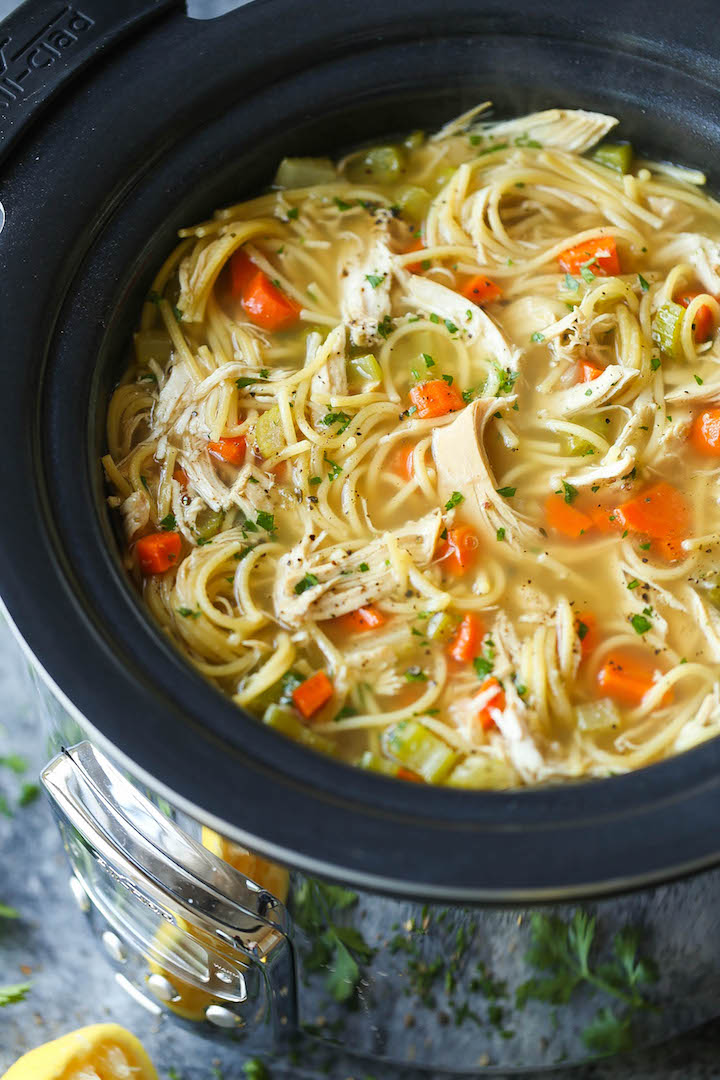
Example 1: Chicken Noodle Soup Left On Low For 12 Hours
- Result: The chicken is dry and stringy, the noodles are mushy and almost dissolved, and the carrots are falling apart.
- Lesson: Add noodles only at the end, and consider using chicken thighs instead of breasts.
Example 2: Vegetable Soup With Beans
- Result: After 8 hours on low, beans are tender and root vegetables are perfect. But if left for 12 hours, zucchini and spinach become mushy and colorless.
- Lesson: Add soft vegetables in the last hour, and greens in the last 15 minutes.
Is There Such A Thing As “too Long” In A Slow Cooker?
Many slow cooker manuals suggest that you can cook food for 8–10 hours safely, especially on Low. But beyond this, problems can start. Most soups reach their best flavor and texture between 6 and 8 hours on Low. Anything beyond 10 hours is likely to lead to overcooked ingredients unless the recipe is designed for it.
Here is a visual summary of recommended cooking times:
| Soup Type | Low Setting | High Setting | Risk of Overcooking |
|---|---|---|---|
| Chicken Noodle | 6–7 hours | 3–4 hours | High (if noodles cooked too long) |
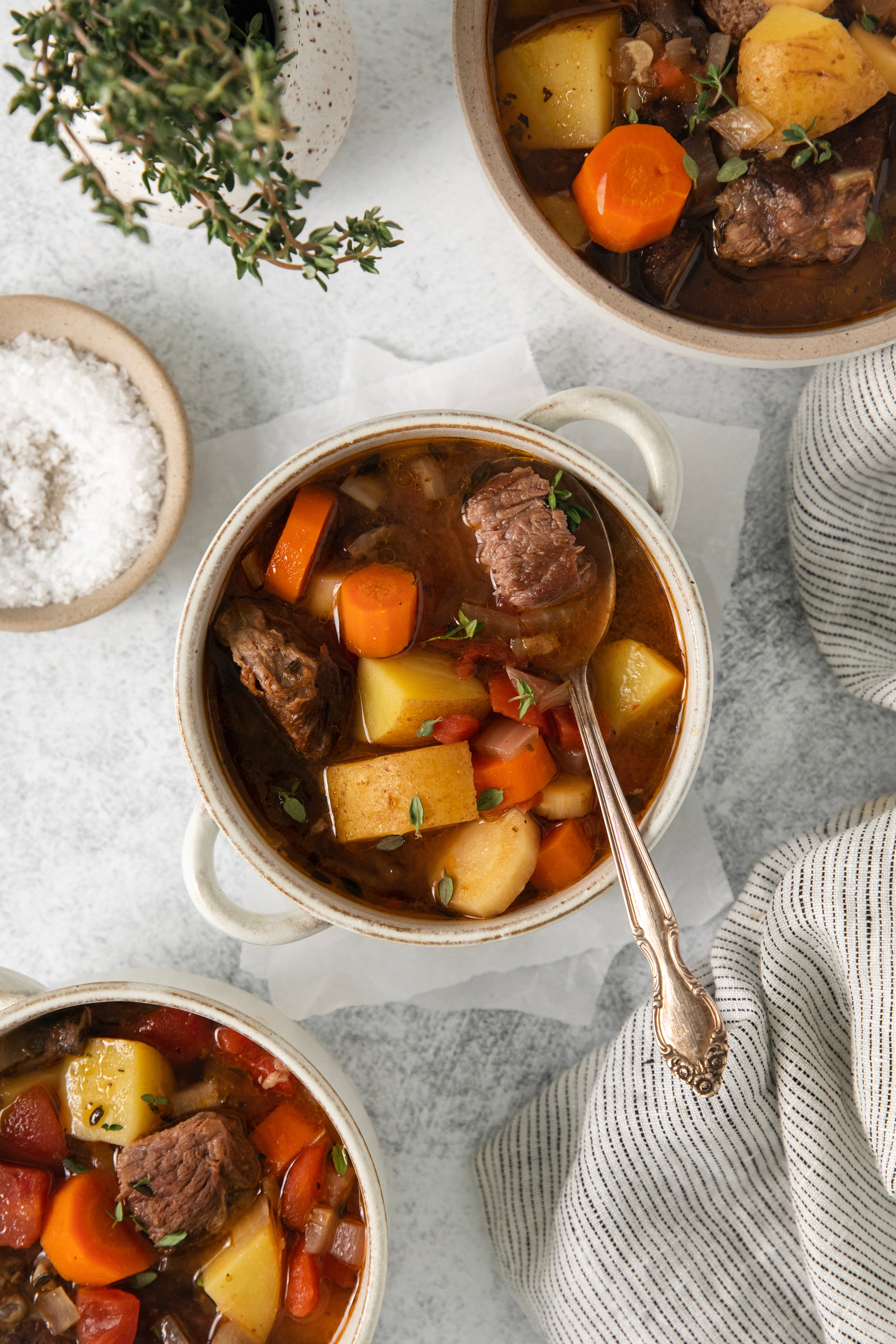
| Beef Stew | 8 hours | 4–5 hours | Low (if using tough cuts) |
| Vegetable Soup | 6–8 hours | 3–4 hours | Medium (if soft veggies included early) |
| Lentil Soup | 7–8 hours | 3–4 hours | Low |
Non-obvious Insights Most Beginners Miss
Even seasoned home cooks miss these important details:
- Layering matters: Place hard, slow-cooking ingredients at the bottom, closest to the heat source. Softer, quick-cooking items go on top or added later.
- Starch changes the game: Rice, noodles, and potatoes continue to absorb liquid even after the slow cooker is turned off. If you’re keeping the soup warm for a long time, consider cooking these separately and adding them just before serving.
Food Safety And Slow Cooking
One worry is food safety. Modern slow cookers keep food at safe temperatures, but if you leave soup on “Keep Warm” for more than 4 hours, bacteria can start to grow, especially if the temperature drops below 140°F (60°C). Always refrigerate soup within 2 hours if you’re not serving it.
For more information on slow cooker safety and guidelines, visit the USDA’s official page.
Credit: damndelicious.net
Tips For Making Perfect Soup Every Time
- Plan ahead: Prep ingredients in advance and know which ones need to be added later.
- Experiment: Use the slow cooker for recipes designed for it, like chili or bean soups.
- Use fresh herbs at the end: Dried herbs can go in early, but fresh herbs add the best flavor when added last.
- Don’t overcrowd: Follow your slow cooker’s max fill line (usually 2/3 to 3/4 full).
- Label leftovers: Freeze extra soup in small portions for quick meals later.
Frequently Asked Questions
Can I Leave Soup In A Slow Cooker Overnight?
Yes, but only on the Low setting and for no more than 8–10 hours. Use recipes that are meant for overnight cooking. Avoid adding delicate ingredients like pasta or greens until the end.
Why Does My Soup Taste Bland After Long Cooking?
Long cooking can blend flavors too much, making the soup taste flat. Brighten it with salt, fresh herbs, or a splash of lemon juice before serving.
Is It Safe To Keep Soup On “keep Warm” All Day?
Not really. “Keep Warm” is meant for 2–4 hours at most. After that, the temperature might fall below safe levels. Refrigerate soup if you’re not eating soon.
How Can I Fix Soup That’s Too Thick After Slow Cooking?
Thin it out with a bit of hot water or broth. Stir and heat gently until you reach the desired consistency.
Can I Add Raw Meat To A Slow Cooker Soup?
Yes, it’s safe if the soup cooks long enough. Be sure to cut meat into small pieces and let it reach at least 165°F (74°C) for poultry or 160°F (71°C) for beef/pork.
Slow cookers are a fantastic tool for making soup, but they aren’t completely foolproof. With a little attention to timing, ingredient choice, and temperature, you can avoid overcooking and enjoy perfect results every time. Remember to use your senses—taste, smell, and look—to judge when your soup is just right.
Happy slow cooking!

Credit: www.wholesomeyum.com