You’ve probably wondered, can you put coffee ground in the fridge to keep it fresh longer. It seems logical, cold slows down spoilage for most foods, so why not your morning brew? But coffee is different, and that fridge might be doing more harm than good.
Specialty Coffee Association research indicates that ground coffee loses over 60% of its aromatic compounds within two weeks at room temperature when stored properly. The fridge doesn’t stop that process, it can actually accelerate it. So before you move that bag next to the milk, let’s look at what really happens when coffee meets cold air.
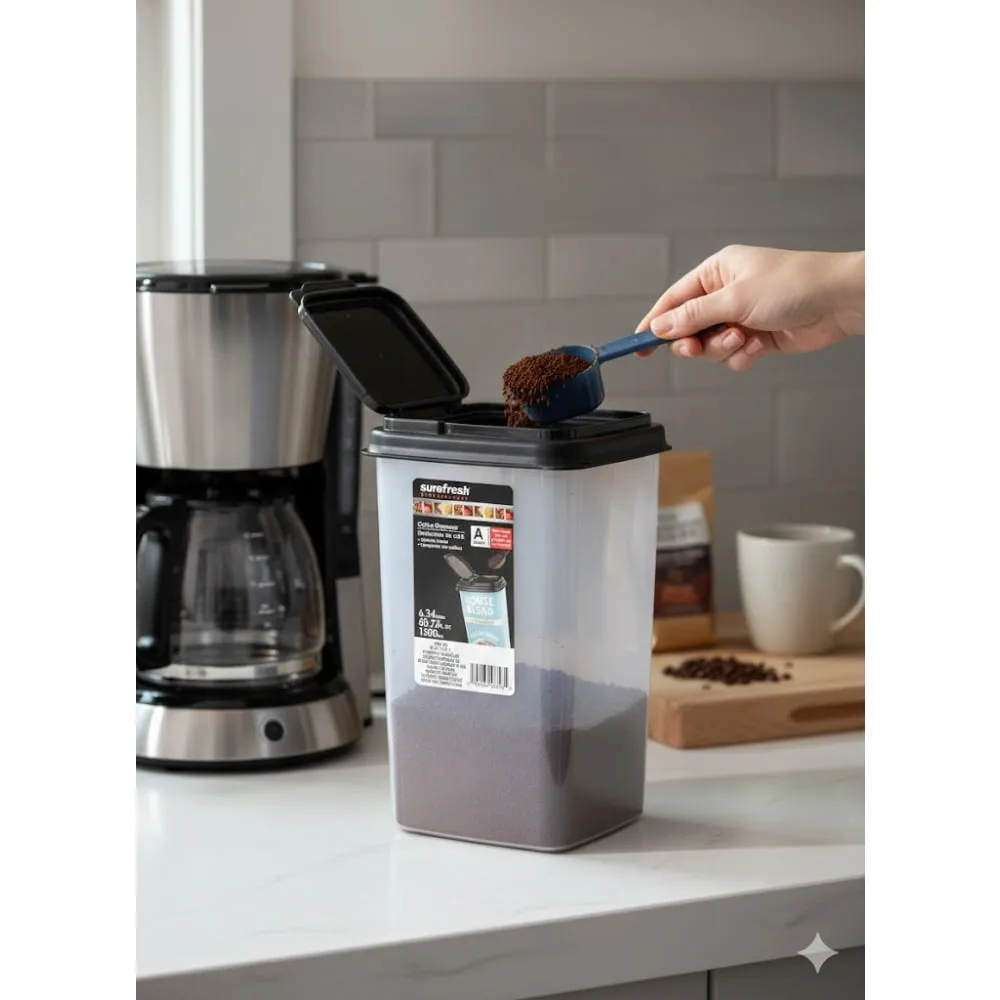
Image source: Bing (Web (fair-use with source credit))
Why You’re Tempted to Put Coffee Grounds in the Fridge
You’re not alone in thinking this move makes sense. Our homes get warm, pantries can be humid, and coffee bags claim “store in a cool, dry place.” The fridge seems like the coolest, driest spot around. But here’s where intuition and coffee chemistry part ways.
A few common reasons people reach for the fridge:
- Heat and humidity at home, kitchens get steamy from cooking, and cabinets near the stove can hit 80°F.
- Extending the life of a big bag, maybe you bought in bulk or got a holiday roast you want to last.
- Past experience with other foods, nuts, flour, and oils keep longer in the cold. Coffee should too, right?
The problem is that coffee isn’t like those foods. Roasted coffee beans are packed with volatile oils and aromatic compounds, the stuff that makes your cup smell amazing. These compounds are extremely sensitive to moisture and temperature swings.
A fridge has both. Our research shows that the average home fridge cycles between 35°F and 45°F every time the door opens. That constant fluctuation pulls aromatics out of the grounds faster than a steady room temperature.
If you’ve ever had a cup that tasted flat or vaguely like last night’s leftovers, you’ve already experienced the result.
Quick Answer (Spoiler: You Probably Shouldn’t)
No, you should not store coffee grounds in the fridge. The moisture and temperature swings ruin the flavor. Coffee absorbs surrounding odors easily.
Keep it in an airtight container at room temperature instead.
What Actually Happens to Coffee in the Fridge
When you put ground coffee in the fridge, three things go wrong almost immediately.
Moisture invasion. Ground coffee is porous, each particle has a huge surface area. The moment you open the fridge, warm humid air hits the cold grounds. That air condenses into tiny droplets on the surface of the grounds, like a cold drink glass on a summer day.
Those droplets carry water into the coffee, starting a slow staling process. Specialty Coffee Association guidelines recommend storing coffee at 50, 60% humidity. Your fridge hovers closer to 65, 80%.
Odor absorption. Coffee acts like activated charcoal, it loves to grab smells. In a fridge full of onion, cheese, leftover curry, and that mysterious jar nobody opens, your grounds turn into a deodorizer. They’ll absorb those flavors within hours.
Next morning’s brew tastes like yesterday’s dinner. Not what you paid for.

Image source: Web (Bing) / coffeebasicspro.com
Temperature fluctuation damage. Every time the fridge door swings, the internal temperature can change rapidly. According to the Specialty Coffee Association, temperature affects the chemical and physical processes responsible for coffee staling. That rapid change can affect the coffee’s volatile compounds. Think of it like repeatedly heating and cooling olive oil, it degrades faster.
Coffee’s volatile aromatic compounds start breaking down, and you lose the bright, complex notes you bought.
The net result is coffee that can lose freshness faster, not slower. Research from the Specialty Coffee Association also shows that temperature, moisture, and oxygen all play important roles in coffee freshness and staling.
Common Mistakes People Make Storing Coffee (And Why They Backfire)
Even people who know better still trip up. Here are the most frequent errors we see.
Leaving coffee in the original bag inside the fridge. That one-way valve bag is designed for room temperature storage. In the fridge, the valve doesn’t stop moisture from seeping in. You might as well leave the bag open.
Storing coffee in the freezer without sealing it properly. Freezing actually works for long-term storage, but only if you vacuum seal the grounds and let them come to room temperature before opening. Scooping frozen grounds directly into your brewer introduces condensation that ruins the rest of the batch.
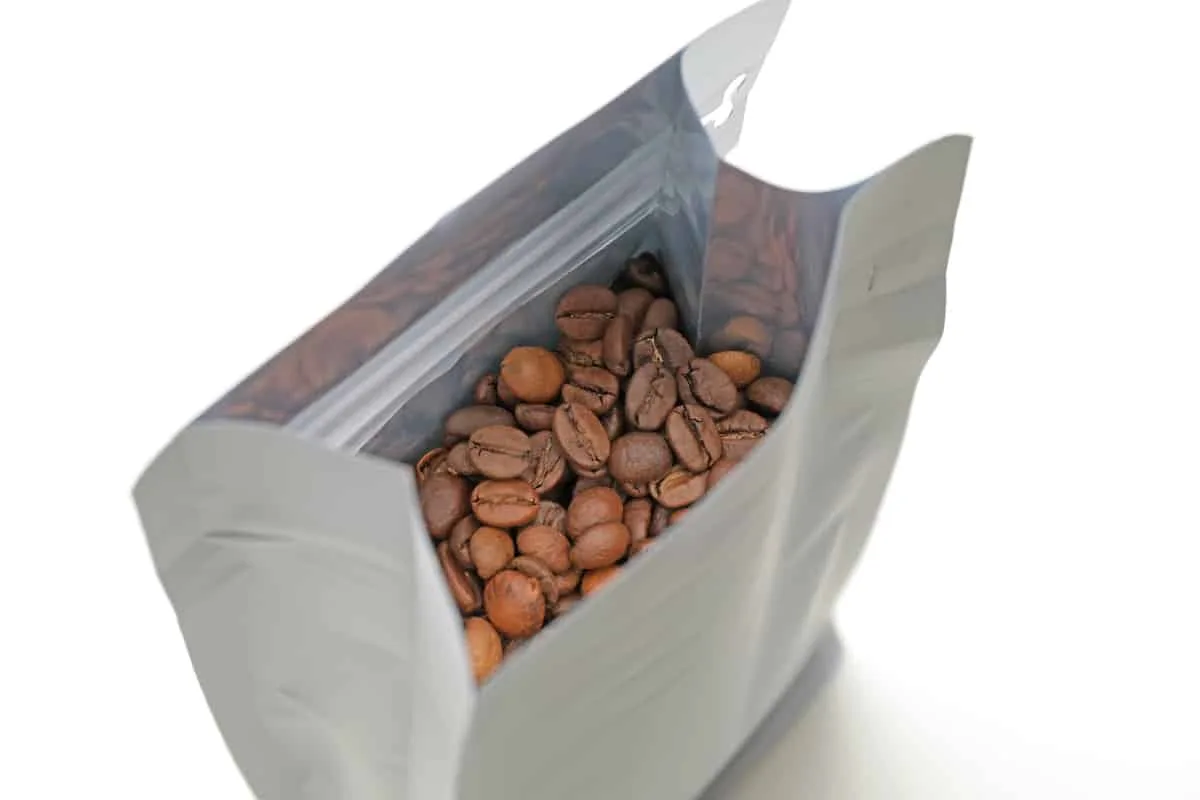
Image source: Bing (Web (fair-use with source credit))
Reopening the container multiple times. Every time you open the lid, fresh warm air rushes in. If you’re storing in the fridge, you’re cycling that air constantly. Better to portion out a week’s worth and keep the rest sealed.
Using a non-airtight container. A glass jar with a loose lid or a plastic tub with a cracked seal lets moisture and odors in. Even a small gap defeats the purpose.
Thinking the fridge “resets” stale coffee. It doesn’t work that way. Once coffee has gone flat, cold won’t bring the flavor back. You’re only making future cups worse.
A smarter approach? Follow the same steps you’d take when you want a perfect brew every morning. Proper storage is the first step.
Better Ways to Keep Your Coffee Fresh (That Actually Work)
You have several options that preserve flavor far better than the fridge. Pick the one that fits your routine.
Room Temperature, Airtight, Dark
This is the gold standard for daily drinkers. Keep your grounds in a high-quality airtight container, ceramic, stainless steel, or opaque glass work well. Store it in a cabinet away from the stove, sink, and direct sunlight.
At typical room temperatures (65, 75°F), ground coffee stays fresh for one to two weeks.
Freezer for Long-Term Storage
If you bought a large batch or want to preserve beans for months, the freezer can work, but only with strict technique.
- Divide grounds into single-week portions.
- Vacuum seal or use a ziplock with all air squeezed out.
- Place in the back of the freezer, not the door (less temperature swing).
- When needed, let the sealed bag come to room temperature for an hour before opening.
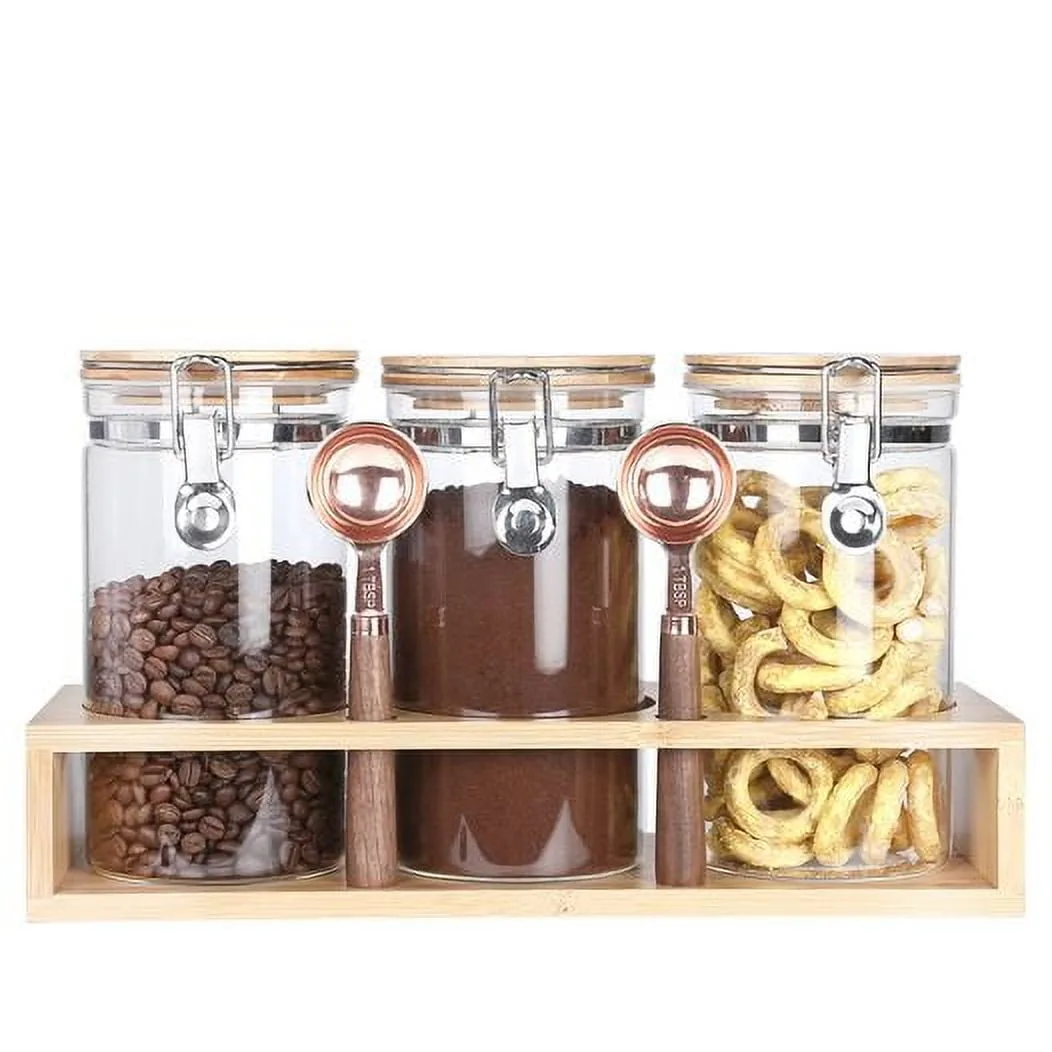
Image source: Bing (Web (fair-use with source credit))
Once opened, treat that portion like normal room-temperature coffee. Never return unused grounds to the freezer, the condensation cycle repeats and ruins them.
Whole Beans Instead of Pre-Ground
This is the single biggest upgrade you can make. Whole beans stay fresh three to four times longer than pre-ground coffee because they have far less surface area exposed to air. Grind only what you need immediately before brewing.
If you’re serious about flavor, invest in a good burr grinder and enjoy peak freshness every cup.
Dehydrated or Instant Coffee for Travel
For camping, office stashes, or emergency backup, instant coffee doesn’t mind room temperature or even some humidity. It’s not gourmet, but it won’t go rancid. Just keep it in a sealed container to avoid clumping.
These methods won’t extend shelf life indefinitely, but they’ll keep your coffee tasting the way the roaster intended, no fridge required.
Frequently Asked Questions
Does putting coffee in the fridge make it last longer?
No. The fridge actually makes ground coffee go stale faster. Moisture, fluctuating temperatures, and odor absorption all accelerate flavor loss.
Room temperature storage in an airtight container keeps coffee fresh longer than the fridge does.
Can I store coffee in the freezer instead?
Yes, but only with the right technique. Divide grounds into single week portions. Vacuum seal or squeeze out all air.
Let the sealed bag come to room temperature before opening. Never refreeze once thawed.
How long does ground coffee stay fresh at room temperature?
Ground coffee stays fresh for one to two weeks when stored properly. Whole beans last three to four weeks. After that, the flavor fades noticeably.
A quality airtight container in a dark, cool cabinet gives the best results.
Will coffee grounds absorb fridge odors?
Yes, and that is a problem. Coffee acts like a sponge for surrounding smells. If you store grounds in the fridge, they will absorb onion, cheese, garlic, and other food odors.
Your morning brew will taste like last night’s dinner.
Should I keep coffee in its original bag?
Only if the bag has a one way valve and you fold it shut with a clip. For the fridge or freezer, transfer grounds to an airtight container. The original bag does not block moisture, and the valve lets humid air in.
Can I reuse coffee grounds after storing them in the fridge?
You can, but the flavor will be worse than if stored properly. The grounds will have absorbed moisture and odors. For the best cup, use fresh grounds stored at room temperature in an airtight container.
The Bottom Line: Should You Do It or Not?
Here is the short version. Do not store coffee grounds in the fridge. It introduces moisture, temperature swings, and odor contamination that all ruin the flavor faster than room temperature storage.
If you need to keep coffee for more than two weeks, freeze it using the proper method. Portion it out, vacuum seal it, and thaw before opening. For daily use, an airtight container in a dark cabinet is all you need.
Pick the method that matches your habit:
| Situation | Best Storage Method |
|---|---|
| Daily use, finishing within 2 weeks | Airtight container at room temperature |
| Bulk batch, finishing in 2–6 months | Vacuum sealed freezer bags, portioned |
| Travel or camping | Instant coffee or sealed single servings |
| Emergency backup | Sealed container in pantry |
Skip the fridge entirely. Your coffee will taste better, stay fresher longer, and you will not end up drinking a cup that tastes vaguely of leftover casserole. A simple airtight container and a cool dark spot beat a refrigerator every time.