Many coffee lovers enjoy adding milk to their brew for a creamy texture and softer taste. But some people wonder if it’s possible to put milk directly in a coffee maker, instead of adding it after brewing. This question seems simple, but the answer depends on the type of coffee maker, safety concerns, and how milk behaves when heated.
If you’re searching for a shortcut to creamy coffee or want to know the risks, this article will help you understand everything about putting milk in a coffee maker.
Why People Want To Brew With Milk
Coffee with milk is popular in drinks like lattes, cappuccinos, and flat whites. Many people hope that brewing coffee with milk instead of water will make the drink richer and save time. Some believe it will create a strong, milky flavor. The idea is appealing, especially for those who want a one-step process or dislike adding cold milk after brewing.
However, the reality is more complex. Coffee makers are designed for water, and milk behaves differently. Understanding the science behind milk and coffee brewing is important before you try it.
What Happens When You Put Milk In A Coffee Maker
Milk contains proteins, fats, and sugars. When heated, these elements react in ways that water does not. Let’s look at what happens inside different coffee makers:
| Type of Coffee Maker | Effect of Milk | Risks |
|---|---|---|
| Drip Coffee Maker | Milk heats and flows through the filter | Burning, clogging, bacteria growth |
| Single-Serve Pod Machine (Keurig/Nespresso) | Milk passes through pod and tubes | Clogs, sour odor, expensive repairs |
| Espresso Machine | Milk in water reservoir damages machine | Internal damage, mold, warranty void |
| French Press | Milk gets heated but not fully brewed | Hard to clean, sticky residue |
Milk scalds at lower temperatures than water. In most coffee makers, the heating element isn’t designed to handle milk. This leads to burnt flavors, bad smells, and sticky buildup. Over time, milk residue can block pipes and filters, making your machine unusable.
Detailed Risks And Problems
Putting milk in a coffee maker may seem harmless, but it can cause serious issues. Here are the main risks:
1. Burnt Taste
Milk scorches easily. When exposed to high heat inside coffee makers, it can burn, producing an unpleasant taste and smell.
2. Clogging And Residue
Milk leaves behind sticky proteins and fats. These residues stick to the internal parts, especially tubes and filters. Cleaning them is difficult and often requires professional help.
3. Bacterial Growth
Coffee makers are warm and moist, perfect for bacteria. Milk spoils quickly. If any residue is left, bacteria can grow and cause health risks.
4. Damage To Machine
Most coffee makers are designed only for water. Milk can damage heating elements, pumps, and tubing. Repairs are expensive and often not covered by warranty.
5. Shortened Machine Lifespan
Using milk can reduce the life of your coffee maker. Machines may break down faster and need frequent repairs.
Many beginners overlook these dangers. They expect the machine to clean itself, but milk residue is stubborn. Even a small amount can create problems.
Comparing Brewing Methods: Water Vs. Milk
To understand why water is preferred, compare brewing with water and milk:
| Method | Flavor | Machine Health | Cleaning Needed |
|---|---|---|---|
| Water | Balanced, clean coffee taste | No damage, normal operation | Easy |
| Milk | Burnt, sour, uneven extraction | Risk of damage, clogging | Hard, requires deep cleaning |
This table shows that water is safer and produces better results. Milk makes cleaning harder and can ruin your machine.
Safe Ways To Add Milk To Coffee
While putting milk in a coffee maker is risky, there are safe ways to enjoy creamy coffee:
1. Heat Milk Separately
Warm milk in a saucepan or microwave. Add it to your brewed coffee. This prevents burning and gives you control over milk temperature.
2. Use A Milk Frother
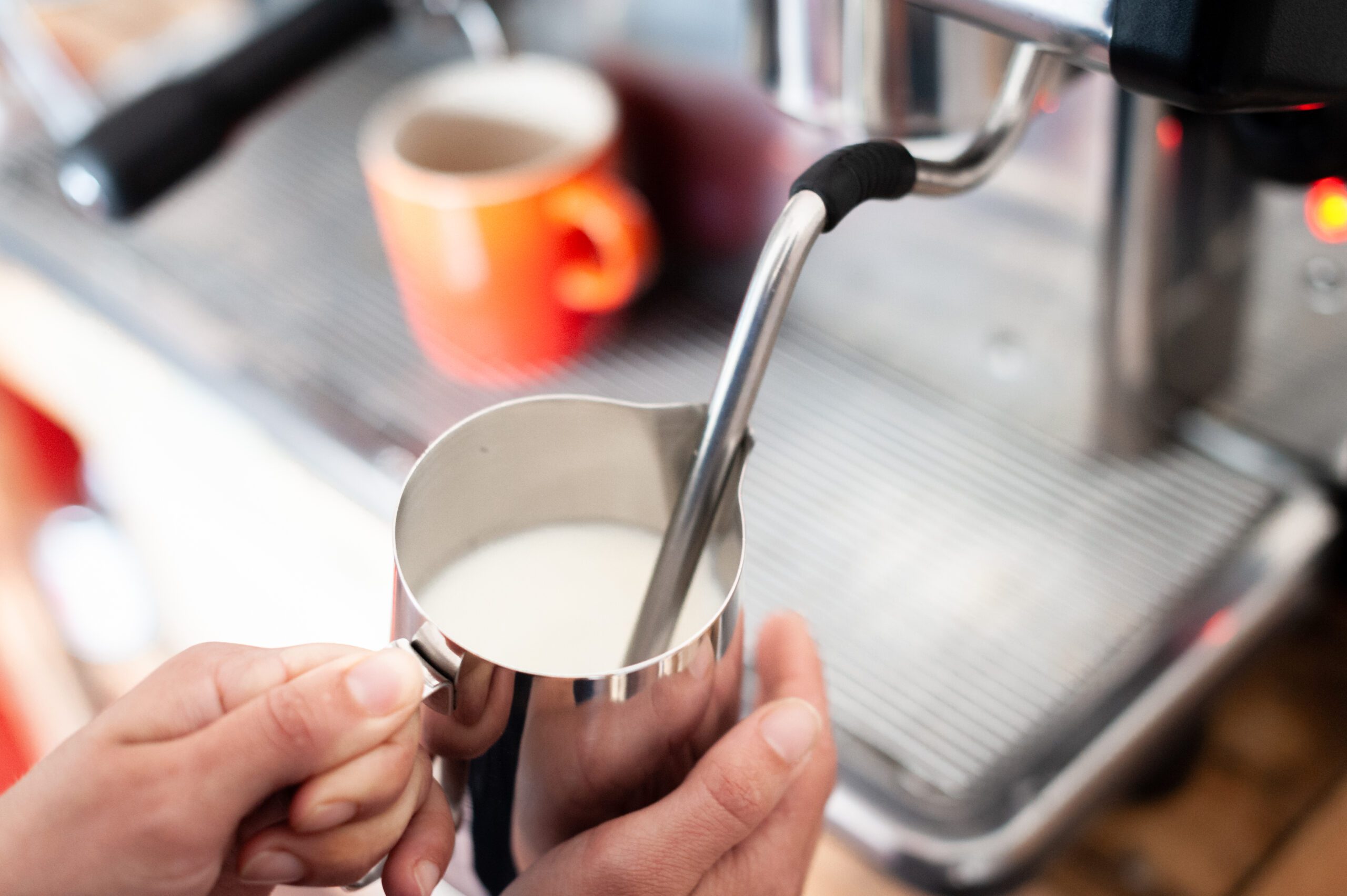
A frother aerates milk, making it light and creamy. Many espresso machines have steam wands for frothing. Standalone frothers are available for home use.
3. Mix After Brewing
Brew coffee with water as usual. Then mix in milk. This keeps your machine safe and avoids cleaning problems.
4. Try Plant-based Milks
Almond, oat, and soy milks behave differently from cow’s milk. Some are less likely to scorch. However, they can still leave residue, so don’t use them in the machine reservoir.
5. Use Specialty Machines
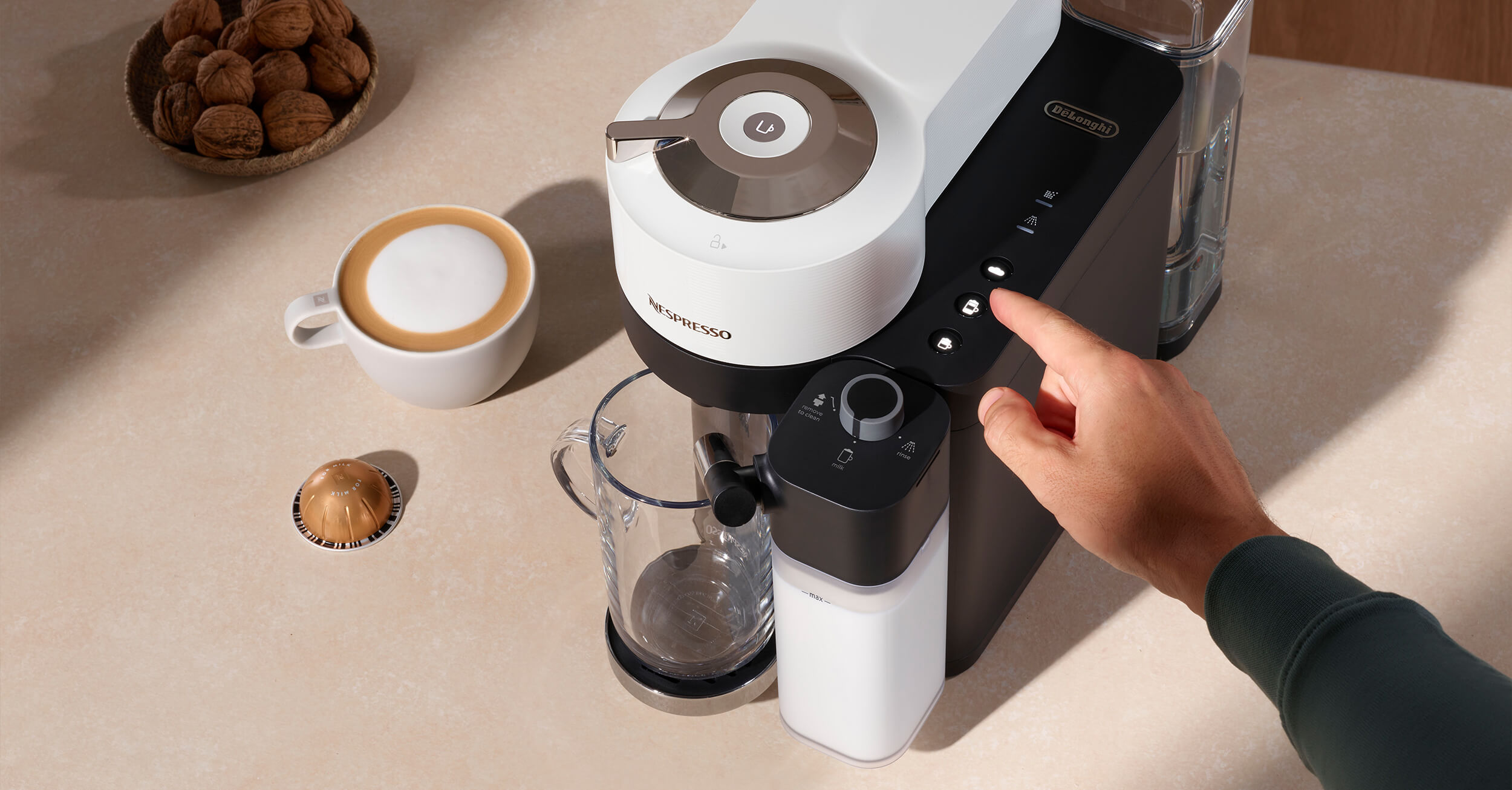
Some coffee makers are built to handle milk, like capsule machines for lattes. Always follow manufacturer instructions.
Many people wrongly believe that adding milk to the water reservoir will save time. In reality, it causes more trouble and costs money in repairs.
How Different Coffee Makers React To Milk
Drip Coffee Makers
These machines heat water, which drips over ground coffee in a filter. If you put milk in the reservoir, it will heat and flow through the filter. Milk burns, sticks, and leaves a sour taste. The filter gets clogged, and cleaning is difficult.
Single-serve Machines
Keurig and Nespresso use pods and force water through them. Milk is thicker than water and can’t flow well. It leaves sticky buildup inside tubes and pumps. Most manufacturers warn against using milk. Warranty is often voided if milk is used.
Espresso Machines
Professional espresso machines use steam and pressure. Milk in the water reservoir can damage internal parts. These machines have a separate steam wand for frothing milk, which is the safe way to add milk.
French Press
A French press doesn’t heat water. If you use hot milk and coffee grounds in a French press, the milk will mix with coffee. This is safer than using milk in electric machines, but cleaning is harder. Milk residue sticks to mesh filters and glass walls.
Common Myths About Brewing With Milk
Many people believe myths about putting milk in a coffee maker. Let’s clear up some confusion:
1. Myth: Milk Makes Coffee Stronger
Milk actually dilutes coffee and softens the taste. It doesn’t make the coffee stronger.
2. Myth: Machines Can Handle Any Liquid
Coffee makers are built for water. Milk damages them.
3. Myth: Hot Milk Brews Coffee Faster
Brewing depends on water temperature and coffee grounds, not the liquid type. Milk slows extraction and may not brew properly.
4. Myth: It’s Safe If Cleaned Right Away
Even quick cleaning can miss hidden milk residue. Bacteria can grow in places you cannot reach.
Real Examples: What Happens When People Try
Many users online have shared their experiences after trying milk in their coffee makers:
- One user added milk to a drip coffee maker and reported a burnt smell, sticky residue, and a ruined filter. The machine stopped working after a week.
- Another tried milk in a Keurig. The machine clogged, and repairs cost over $100.
- In a French press, hot milk worked but left a thick layer on the mesh. Cleaning took over 30 minutes.
Most stories end with regret and expensive repairs. These examples show that the risk is real.
Credit: www.nespresso.com
Data: Coffee Maker Manufacturer Advice
Coffee maker manufacturers often warn against using milk in their machines. Here’s a summary:
| Brand | Milk in Reservoir? | Official Statement |
|---|---|---|
| Keurig | No | Use water only. Milk may damage machine. |
| Nespresso | No | Do not use milk. Use steam wand for frothing. |
| Mr. Coffee | No | Water only. Adding milk voids warranty. |
| Breville | No | Reservoir is for water. Froth milk separately. |
Manufacturers are clear: water only. Milk is not supported and can void warranties.
Expert Tips For Creamy Coffee Without Damaging Your Machine
If you want creamy coffee, follow these expert tips:
- Heat milk separately before adding to coffee.
- Use a steam wand or milk frother for foam.
- Clean all milk equipment daily to prevent bacteria.
- Avoid using milk in the coffee maker reservoir.
- Try different milk types for flavor and texture.
- Add milk after brewing for better taste and machine safety.
An insight many beginners miss: milk changes flavor when heated too much. Gentle heating keeps it sweet and creamy.
Credit: twochimpscoffee.com
What Beginners Often Get Wrong
Many new coffee drinkers think putting milk in a coffee maker will make a latte automatically. In reality, lattes require espresso and steamed milk, not just brewed coffee and heated milk. Another common mistake is believing that cleaning the machine once is enough.
Milk residue is invisible and hard to reach. Machines need deep cleaning after any milk use.
Alternatives For One-step Creamy Coffee
If you want a quick, creamy coffee, there are alternatives:
- Capsule Coffee Machines: Some models brew coffee and froth milk automatically. Follow instructions carefully.
- Instant Coffee Mixes: Some instant coffee packets include milk powder. Just add hot water.
- Ready-to-Drink Coffee: Buy bottled or canned coffee with milk.
These options are safer than experimenting with your coffee maker.
Credit: www.nespresso.com
The Science Behind Milk And Coffee Brewing
Milk is made of water, fat, protein, and sugar. When heated above 160°F (71°C), proteins break down and milk burns. Coffee makers often heat water to 190–200°F (88–93°C), which is too hot for milk. This causes scalding and changes the flavor.
Water extracts coffee flavors best. Milk slows extraction and may block the filter. This is why baristas brew with water and add steamed milk later.
Environmental And Health Considerations
Using milk in coffee makers increases cleaning needs and water waste. Milk residue can grow bacteria, leading to health risks. Always clean milk equipment thoroughly. Never leave milk in the machine overnight.
Some milk alternatives, like oat milk, are better for the environment. They use less water and produce fewer greenhouse gases. However, always heat and add them separately.
When Is It Safe To Use Milk In Coffee Machines?
There are a few cases where using milk is safe:
- Machines designed for milk, like capsule latte makers.
- Using a French press with hot milk, but clean thoroughly.
- Pouring hot milk into brewed coffee.
Always check your machine’s manual. If unsure, use water only.
Frequently Asked Questions
Can I Put Milk In A Keurig Or Nespresso?
No. These machines are designed for water only. Milk can clog tubes and cause damage.
What Happens If I Accidentally Put Milk In My Coffee Maker?
Remove the milk and clean immediately. Run several cycles with water and vinegar. If problems continue, contact support. Machine may need repairs.
Is It Safe To Brew Coffee With Milk In A French Press?
It’s safer than electric machines, but not recommended. Milk sticks to filters and is hard to clean. Always wash all parts thoroughly.
Does Using Milk Void My Coffee Maker Warranty?
Yes, for most brands. Manufacturers say water only. Using milk can void warranty and make repairs expensive.
What’s The Best Way To Make Creamy Coffee At Home?
Brew coffee with water, then heat milk separately. Use a frother for foam. Add milk after brewing for best taste and safety.
Final Thoughts
Putting milk in a coffee maker may sound like a shortcut, but it leads to burnt flavors, machine damage, and health risks. Water is the best liquid for brewing. For creamy coffee, heat milk separately and add it after brewing. Follow expert tips and manufacturer advice to protect your machine. If you want one-step creamy coffee, use specialty machines or instant mixes. Remember, good coffee comes from safe practices and careful preparation. For more coffee science, visit National Coffee Association.