Every home and office seems to have a hot water dispenser today. It’s fast, easy, and saves time for tea, coffee, or even instant noodles. But sometimes, people wonder if they can use their dispenser for more than just water. Can you put milk in a hot water dispenser? This question pops up often, especially for those who want warm milk quickly or love milk-based drinks. Let’s explore the facts, myths, risks, and smart alternatives, so you can make the best choice for your kitchen.
What Is A Hot Water Dispenser?
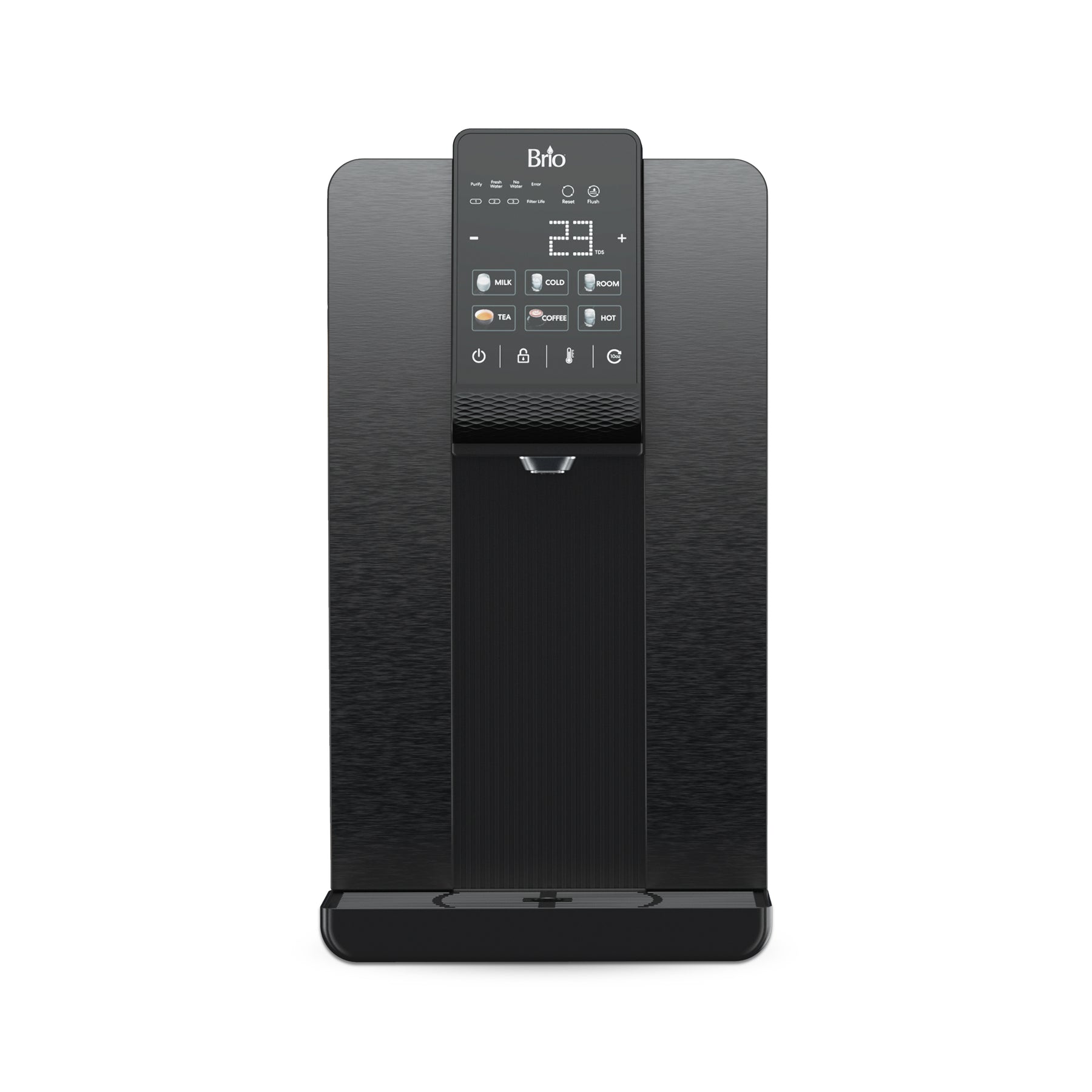
A hot water dispenser is a machine that heats water and delivers it instantly. Most dispensers work by heating water inside a tank, then releasing it through a spout. They’re popular for making tea, coffee, or quick soups. Some are small for home use, while others are larger for offices.
The design focuses on water only. Manufacturers build dispensers to handle water’s properties, such as boiling point and flow. Water is easy to clean and doesn’t leave residue. This is why most instruction manuals warn users not to add anything else.
Why People Want To Heat Milk In Dispensers
Milk is a staple in many drinks and foods. It’s common to warm milk for:
- Hot chocolate
- Coffee lattes
- Tea with milk
- Baby bottles
- Cereal
A hot water dispenser seems perfect for this. Just pour milk in, press the button, and get warm milk in seconds. But is it really that simple? There are several hidden risks and important details to consider.
Credit: briowater.com
How Milk Is Different From Water
Milk is not just water. It contains:
- Fat
- Protein
- Sugar (lactose)
- Minerals
These extra parts make milk thicker, stickier, and more likely to spoil. Heating milk is very different from heating water.
Below is a simple comparison:
| Liquid | Boiling Point (°F) | Residue Risk | Spoilage Risk |
|---|---|---|---|
| Water | 212 | Very Low | None |
| Milk | 180-205 | High | High |
As you can see, milk heats up at a lower temperature and leaves behind sticky protein and fat. It also spoils much faster than water, especially if heated and left inside the machine.
What Happens If You Put Milk In A Hot Water Dispenser?
Most hot water dispensers are not designed for milk. If you try it, several things may happen:
- Clogged Pipes: Milk’s fat and protein can stick inside pipes, leading to blockages.
- Bad Odors: Spoiled milk smells terrible, and the odor is hard to remove.
- Bacterial Growth: Milk is food for bacteria. Once inside the dispenser, bacteria can grow quickly.
- Difficult Cleaning: Milk residue is much harder to clean than water stains.
- Machine Damage: Long-term use with milk can ruin heating elements, seals, and sensors.
Some people think they can clean the dispenser with soap or hot water, but even small traces of milk can be a problem. Manufacturers often warn that using anything besides water voids the warranty.
Manufacturer Warnings And Guidelines
Most brands clearly state: “Use water only.” Let’s look at some real examples:
| Brand | Milk Use Allowed? | Warranty Policy |
|---|---|---|
| Breville | No | Voids warranty |
| Hamilton Beach | No | Voids warranty |
| Keurig | No | Voids warranty |
| Instant Hot Tap | No | Voids warranty |
Always check your user manual or brand website before trying anything new. Most manufacturers refuse to repair dispensers damaged by milk.
What About Special Dispensers For Milk?
Some machines are designed to heat or froth milk. Examples include:
- Milk frothers
- Steam wands (on espresso machines)
- Special milk boilers
These devices have parts made for milk. They usually have:
- Easy-to-clean containers
- Removable parts
- Sealed heating elements
If you want warm milk often, buying a dedicated milk frother is safer and more effective. They are built to handle fat and protein, and they are easy to clean after each use.
Health And Safety Risks
Heating milk in the wrong machine isn’t just bad for the dispenser—it can be risky for your health:
- Bacteria and mold: Warm milk left in pipes can lead to dangerous growth.
- Cross-contamination: If you use the dispenser for water after milk, you might get spoiled milk in your drink.
- Allergy risk: For offices, some people may be allergic to milk. Cross-contamination can cause serious reactions.
Cleaning with soap may not remove all traces of milk. Professional cleaning is expensive and not always effective.
Practical Alternatives To Heating Milk
There are safer ways to heat milk quickly:
- Microwave: Fast, simple, and effective. Use a microwave-safe cup and heat in short bursts.
- Stovetop: Use a saucepan and heat slowly. Stir often to prevent burning.
- Milk frother: Designed for milk, some models heat and froth at the same time.
- Electric kettle (with open element): Some kettles allow heating milk, but always check the manual.
If you want to make drinks with hot water and milk, heat water in the dispenser and mix with cold milk later.
Real-life Examples And Case Studies
Some people still try to use hot water dispensers for milk. Here are two real examples:
- Office Disaster: In one office, someone put milk in the dispenser to make hot chocolate for a meeting. Within two days, the machine smelled bad, water tasted funny, and the dispenser stopped working. Repair costs were over $150.
- Home Experiment: A parent tried warming milk in a dispenser for their child’s bottle. The milk heated unevenly, and parts burned onto the tank. Cleaning took hours, and the taste never improved.
These stories show why following manufacturer advice matters.
Common Myths And Misunderstandings
Many people believe they can use hot water dispensers for milk if they clean them well or only do it “once in a while.” Here are some myths:
- “It’s fine if I clean it right after.” Most dispensers are hard to clean inside, and milk residue sticks fast.
- “It’s safe for baby bottles.” Babies are sensitive to bacteria. Hidden milk can be dangerous.
- “Other liquids work too.” Juice, soup, and broth also cause similar problems as milk.
It’s easy to miss these risks if you’re new to using dispensers.

Credit: www.amazon.com
Environmental And Maintenance Impact
Using milk in hot water dispensers can be bad for the environment. If a dispenser breaks, it often ends up in the landfill. Repairing or replacing parts uses more resources. Frequent cleaning with harsh chemicals is also harmful.
Regular maintenance is easier with water. Milk increases the need for deep cleaning, which uses more water and energy. Over time, this can lead to higher costs for both the user and the environment.
Smart Tips For Safe Use
If you want to keep your hot water dispenser working well and avoid health risks, follow these tips:
- Never put milk or other liquids inside the water tank.
- Use dispensers only for water.
- Clean your dispenser regularly according to the manual.
- If you need warm milk, use a separate appliance.
- Check for warranty details before trying anything new.
These steps help your dispenser last longer and keep your drinks safe.
Choosing The Right Appliance For Heating Milk
If you often want warm milk, consider buying a special machine. Here’s how some appliances compare:
| Appliance | Designed for Milk? | Cleaning Difficulty | Cost (USD) |
|---|---|---|---|
| Hot Water Dispenser | No | Very Hard | 40–200 |
| Milk Frother | Yes | Easy | 20–80 |
| Stovetop Saucepan | Yes | Easy | 10–30 |
| Microwave | Yes | Easy | 50–200 |
Milk frothers are affordable and simple to use, making them the best choice for frequent milk heating.
Two Surprising Insights Most Beginners Miss
- Milk boils at a lower temperature than water, so it can burn or scald easily. This means even if a dispenser heats it, the milk may taste bad or lose nutrients.
- Dispenser pipes and tanks are almost impossible to clean fully after milk use. Even tiny bits left inside can spoil, leading to odors and bacteria.
These facts are rarely mentioned in basic guides, but they are key to avoiding long-term problems.
External Resource
If you want to learn more about how appliances are designed for specific liquids, you can read about the science of milk heating at Wikipedia.
Frequently Asked Questions
Can I Put Milk In My Hot Water Dispenser Just Once?
Even one use can cause lasting problems. Milk residue sticks inside, and bacteria can grow. The risk is not worth it, and most manufacturers say not to use milk even once.
Is It Safe To Heat Milk In A Kettle?
Some electric kettles are designed for milk, but most are not. Always check the manual first. Open-element kettles are easier to clean, but closed tanks can trap milk residue.
What Is The Best Way To Warm Milk Quickly?
A microwave or milk frother works best. Use short bursts in the microwave to prevent burning. Milk frothers heat and froth at the same time, making drinks smooth.
How Can I Remove Milk Smell From A Dispenser?
It is very hard to remove milk odor once it’s inside. You can try vinegar or baking soda, but deep cleaning is needed. Often, the smell comes back after a few days.
Will Using Milk Void My Dispenser’s Warranty?
Almost all brands void the warranty if you use anything other than water. Check your manual or brand website for details.

Credit: www.labels-ribbons.com
Final Thoughts
Putting milk in a hot water dispenser seems simple, but it can create serious problems. Machines are built for water, and milk causes clogs, odors, bacteria, and even machine failure. If you need warm milk, use a microwave, stovetop, or buy a milk frother.
This will keep your drinks safe and your appliances working for years. Always follow manufacturer guidelines and choose the right tool for the job. Smart use saves money, time, and keeps your kitchen healthy.