Skip to content
Packing lunch is part of daily life for millions of people. But when it comes to rice, many wonder: can you safely put rice in a lunch box? The answer isn’t just yes or no. It depends on how you handle, store, and prepare rice for lunch. With the right steps, rice can be a healthy, tasty, and convenient lunch box option.
This article will guide you through everything you need to know—safety, types of rice, storage, reheating, and practical tips to keep your lunch fresh and enjoyable.
Is It Safe To Put Rice In A Lunch Box?
Safety is the most important concern for packing rice. Rice is a staple food, but it’s also known for being sensitive to bacteria growth, especially Bacillus cereus. This bacteria can survive cooking and multiply if rice is kept at room temperature for too long. According to food safety guidelines, cooked rice should not sit out for more than two hours.
If you follow proper steps, rice can be safe in a lunch box:
- Cook rice thoroughly.
- Cool it quickly after cooking.
- Store rice in the refrigerator if packing in advance.
- Use insulated containers or ice packs to keep rice cold.
- Reheat rice to at least 165°F (74°C) before eating if possible.
Tip: If you can’t keep rice cold, eat it within two hours of packing.
Best Types Of Rice For Lunch Boxes
Not all rice is equal when it comes to lunch boxes. Some types stay soft and tasty longer, while others can become dry or sticky.
| Rice Type | Texture After Cooling | Best Uses |
|---|---|---|
| Jasmine Rice | Soft, slightly sticky | Asian lunches, stir-fries |
| Basmati Rice | Fluffy, not sticky | Indian dishes, pilafs |
| Sushi Rice | Sticky, holds shape | Sushi rolls, rice balls |
| Brown Rice | Chewy, nutty | Healthy lunches, salads |
| Short Grain Rice | Very sticky | Bento boxes, rice cakes |
Brown rice and sushi rice are popular for lunch boxes because they hold moisture and texture well. Basmati and jasmine rice are also good, but may dry out if kept too long.

Credit: bentgo.com
How To Prepare Rice For A Lunch Box
Preparation makes a big difference in taste and safety. Here’s a step-by-step guide:
- Cook rice properly: Follow package instructions. For most types, rinse rice before cooking to remove excess starch.
- Cool rice quickly: Spread rice on a tray or plate. Let cool for 10–15 minutes, then refrigerate. This stops bacteria from growing.
- Store in airtight containers: Use containers with tight lids. This prevents moisture loss and keeps rice fresh.
- Pack rice in the morning: If possible, pack rice just before leaving to keep it fresher.
- Add flavor: Mix in vegetables, sauces, or proteins to make rice tastier and prevent dryness.
Extra tip: Adding a small amount of oil or butter can help rice stay soft.
You might find this helpful: Best Lunch Boxes for Daily Use
Keeping Rice Fresh In A Lunch Box
One common problem is rice drying out or becoming hard. Here are practical ways to keep rice fresh:
- Use insulated lunch boxes. These keep rice warm or cold for hours.
- Include an ice pack if you want rice cold.
- For warm rice, use a thermos or thermal container.
- Pack rice with moist foods like vegetables or sauce.
- Avoid packing rice with very dry foods.
| Method | Effectiveness | Best For |
|---|---|---|
| Thermal lunch box | Very high | Warm rice dishes |
| Ice pack | High | Cold rice salads |
| Regular container | Medium | Short-term storage |
Credit: myfoodstory.com
Reheating Rice From A Lunch Box
If you have access to a microwave or stove at lunchtime, reheating rice is simple. But reheating must be done safely.
- Microwave: Add a little water to rice, cover loosely, and heat for 1–2 minutes. Stir halfway.
- Stove: Place rice in a pan with a splash of water. Heat and stir until hot.
- Avoid reheating rice more than once. Repeated reheating increases bacteria risk.
Warning: Rice should reach at least 165°F (74°C) when reheated. Use a food thermometer if possible.
Creative Rice Lunch Box Ideas
Rice doesn’t have to be plain or boring. Here are some lunch box-friendly recipes and combinations:
- Fried rice: Mix cooked rice with vegetables, eggs, and soy sauce. Great for using leftovers.
- Rice salad: Combine cold rice with beans, corn, tomatoes, and dressing.
- Rice balls (Onigiri): Shape rice into balls or triangles. Fill with tuna, salmon, or pickled vegetables.
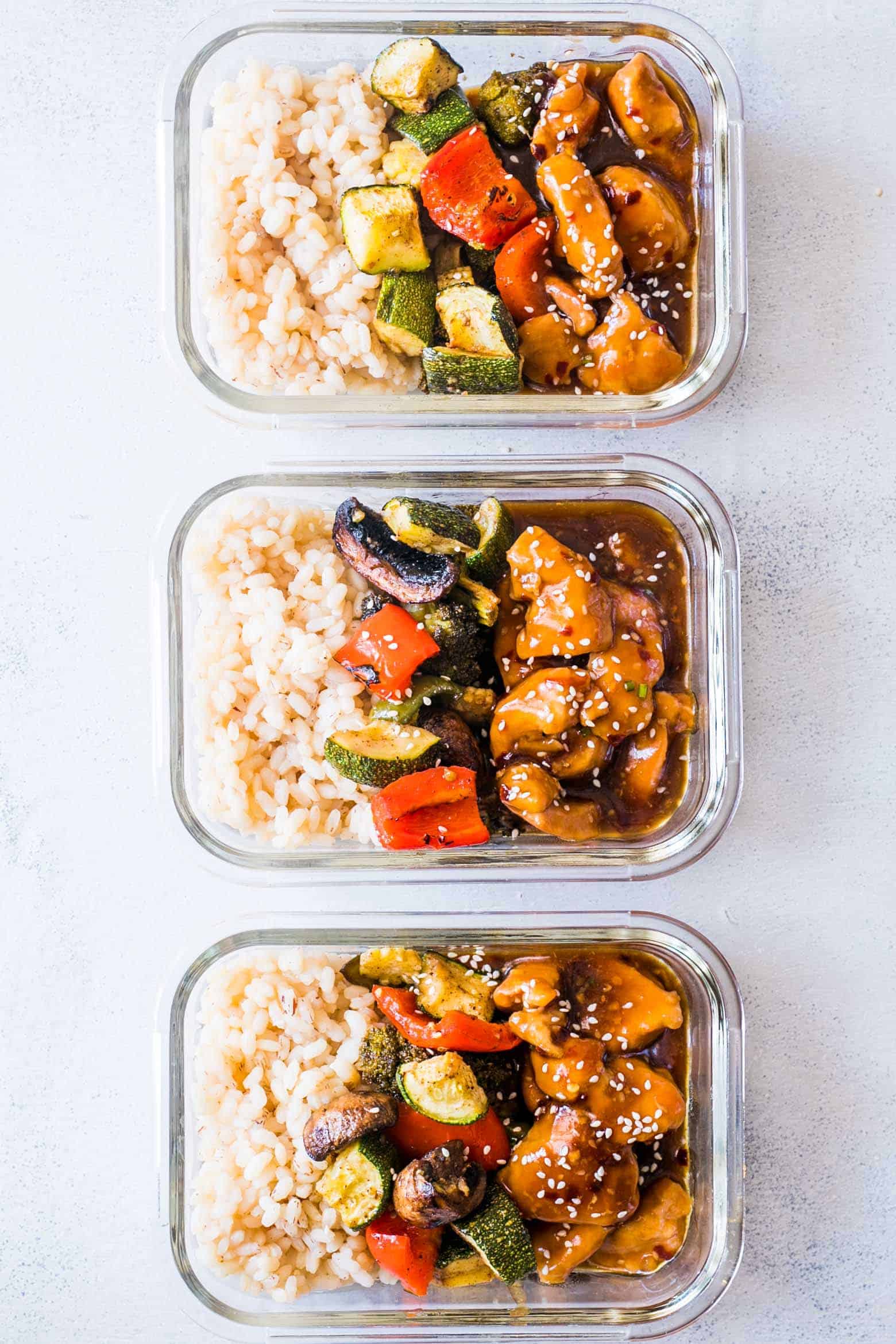
- Chicken and rice: Layer cooked rice with grilled chicken and steamed veggies.
- Vegetable rice bowl: Top rice with roasted vegetables, tofu, or chickpeas.
These ideas add flavor and nutrition, and most stay tasty even if eaten cold.
Nutritional Benefits Of Rice In Lunch Boxes
Rice is more than just a filler. It provides:
- Carbohydrates for energy
- Small amounts of protein
- Vitamins (especially in brown rice)
- Minerals like magnesium and phosphorus
According to the USDA, one cup of cooked white rice has about 205 calories, 4 grams of protein, and less than 1 gram of fat. Brown rice gives more fiber—about 3. 5 grams per cup.
Non-obvious insight: Rice is naturally gluten-free, making it a safe lunch box option for people with celiac disease or gluten sensitivity.
Common Mistakes When Packing Rice
Even experienced lunch packers make mistakes. Here are some to avoid:
- Packing rice while still hot (leads to condensation and soggy rice)
- Leaving rice at room temperature for too long
- Using containers that aren’t airtight
- Not cooling rice quickly before storage
- Reheating rice multiple times
Practical tip: Always use a clean spoon or utensil when handling cooked rice to prevent contamination.
How Long Can Rice Stay Fresh In A Lunch Box?
The safe time depends on temperature. Here’s a comparison:
| Storage Method | Safe Time | Risks |
|---|---|---|
| Room temperature | Up to 2 hours | Bacterial growth |
| Insulated container (warm) | 4–6 hours | Drying, overcooking |
| Refrigerated (cold) | 8–12 hours | Hardening, loss of flavor |
Non-obvious insight: Rice stored cold can be used for sushi or salads, but shouldn’t be reheated after 24 hours.
Rice In Lunch Boxes Around The World
Rice is a lunch box staple in many cultures. In Japan, bento boxes often feature rice as the main item. In India, tiffin boxes include rice with curries and vegetables. In Latin America, rice is packed with beans and grilled meats.
Different countries use different rice types and flavors, but the basic rules—safe storage and quick cooling—are universal.
Credit: www.kroger.com
Best Containers For Packing Rice
Choosing the right container matters for freshness and safety:
- Thermal containers: Keep rice warm for hours.
- Plastic or glass airtight boxes: Good for cold rice.
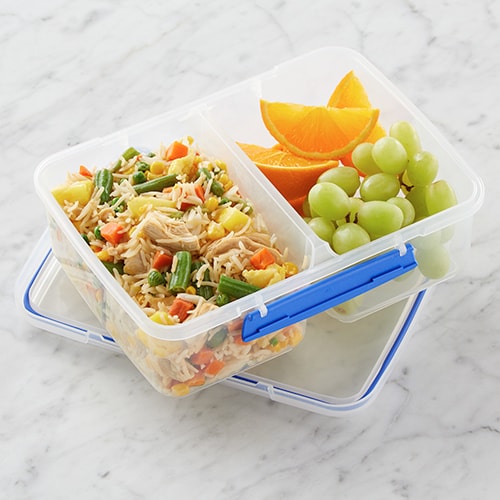
- Bento boxes: Have separate sections for rice, vegetables, and meat.
- Reusable silicone bags: Flexible and space-saving.
Look for containers with tight seals and easy-to-clean surfaces. Avoid containers that leak or let air in.
Rice Alternatives For Lunch Boxes
If you want to mix things up, consider these alternatives:
- Quinoa: High in protein, stays fluffy.
- Couscous: Cooks quickly, easy to flavor.
- Barley: Nutty taste, more fiber.
- Cauliflower rice: Low-carb, gluten-free.
These grains can be packed using the same methods as rice, but may have different cooking and cooling needs.
Frequently Asked Questions
Can You Pack Rice In A Lunch Box Overnight?
Yes, but cool rice quickly after cooking and store it in the fridge. Pack rice in the morning and keep it cold until lunchtime. Avoid leaving rice at room temperature overnight.
How Do You Keep Rice Soft In A Lunch Box?
Add a little oil or butter, pack rice with moist foods, and use airtight containers. Thermal lunch boxes help maintain softness and warmth.
Is It Safe To Eat Cold Rice From A Lunch Box?
Cold rice is safe if it was cooled quickly, stored in the fridge, and not left out for more than two hours. Many dishes, like rice salads and sushi, are meant to be eaten cold.
What Is The Best Container For Rice In A Lunch Box?
Thermal containers are best for warm rice. For cold rice, airtight plastic or glass boxes work well. Bento boxes are popular for packing rice with other foods.
Can Rice Cause Food Poisoning In A Lunch Box?
If rice is left at room temperature for too long, Bacillus cereus bacteria can grow and cause food poisoning. Always cool rice quickly, store it properly, and use insulated containers or ice packs.
Packing rice in a lunch box is easy and safe if you follow the right steps. Choose the best rice type, cool and store it properly, and use the right containers. Add variety with creative recipes, and avoid common mistakes for a healthy, delicious lunch. For more safety tips and guidelines, visit the US Food Safety site. With these tips, rice can be a convenient and tasty lunch box staple for everyone.