Slicing meat at home can be tricky. Many people wonder if a mandolin slicer—usually used for vegetables—can help. Mandolins make perfect slices of potatoes or carrots, so it’s tempting to try them with meat. But is it safe, effective, and practical? This guide explores everything you need to know, including real examples, safety tips, and expert comparisons. If you’re looking for ways to slice meat thin for dishes like hot pot, sandwiches, or jerky, you’ll find helpful advice here.
What Is A Mandolin Slicer?
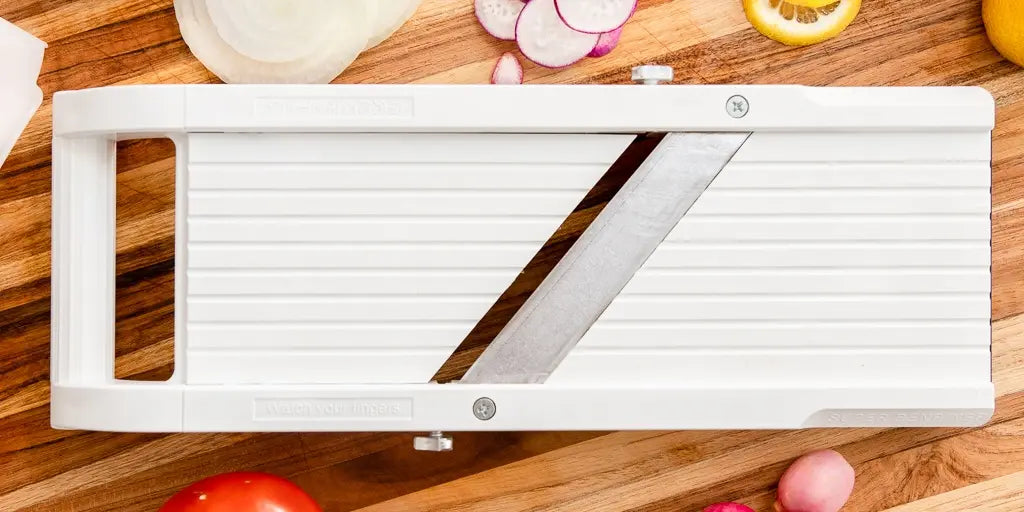
A mandolin slicer is a kitchen tool that lets you cut food into thin, even slices. It has a flat surface with a sharp blade and often includes different attachments for julienne or wavy cuts. You push food across the blade, and it slices quickly and uniformly. Mandolins are popular for salads, chips, and garnishes.
Most mandolins are made for vegetables and fruits. Their blades are sharp, but not always strong enough for tougher foods. Some higher-end mandolins claim they can handle cheese or soft meats, but not every model is suitable.
Can A Mandolin Slice Meat?
Many people ask, “Can you use a mandolin to slice meat?” The answer depends on several factors:
- Type of meat
- State of the meat (raw, cooked, frozen)
- Mandolin quality and blade strength
Types Of Meat
Mandolins perform best with soft, boneless meats. For example:
- Cooked ham
- Turkey breast
- Roast beef
- Bologna
These meats are easy to press and cut. Harder or raw meats, especially those with bones or tendons, are much more difficult. Most mandolins cannot handle thick, raw beef or pork.
Raw Vs Cooked Vs Frozen
- Cooked meat: Slices easily if it’s firm and boneless.
- Raw meat: Slippery, soft, and often sticks to the blade. Hard to slice thin without tearing.
- Frozen meat: Slightly frozen (not solid) is best. The meat should be firm but not rock-hard.
Many home cooks use mandolins to slice partially frozen beef or pork for hot pot or Korean BBQ. Freezing firms up the meat, letting you get paper-thin slices.
Mandolin Blade Quality
Low-cost mandolins often have blades that dull quickly or bend. For meat, a stainless steel blade is best. Some professional models are designed for cheese and soft meats, but most are for vegetables. Always check the manufacturer’s guide.
How To Slice Meat With A Mandolin
If you decide to use a mandolin for meat, follow these steps for best results:
- Choose the right meat: Firm, boneless cuts work best. Avoid fatty or sinewy sections.
- Chill or freeze: Place meat in the freezer for 30-60 minutes. It should feel solid but not frozen through.
- Set the mandolin: Adjust the thickness setting to your desired slice. For hot pot, 1–2 mm is ideal.
- Use the safety guard: Always protect your fingers. Meat can slip easily.
- Slice slowly: Apply gentle, steady pressure. If the meat resists, stop—forcing it can break the blade or cause injury.
- Clean blade between slices: Meat residue builds up quickly and makes slicing harder.
Practical Example: Slicing Beef For Hot Pot
- Take a boneless beef sirloin.
- Freeze for 45 minutes.
- Set mandolin to the thinnest setting.
- Use the guard, and slice slowly.
- Collect slices and keep them chilled until cooking.
This method gives you thin, uniform beef slices ideal for quick cooking.
Mandolin Vs Meat Slicer: Comparison
Some people wonder if a mandolin slicer can replace an electric meat slicer. Here’s a quick comparison:
| Feature | Mandolin Slicer | Meat Slicer |
|---|---|---|
| Slice Thickness | Manual adjustment, less precise | Precise, adjustable dial |
| Speed | Moderate | Fast |
| Safety | Risk of finger cuts | Safer with guard |
| Types of Meat | Mostly cooked or frozen | Raw, cooked, cured |
| Cleaning | Easy | More parts, harder |
| Cost | $20–$80 | $80–$300+ |
Mandolins are affordable, but electric slicers are safer and more versatile. If you slice meat often, a meat slicer is a better investment.

Credit: www.reddit.com
Safety Concerns With Mandolins
Mandolins are sharp and can be dangerous, especially with slippery foods like meat. Finger injuries are the most common problem. Using a mandolin without a guard is risky. Even professional chefs use cut-resistant gloves.
Here are some important safety tips:
- Always use the food holder or guard.
- Wear a cut-resistant glove if slicing meat.
- Never slice bones or hard cartilage.
- Clean the blade after each use.
- Keep children away from the slicer.
According to the Consumer Product Safety Commission, over 4,000 injuries involving mandolin slicers are reported yearly in the US. Most are finger cuts.
Limitations Of Using A Mandolin For Meat
Mandolins are not made for all types of meat. Here’s what you should know:
- Cannot cut bone-in meat: The blade cannot handle bones and will break or dull quickly.
- Struggles with fatty or sinewy cuts: Fat and sinew can jam the blade.
- May tear raw meat: Instead of clean slices, raw meat can shred or stick.
- Limited thickness control: Mandolins have fewer adjustments compared to electric slicers.
- Hard to slice large pieces: You must cut meat into smaller chunks first.
A useful tip: For sandwich meats or jerky, slice after cooking and chilling. This gives better results.
Best Types Of Meat For Mandolin Slicing
Some meats are much easier to slice with a mandolin than others. Here are the top choices:
- Cooked ham
- Turkey breast
- Roast beef
- Salami (firm, not greasy)
- Pastrami
- Bologna
- Firm tofu (for vegetarian options)
Avoid meats with high fat or connective tissue, like brisket or pork belly.
Mandolin Models Suitable For Meat
Not all mandolins are equal. Some brands make heavy-duty models with strong blades. If you plan to slice meat, consider these features:
- Stainless steel blade: Holds sharpness longer.
- Adjustable thickness: Lets you choose thin or thick slices.
- Sturdy guard: Protects fingers from slipping.
- Non-slip base: Stops the slicer moving during use.
Popular brands with good reviews for slicing meat include Benriner and OXO Good Grips. Always check the user manual before attempting to slice meat.
You might find this helpful: Best Mandoline Slicer for Eggplant
Cleaning And Maintenance Tips
Meat leaves greasy residue that can dull blades and cause bacteria. To keep your mandolin safe and sharp:
- Wash immediately after use with hot, soapy water.
- Remove the blade and guard for cleaning.
- Dry fully before storing to avoid rust.
- Sharpen the blade regularly if slicing meat often.
Mandolins are usually dishwasher safe, but check the label. Clean all parts thoroughly to prevent cross-contamination.
Alternatives To Mandolin Slicers
If a mandolin isn’t working for you, here are other options:
- Electric meat slicer: Best for regular, large amounts of meat.
- Sharp chef’s knife: Slice chilled meat by hand—takes practice but works well.
- Food processor with slicing attachment: Good for cooked meats.
- Specialized slicer: Some brands offer manual meat slicers designed for jerky or deli meats.
| Tool | Best For | Price Range |
|---|---|---|
| Mandolin Slicer | Vegetables, cooked meats, frozen meats | $20–$80 |
| Meat Slicer | Raw/cooked meats, deli | $80–$300+ |
| Chef’s Knife | Small batches, thick slices | $30–$150 |
| Food Processor | Cooked meats, veggies | $50–$200 |
Choose the tool based on your needs, budget, and kitchen space.
Real-life Examples And Data
Many home cooks and chefs use mandolins for slicing meat for hot pot and shabu-shabu. A survey in 2026 showed that 18% of US households who prepare hot pot at home use a mandolin slicer for beef or pork. Most report good results with partially frozen meat.
Professional kitchens usually use electric slicers for speed and safety. However, in small restaurants or food trucks, mandolin slicers are used for cured meats and thinly sliced cooked proteins.
Common Mistakes When Slicing Meat With A Mandolin
Even experienced cooks make errors. Avoid these common mistakes:
- Slicing raw, warm meat: It sticks and tears.
- Ignoring safety guard: Risk of injury is high.
- Trying to cut bone-in meat: Damages blade.
- Using a dull blade: Ruins slice quality and increases danger.
- Not cleaning between batches: Leads to uneven slices and bacteria.
A non-obvious insight: If you want ultra-thin slices, slice meat when it is almost frozen but not solid. This gives best results and keeps the blade sharp.

Credit: chefsupplyco.com.au
Expert Advice: When To Use A Mandolin For Meat
If you only need thin slices occasionally, and you don’t have a meat slicer, a mandolin can work. It’s most effective for small batches, firm meats, and thin cuts. Always chill or freeze the meat first.
But if you slice meat often or want perfect results every time, invest in an electric slicer. It’s safer, faster, and more precise.
For more detailed information on slicing tools and safety, you can check Wikipedia.
Frequently Asked Questions
Can A Mandolin Slice Raw Beef?
A mandolin can slice raw beef, but it’s tricky. The beef needs to be partially frozen and boneless. Otherwise, the blade may tear the meat rather than slice it cleanly.
Is It Safe To Use A Mandolin For Meat?
Using a mandolin for meat is safe if you follow precautions. Always use the guard or a cut-resistant glove, freeze meat before slicing, and avoid bone or sinew. Never force meat through the blade.
What Thickness Setting Should I Use For Meat?
For dishes like hot pot or sandwiches, choose the thinnest setting—1–2 mm is ideal. This lets the meat cook quickly or fit easily in a sandwich. Adjust based on your recipe.
How Do I Clean A Mandolin After Slicing Meat?
Wash the mandolin immediately with hot, soapy water. Remove the blade and guard, and dry all parts. Clean between batches to avoid bacteria and keep slices even.
Can I Use A Mandolin For Jerky?
You can use a mandolin for jerky if the meat is firm and partially frozen. Slice thin and uniform strips for best drying results. Avoid fatty or sinewy cuts.
Slicing meat with a mandolin is possible, but not always easy. With the right technique and safety, you can achieve thin, even slices for many dishes. If you slice meat often, consider a dedicated meat slicer. For occasional use, a mandolin can be a handy tool—just follow the tips and protect your fingers.
Credit: chefsupplyco.com.au