Using a meat thermometer in an air fryer is a question more home cooks are asking as air fryers become a staple in kitchens. Air fryers are popular for making meals crispy and fast, but they can leave you wondering if your food is cooked safely inside.
Checking meat with a thermometer is a smart habit, but does it work in an air fryer? Let’s explore how you can use a meat thermometer with your air fryer, what to watch out for, and how to make sure your meals are both tasty and safe.
Why Temperature Matters In Air Frying
Air fryers cook by circulating hot air around the food. This method is efficient, but it can sometimes cook the outside faster than the inside. If you rely only on appearance, you might end up with meat that looks golden and crispy but is still undercooked inside. Eating undercooked meat can cause health risks, including food poisoning from bacteria like Salmonella or E. coli.
Safe cooking temperatures are recommended by the USDA:
- Chicken: 165°F (74°C)
- Beef, pork, lamb: 145°F (63°C) for whole cuts; 160°F (71°C) for ground meat
- Fish: 145°F (63°C)
Using a meat thermometer is the best way to check if your food has reached these safe temperatures.
Types Of Meat Thermometers: Which Work In Air Fryers?
Not all meat thermometers are made for use in an air fryer. Let’s compare the main types:
| Type | Features | Air Fryer Compatibility |
|---|---|---|
| Instant-read | Handheld, quick reading | Good for checking after cooking |
| Leave-in probe | Stays in meat during cooking, often with wire | Some can be used, but wires may get damaged |
| Wireless smart | No wires, app connection | Best for air fryers, no wire risk |
| Dial analog | Old style, slow reading | Can be used, but less accurate |
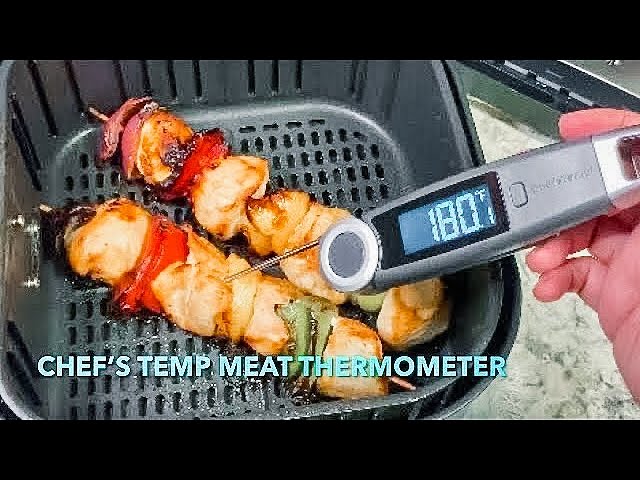
Instant-read thermometers are most common. You use them by opening the air fryer, piercing the meat, and checking the temperature. Leave-in probe thermometers are designed to stay in during cooking, but the air fryer’s fast-moving hot air can sometimes melt or damage the wire. Wireless smart thermometers are newer and built to handle high heat without wires. They are ideal if you want to check your meat during cooking.
Credit: www.youtube.com
How To Use A Meat Thermometer In An Air Fryer
- Preheat your air fryer if your recipe calls for it. This ensures even cooking.
- Place the meat inside the air fryer basket, arranging it so the thickest part is accessible.
- If using an instant-read thermometer, wait until the timer is almost finished. Open the air fryer, insert the thermometer in the thickest part of the meat (not touching bone), and check the reading.
- With a wireless probe, insert the probe before cooking. Monitor the temperature using your app or device as the meat cooks.
- For leave-in probes with wires, check your air fryer’s manual. Some manufacturers warn against using probes with wires because the fan and heat can damage them.
Tip: Always clean the thermometer after each use to avoid cross-contamination.
Common Mistakes When Using A Thermometer In An Air Fryer
Many beginners make errors that affect both the safety and taste of their food:
- Not inserting the probe deep enough: The thermometer should be in the center of the thickest part.
- Touching bone or pan: This gives a false high reading. Avoid bones and metal.
- Checking too early: Air fryers cook quickly, but opening too often lets heat escape and slows cooking.
- Using damaged probes: Wires can melt or break in the intense heat or fan. Always inspect your thermometer.
Real-world Example: Cooking Chicken Breast
Let’s say you want to cook a chicken breast in your air fryer. Set the air fryer to 380°F (193°C) for about 15 minutes. After 12 minutes, use your instant-read thermometer. Insert it into the thickest part, avoiding bone. If it reads 165°F (74°C), your chicken is safe to eat. If not, continue cooking and check every 2-3 minutes.
Air Fryer Vs Oven: Thermometer Use Comparison
Air fryers and ovens both benefit from thermometer use, but there are some differences:
| Feature | Air Fryer | Oven |
|---|---|---|
| Heat distribution | Fast, intense | Slower, more even |
| Probe wire risk | High, due to fan | Low, wires safe |
| Access | Basket can be tight | Easy, large cavity |
| Cooking speed | Quicker | Slower |
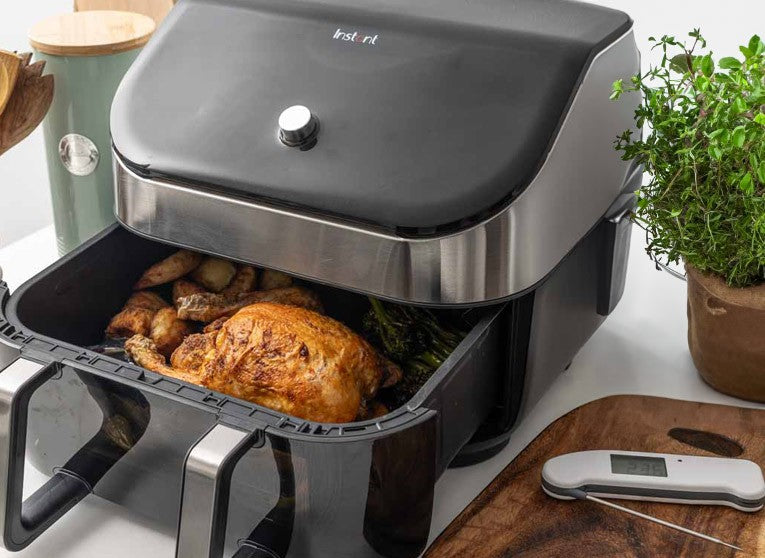
Air fryers are faster, but the space is tighter and the fan is strong. This means you need to be more careful with thermometer placement and probe types.
Credit: thermapen.co.uk
Practical Tips For Accurate Temperature Checking
- Let meat rest: After cooking, let your meat rest for 3-5 minutes. The temperature can rise a few degrees (carryover cooking), especially for thick cuts.
- Check multiple spots: For larger items (like whole chicken), check temperature in several places.
- Don’t rush readings: Wait for the thermometer to show a stable number.
- Keep the air fryer basket clean: Residue can affect heat and make it harder to insert the thermometer.
Choosing The Right Thermometer For Your Air Fryer
There are many thermometers on the market, but some are better for air fryers:
- Wireless smart thermometers (like Meater): No wires, can withstand high heat and fan.
- Short instant-read thermometers: Easier to use in small air fryer baskets.
- Digital leave-in probes: Only if your air fryer manufacturer says it’s safe.
Avoid long probes that can block the air fryer lid or basket, and avoid cheap analog models that are slow and less accurate.
You might find this helpful: Best Meat Thermometers for Grilling
Safety Concerns: Can Thermometers Damage Your Air Fryer?
Using the wrong thermometer can cause problems:
- Wire probes: The wire may melt, break, or get caught in the fan, damaging both the thermometer and your air fryer.
- Plastic handles: Some thermometers have plastic parts that can melt.
- Large probes: Can scratch the nonstick coating of the basket.
Check your air fryer manual for guidance. Most brands don’t recommend using wire probes unless they are rated for air fryers.
Cleaning And Maintenance
Always clean your meat thermometer after use. Use hot soapy water and dry well. If you use a leave-in or wireless probe, check for grease buildup. Keeping your thermometer clean prevents bacteria growth and ensures accurate readings.
Can You Leave A Thermometer In The Air Fryer During Cooking?
This depends on the thermometer type:
| Thermometer Type | Leave-in Allowed? | Risks |
|---|---|---|
| Wireless smart | Yes | Minimal |
| Wire probe | Sometimes | Wire damage, fan issues |
| Instant-read | No | Handle can melt |
| Dial analog | No | Slow response, not designed for air fryers |
Wireless models are safest, but always check product instructions and air fryer recommendations.
Non-obvious Insights For Beginners
- Carryover cooking: Meat continues to cook for a few minutes after removing from the air fryer. If your thermometer reads just below the safe temperature, let it rest and check again.
- Air fryer basket shape: Some baskets are deep, making it hard to insert a thermometer. Try rotating the meat or removing it briefly for easier access.
Expert Guidance: Best Practices
- Buy a thermometer rated for high heat and specifically for air fryers or grilling.
- Avoid opening the air fryer too often. Each time you open it, heat escapes and cooking slows.
- Practice with different meats. Chicken, fish, and beef all have different safe temperatures and textures.
When Should You Not Use A Meat Thermometer In An Air Fryer?
If your air fryer manual warns against using probes, follow the advice. Some baskets have coatings that can be damaged by repeated punctures. For small items (like fries or thin fish fillets), you may not need a thermometer. For larger cuts or whole birds, always check with a thermometer.
How Accurate Are Air Fryer Thermometers?
Most quality thermometers are accurate to within ±2°F (±1°C). Cheap thermometers may be less reliable. Digital models are usually more precise than analog ones. For best results, test your thermometer in boiling water (212°F/100°C) to see if it reads correctly.
Comparing Popular Thermometer Brands
Here’s a comparison of three well-known models:
| Brand | Type | Air Fryer Compatibility | Price Range |
|---|---|---|---|
| Meater | Wireless smart | Excellent | $70–$100 |
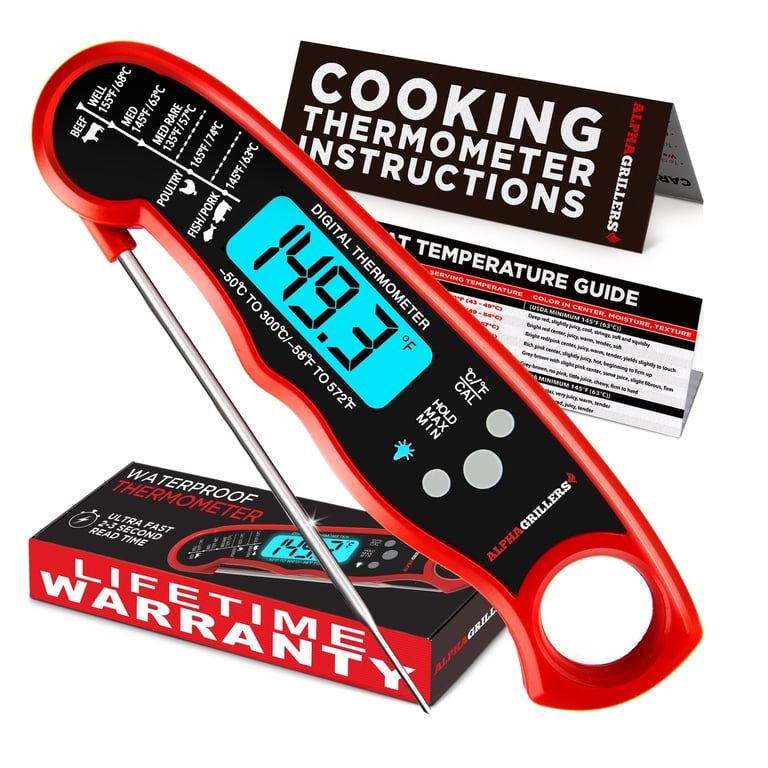
| ThermoPro | Instant-read | Good | $15–$40 |
| Weber | Leave-in probe | Fair | $30–$60 |
Choose based on your budget and how often you air fry meat.
Credit: www.walmart.com
Extra Tip: Using Your Thermometer For Other Foods
Thermometers aren’t just for meat. You can use them to check internal temperatures for baked goods, reheated leftovers, or even to test if your air fryer has reached the correct temperature before starting.
Trusted Resources
For more details on food safety and recommended temperatures, visit the USDA Food Safety and Inspection Service.
Frequently Asked Questions
Can Any Meat Thermometer Be Used In An Air Fryer?
Not all thermometers are safe for air fryers. Instant-read and wireless smart thermometers are best. Avoid wire probe thermometers unless the manufacturer says they’re safe.
Is It Necessary To Check Meat Temperature In An Air Fryer?
Yes. Air fryers cook quickly, and the outside can look done while the inside is still raw. Checking temperature ensures safe eating.
Can A Thermometer Damage My Air Fryer?
Wire probes or thermometers with plastic handles can melt or break, damaging your air fryer. Always check compatibility.
How Do I Know If My Thermometer Is Accurate?
Test your thermometer in boiling water (212°F/100°C). If it reads close to this, it’s accurate. Cheap thermometers may be less reliable.
What Is The Best Thermometer For Air Fryers?
Wireless smart thermometers are the best choice for air fryers. They resist high heat and don’t have wires that can be damaged by the fan.
Cooking safely in your air fryer is easy with the right thermometer. Choose a model that fits your air fryer, use it correctly, and you’ll enjoy delicious, perfectly cooked meals every time.