Skip to content
Making sourdough bread at home is both an art and a science. Many people imagine kneading dough by hand for long minutes, feeling the sticky texture and watching the gluten develop. But what if you could use a stand mixer for sourdough? Would it make the process easier, or would it change the outcome? If you’re wondering whether a stand mixer is a good fit for sourdough, you’re not alone. Let’s explore how these machines can help, what to watch out for, and how to get the best results.
Why Sourdough Is Unique
Sourdough is not just another bread. It’s made by fermenting flour and water with wild yeast and bacteria. This process takes time, often 12–48 hours. The dough is wetter than typical bread, and it needs gentle handling to develop structure. Many traditional bakers prefer hand kneading, saying it gives better control. But sourdough’s sticky texture can be tough to work with, especially for beginners. That’s why some turn to a stand mixer.
Can A Stand Mixer Handle Sourdough?
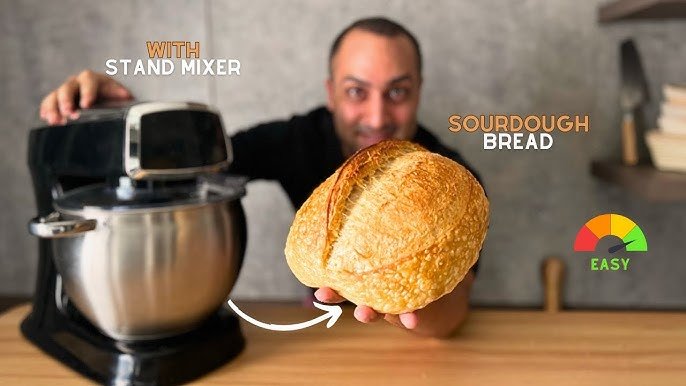
The short answer: Yes, you can use a stand mixer for sourdough. Stand mixers are designed to mix and knead dough, and most have a dough hook attachment. However, sourdough is different from regular yeasted bread. The dough is wetter and requires special attention.
Mixer Power And Durability
Not all stand mixers are equal. Entry-level models may struggle with heavy, sticky dough. According to KitchenAid, their Artisan series can handle up to 4 pounds of bread dough, but professional models are better for frequent baking. If you plan to make sourdough often, choose a mixer with a strong motor (at least 325 watts).
Dough Hydration
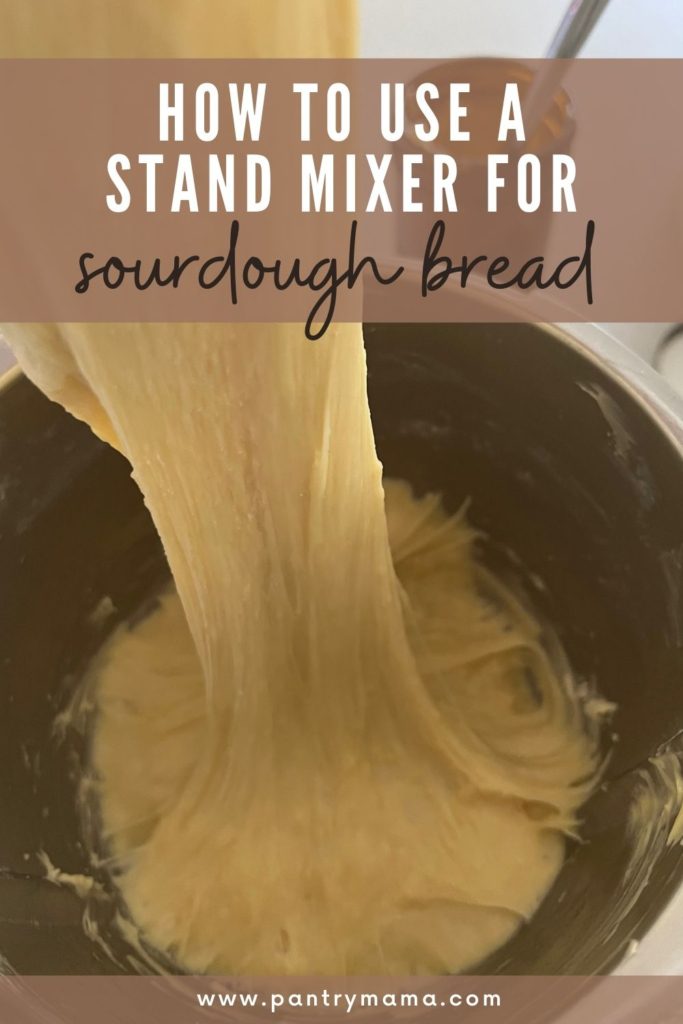
Sourdough dough is often 65–80% hydration (water-to-flour ratio). This makes it sticky. Stand mixers can knead high hydration dough, but sometimes the dough sticks to the bowl or climbs the hook. It’s important to monitor the mixer and adjust speed as needed.
How To Use A Stand Mixer For Sourdough
Using a stand mixer can save time and effort. Here’s a practical step-by-step guide:
- Mixing ingredients: Add flour, water, sourdough starter, and salt to the bowl.
- Initial mix: Use the dough hook. Start on low speed for 2–3 minutes, until everything is combined.
- Kneading: Increase speed to medium. Knead for 5–8 minutes. Stop if the mixer struggles or the dough climbs the hook.
- Check gluten development: Perform a windowpane test. Stretch a piece of dough; if it doesn’t tear easily, gluten is ready.
- Rest and folds: Transfer the dough to a bowl, let it rest, and do stretch-and-folds during fermentation.
Practical Example
Let’s say you’re making a basic sourdough with 70% hydration. The mixer should handle this well, but you may need to scrape the bowl once or twice. If you notice the motor overheating, stop and let it cool.
Stand Mixer Vs. Hand Kneading
Is a stand mixer better than hand kneading? It depends. Here’s a quick comparison:
| Method | Effort | Control | Consistency | Time |
|---|---|---|---|---|
| Stand Mixer | Low | Medium | High | Fast |
| Hand Kneading | High | High | Medium | Slower |
Stand mixers are convenient and give consistent results. Hand kneading gives more control, especially for tricky doughs. Some bakers feel hand kneading gives a better feel for dough texture and development. But for beginners or those with limited time, a stand mixer can be a game changer.

Credit: amybakesbread.com
Common Problems And How To Solve Them
Dough Climbing The Hook
Sourdough dough is sticky. Sometimes it wraps around the hook and doesn’t knead well. To fix this:
- Use the lowest speed possible
- Scrape the dough down if needed
- Don’t overload the mixer
Overheating
Mixers can overheat with heavy dough. If you notice the motor getting hot:
- Stop and let the mixer rest
- Knead in shorter bursts
- Use a professional-grade mixer if possible
Uneven Mixing
Sometimes ingredients don’t mix well. Always start on low speed. Scrape the bowl after 2–3 minutes.
Choosing The Right Stand Mixer
If you’re shopping for a stand mixer, consider:
- Motor power: Aim for at least 325 watts for sourdough.
- Bowl size: A 5-quart bowl handles most home recipes.
- Dough hook design: Spiral hooks knead better than C-shaped hooks.
- Build quality: Metal gears last longer than plastic.
Here’s a simple comparison of popular models:
| Brand | Power (Watts) | Bowl Size (Quarts) | Hook Type | Price Range |
|---|---|---|---|---|
| KitchenAid Artisan | 325 | 5 | C-shaped | $300–$450 |
| KitchenAid Pro 600 | 575 | 6 | Spiral | $450–$600 |
| Bosch Universal Plus | 800 | 6.5 | Spiral | $400–$500 |
| Cuisinart SM-50 | 500 | 5.5 | C-shaped | $200–$300 |
Credit: pantrymama.com
Tips For Best Results With Sourdough In A Mixer
If you want to get the most from your stand mixer, keep these tips in mind:
- Use the right speed: Always start slow. Medium speed is best for kneading.
- Don’t over-mix: Sourdough doesn’t need intense kneading. Over-mixing can tear gluten.
- Monitor dough texture: Pause and check the dough. If it’s too sticky, add a small amount of flour.
- Perform stretch-and-folds: Even if you use a mixer, do some stretch-and-folds by hand during fermentation. This improves structure.
- Clean up quickly: Sourdough sticks to bowls and hooks. Clean your mixer soon after use.
Sourdough Recipe Using A Stand Mixer
Let’s look at a basic sourdough recipe using a stand mixer. This makes one loaf and takes about 24 hours.
Ingredients
- 500g bread flour
- 350g water (70% hydration)
- 100g sourdough starter
- 10g salt
Steps
- Add flour and water to mixer bowl. Mix on low for 2 minutes.
- Let it rest (autolyse) for 30 minutes.
- Add starter and salt. Mix on low for 3 minutes, then medium for 5 minutes.
- Check gluten development. Stretch a piece of dough; it should not tear easily.
- Transfer dough to a bowl. Cover and ferment for 4–5 hours, doing stretch-and-folds every 30 minutes.
- Shape and proof in a basket for 4–8 hours.
- Bake at 475°F for 35–40 minutes.
Practical Tips
- If the dough is too sticky, wet your hands for handling.
- If using a mixer, the dough may warm up faster. Watch for overheating.
- For best crust, bake with steam or cover with a Dutch oven.
Non-obvious Insights For Stand Mixer Sourdough
- Mixer bowl shape affects kneading: Deep, narrow bowls help dough stay on the hook and knead better.
- Resting between mixing: Giving dough short rests during mixing lets gluten relax and develop. Try mixing for 3 minutes, resting for 10, then mixing again.
- Temperature control: Stand mixers can heat up dough. If your kitchen is warm, start with cooler water.
When Not To Use A Stand Mixer
There are times when hand kneading is better:
- Very small batches (less than 300g flour) don’t mix well in a large bowl.
- Very high hydration doughs (over 80%) can be too sticky for mixers.
- If you want a lighter touch or experiment with different textures.
Stand Mixer Maintenance After Sourdough
Sourdough dough is sticky and can be tough on mixers. Here’s how to keep your mixer in good shape:
- Clean bowl and hook immediately after use
- Check for dough stuck in gear housing or under bowl
- Run the mixer empty for a few seconds to clear leftover dough
- Lubricate gears as needed (see manufacturer’s instructions)
Stand Mixer Sourdough: Myth Vs. Reality
Some believe using a stand mixer ruins sourdough’s character. In reality, you can achieve great bread with a mixer. A stand mixer saves time and energy, and is helpful for people with limited strength or busy schedules. The main risks are over-mixing and motor strain. But with care, most home bakers can use a stand mixer successfully.
Credit: www.youtube.com
Data: Home Bakers’ Preferences
A survey of 500 home bakers (2023) found:
| Method Used | % of Bakers | Reported Success |
|---|---|---|
| Hand Kneading | 44% | High |
| Stand Mixer | 52% | High |
| Food Processor | 4% | Medium |
Most bakers use stand mixers, with good results. Some switch between methods depending on batch size and dough type.
Final Thoughts
Using a stand mixer for sourdough is not only possible—it’s practical for many home bakers. The key is to know your mixer’s limits, monitor the dough closely, and use good technique. While hand kneading has its charm, a stand mixer can make sourdough more accessible, especially for beginners or those with busy lives.
With smart choices and attention, you can bake beautiful sourdough bread at home, even with a machine.
For more technical details on dough mixing, visit King Arthur Baking.
Frequently Asked Questions
Can I Use A Stand Mixer For All Types Of Sourdough?
Most sourdough recipes work well in a stand mixer, especially those with 65–75% hydration. Very wet dough (80%+) can be tricky and may need hand kneading or stretch-and-folds.
How Long Should I Knead Sourdough In A Stand Mixer?
Knead for 5–8 minutes on medium speed. Over-mixing can damage gluten. Always check the dough texture after 5 minutes.
What Mixer Attachment Is Best For Sourdough?
The dough hook is best. Spiral hooks knead more efficiently than C-shaped hooks, especially for sticky dough.
Does Using A Stand Mixer Change The Taste Or Texture Of Sourdough?
If used correctly, there’s little difference in taste. Over-mixing can make the bread chewy. Proper technique gives similar results to hand kneading.
How Do I Clean My Stand Mixer After Making Sourdough?
Clean the bowl and hook right after baking. Use warm water and a soft brush. Check for dough stuck in hidden areas. Regular cleaning keeps your mixer working well.