Skip to content
Can You Use Bottled Water In An Ice Maker
Ice makers make life easier, especially when you need cold drinks fast. Many people wonder if using bottled water in their ice maker is a good idea. Is it better than tap water? Will it harm your machine? Does it change the taste or quality of the ice? If you’re unsure, you’re not alone. This guide will explain everything about using bottled water in ice makers, from safety and taste to practical concerns. Whether you want cleaner ice, avoid hard water stains, or simply want to understand the pros and cons, you’ll find clear answers here.
How Ice Makers Work
Ice makers are found in many homes, hotels, and offices. Most models use a simple process: water is poured into a reservoir, then cooled to freeze into cubes. Some units connect directly to plumbing, while others need you to add water manually.
Inside the ice maker, a cooling plate or coil chills the water. As the water freezes, a sensor detects when cubes are ready. The machine then releases the cubes into a tray. Regular ice makers need a steady water supply, and the quality of that water affects the ice.
Water Source Matters
The water source can be tap water, filtered water, or bottled water. Each has different levels of minerals, chemicals, and purity. These differences affect the taste, clarity, and hardness of the ice cubes. In areas with hard water, minerals can leave stains or affect ice quality. That’s why many people consider alternatives like bottled water.
Bottled Water Vs Tap Water For Ice Makers
Is bottled water really better for your ice maker? Let’s compare the key differences.
| Feature | Bottled Water | Tap Water |
|---|---|---|
| Purity | Usually filtered and free from impurities | May contain chlorine, minerals, or contaminants |
| Taste | Milder, often tastes cleaner | Varies depending on local supply |
| Mineral Content | Low (except mineral water) | Can be high, especially in hard water areas |
| Cost | More expensive per gallon | Usually very cheap |
| Convenience | Requires manual filling | Automatic in plumbed machines |
| Clarity of Ice | Often clearer | May appear cloudy |
Key Takeaway
If you want cleaner ice with less taste and odor, bottled water is a good option. However, it costs more and is less convenient for large amounts of ice. Tap water may be fine if your supply is clean and not too hard.
Credit: www.youtube.com
Is Bottled Water Safe For Ice Makers?
Bottled water is generally safe for ice makers. It’s often filtered and free from harmful bacteria, chlorine, and heavy metals. Most bottled water brands meet strict standards set by the FDA and EPA.
However, not all bottled water is the same. Some brands use mineral water with higher levels of calcium, magnesium, and other minerals. These can build up inside your ice maker over time, just like hard tap water.
Bottled Water Types
- Purified water: Best for ice makers. Low minerals, clear taste.
- Spring water: Usually safe, but may contain minerals.
- Mineral water: Contains extra minerals—may cause buildup.
- Distilled water: Pure, but lacks minerals. Sometimes too pure for sensors in certain ice makers.
Most home ice makers work well with purified or spring bottled water. If you use mineral water, clean your ice maker more often to prevent scaling.
Does Bottled Water Affect Ice Quality?
Using bottled water usually improves ice clarity and taste. Tap water can contain chlorine, which gives ice a chemical smell. Minerals in tap water can make ice cloudy or gritty.
Ice Clarity Comparison
Here’s a quick look at how different waters affect ice appearance:
| Water Type | Ice Clarity | Flavor |
|---|---|---|
| Bottled (Purified) | Very clear | Neutral, clean |
| Tap (Hard) | Cloudy | Mineral taste |
| Tap (Soft) | Clearer | Little taste |
| Mineral Water | Slightly cloudy | Mineral flavor |
| Distilled Water | Very clear | Bland |
Taste Differences
Bottled water ice is usually neutral and has no unpleasant flavor. If your tap water has strong chlorine or mineral taste, you’ll notice a big improvement with bottled water. Restaurants often use filtered water for ice to avoid negative flavors.

Credit: www.amazon.com
Practical Pros And Cons
Using bottled water in your ice maker has benefits and drawbacks. Here’s what to consider:
Pros
- Cleaner ice: Fewer impurities mean clearer, tastier cubes.
- Better for sensitive users: If you have allergies or dislike tap water taste.
- Less maintenance: Purified water causes less scaling and fewer stains.
- Consistent quality: Bottled water is the same every time.
Cons
- Higher cost: Bottled water is expensive, especially for frequent use.
- Manual refilling: Most bottled water use means filling the reservoir by hand.
- Waste: Extra plastic bottles if not using large containers.
- Sensor issues: Some machines struggle with distilled water due to lack of minerals.
Real-life Example
A hotel in New York switched to bottled water for its lobby ice maker. Guests praised the ice’s clarity and taste, but management found the cost nearly tripled compared to tap water. Staff also had to refill the reservoir several times a day.
Common Mistakes When Using Bottled Water
Some beginners make mistakes when switching to bottled water. Here are a few to avoid:
- Using distilled water only: Some ice makers need minerals to detect water levels. Distilled water may cause sensors to fail, stopping ice production.
- Choosing mineral water: High mineral content may cause scaling inside your ice maker. Stick to purified or spring bottled water.
- Ignoring cleaning: Bottled water reduces buildup, but you still need to clean the machine regularly.
- Overfilling the reservoir: Only fill to the recommended line. Too much water can spill and damage electronics.
- Mixing water types: Switching between tap and bottled water can confuse sensors or cause taste changes.
Cost Comparison
If you use bottled water daily, costs add up fast. Let’s compare typical prices:
| Water Source | Cost per Gallon | Annual Cost (1 gal/day) |
|---|---|---|
| Tap Water | $0.01–$0.05 | $3.65–$18.25 |
| Bottled Water (1L bottles) | $1.50–$2.00 | $547–$730 |
| Bottled Water (5 gal jugs) | $1.00–$1.25 | $365–$456 |
| Filtered Water | $0.10–$0.25 | $36.50–$91.25 |
Insight: Bulk Bottled Water
Buying large jugs is cheaper than single bottles. If you want bottled water for your ice maker, use 5-gallon containers to reduce costs and plastic waste.
Environmental Impact
Using bottled water increases plastic waste unless you recycle or use large containers. Tap water is much greener, especially if your supply is safe and clean. Some ice makers work with filtered tap water, which is a good balance between quality and sustainability.
Reducing Waste
- Use reusable bottles or water jugs.
- Recycle plastic bottles after use.
- Consider a home water filter to upgrade tap water quality.

Credit: www.bobvila.com
How To Use Bottled Water In Your Ice Maker
If you decide to use bottled water, follow these steps:
- Choose the right water: Purified or spring bottled water is best.
- Fill the reservoir: Use a clean pitcher or pour directly from the bottle. Don’t overfill.
- Check for sensors: If your ice maker uses water sensors, avoid distilled water unless manual override is possible.
- Clean regularly: Even with bottled water, clean the ice maker every 1–2 months.
- Monitor taste and clarity: If you notice changes, check water quality and machine cleanliness.
Extra Tip
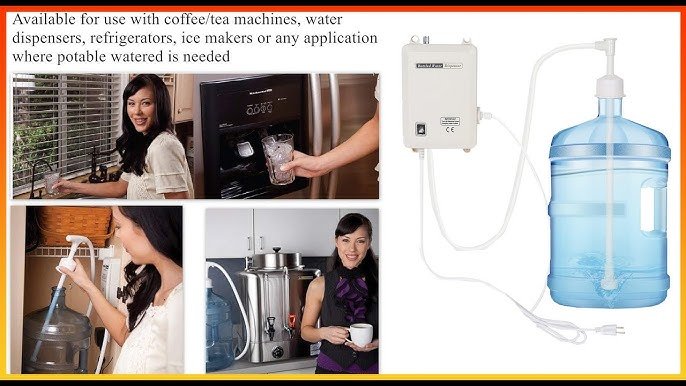
If your ice maker connects to plumbing, you may need a bypass kit or adapter to use bottled water. Most portable machines are easy to fill manually.
Alternatives To Bottled Water
If bottled water is too expensive or inconvenient, here are other ways to improve ice quality:
- Install a home water filter: Removes chlorine, minerals, and impurities.
- Use filtered pitchers: Cheap and easy for small amounts of ice.
- Reverse osmosis systems: Excellent purity, but higher setup cost.
- Softening systems: Reduce mineral content in hard water areas.
Many families use filtered tap water for ice makers, getting similar results to bottled water without high costs.
Expert Insights
Some ice maker manufacturers recommend using filtered or bottled water for their machines, especially in areas with hard water. However, they warn against using distilled water in models with electronic sensors. Always check your ice maker’s manual before switching water types.
A study by the National Sanitation Foundation found that ice from filtered or bottled water had fewer bacteria and contaminants than tap water ice. This makes bottled water a good choice for sensitive users or those with allergies.
Frequently Asked Questions
Can I Use Distilled Water In My Ice Maker?
Some ice makers need minerals to detect water levels. Distilled water is too pure for some sensors, causing ice production to stop. Check your machine’s manual before using distilled water.
Is Bottled Water Better Than Tap Water For Ice?
Bottled water is usually cleaner and makes clearer, tastier ice. However, it costs more and creates more waste. If your tap water is safe and not hard, it may work just as well.
Will Bottled Water Damage My Ice Maker?
Most bottled water is safe, but mineral water can cause scaling inside your machine. Use purified or spring bottled water for best results. Always clean your ice maker regularly.
How Often Should I Clean My Ice Maker If I Use Bottled Water?
Even with bottled water, clean your ice maker every 1–2 months. This prevents mold, bacteria, and mineral buildup.
Is There A Cheaper Alternative To Bottled Water For Ice Makers?
Yes. Home water filters or filtered pitchers can improve tap water quality and cost much less. They also reduce plastic waste.
Using bottled water in your ice maker can give you cleaner, clearer, and better-tasting ice. However, it costs more and is less convenient than tap water, especially for large amounts. If you live in an area with hard or bad-tasting tap water, bottled water may be a smart choice. For most people, a good home water filter offers similar benefits at a lower cost. Always check your ice maker’s manual for water recommendations, and clean your machine often. For more about water quality standards, visit EPA Drinking Water Standards.
With the right water and regular care, your ice maker will deliver perfect cubes every time.