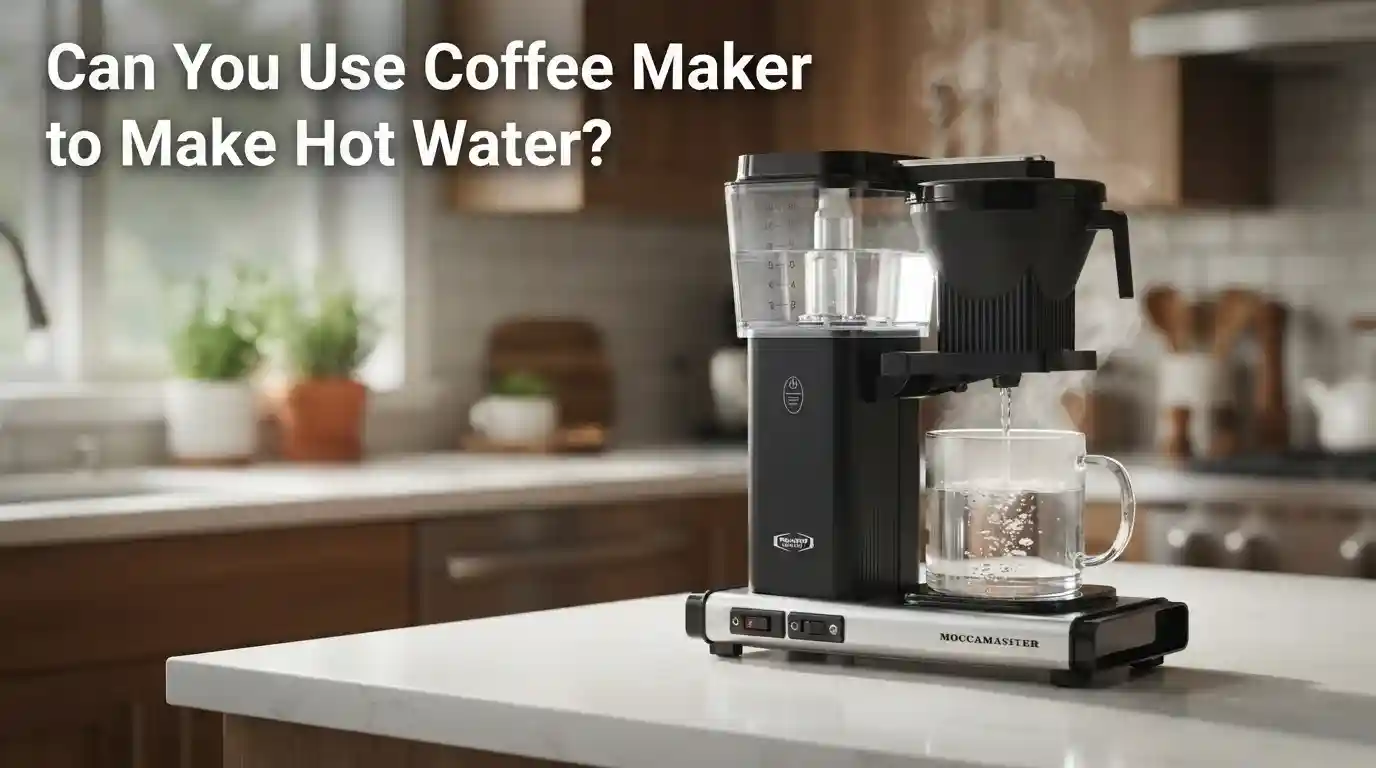
Can you use a coffee maker to make hot water? Short answer: yes, most of the time, but it depends on what kind of machine you own and what you plan to do with that water. If you’re standing in your kitchen staring at your drip coffee maker and wondering if it’ll work for your morning tea, the answer is probably yes, with a few important caveats.
Manufacturer specifications indicate that most drip coffee makers heat water to between 185°F and 205°F during a standard brew cycle. That’s below a full rolling boil (212°F at sea level), but it’s hot enough for most tea, instant foods, and even cleaning tasks. As of 2026, the majority of single-serve pod machines also offer a dedicated hot water function, though many owners simply don’t know about it.
Let’s walk through what works, what doesn’t, and how to do it safely.
Quick Answer
Yes, you can use a coffee maker to make hot water. Drip machines work by running water through an empty filter basket. Single-serve pod machines have a hot water button on some models.
Espresso machines with a steam wand can dispense hot water directly. Avoid using a machine that smells like old coffee. Run a flush cycle first if the machine is new or hasn’t been used recently.
What Kind of Coffee Maker Do You Have?
The answer changes based on your machine type. Let’s break it down.
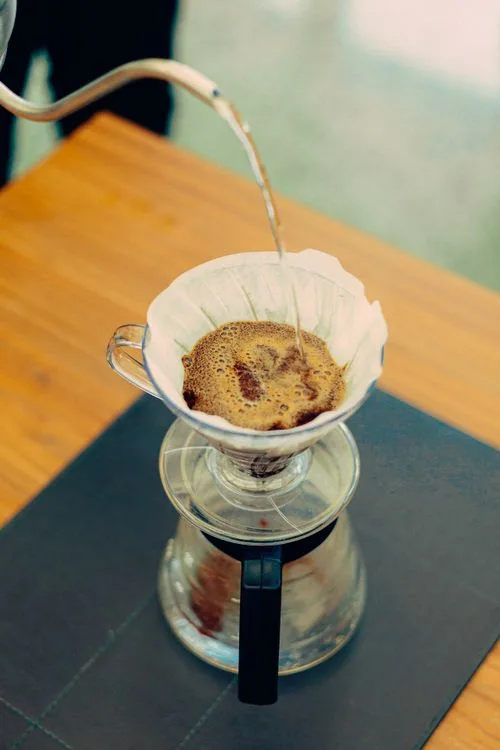
Drip coffee makers are the most straightforward. You fill the reservoir, remove the coffee grounds from the filter basket, and run a standard brew cycle. The water passes through the empty basket and into the carafe.
That’s it. Just make sure the carafe is clean and free of old coffee residue. If you’ve got a thermal carafe, even better, the water stays hot longer without a hot plate.
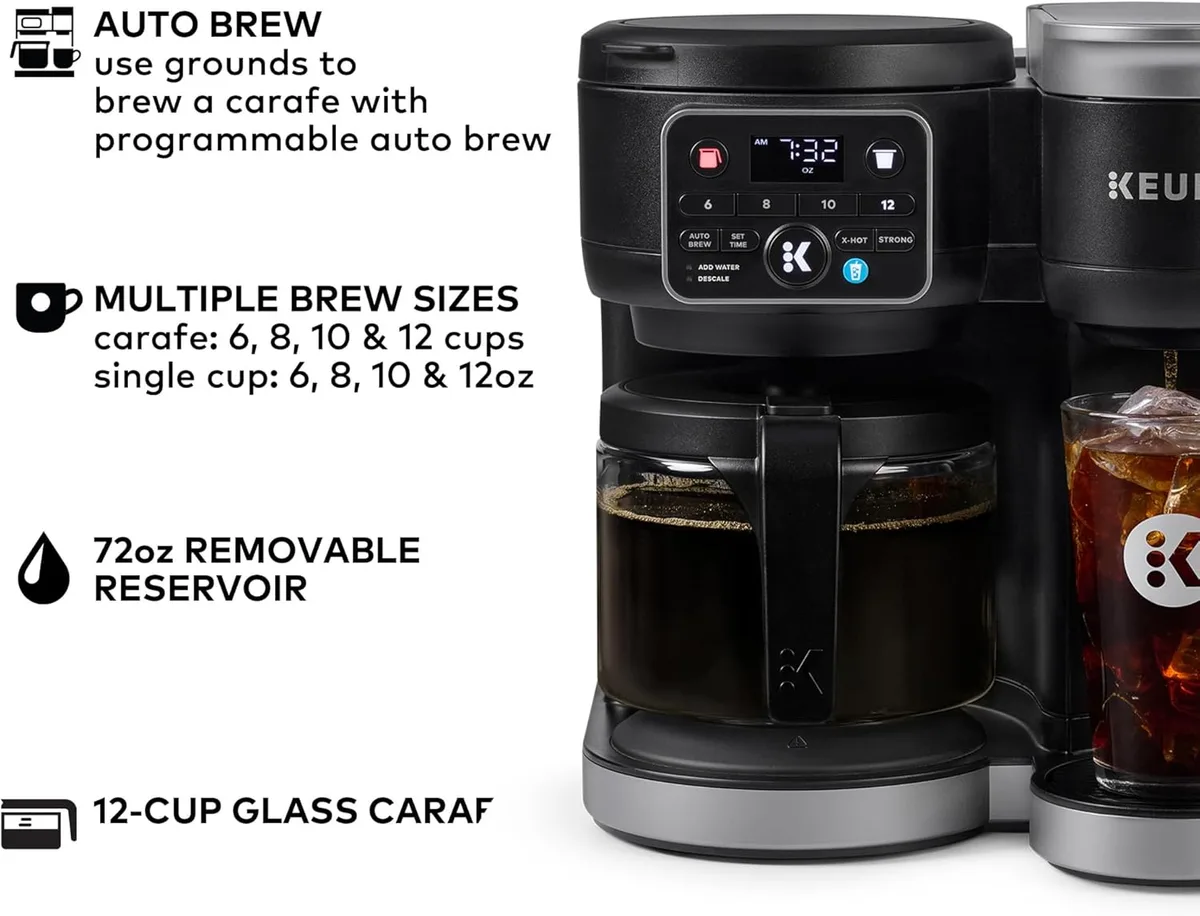
Single-serve pod machines like Keurig and Nespresso are a bit different. Many Keurig models have a dedicated hot water button. You press it, and the machine dispenses hot water without requiring a pod.
Nespresso Vertuo machines don’t always offer this feature, but the original line usually does. Check your user manual or look for a button with a water droplet icon. If your machine doesn’t have one, you can run a cycle with an empty pod holder, but the water might pick up coffee residue from the needle.
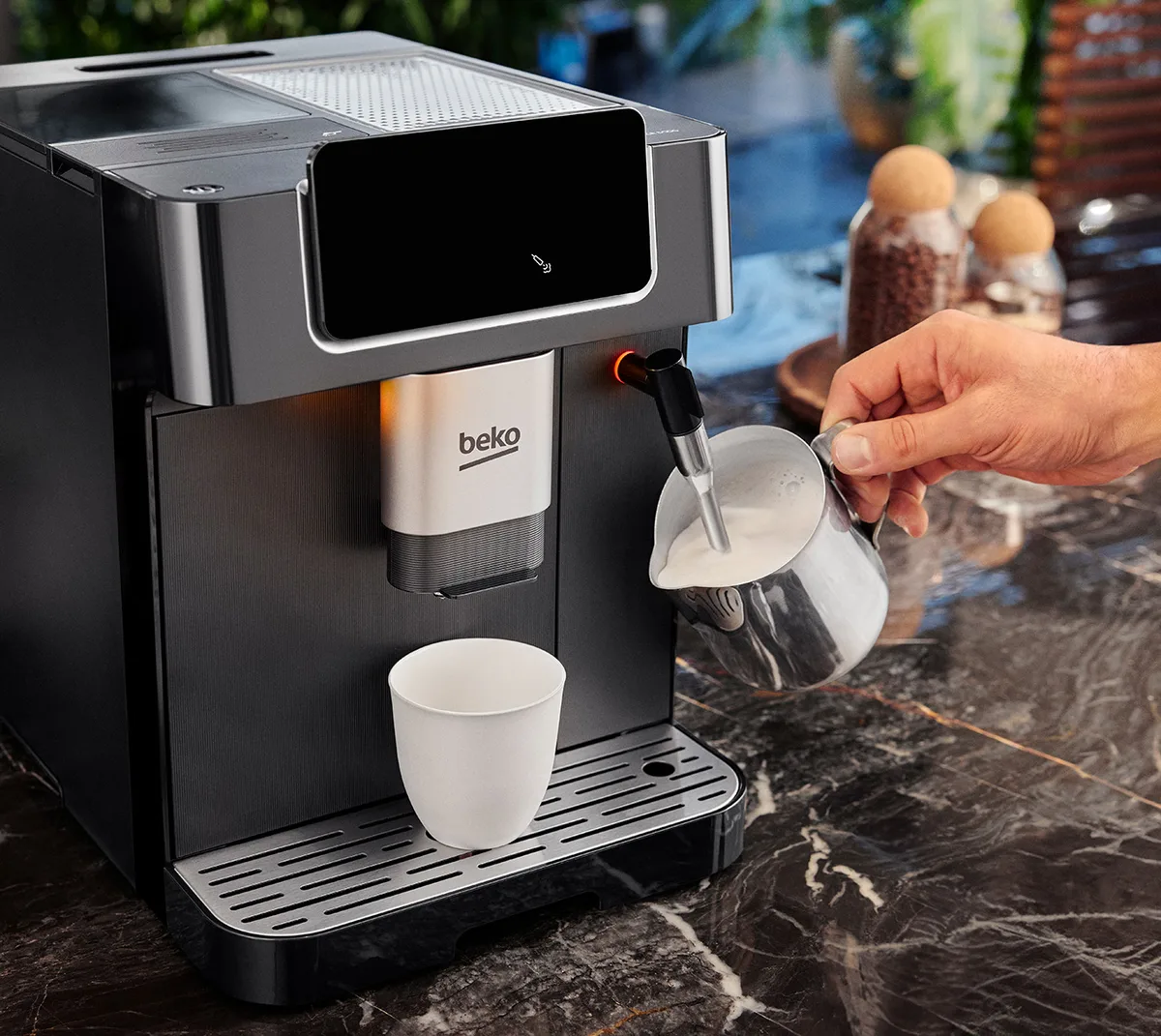
Espresso machines are the most versatile. If you have a machine with a steam wand, you can usually dispense hot water through the same wand by pulling the steam lever or pressing the hot water button. Some super-automatic machines have a separate hot water spout.
The water temperature on espresso machines is typically higher, often reaching 200°F to 212°F, which makes them better for true boiling water needs.
French presses and pour-over setups aren’t typically used to heat water, they rely on you providing hot water separately. But if you’re desperate, you can heat water in a stovetop kettle and use the French press carafe as a serving vessel. That’s a workaround, not a feature.
What Do You Need the Hot Water For?
This is where the decision tree really kicks in. Not all hot water is created equal, and your intended use changes whether a coffee maker is a good idea.
For tea, Most black teas need water around 200°F to 212°F. Green and white teas prefer cooler temperatures, around 170°F to 185°F. A drip coffee maker’s standard brew temperature (185°F to 205°F) is actually fine for most teas, though you don’t get precise control.
If you’re a tea purist, a variable-temperature kettle is better. But in a pinch, your drip machine works.
For instant foods, Ramen, oatmeal, instant coffee, hot cocoa. These need water hot enough to dissolve and hydrate, but not necessarily boiling. A coffee maker’s output is perfectly adequate.
Pour the hot water directly over the dry ingredients in a bowl or mug. Just be aware that the water won’t be at a full boil, so instant foods may take a little longer to rehydrate.
For cleaning, Hot water from a coffee maker is great for soaking dirty dishes, rinsing greasy pans, or loosening stuck-on food. The temperature is hot enough to help break down grease without being dangerous to handle. Plus, you can run a whole carafe full in one go.
This is one of the most practical uses for repurposing your coffee maker.
For baby formula, this is where extra caution matters. The CDC guidance on preparing powdered infant formula recommends using very hot water, around 158°F (70°C), to prepare powdered infant formula for babies under 2 months, those born prematurely, or those with weakened immune systems. Because a coffee maker may not reliably reach or maintain the required temperature, use a method recommended by your healthcare provider or formula manufacturer instead.
If your machine is older, has scale buildup, or doesn’t maintain temperature well, you could end up with water that’s too cool. Plus, coffee makers can harbor bacteria in the reservoir and internal tubing. For formula, use a dedicated kettle or bottle warmer.
Don’t risk it.
How to Actually Make Hot Water in Your Coffee Maker – Step by Step
Let’s get specific. Here’s how to do it for each machine type.
For Drip Machines
- Fill the reservoir with fresh, cold water. Don’t use hot water from the tap, it can contain sediment from your water heater.
- Remove the filter basket entirely or use a clean, empty filter. If your machine has a permanent filter, leave it in but make sure it’s clean.
- Place the carafe on the warming plate. Glass carafes are fine; thermal carafes work too.
- Start the brew cycle. The machine will heat the water and run it through the empty basket into the carafe.
- Discard the first batch if the machine is new or hasn’t been used in a while. This flushes out any stale water or manufacturing residue.
- Use the water immediately or keep it warm on the hot plate. Don’t let it sit for more than an hour, it can develop a flat taste.
For Single-Serve Pod Machines
- Check for a hot water button. On Keurig models, it’s usually a separate button with a water droplet icon. On some machines, you press the brew button without inserting a pod.
- Lift the handle and leave the pod compartment empty. Don’t insert a reusable pod either, those still have a coffee filter that can add flavor.
- Place a mug on the drip tray.
- Press the hot water button or the brew button. The machine will dispense hot water directly into your mug.
- Run a rinse cycle if the machine hasn’t been used for coffee recently. This clears any residual coffee oils from the needle and tubing.
For Espresso Machines with Steam Wand
- Fill the water tank with fresh cold water.
- Turn on the machine and wait for it to heat up, usually 30 seconds to 2 minutes depending on the model.
- Place a cup or pitcher under the steam wand.
- Open the steam valve or press the hot water button (if your machine has one). For machines without a dedicated water setting, the steam wand dispenses hot water at lower pressure when the steam button isn’t pressed.
- Collect the water until you have the amount you need. The water will be very hot, near boiling, so handle the cup carefully.
Common Mistakes That Ruin Your Water (or Your Machine)
A few things can go wrong. Here’s what to watch out for.
Skipping the flush cycle. If your coffee maker has been used for coffee, the internal tubing and filter basket will have coffee oils coating them. Running plain water through without a flush first will give you coffee-flavored hot water. Always run a full cycle of plain water and discard it before collecting water you intend to drink.
Using old or stale reservoir water. Water that’s been sitting in the tank for days can grow bacteria. Empty and refill the reservoir with fresh water each time you want hot water. Don’t just top off what’s left.
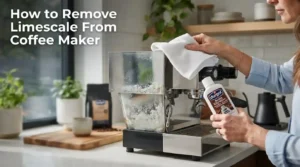
Forgetting to descale. Using your coffee maker for hot water more frequently accelerates mineral buildup. Hard water deposits accumulate faster because you’re running more cycles per week. Descaling every three months instead of every six is a good rule of thumb if you’re using the machine for hot water regularly.
Running the machine dry. This is a fast way to burn out the heating element. Always fill the reservoir before starting the cycle. If you hear sputtering or the machine stops mid-cycle, you’ve probably run out of water.
Using the wrong container. Don’t collect hot water in a plastic cup that isn’t heat-safe. Some plastics leach chemicals when exposed to high temperatures. Stick with ceramic, glass, or stainless steel.
Also, never use a metal container on a glass warming plate, it can cause thermal shock and crack the plate.
Ignoring odd tastes. If your hot water tastes metallic or plastic, your machine’s heating element or reservoir may be degrading. Some cheaper coffee makers use aluminum heating plates that can impart a metallic taste, especially when run without coffee grounds. If you notice this, stop using the machine for drinking water and stick to a kettle.
When You’re Better Off Just Using a Kettle (Decision Guide)
Sometimes your coffee maker just isn’t the right tool. Here’s how to decide.
Use the coffee maker when:
- You need a large volume of hot water (e.g., filling a teapot or soaking dishes).
- You’re already using the machine daily and want to save counter space.
- You need water hot, but not boiling, like for green tea or instant cocoa.
- You have a dedicated hot water button on your pod machine.
Switch to a kettle when:
- You need precise temperature control (delicate teas or pour-over coffee).
- You’re making baby formula, the risk of inconsistent heat or bacterial contamination is too high.
- Your coffee maker tastes metallic or plasticky when run empty.
- You’re making just one cup and don’t want to wait 5 minutes for a full carafe.
- You want water at a true rolling boil for pasta, eggs, or sterilizing.
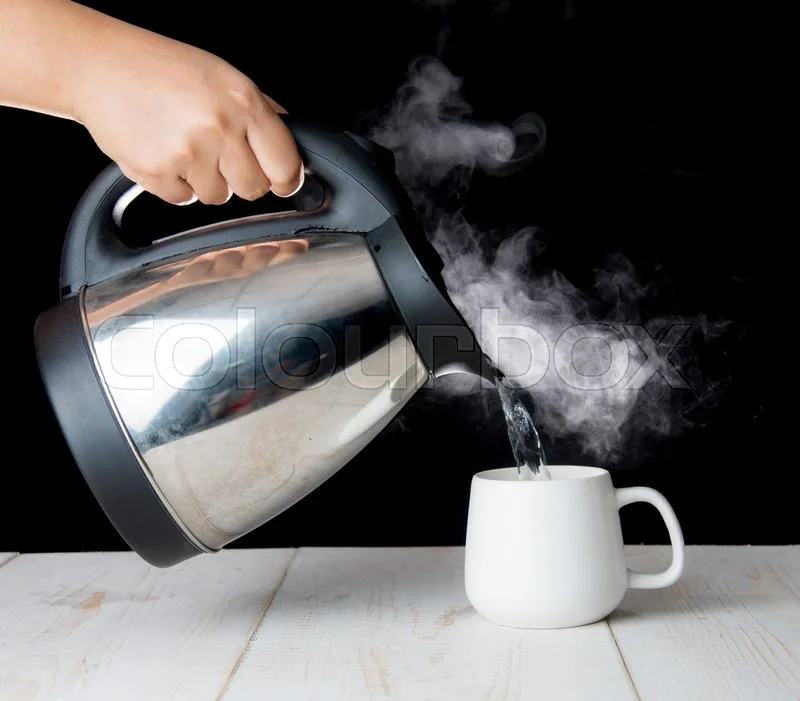
If you frequently need hot water for drinking or cooking, a basic electric kettle costs $20 to $40 and heats water in 2 to 4 minutes. That’s faster than any drip machine. For tea lovers, a variable-temperature kettle is worth the investment.
Our research shows that households with both a coffee maker and a kettle use the kettle about three times more often for hot water tasks.
On the other hand, if you’re boiling water for cleaning or rinsing, your coffee maker’s keep-warm function makes it a solid option. You can run a full carafe and have hot water available for over an hour. Just remember to descale more frequently if you use it this way daily.
Frequently Asked Questions
Can I use my Keurig to make hot water?
Yes, if your model has a dedicated hot water button. On most Keurig machines, you press that button and the machine dispenses hot water without a pod. If yours lacks the button, run a brew cycle with an empty pod holder and discard the first cup to flush out any coffee residue.
Will the hot water taste like coffee?
It might, especially if you skip a flush cycle. Coffee oils cling to the internal tubing and filter basket. Running a full cycle of plain water first and discarding it eliminates most of the flavor.
For perfectly neutral hot water, clean the machine thoroughly before switching to hot water duty.
Is it safe to use a coffee maker for hot water for baby formula?
We don’t recommend it. The CDC and the World Health Organization advise heating formula to at least 158°F to kill bacteria. Coffee makers can reach that temperature inconsistently, especially if scaled up.
Plus, bacteria can grow in the reservoir and internal tubing. A dedicated kettle or bottle warmer is safer.
How do I clean the coffee maker after using it for hot water?
Flush the system with a mixture of equal parts white vinegar and water, then run two full cycles of plain water. This removes mineral deposits and any off-tastes. After that, run one more plain water cycle to clear the vinegar.
Descaling every three months is ideal if you use the machine for hot water regularly.
Can a drip coffee maker boil water?
No. Most drip machines top out at around 205°F, which is below the 212°F boiling point at sea level. The water will be steaming hot but not boiling.
If you need a rolling boil for cooking or sterilizing, an electric kettle or stovetop pot is your only option.