Skip to content
Cooked rice is a staple food in many homes. It’s simple, filling, and works for many dishes. But if you cook rice often, you may face a common problem: leftover rice. Sometimes, you make too much. Other times, you want to meal prep for busy days. One solution that’s getting popular is vacuum sealing cooked rice. People want to know: can you vacuum seal cooked rice safely, and does it really work?
In this article, you’ll learn everything you need to know about vacuum sealing cooked rice. We’ll look at safety, shelf life, storage methods, practical tips, and even mistakes to avoid. If you’re curious about keeping rice fresh for days or weeks, or just want to make your kitchen more efficient, you’re in the right place.
By the end, you’ll know exactly how and when to vacuum seal cooked rice, and what results to expect.
Can You Vacuum Seal Cooked Rice?
Yes, you can vacuum seal cooked rice. This method lets you store rice for longer, reduce waste, and make meal prep easier. The vacuum sealing process removes air from the bag and seals it tightly. Without air, bacteria and mold grow much slower, helping keep rice safe and fresh.
Vacuum sealing doesn’t cook or preserve rice by itself. It’s a storage method, not a preservation method like freezing or canning. But, when combined with refrigeration or freezing, vacuum sealing can extend the life of cooked rice by several days or even months.
Why Vacuum Seal Cooked Rice?
- Longer shelf life: Rice stays fresh for up to a week in the fridge and several months in the freezer.
- Easy meal prep: Portion your rice for quick meals.
- Reduces food waste: Keeps leftovers from spoiling.
- Saves space: Vacuum-sealed bags stack neatly.
Vacuum sealing is especially useful for busy families, those who meal prep, or people who cook in batches. If you want rice ready anytime, vacuum sealing is an efficient solution.
How Vacuum Sealing Works
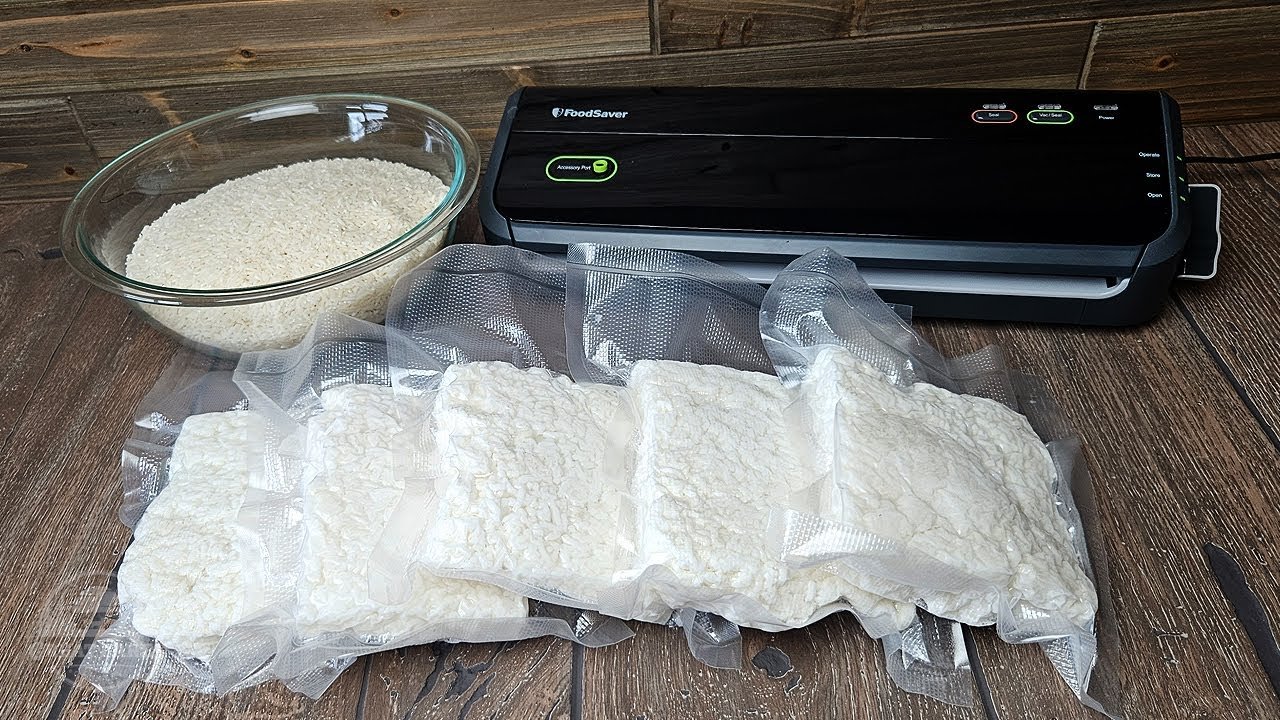
Vacuum sealing uses a special machine. You place your food in a plastic bag, and the machine sucks out the air and seals the bag. Here’s a step-by-step look at the process:
- Cool the rice: Hot rice can create steam, which leads to moisture and bacteria growth.
- Portion the rice: Divide into meal-size servings.
- Place rice in a vacuum bag: Use bags designed for vacuum sealing.
- Seal the bag: The machine removes air and seals the bag tightly.
Without air, bacteria and mold have less chance to grow. This keeps rice fresh longer. But, vacuum sealing isn’t magic. You still need to store the rice in the fridge or freezer for safety.
Vacuum Sealing Vs. Other Storage Methods
How does vacuum sealing compare to other ways of storing cooked rice? Here’s a simple table:
| Storage Method | Fridge Shelf Life | Freezer Shelf Life | Food Safety |
|---|---|---|---|
| Plastic container | 3–4 days | 1 month | Medium |
| Vacuum-sealed bag | 7 days | 6–12 months | High |
| Plastic wrap | 2–3 days | 1 month | Low |
As you can see, vacuum sealing gives the longest shelf life and best food safety.
Safety Considerations
Vacuum sealing cooked rice can keep it fresh, but you must follow safety rules. If done wrong, rice can spoil or even cause food poisoning.
Risks Of Storing Cooked Rice
Cooked rice is not just carbs. It can hold bacteria called Bacillus cereus. This bacteria survives cooking and can grow quickly at room temperature. If rice is left out or stored poorly, it can cause sickness.
How To Store Rice Safely
- Cool rice quickly: After cooking, spread rice on a tray to cool within 1 hour.
- Do not vacuum seal hot rice: Hot rice makes steam, which turns into moisture inside the bag.
- Refrigerate or freeze sealed bags immediately: Don’t leave them at room temperature.
- Label bags: Write the date and portion size.
Vacuum sealing does not replace proper refrigeration. Always store sealed rice in the fridge or freezer.
Common Mistakes
Many beginners make mistakes that lead to spoiled rice or even food poisoning:
- Sealing rice while hot: Steam creates moisture, which bacteria love.
- Overfilling bags: Rice should be flat and thin for quick freezing and easy reheating.
- Leaving bags at room temperature: Even sealed, rice can spoil if not cooled or frozen.
- Using poor-quality bags: Cheap bags can leak air and moisture.
If you follow these steps, vacuum-sealed rice is safe to eat.
Shelf Life: How Long Does Vacuum-sealed Cooked Rice Last?
Shelf life depends on where you store the rice. Let’s compare fridge and freezer storage.
| Storage Location | Vacuum-Sealed Shelf Life | Quality Notes |
|---|---|---|
| Refrigerator | Up to 7 days | Texture stays good, flavor unchanged |
| Freezer | 6–12 months | Some texture loss after 6 months |
| Room Temperature | Not safe | Risk of bacterial growth |
Fridge Storage
Vacuum-sealed cooked rice lasts about 7 days in the fridge. Compared to normal containers, this is almost double the shelf life.
Freezer Storage
In the freezer, vacuum-sealed rice can last 6–12 months. After 6 months, the texture may change, but it’s still safe to eat. Always check for freezer burn or strange smells before eating.
Signs Of Spoiled Rice
Even vacuum-sealed, rice can spoil if stored too long or improperly. Watch for:
- Sour smell
- Slimy texture
- Discoloration
If you notice any of these signs, throw the rice away.
Credit: www.youtube.com
Step-by-step Guide: How To Vacuum Seal Cooked Rice
Here’s a practical guide for beginners. If you’ve never vacuum-sealed cooked rice, follow these steps:
- Cook rice as usual. Use your favorite recipe or rice cooker.
- Spread rice to cool. Use a baking sheet or plate. Let rice cool to room temperature within 1 hour.
- Portion rice. Divide rice into servings (1–2 cups per bag is common).
- Fill vacuum bags. Use bags made for vacuum sealing. Avoid overfilling.
- Flatten rice in bag. Flat bags freeze and thaw faster.
- Seal bags with vacuum sealer. Follow your machine’s instructions.
- Label bags. Write the date and portion size.
- Store in fridge or freezer. Don’t leave at room temperature.
Pro Tips
- If rice is sticky, add a little oil before sealing for better separation.
- For flavored rice (fried rice, pilaf), vacuum sealing works just as well.
- To prevent clumping, freeze the bags flat. Stack them once frozen.
Reheating Vacuum-sealed Rice
Vacuum-sealed rice needs to be reheated safely. Here’s how you can do it:
Microwave Method
- Remove rice from the bag.
- Place rice in a microwave-safe bowl.
- Sprinkle a little water over the rice.
- Cover with a lid or wrap.
- Heat for 1–2 minutes, stirring halfway.
Stovetop Method
- Pour rice into a pan.
- Add a splash of water.
- Cover and heat on low for 5–7 minutes.
Steam Method
- Place rice in a steamer basket.
- Steam for 5–10 minutes.
Non-obvious Tip
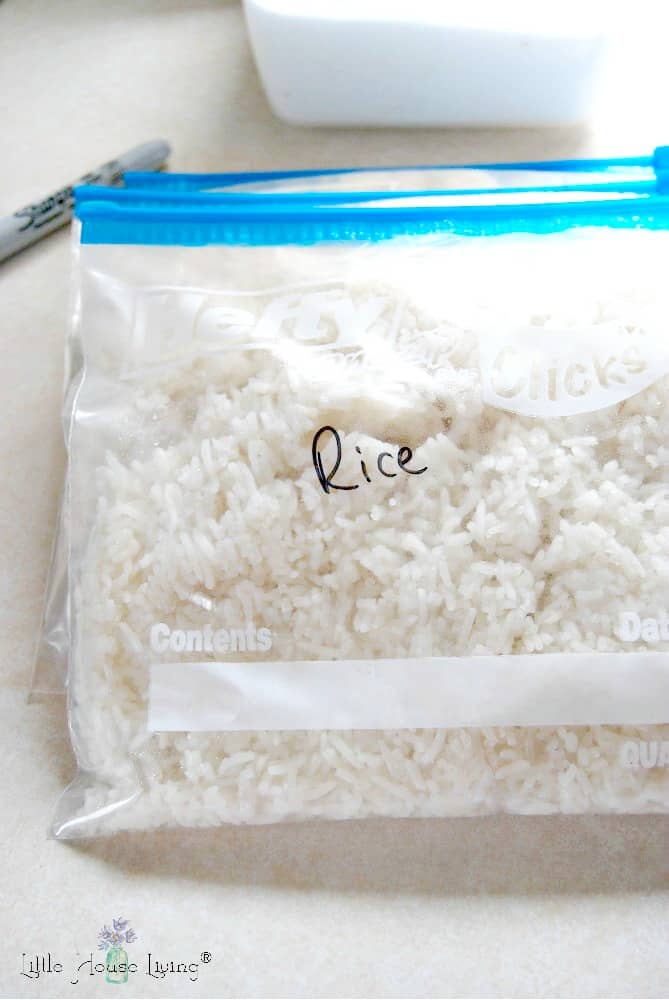
For best texture, thaw frozen rice in the fridge overnight before reheating. This prevents mushy rice and keeps flavor better.
Credit: www.littlehouseliving.com
Types Of Rice: Does Vacuum Sealing Work For All?
Vacuum sealing works for most types of cooked rice. Let’s compare some popular varieties:
| Rice Type | Vacuum Sealing Effectiveness | Texture After Storage |
|---|---|---|
| White rice | Excellent | Soft, stays separate |
| Brown rice | Very good | May become slightly chewy |
| Jasmine rice | Excellent | Fragrant, soft |
| Basmati rice | Good | Long grains stay separate |
| Sticky rice | Good | Clumps, but reheats well |
Flavored Rice And Add-ins
If your rice has vegetables, spices, or meat, vacuum sealing still works. Just make sure all ingredients are cooked and cooled before sealing. For fried rice, pilaf, or risotto, spread the mixture to cool quickly.
Non-obvious Insight
Rice with high moisture (like risotto or sushi rice) may lose texture faster in the freezer. If you plan to store for more than 3 months, stick to plain rice.
Equipment Needed
To vacuum seal cooked rice, you need a few tools:
- Vacuum sealer machine: Basic models start at $40. Advanced models can cost over $200.
- Vacuum-seal bags: Buy bags made for food storage. Avoid thin or cheap plastic.
- Marker: For labeling date and contents.
What Matters Most
- Bag quality: Thin bags tear easily. Choose thick, BPA-free bags.
- Machine power: A strong vacuum keeps air out better.
- Bag size: Use bags that fit your portions, not oversized.
Cost Comparison
Vacuum sealing does cost more than basic containers, but the savings from less food waste can pay off. If you cook rice often, the investment is worth it.
Practical Uses For Vacuum-sealed Cooked Rice
There are many ways to use vacuum-sealed cooked rice:
- Meal prep: Portion rice for weeknight dinners.
- Lunch boxes: Keep rice fresh for school or work meals.
- Emergency storage: Frozen, vacuum-sealed rice is ready for power outages or storms.
- Family gatherings: Prepare large batches in advance.
- Quick stir-fry: Reheat and add veggies for a fast meal.
Non-obvious Insight
Vacuum-sealed rice is also useful for camping or travel. Freeze and pack it, then reheat over a camp stove or microwave. No mess, no spoilage.
Mistakes To Avoid
Vacuum sealing rice is easy, but a few mistakes can ruin your effort:
- Ignoring cooling time: Sealing hot rice causes condensation.
- Skipping labeling: You forget which batch is oldest.
- Stacking bags before freezing: Bags may stick together and tear.
- Using bags not meant for vacuum sealing: These can leak air or moisture.
Expert Tip
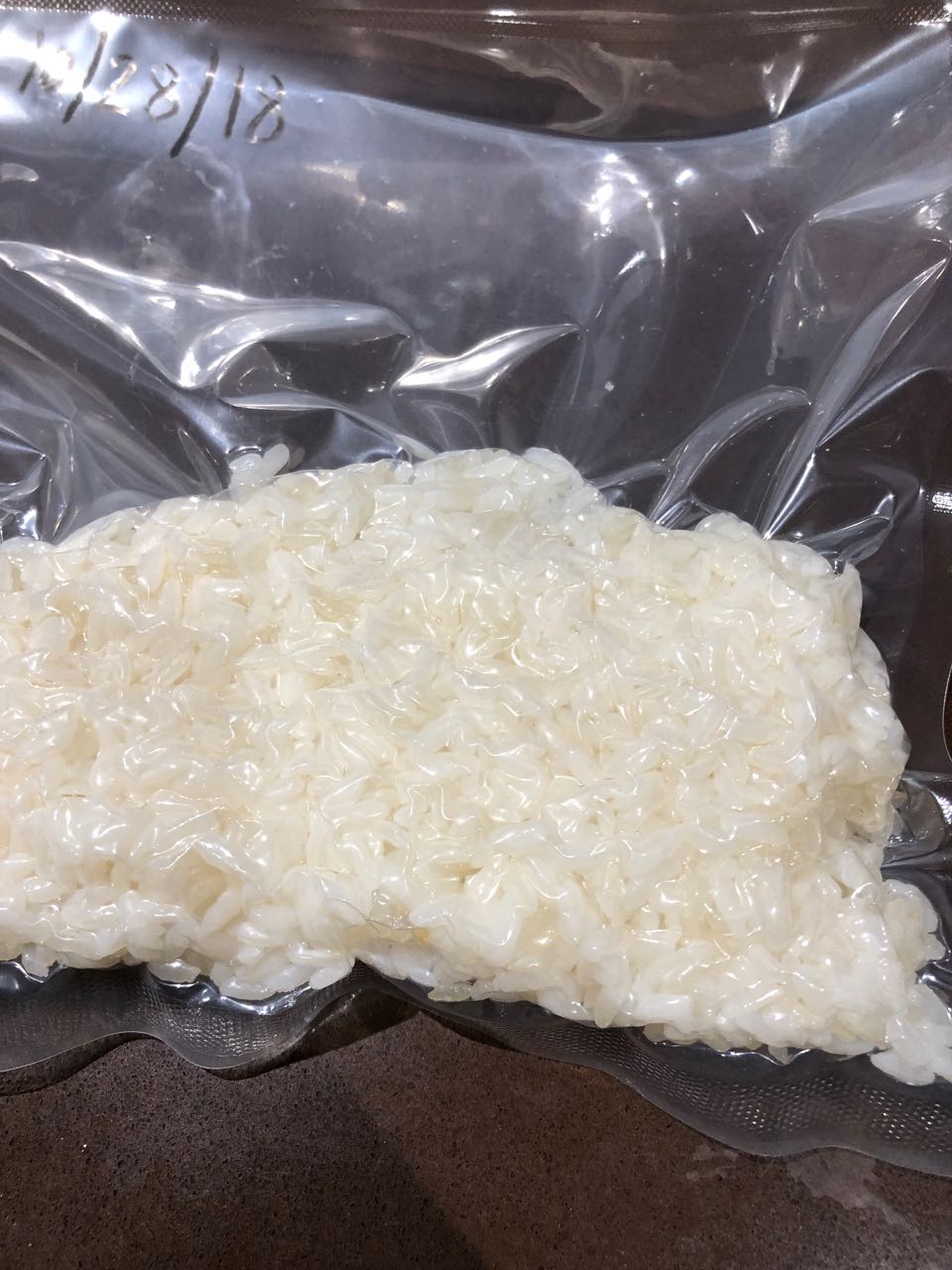
Always freeze rice bags flat, then stack them vertically once frozen. This saves space and makes it easy to grab one serving at a time.
Credit: easyfreeze.ninja
Nutritional Impact: Does Vacuum Sealing Change Rice?
Vacuum sealing does not change the nutrition in rice. Calories, carbs, and protein stay the same. However, after months in the freezer, vitamins may decrease slightly.
Texture And Flavor
Rice may become drier or lose some flavor after long storage. Adding a splash of water when reheating restores moisture.
Food Safety
Vacuum-sealed rice is safer from bacteria and mold, but always check for signs of spoilage before eating.
Comparing Vacuum Sealing With Other Preservation Methods
How does vacuum sealing cooked rice compare with other methods? Let’s look at freezing, canning, and dehydration.
Freezing
- Easy, common
- Rice stays safe for months
- Risk of freezer burn if not sealed well
Canning
- Not practical for cooked rice
- Risk of spoilage
- Needs special equipment
Dehydration
- Not suited for cooked rice
- Texture changes
- Needs rehydration before use
Vacuum sealing gives the best balance of shelf life, texture, and safety for cooked rice.
Sustainability And Waste Reduction
Vacuum sealing rice helps reduce food waste. You can store leftovers for later, instead of throwing them away. This saves money and lowers your environmental impact.
Eco-friendly Tips
- Reuse vacuum-seal bags if possible
- Buy BPA-free bags for safety
- Store rice in portion sizes to prevent overuse
Scientific Research And Data
Studies show vacuum sealing extends the shelf life of cooked foods. According to a report from the Food Safety and Inspection Service, vacuum-sealed foods last longer and are less likely to spoil. For more scientific details, you can read the article at USDA Food Safety.
Frequently Asked Questions
How Long Does Vacuum-sealed Cooked Rice Last In The Fridge?
Vacuum-sealed cooked rice lasts up to 7 days in the fridge. Always check for sour smell or slimy texture before eating.
Can You Vacuum Seal Flavored Rice Or Fried Rice?
Yes, you can vacuum seal flavored rice or fried rice. Make sure all ingredients are fully cooked and cooled before sealing.
Is Vacuum Sealing Cooked Rice Safe For Meal Prep?
Vacuum sealing is safe for meal prep if you cool rice quickly and store it in the fridge or freezer. Never leave vacuum-sealed rice at room temperature.
Can Vacuum-sealed Rice Be Reheated Directly In The Bag?
Most vacuum-seal bags are not microwave-safe. Remove rice from the bag and reheat in a bowl. If your bag says “microwave safe,” you can reheat directly.
What Is The Best Way To Thaw Vacuum-sealed Rice?
The best way is to thaw rice in the fridge overnight. This keeps texture and flavor better. If you’re short on time, thaw in the microwave with a splash of water.
Vacuum sealing cooked rice is a simple way to make your kitchen more efficient, save money, and reduce waste. With the right steps, you can keep rice fresh for days or even months. Whether you’re meal prepping, storing leftovers, or planning for emergencies, vacuum-sealed rice is a smart choice.
Always remember to cool rice quickly, seal it properly, and store in the fridge or freezer. With these tips, your rice will stay safe, tasty, and ready whenever you need it.