Keeping your chef knife in top shape is more than just a kitchen chore—it’s a skill that every cook should master. A well-maintained knife saves time, cuts better, and lasts longer. But many beginners don’t know where to start. If you’re new to cooking or just bought your first chef knife, this guide will show you simple, clear steps to care for your most important kitchen tool.
You’ll learn how to clean, sharpen, store, and protect your knife. With a little regular attention, your chef knife will stay sharp and safe, making every meal easier and more enjoyable.
Why Chef Knife Maintenance Matters
A chef knife is not just another utensil. It’s the heart of your kitchen. If you neglect it, you’ll quickly notice problems like dull blades, rust spots, or even broken handles. These issues can make cooking slow and unsafe. Dull knives require more force, which can lead to slips and cuts. Rust can weaken metal, and poor storage can damage the blade or handle.
According to a 2022 kitchen safety report, about 30% of home cooking injuries are linked to dull or poorly maintained knives. Caring for your knife helps prevent accidents and improves your cooking results.
How To Clean Your Chef Knife Correctly
Cleaning is the first step in chef knife maintenance. It seems simple, but many people make mistakes that damage their knives.
Hand Washing Is Best
Never put your chef knife in the dishwasher. The high heat and strong detergents can damage the blade and handle. Instead, wash your knife by hand:
- Use warm water and mild dish soap.
- Clean both sides of the blade with a soft sponge.
- Rinse well and dry immediately with a clean towel.
Leaving your knife wet can cause rust or stains. Always dry it right away.
Avoid Harsh Scrubbing
Don’t use steel wool or rough pads. These can scratch the blade and remove the protective coating. For tough stains, let the knife soak in soapy water for a few minutes, then wipe gently.
Cleaning Frequency
Wash your knife after every use. Even if it looks clean, food particles can stick to the blade and cause corrosion over time.
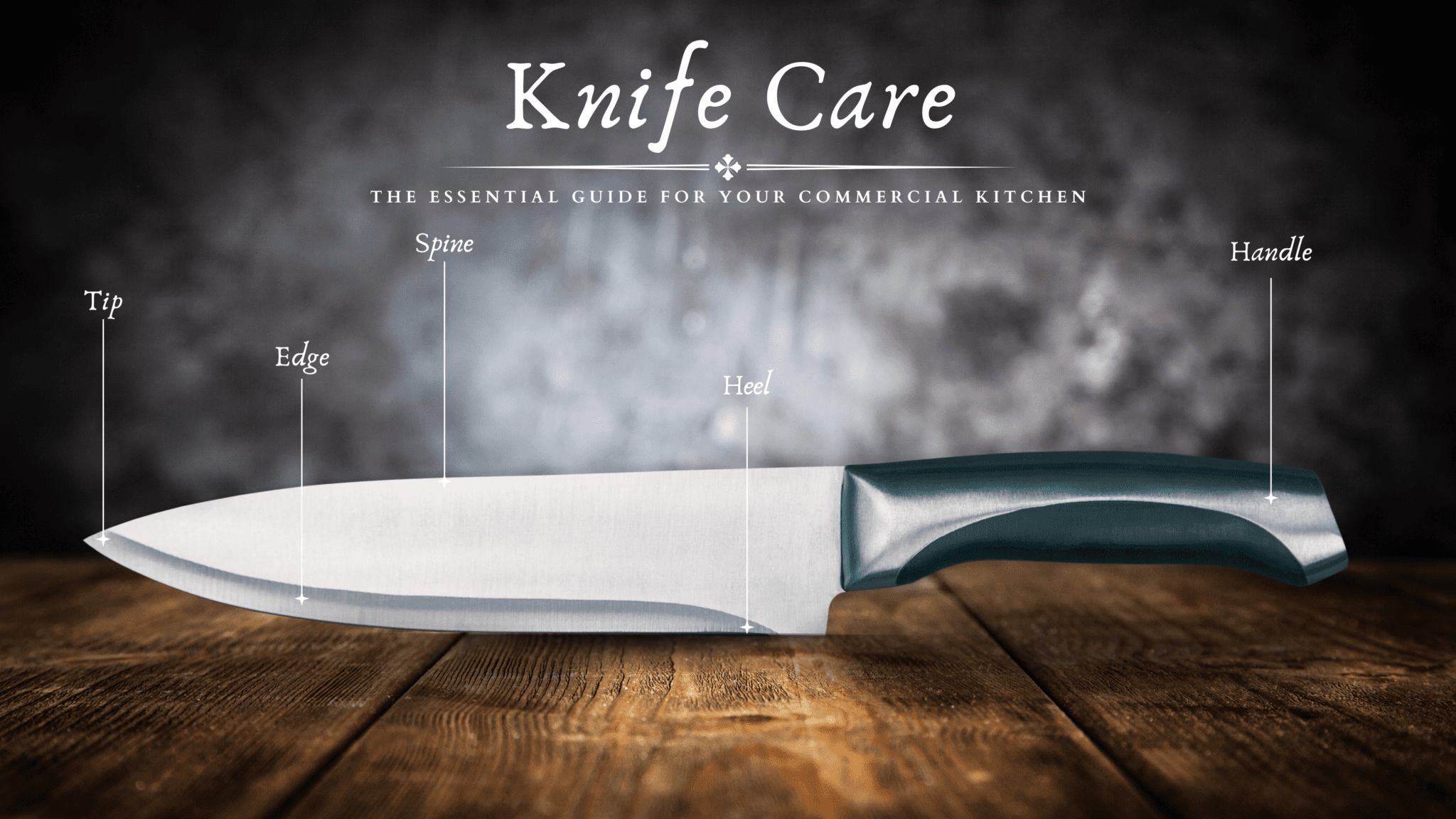
Credit: bsrequipment.com
Keeping Your Knife Sharp
A sharp chef knife is safer and more effective. But many beginners forget to sharpen their knives until they notice problems. Regular sharpening keeps your knife in great shape.
Honing Vs Sharpening
These two terms are often confused:
- Honing: Straightens the edge without removing metal. Use a honing rod every few uses.
- Sharpening: Removes metal to create a new edge. Use a sharpening stone or tool when the knife feels dull.
| Method | Purpose | Frequency |
|---|---|---|
| Honing rod | Realigns edge | Weekly |
| Sharpening stone | Reshapes edge | Monthly or as needed |
How To Use A Honing Rod
- Hold the rod vertically on a cutting board.
- Place the knife at a 20-degree angle against the rod.
- Draw the blade down and across, from heel to tip.
- Repeat 5-8 times on each side.
Sharpening With A Stone
- Soak the sharpening stone in water for 10 minutes.
- Hold the knife at a 20-degree angle.
- Slide the blade across the stone, applying gentle pressure.
- Repeat 5-10 times per side.
For beginners, a ceramic sharpening rod or pull-through sharpener can make the process easier. But stones give better results for high-quality knives.
Signs Your Knife Needs Sharpening
- The blade slips off food instead of cutting.
- You need more force to cut vegetables.
- Slicing tomatoes or onions feels difficult.
Most beginners miss the fact that a knife can feel “sharp” but still be misaligned. Honing fixes this, so don’t skip it.
Proper Knife Storage
Storing your knife the right way prevents damage and keeps you safe. Throwing it in a drawer is dangerous and dulls the blade.
Best Storage Options
| Storage Method | Protection Level | Ease of Access |
|---|---|---|
| Knife block | Excellent | High |
| Magnetic strip | Good | Very high |
| Blade guard | Good | Medium |
| Drawer tray | Average | Medium |
- Knife block: Keeps knives upright and protected.
- Magnetic strip: Saves counter space and displays knives.
- Blade guard: Covers the blade for safe drawer storage.
- Drawer tray: Holds knives separately, reducing blade contact.
Tips For Safe Storage
- Always store your knife dry and clean.
- Avoid letting blades touch each other.
- Use blade guards if storing in a drawer.
- Keep knives out of reach of children.
A common mistake is leaving knives loose in a drawer. This dulls the blade and risks injury.

Credit: www.reddit.com
Preventing Rust And Stains
Even stainless steel knives can rust if you don’t care for them properly. Water, acids, and salt are the main causes.
Simple Steps To Prevent Rust
- Dry your knife after every wash.
- Avoid cutting acidic foods (like lemons or tomatoes) and leaving the knife unwashed.
- Oil the blade lightly every few months with mineral oil.
Removing Stains
If you see a stain or spot, use a paste of baking soda and water. Rub gently, rinse, and dry.
Many beginners are surprised that even “stainless” knives can get rust spots. Stainless means resistant, not immune.
Handling And Using Your Knife Safely
Proper handling keeps your knife sharp and prevents accidents.
Cutting Surface Matters
Always use a wooden or plastic cutting board. Glass, stone, or metal boards dull the blade quickly.
| Board Material | Blade Safety | Durability |
|---|---|---|
| Wood | Excellent | High |
| Plastic | Good | Medium |
| Glass | Poor | High |
| Stone | Poor | High |
Safe Handling Tips
- Hold the knife by the handle, never the blade.
- Keep fingers away from the cutting edge.
- Use a stable cutting surface.
Avoid using your chef knife for tasks it’s not designed for—like opening cans or cutting bones. This can chip or bend the blade
You might find this helpful: What is a Chef Knife Used for
Periodic Deep Maintenance
Every few months, it’s good to give your chef knife extra care.
Deep Cleaning Steps
- Wash and dry the knife as usual.
- Apply a few drops of mineral oil to the blade and handle.
- Polish gently with a soft cloth.
- Inspect for chips or cracks. If you notice damage, consider professional repair.
Professional Sharpening
If your knife is very dull or damaged, a professional sharpening service can restore it. Some stores offer this for a small fee. It’s worth it for expensive knives.
Handle Care
Wooden handles need oiling to prevent drying and cracking. Use food-safe mineral oil. Plastic handles can be cleaned with soap and water.
Common Beginner Mistakes
Many beginners make errors that shorten their knife’s life.
- Using the knife on hard surfaces (like glass or stone).
- Washing in the dishwasher.
- Leaving knives wet or dirty.
- Storing without blade protection.
- Ignoring regular honing.
- Using the knife for jobs it’s not meant for.
One non-obvious insight: repeated micro-movements (like wiggling while slicing) cause tiny blade bends. Honing fixes these before they become a problem. Another insight: temperature changes (like moving a hot knife to cold water) can stress metal and cause cracks, especially in high-carbon steel knives.

Credit: www.opinel-usa.com
Choosing The Right Maintenance Tools
You don’t need expensive gear to keep your chef knife healthy. Here’s what matters:
- Honing rod: Essential for weekly maintenance.
- Sharpening stone: Good for monthly sharpening.
- Blade guard: Useful for safe storage.
- Mineral oil: Keeps blade and wooden handles in good condition.
Avoid cheap plastic sharpeners—they can wear down blades unevenly.
Chef Knife Maintenance Checklist
To help you remember, here’s a simple checklist:
- Wash and dry after every use.
- Store safely with blade protection.
- Hone weekly, sharpen monthly.
- Oil blade and handle every few months.
- Use proper cutting boards.
- Inspect for damage regularly.
Stick to this routine, and your chef knife will stay sharp and strong for years.
Frequently Asked Questions
How Often Should I Sharpen My Chef Knife?
For home cooks, sharpening once a month is usually enough. If you cook every day, sharpen every 2-3 weeks. Always hone your knife weekly to keep the edge aligned.
Can I Put My Chef Knife In The Dishwasher?
No. Dishwashers can damage both the blade and handle. Hand washing is safer and keeps your knife in better condition.
What’s The Best Way To Store A Chef Knife?
A knife block or magnetic strip works best. If you must store in a drawer, use a blade guard to protect the edge. Avoid letting knives touch each other.
Why Is My Stainless Steel Knife Rusting?
Stainless steel is resistant to rust, not immune. Moisture, acids, or salt can cause rust spots. Dry your knife immediately after washing, and oil it every few months.
Do I Need A Professional Sharpener?
Professional sharpening is helpful if your knife is very dull or damaged. For regular maintenance, a honing rod and sharpening stone are enough for most home cooks. You can learn more about knife maintenance from Serious Eats.
Taking care of your chef knife is simple once you know what to do. Good maintenance keeps your knife sharp, safe, and ready for any recipe. If you follow these tips, you’ll enjoy cooking more and get better results every time you step into the kitchen.
Your chef knife can become your most trusted tool—treat it well, and it will reward you with years of great performance.