Skip to content
Living with asthma can feel like running a race with weights tied to your ankles. Every breath matters, and even small changes in the air can trigger symptoms. Many people wonder if air purifiers can make a real difference for those with asthma. The idea sounds simple: cleaner air, easier breathing. But is it true? Let’s explore what the science says, how air purifiers work, and what you should consider if you want to use one for asthma relief.
How Air Purifiers Work
Air purifiers are devices designed to remove unwanted particles from indoor air. Most use a HEPA filter (High Efficiency Particulate Air) to trap dust, pollen, pet dander, and other allergens. Some models add extra layers, like activated carbon filters for odors or UV lights to kill germs.
Common Types Of Air Purifiers
- HEPA filter units: Capture 99.97% of particles down to 0.3 microns—very effective for dust and pollen.
- Activated carbon filters: Absorb gases, odors, and some chemicals.
- UV-C light purifiers: Kill bacteria and viruses, but are less common.
- Ionic or electrostatic purifiers: Use electrical charges to attract particles, but can sometimes release ozone, which can be harmful for asthma.
Not all air purifiers are created equal, and some can even make asthma worse if they produce ozone.
What Do Air Purifiers Remove?
Air purifiers target different things, including:
- Dust mites
- Pet dander
- Mold spores
- Pollen
- Tobacco smoke particles
- Volatile Organic Compounds (VOCs) from cleaning products or paint
However, not all devices remove gases or chemicals. It depends on the type of filter and purifier.
Asthma And Indoor Air Quality
For people with asthma, the air inside their home can be just as important as the air outside. In fact, the EPA (Environmental Protection Agency) notes that indoor air can be two to five times more polluted than outdoor air.
Common Indoor Asthma Triggers
- Dust mites: Tiny bugs living in bedding, carpets, and furniture.
- Pet dander: Skin flakes from cats, dogs, or other animals.
- Mold: Grows in damp places like bathrooms and kitchens.
- Smoke: From cigarettes, cooking, or burning candles.
- Strong odors or chemicals: Cleaning products, perfumes, or paint fumes.
These triggers can cause symptoms like coughing, wheezing, and shortness of breath.
Do Air Purifiers Really Help With Asthma?
The short answer is: air purifiers can help, but they are not a cure. They may reduce the amount of allergens and irritants in the air, which can lower the risk of asthma attacks. But they cannot replace proper asthma management or medical treatment.
What Does The Research Say?
Several studies show that air purifiers can reduce airborne allergens. For example:
- A 2018 review in the journal Allergy found that HEPA filters** can lower indoor particulate matter and improve symptoms for some asthma patients.
- A 2020 study published in Chest saw improved lung function** and less asthma symptoms in children when high-quality HEPA purifiers were used at home.
However, the benefits are usually small to moderate. Air purifiers work best as part of a wider asthma control plan, not as the only solution.
Why Results May Vary
Not everyone with asthma will notice a big change. Reasons include:
- Asthma triggers: If your main trigger is outdoor air or stress, a purifier might help less.
- Room size: A small purifier in a large room may not clean enough air.
- Location: Placing a purifier far from your bed or main living area reduces its effect.
- Other sources: If you smoke indoors or have lots of pets, one purifier may not be enough.
Comparing Air Purifier Features For Asthma
Choosing the right device is key. Here’s a comparison of common features you’ll see when shopping for air purifiers:
| Feature | Why It Matters | Best for Asthma? |
|---|---|---|
| HEPA Filter | Removes small particles like dust, pollen, dander | Yes |
| Activated Carbon | Absorbs odors, gases, VOCs | Yes, if chemical sensitivity |
| UV-C Light | Kills germs, bacteria | Optional |
| Ionic Purifier | Charges particles to stick to surfaces | No, may produce ozone |
| Ozone Generator | Removes odors but adds ozone | No, can worsen asthma |
What To Consider Before Buying An Air Purifier For Asthma
Buying an air purifier is not just about picking the most expensive model. Here’s what truly matters:
Room Size And Coverage
Check the Clean Air Delivery Rate (CADR). This number tells you how fast the purifier cleans air in a certain room size. The higher the CADR, the better for larger rooms.
Filter Type
Always choose a real HEPA filter for asthma. Avoid ozone-producing devices. If you are sensitive to smells or chemicals, add a purifier with activated carbon.
Noise Level
Some air purifiers are noisy, which can disturb sleep. Look for models with a “quiet” or “night” mode for bedrooms.
Maintenance Costs
Filters need replacing every 6–12 months. Check the price and availability of replacements before buying. Some brands have expensive filters, which can add up.
Placement
For best results, place the purifier near your bed or where you spend most time. Avoid putting it behind furniture or curtains, as this blocks airflow.
Practical Tips: Getting The Most From Your Air Purifier
An air purifier is only one part of asthma management. Here are tips to maximize its effect:
- Keep doors and windows closed in the room where the purifier is working.
- Run the purifier continuously, not just at night.
- Change filters on time or more often if you live in a dusty area.
- Vacuum and dust regularly so allergens don’t build up on surfaces.
- Control humidity to keep mold away—ideally, keep it below 50%.
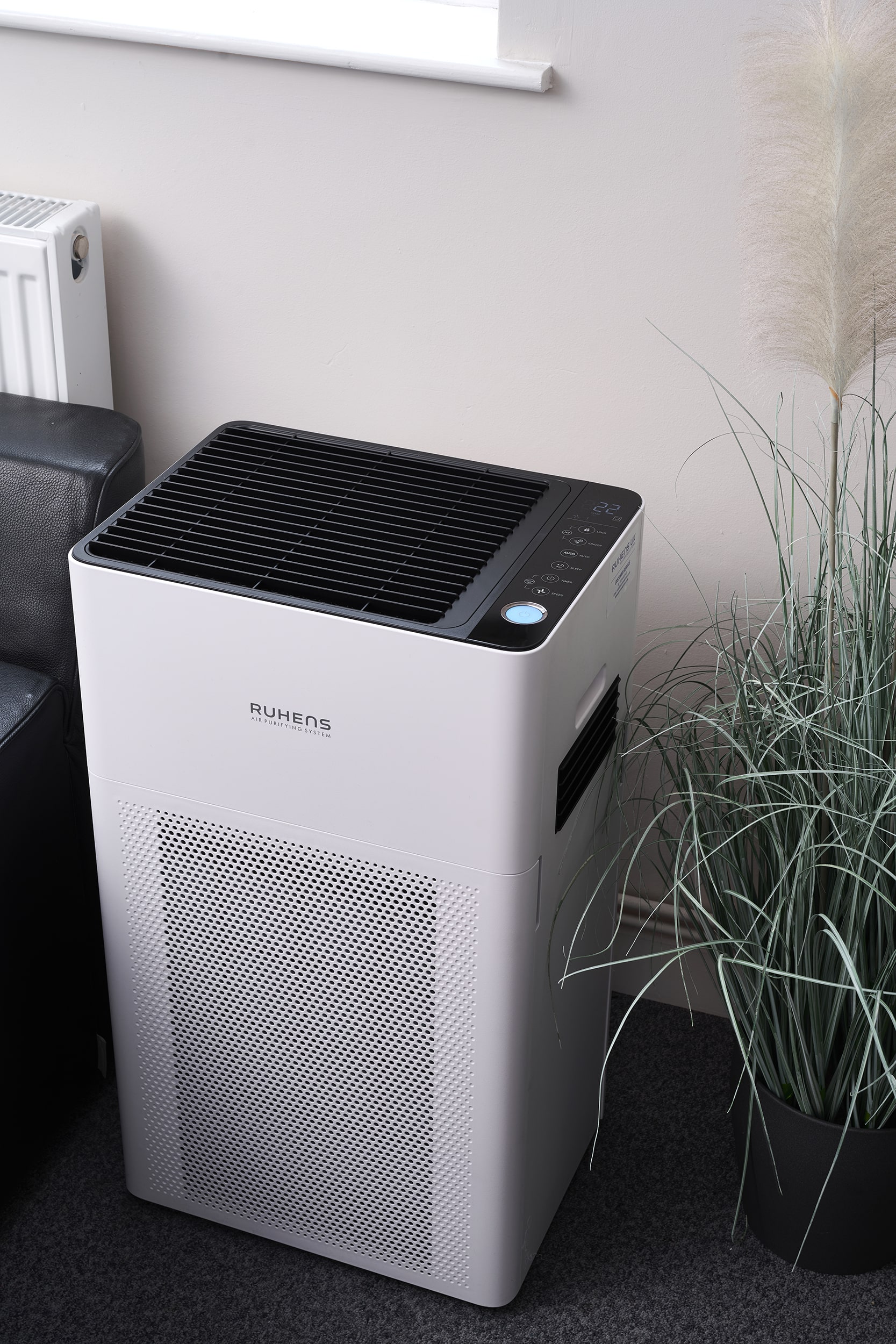
Many people forget to check the purifier’s airflow. If the intake or output is blocked, it can’t clean the air efficiently.
Credit: www.aircaresolutions.co.uk
Real-world Example: Asthma And Air Purifiers
Let’s look at a practical example. Sarah, a mother of two, noticed her son’s asthma got worse during spring. After talking to her doctor, she bought a HEPA air purifier and placed it in his bedroom. She also washed his bedding weekly in hot water and stopped using scented candles.
Within two weeks, her son’s nighttime coughing decreased. The air purifier alone was not a miracle, but it helped when combined with other steps. This shows that air purifiers are most useful as part of a bigger asthma control plan.
You might find this helpful: Best Air Purifiers for Allergies
Common Mistakes When Using Air Purifiers For Asthma
Many buyers make simple errors that reduce the benefit of their device:
- Buying the wrong size: A small purifier in a large room won’t help.
- Ignoring filter changes: Old filters can become dirty and even release particles back into the air.
- Putting the purifier in the wrong place: Hidden behind a couch, it can’t clean the air well.
- Choosing ozone generators: These can irritate lungs and make asthma worse.
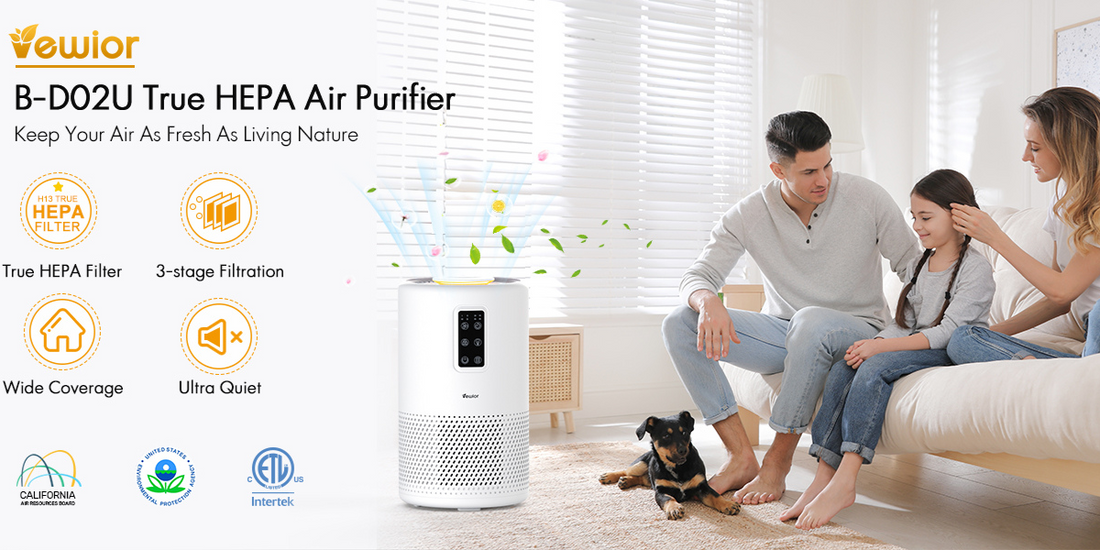
Avoiding these mistakes can help you get the most out of your investment.
Credit: vewiorlife.com
Air Purifiers Vs Other Asthma Management Tools
Air purifiers are helpful, but not the only tool for asthma control. Here’s a look at how they compare to other common methods:
| Method | Main Benefit | Drawback |
|---|---|---|
| Air Purifier | Reduces airborne triggers | Does not treat symptoms directly |
| Medication (Inhalers) | Controls symptoms quickly | Does not remove triggers |
| Dust-proof Covers | Blocks dust mites in bedding | Extra cost, maintenance needed |
| Humidity Control | Reduces mold growth | Needs humidifier/dehumidifier |
| Regular Cleaning | Removes settled allergens | Labor intensive |
Non-obvious Insights Most People Miss
- Air purifiers can’t remove settled dust: They only filter particles floating in the air. Dust that has already landed on surfaces must be cleaned up separately.
- Asthma triggers can enter through ventilation: Even with a purifier, open windows or central air can bring in new allergens. Sealing gaps and using proper filters in HVAC systems also matters.
- Not all HEPA filters are true HEPA: Some products claim “HEPA-like” or “HEPA-type” filters, which are less effective. Only true HEPA filters meet strict standards.
- Multiple small purifiers can be better than one large one: Placing smaller units in bedrooms and main living areas can be more effective than a single unit in a hallway.

Credit: medifyair.com
Latest Developments And Expert Advice
Recent advances include smart air purifiers that monitor air quality and adjust their speed automatically. Some models connect to apps, so you can track air quality and get alerts when it’s time to change the filter.
Asthma experts recommend using air purifiers as part of a larger plan. Follow your doctor’s advice, take prescribed medication, and use the purifier to reduce exposure to triggers—not as a substitute for other treatments.
For more on asthma and indoor air quality, the EPA’s asthma resources are a good place to start.
Frequently Asked Questions
Can Air Purifiers Cure Asthma?
No, air purifiers cannot cure asthma. They can help reduce symptoms by lowering allergens and irritants in the air, but asthma is a chronic condition that needs medical management.
Are Hepa Filters Safe For People With Asthma?
Yes, HEPA filters are safe and often recommended for people with asthma. They trap small particles that can trigger symptoms, without producing harmful ozone.
How Often Should I Change The Air Purifier Filter?
It depends on the model and usage, but most HEPA filters should be changed every 6–12 months. Check your manufacturer’s instructions and replace filters sooner if you notice reduced airflow or more dust.
Can I Use An Air Purifier If I Have Pets?
Absolutely. Air purifiers with HEPA filters can reduce pet dander and hair in the air, helping people with asthma or allergies breathe easier. For best results, also vacuum and bathe pets often.
Will An Air Purifier Help With Asthma If I Live In A City?
Yes, especially if you keep windows closed and use a purifier with a high CADR and a true HEPA filter. City air can have more pollution and fine particles, so a good purifier can help reduce exposure indoors.
—
Breathing easier with asthma is about more than just one device—it’s a combination of clean air, medication, and good habits. Air purifiers can be a helpful tool, especially when chosen wisely and used correctly. They are not a magic solution, but for many people, they offer real relief as part of a larger asthma care plan. Whether you’re choosing your first purifier or looking to improve your asthma control, understanding how these devices fit into your life can help you breathe a little easier every day.