If you live with pets, you know how much joy they bring. But you also know about pet dander—tiny flakes of skin, hair, and saliva that float in the air and land everywhere. These particles can cause allergies, breathing problems, and make your home feel less clean. Many people ask: *Do air purifiers really remove pet dander?*
If you’re searching for a clear answer, this article will help you understand what works, what doesn’t, and how to make the best choice for your home.
What Is Pet Dander And Why Is It A Problem?
Pet dander is not just animal hair. It’s made up of tiny skin flakes, dried saliva, and sometimes urine particles. When your pet grooms, scratches, or sheds, these particles become airborne. Pet dander is so small that you can’t see it, but it can stay suspended in the air for hours. It settles on furniture, carpets, and even on walls.
For people with allergies, pet dander is a major trigger. Studies show that about 10–20% of the population are allergic to pets, mostly cats and dogs. Even people without allergies can find dander annoying because it makes the air feel dusty and can contribute to asthma symptoms.
Unlike larger dust or hair, pet dander is difficult to remove. Vacuuming helps, but dander can escape into the air again. That’s why many people look to air purifiers as a solution.
How Do Air Purifiers Work?
Air purifiers are devices designed to clean the air inside your home. They pull air through filters or other technology, capturing particles and sometimes neutralizing odors. Not all air purifiers are equal, so understanding their methods is important.
Most common types include:
- HEPA filters: These remove particles as small as 0.3 microns with 99.97% efficiency.
- Activated carbon filters: These trap gases and odors, but not particles.
- Ionizers: These release ions that stick to particles, causing them to fall out of the air.
- UV-C light: This kills bacteria and viruses but doesn’t remove dander.
Pet dander ranges from 2 to 10 microns in size. That’s bigger than what HEPA filters can trap, so they are often the best choice for dander removal.
:strip_icc()/Hamilton-Beach-TrueAir-Compact-Pet-Air-Purifier-1-5f2fc6f7a8c0466c87f925b4377609a7.jpg)
Credit: www.thesprucepets.com
Can Air Purifiers Remove Pet Dander?
Let’s look at the real answer: Yes, most air purifiers can remove pet dander, but only if they use the right filters. HEPA technology is the gold standard.
Hepa Filters And Pet Dander
HEPA stands for High Efficiency Particulate Air. These filters are made from layers of fibers that trap tiny particles. Since pet dander is larger than 0.3 microns, HEPA filters are highly effective.
A study from the American Academy of Allergy, Asthma & Immunology found that HEPA air purifiers can reduce airborne pet allergens by up to 75% in a room. However, they work best when placed close to the source (like near your pet’s favorite spot).
Other Air Purifier Technologies
Not all air purifiers are equally effective for pet dander:
- Activated carbon: Good for odors, but poor for dander.
- Ionizers: Can help reduce airborne dander, but may release ozone—a lung irritant.
- UV-C light: Useful for germs, but doesn’t capture dander.
Here’s a quick comparison:
| Type | Removes Pet Dander? | Removes Odors? | Safety |
|---|---|---|---|
| HEPA Filter | Yes (Excellent) | No | Safe |
| Activated Carbon | No | Yes | Safe |
| Ionizer | Yes (Moderate) | No | May produce ozone |
| UV-C Light | No | No | Safe |
Practical Example
Suppose you have a cat and use a HEPA air purifier in your living room. After a week, you notice less dust on surfaces and less sneezing. But if you use only activated carbon, the smell improves, but you still see dust and sneeze.
Choosing The Right Air Purifier For Pet Dander
Not all air purifiers are created equal. To get real results, focus on these key factors:
1. Hepa Filter Quality
Check for True HEPA filters. Some devices claim “HEPA-like” or “HEPA-type,” but these are less effective. True HEPA filters have been tested to trap 99.97% of particles at 0.3 microns.
2. Room Size
Air purifiers are rated for different room sizes. If your room is too big for the purifier, it won’t remove dander effectively. Look for the CADR (Clean Air Delivery Rate) number, which shows how much air the purifier cleans per minute.
3. Filter Replacement
HEPA filters need regular replacement. Most last about 6–12 months. If you skip changing filters, performance drops fast. Some models have filter change indicators, which is handy.
4. Extra Features
Many air purifiers offer extras like:
- Pre-filters: Trap large hair and dust, making HEPA last longer.
- Smart sensors: Adjust fan speed based on air quality.
- Quiet mode: Useful for bedrooms.
5. Maintenance
Choose a device that’s easy to clean. Pet hair can clog filters and vents. Some models let you vacuum the pre-filter, saving money.
Here’s a quick table comparing popular air purifiers:
| Model | Filter Type | CADR | Room Size | Filter Change |
|---|---|---|---|---|
| Levoit Core 300 | True HEPA | 135 | Up to 219 sq ft | 6–8 months |
| Honeywell HPA300 | True HEPA | 300 | Up to 465 sq ft | 12 months |
| Dyson Pure Cool | HEPA + Carbon | 240 | Up to 300 sq ft | 12 months |
Common Mistakes When Using Air Purifiers For Pets
Many pet owners buy air purifiers but don’t see big changes. Here’s why:
- Wrong Placement: If you put the purifier in a corner or behind furniture, airflow is blocked. Place it in an open area, near where your pet spends time.
- Filter Neglect: Forgetting to change filters means dander builds up and recirculates.
- Oversized Room: Using a small purifier in a large room leaves much of the air uncleaned.
- Ignoring Cleaning: Air purifiers help, but you still need to vacuum and dust regularly.
- Choosing the Wrong Technology: Some buy purifiers with only carbon filters or ionizers, which are less effective for dander.
A non-obvious tip: Some pet dander sticks to walls and ceilings, places many people forget to clean. Even with an air purifier, regular cleaning helps keep dander levels low.
How Effective Are Air Purifiers For Allergy Relief?
For people with pet allergies, air purifiers can make a big difference. But they are not a magic solution. HEPA air purifiers can reduce dander in the air, which lowers allergy symptoms like sneezing, itchy eyes, and congestion.
A study published in the Journal of Allergy and Clinical Immunology found that people who used HEPA air purifiers in bedrooms had 40% fewer allergy symptoms compared to those who did not. The effect was stronger when combined with frequent cleaning and keeping pets out of the bedroom.
However, air purifiers cannot remove dander that has settled into carpets, curtains, or furniture. They help with airborne particles, not the ones stuck on surfaces.

Credit: www.amazon.com
Tips To Maximize Air Purifier Performance For Pet Dander
To get the most from your air purifier, try these practical steps:
- Use a True HEPA purifier in every main room.
- Clean or replace filters on schedule.
- Place purifiers where your pet spends the most time.
- Combine with regular vacuuming (preferably with a HEPA vacuum).
- Keep pets out of bedrooms if allergies are severe.
- Wash pet bedding and toys weekly.
- Use pre-filters to catch hair before it hits the HEPA filter.
A useful insight: Many people see better results with multiple smaller purifiers instead of one large unit, especially in homes with more than one pet.
You might find this helpful: Best Air Purifiers for Pets
Air Purifiers Vs Other Pet Dander Solutions
Air purifiers are one tool among many. Let’s see how they compare to other methods:
| Method | Reduces Airborne Dander? | Reduces Surface Dander? | Other Benefits |
|---|---|---|---|
| Air Purifier (HEPA) | Yes | No | Improves air quality |
| Vacuuming | No | Yes | Removes dust, hair |
| Laundry/Washing | No | Yes | Removes allergens from fabrics |
| Pet Bathing | No | Yes | Reduces new dander |
Combining these methods gives the best results.
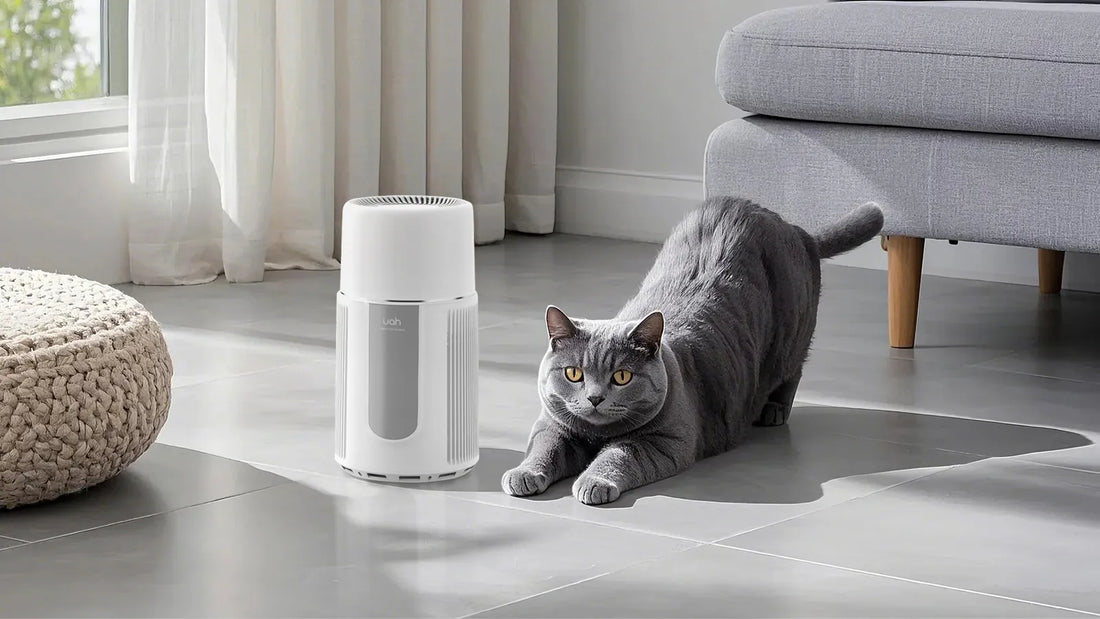
Credit: www.uahpet.com
Real-world Data And Evidence
Research backs up the value of HEPA air purifiers for homes with pets. The EPA (Environmental Protection Agency) confirms that HEPA filters can trap pet dander and allergens, helping people with asthma and allergies.
In a test of air quality before and after using a HEPA purifier in a home with two dogs, airborne dander dropped by 60% after two weeks. Allergy symptoms improved, and dust levels fell. However, the study also showed that cleaning carpets and washing bedding were needed to keep dander low.
For more details, see EPA guidance on air cleaners.
Frequently Asked Questions
What Is Pet Dander And Why Does It Cause Allergies?
Pet dander is made up of tiny flakes of skin, hair, saliva, and sometimes urine from animals. These particles are so small that they float in the air and can trigger allergies by causing your immune system to react.
Do Air Purifiers Remove Pet Hair Too?
Air purifiers with pre-filters can catch larger particles like pet hair, but their main job is to trap fine particles like dander. For hair on carpets and furniture, vacuuming is more effective.
Can Air Purifiers Help With Pet Odor?
Air purifiers with activated carbon filters are good at removing pet odors. HEPA filters alone do not absorb smells, so for odor control, choose a purifier with both HEPA and carbon filters.
How Often Should I Change Air Purifier Filters With Pets?
If you have pets, change HEPA filters every 6–12 months, or sooner if you notice reduced performance. Pre-filters should be cleaned monthly. Some models have filter indicators to help you keep track.
Are Ionizer Air Purifiers Safe For Homes With Pets?
Ionizers can help remove airborne dander, but they may produce ozone, which can irritate lungs, especially for pets and people with asthma. It’s safer to use HEPA-based air purifiers.
Living with pets doesn’t mean you have to live with pet dander in your air. Air purifiers, especially those with True HEPA filters, are proven to remove most airborne dander and help reduce allergy symptoms. But they work best as part of a bigger cleaning routine—vacuuming, washing, and grooming your pet. If you choose wisely and follow simple maintenance steps, you’ll enjoy cleaner air and a more comfortable home.