Air purifiers are everywhere today—from living rooms to offices, even cars. Many people buy them hoping to breathe cleaner air and stay healthier. But one big question stops some buyers: Do air purifiers use a lot of electricity? If you’re worried about your energy bill or want to reduce your carbon footprint, this is an important concern.
Let’s explore the true energy use of air purifiers. You’ll learn what affects their electricity consumption, how they compare to other household devices, and ways to keep costs low. We’ll also clear up some common misunderstandings and share practical tips that can make a real difference.
How Much Electricity Do Air Purifiers Use?
The energy use of an air purifier depends on several factors. Most air purifiers run on electricity, but the amount they use can vary a lot based on size, filter type, and usage time.
Typical Power Ratings
Most home air purifiers use between 10 and 60 watts per hour when running on their standard setting. Some larger or more advanced models may use up to 100 watts. Smaller desktop units often use less, sometimes as low as 5–10 watts.
To understand what this means for your bill, here’s a simple example:
- If your air purifier uses 50 watts and runs 24 hours a day:
- 50 watts x 24 hours = 1,200 watt-hours = 1.2 kilowatt-hours (kWh) per day
- Over a month: 1.2 kWh x 30 days = 36 kWh
If your electricity costs $0.15 per kWh, that’s $5.40 per month. For most people, this is not a huge expense.
Comparing To Other Appliances
Here’s a direct comparison of typical home devices:
| Appliance | Average Power (Watts) | Monthly Cost (24h use, $0.15/kWh) |
|---|---|---|
| Air Purifier (medium) | 50 | $5.40 |
| Refrigerator | 150 | $16.20 |
| Fan | 75 | $8.10 |
| Laptop | 45 | $4.86 |
| LED Bulb | 10 | $1.08 |
Air purifiers are not the biggest energy users in a home. They usually use less electricity than refrigerators or air conditioners, and often less than fans.
What Affects Air Purifier Electricity Usage?
Several factors change how much power your air purifier needs. Understanding these can help you make smarter choices.
1. Size And Capacity
A larger unit meant for big rooms will use more electricity than a small one for bedrooms. For example:
- Small units: 10–20 watts
- Medium units: 30–50 watts
- Large units: 80–100 watts
2. Filter Type
Different filters need different amounts of power. HEPA filters are common and usually require a strong fan to push air through. Units with activated carbon filters or UV lights may use extra energy.
3. Fan Speed And Settings
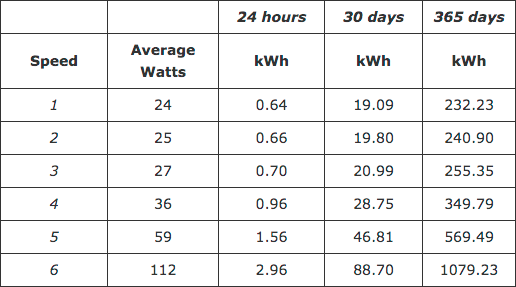
Most air purifiers have multiple speed settings. The higher the speed, the more electricity it uses. Running on “turbo” mode all the time can double or triple energy use.
4. Usage Time
Some people run their air purifier all day, others only at night or when air quality is poor. The longer you run it, the higher your electricity bill.
5. Room Conditions
A dusty or smoky room makes the purifier work harder. If the air is clean, it might not need to run on high settings.
Credit: help.molekule.com
Energy Efficiency: What Makes An Air Purifier Efficient?
Not all air purifiers are equal. Some models are designed to use less energy while still cleaning air well.
Energy Star Certification
Look for ENERGY STAR certified air purifiers. These models are tested for efficiency and usually save 40% more energy than standard units.
Clean Air Delivery Rate (cadr)
CADR shows how quickly a purifier can clean air. A high CADR means better performance, but sometimes higher energy use. Try to find a balance: high CADR with low wattage.
Smart Features
Some purifiers have sensors that detect air quality and adjust speed automatically. This saves energy because the purifier only works hard when needed.
Example: Comparing Two Models
Here’s a comparison of two popular air purifiers:
| Model | CADR | Power Use (Watts) | ENERGY STAR? |
|---|---|---|---|
| Model A | 200 | 55 | Yes |
| Model B | 160 | 35 | No |
Model A cleans air faster but uses more electricity. Model B uses less power but is slower. If you need quick cleaning, Model A is better, but for energy savings, Model B is smarter.
Common Misconceptions About Air Purifier Energy Use
Many people believe air purifiers use a lot of electricity. But the truth is more nuanced.
Myth 1: All Air Purifiers Are Energy Hogs
Most home air purifiers are low power devices. Commercial or industrial units use more, but regular home models do not.
Myth 2: Running All Day Is Expensive
Leaving an air purifier on all day sounds costly. But, as shown earlier, the monthly cost is usually less than $6 for most models. Compared to heating or cooling, it’s minor.
Myth 3: High Power Means Better Air
Not always. Some high-power models are less efficient. Focus on CADR and efficiency, not just wattage.
Insight: Air Purifiers Use Less Power Than You Think
Many buyers are surprised after checking their monthly bill. The impact is often much smaller than expected. If you use an ENERGY STAR model and run it smartly, the cost is almost invisible.
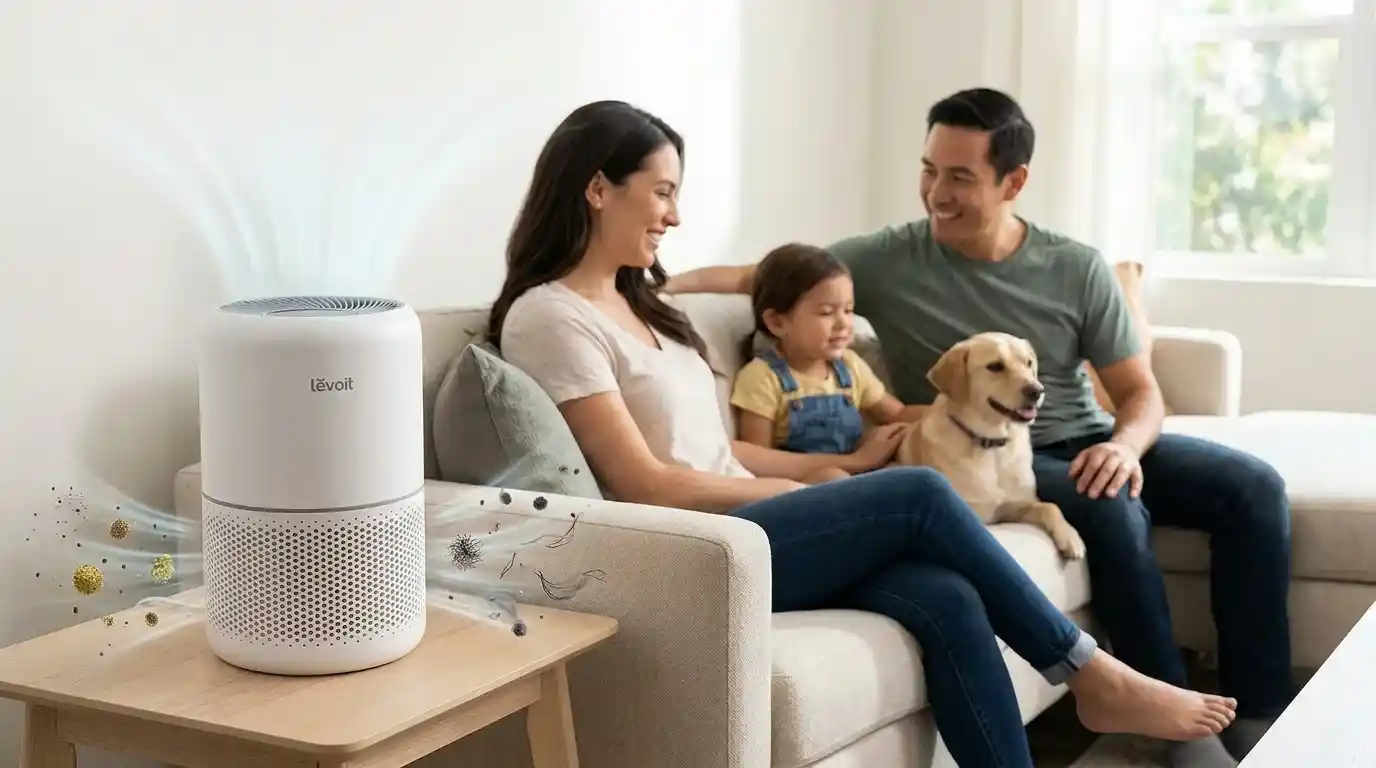
Practical Tips To Reduce Air Purifier Energy Consumption
There are smart ways to cut down the electricity your air purifier uses. These steps can keep your air clean and your bills low.
- Choose the Right Size: Don’t buy a large purifier for a small room. Match the unit to your space.
- Use Auto Mode: If your purifier has sensors, use them. It will run only when needed.
- Clean or Replace Filters: Dirty filters make the fan work harder. Check filters monthly.
- Place Purifier Wisely: Keep it away from walls and objects. Good airflow helps efficiency.
- Run Only When Necessary: Turn it off when you’re away or air quality is good.
- Check for ENERGY STAR Label: Always choose certified models when possible.
Non-obvious Tip: Keep Windows Closed
Running your air purifier with windows open is wasteful. Outside air brings in more pollutants, making the purifier work harder and use more power.
Non-obvious Tip: Avoid “turbo” Mode All Day
Turbo mode cleans air fast, but it is not meant for constant use. Use it only when air quality is very poor, then switch back to normal or auto mode.
Real-world Examples: Air Purifier Electricity Use
Let’s look at some real-world numbers.
Example 1: Small Bedroom Purifier
- Uses 15 watts
- Runs 8 hours per night
- Monthly use: 15 watts x 8 hours x 30 days = 3,600 watt-hours = 3.6 kWh
- Cost: 3.6 kWh x $0.15 = $0.54 per month
Example 2: Large Living Room Purifier
- Uses 80 watts
- Runs 24 hours per day
- Monthly use: 80 watts x 24 hours x 30 days = 57.6 kWh
- Cost: 57.6 kWh x $0.15 = $8.64 per month
Even a big purifier costs less than $10 per month, unless electricity is very expensive in your area.
Example 3: Smart Purifier With Sensors
- Uses 50 watts on high, 20 watts on low
- Runs 8 hours on high, 16 hours on low per day
- Monthly use: (50 x 8 + 20 x 16) x 30 = (400 + 320) x 30 = 720 x 30 = 21,600 watt-hours = 21.6 kWh
- Cost: 21.6 kWh x $0.15 = $3.24 per month
Smart features can cut energy use by half or more.
Environmental Impact
Air purifiers use electricity, which can affect the environment depending on your power source. However, their energy use is small compared to other devices. If you care about reducing emissions, choosing an efficient model and using it wisely helps.
Some advanced models use eco-friendly materials and have recyclable filters. Also, running your air purifier only when needed reduces both your bills and your environmental footprint.
For more on energy efficiency standards, visit the official ENERGY STAR website.
Frequently Asked Questions
How Long Should I Run My Air Purifier Each Day?
Most people run their purifier between 8 and 24 hours, depending on air quality. If you live in a city with pollution, longer is better. If your air is clean, you can use it for fewer hours.
Do Air Purifiers Raise My Electric Bill A Lot?
No, air purifiers usually add $1–$10 per month, depending on model and usage. This is low compared to other appliances like heaters or refrigerators.
Which Air Purifier Type Uses The Least Electricity?
Smaller units and ENERGY STAR models use the least. Purifiers with simple HEPA filters are often more efficient than those with extra features like UV or ionizers.
Can I Use An Air Purifier With Solar Power?
Yes, many air purifiers are small enough to run on home solar systems. Check the wattage—most units under 60 watts are easy to run with solar panels.
Is It Wasteful To Run An Air Purifier With Windows Open?
Yes. Open windows let in outdoor pollution, making the purifier work harder and use more electricity. For best results, keep windows closed while the purifier is on.
Credit: www.morrisdirect.co.uk
Final Thoughts
Air purifiers help you breathe better, but they do not use a lot of electricity. Most models have low power needs, especially if you choose wisely and use smart settings. Compared to other household devices, their energy impact is small.
If you want cleaner air without a big electric bill, match the purifier to your room size, clean filters regularly, and use auto modes. With these simple steps, you can enjoy the benefits of fresh air and peace of mind about your energy use.