Do you love the rich aroma and fresh taste of coffee made from whole beans? If so, you might wonder whether you really need a coffee grinder to enjoy that perfect cup at home.
Can you get away with other methods, or is a grinder essential? Knowing the answer can save you time, money, and frustration. Keep reading to discover what makes grinding your own coffee beans different and whether investing in a grinder is the key to unlocking your best brew yet.
Your mornings could never be the same.
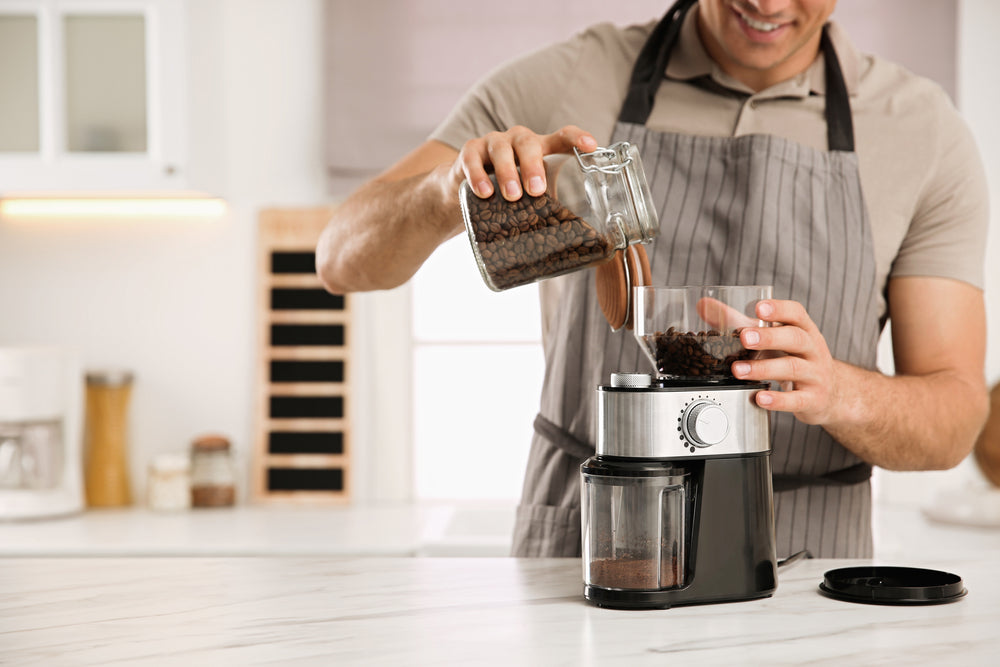
Credit: weaverscoffee.com
Benefits Of Grinding Your Own Beans
Grinding your own coffee beans offers many clear benefits. It helps keep the coffee fresh and tasty. You get to choose how fine or coarse the grind should be. This control can change the whole coffee experience. Freshly ground beans make every cup better.
Many people do not realize how much difference grind size makes. Having a grinder lets you adjust the grind to fit your brewing method. This means your coffee always tastes just right.
Freshness And Flavor Impact
Whole coffee beans keep their flavor longer than ground coffee. Grinding beans just before brewing keeps the coffee fresh. The oils and aromas stay locked inside the bean until grinding. This means your coffee tastes richer and more vibrant. Coffee made from pre-ground beans can taste flat or stale. Fresh grinding brings out the true coffee flavor. It makes a noticeable difference in every cup.
Control Over Grind Size
Different brewing methods need different grind sizes. Espresso needs very fine grounds. French press works best with coarse grounds. A coffee grinder lets you pick the right size. This control helps the water extract the best flavors. Grinding too fine or too coarse can spoil the taste. Adjusting the grind size can improve the taste and strength. You get a cup made just how you like it.
Types Of Coffee Grinders
Grinding coffee beans is key to fresh, flavorful coffee. Different grinders offer unique ways to do this. Choosing the right grinder affects taste and convenience. Below are common types of coffee grinders to consider.
Blade Grinders
Blade grinders use a spinning blade to chop beans. They are usually affordable and easy to use. The grind size can be uneven, which may affect coffee flavor. They work well for drip coffee makers and French presses.
Burr Grinders
Burr grinders crush beans between two surfaces called burrs. This creates a more even grind size. They provide better control over grind size, improving taste. Burr grinders are often preferred by coffee lovers and professionals.
Manual Vs Electric Options
Manual grinders require hand power to grind beans. They are portable, quiet, and do not need electricity. Electric grinders save time and effort with fast grinding. Choose manual for travel or electric for daily convenience.
Alternatives To Coffee Grinders
Grinding coffee beans without a coffee grinder is possible. Several household tools can do the job well. These tools can break beans into smaller pieces for brewing. They require some effort but work fine in a pinch. Here are some easy alternatives to try at home.
Using A Mortar And Pestle
A mortar and pestle is perfect for small amounts of beans. Put beans in the mortar and press with the pestle. Crush beans gently with a twisting motion. Repeat until beans reach the desired size. This method gives good control over grind size.
Blender Or Food Processor
Blenders and food processors can grind coffee quickly. Add a small batch of beans to the container. Pulse in short bursts to avoid overheating the beans. Stop and shake the container to mix the beans. This method works well for coarse or medium grinds.
Rolling Pin Or Hammer
Use a rolling pin or hammer for a simple solution. Place beans in a sealed plastic bag to avoid mess. Roll or tap firmly until beans break into smaller pieces. Be careful not to crush beans into powder. This method works best for coarse grinds and cold brew coffee.
When You Might Skip A Grinder
Not everyone needs a coffee grinder to enjoy fresh coffee. Some ways let you skip grinding without losing taste. These options save time and effort. Great for busy mornings or small kitchens.
Choosing the right method depends on your routine and preferences. Here are two common choices that do not require a grinder.
Buying Pre-ground Coffee
Pre-ground coffee is ready to brew. It saves time and effort in preparation. You can find many flavors and roasts in stores. Packaging keeps it fresh for a reasonable time. Ideal for simple, quick coffee at home. Just measure and brew. No grinding needed.
Using Coffee Pods Or Capsules
Pods and capsules offer convenience and consistency. They come in sealed packs for freshness. Perfect for single-serve machines at home or office. Easy to use, no mess or cleanup. Great for people who want speed and ease. Each pod delivers a fixed coffee amount. No grinding, no measuring, just insert and brew.
Choosing The Right Grinder For You
Choosing the right grinder for you is key to enjoying fresh coffee. The grinder you pick affects the taste and quality of your brew. Not every grinder works for every person. Consider a few important factors before buying one.
Budget Considerations
Grinders come in many prices. Some are very cheap, while others cost a lot. Set a budget that fits your needs. Basic grinders work well for beginners. More expensive grinders often offer better consistency. Think about how much you want to spend.
Frequency Of Use
How often you grind coffee matters. Daily grinders should be durable and fast. If you grind only once in a while, a simple model can work. Frequent use calls for grinders with better build quality. This helps avoid breakdowns and keeps coffee fresh.
Desired Coffee Brewing Methods
Different brewing styles need different grinds. Espresso needs a fine, consistent grind. French press requires a coarse grind. Choose a grinder that can adjust settings easily. This lets you switch between brewing methods with ease.

Credit: twochimpscoffee.com
Frequently Asked Questions
Do You Really Need A Coffee Grinder?
Yes, a coffee grinder is essential for fresh, flavorful coffee. Grinding beans just before brewing preserves aroma and taste. Pre-ground coffee loses freshness quickly. A grinder lets you control grind size, improving extraction and flavor.
Can I Grind Coffee Beans Without A Grinder?
Yes, you can grind beans without a grinder using a mortar and pestle or a rolling pin. However, these methods are less consistent and more time-consuming. A proper grinder ensures uniform particle size, which is crucial for balanced coffee flavor.
What Grind Size Is Best For Different Coffee Makers?
Different coffee makers require specific grind sizes. Coarse grind suits French press, medium for drip coffee makers, and fine for espresso machines. Using the right grind size improves extraction and prevents over or under-extraction, enhancing the coffee’s taste and aroma.
How Does Grinding Affect Coffee Flavor?
Grinding affects coffee flavor by controlling extraction rate. A uniform grind ensures even extraction, highlighting balanced flavors. Too coarse results in weak coffee, while too fine causes bitterness. Proper grinding maximizes aroma, richness, and overall coffee quality.
Conclusion
Grinding coffee beans fresh makes a big difference in taste. A coffee grinder helps you control the grind size for your brew. You can choose between manual or electric grinders. Each type fits different needs and budgets. You do not need a grinder if you prefer pre-ground coffee.
But grinding your own beans gives fresher, richer flavor. Small effort, big reward. Try it to enjoy better coffee at home.