“Do you need to spray silicone muffin pans? The short answer: sometimes. Silicone bakeware has a reputation for releasing muffins effortlessly, but that reputation only holds up under the right conditions.
New pans stick. Dry pans stick. Certain batters stick.
In our research across manufacturer specs and verified buyer reviews, the pattern is consistent. Silicone develops a natural non-stick patina as you bake with it, but it doesn’t arrive pre-seasoned. Most brands recommend a light oil or spray for the first several uses.
Food-grade silicone handles heat up to roughly 450°F, and it’s approved as a safe food-contact material.
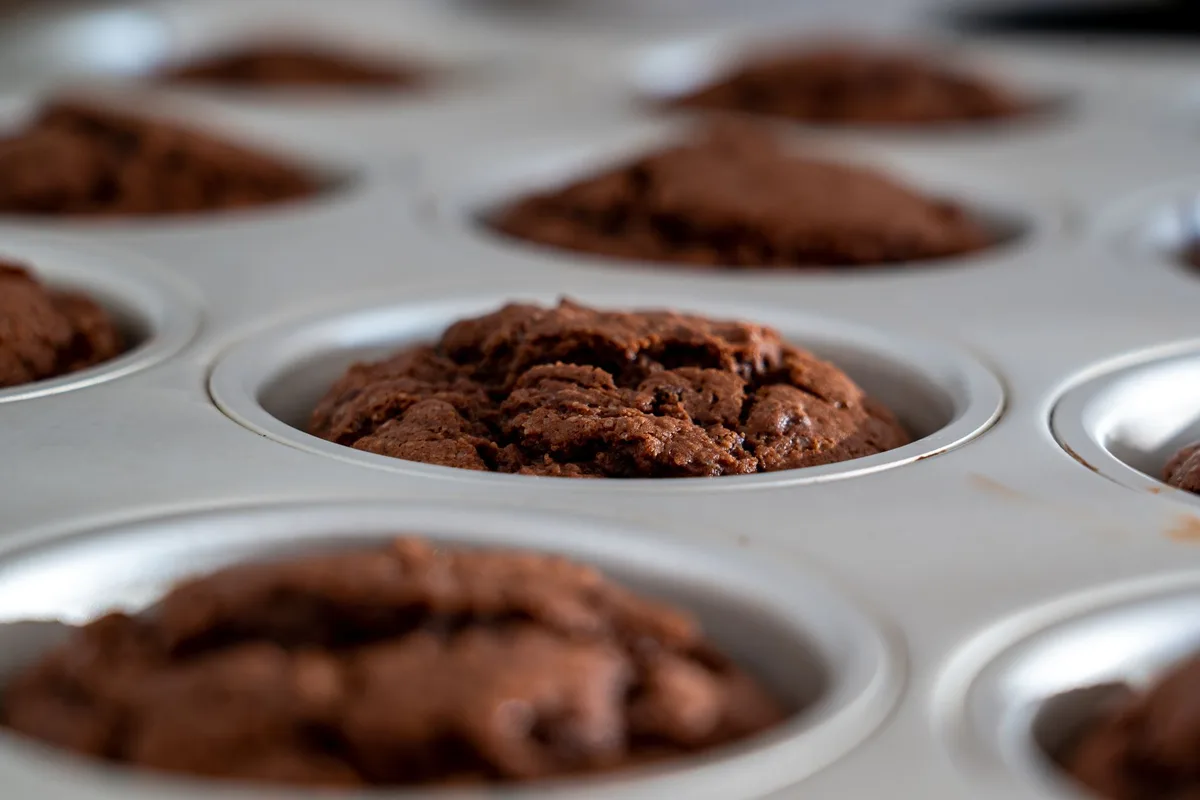
Image source: Pexels / Castorly Stock (Pexels License)
Quick Answer
Yes, spray a new silicone muffin pan for the first few uses. Once seasoned from regular baking, you can usually skip it. Batters high in sugar or low in fat still need a light coat.
The decision depends on pan age and the recipe.
Why This Question Even Comes Up (The Sticky Truth About Silicone)
Silicone pans promise non-stick perfection right out of the box. Then your first batch of blueberry muffins leaves half the muffin glued to the cups. What gives?
The mold creates a surface with tiny variations, and those micro-imperfections grab batter until the pan gets used enough to smooth out.
Aggregate reviews of popular silicone muffin pans show sticking complaints drop dramatically after the fifth to tenth bake. Manufacturer instructions matter here too. Most brands explicitly recommend a light coating of oil or spray for best results.
That’s not them being overly cautious. It’s them acknowledging how the material actually behaves.
The problem is also about what you’re baking. Sugar-heavy batters caramelize at the cup edges. Egg-white-heavy batters bond to the silicone surface.
That’s why so many home bakers ask this question in the first place. They’ve read the marketing, then watched a perfect muffin tear apart.
How Silicone Pans Work vs. What We Expect
Silicone muffin pans are made from elastomeric silicone rubber, a synthetic polymer that stays flexible across a wide temperature range. As of 2026, most food-grade silicone pans are rated for 450°F to 500°F. That covers every standard muffin recipe you’ll find.
This material falls under FDA food-contact safety regulations, which classify it as safe for baking molds and food prep surfaces.
But here’s where expectations break down. Silicone is not the same as PTFE, the coating used on non-stick metal cookware. PTFE is practically friction-free.
Silicone is rubbery, and rubber grips.
That’s why new silicone pans behave like a winter tire on a dry road. There’s hold, not glide. Silicone also conducts heat poorly, which creates extra challenges.
Metal muffin tins transfer heat quickly into the batter, while silicone gives up heat slowly.
You can fix part of the problem by setting the silicone pan on a metal baking sheet. A bare silicone pan wobbles on the oven rack and the batter sloshes around. The sheet stabilizes the pan and helps distribute heat more evenly.
One more thing: skip the metal utensils. A traditional metal utensil might work fine on cast iron, but it will gouge silicone and wreck the release surface. Nylon, silicone, or wooden tools are the way to go.
The Spray Decision: When to Spray vs. When to Skip
If the pan is brand new, spray it. The surface needs early seasoning, and a light coat of non-stick cooking spray before the first five or so uses helps the silicone develop its own patina. If the pan is well-used and you’re baking a standard batter with butter or oil, skip the spray.
The patina plus the fat in the batter is usually enough.
The tricky cases are sticky batters. Angel food cake, fat-free muffins, and fruit-heavy recipes all benefit from a quick spritz, even on a seasoned pan. Sugar caramelizes on contact and just doesn’t release as easily as standard batter.
| Condition | Spray? | Why |
|---|---|---|
| Brand new pan (first 3-5 uses) | Yes | Starts the seasoning process and prevents early frustration |
| Seasoned pan + standard batter with fat | No | The patina does the work |
| Seasoned pan + sugar-heavy or low-fat batter | Yes | Caramelization and protein bonding need extra help |
| Pan feels sticky or tacky before baking | Clean first | Old residue causes sticking, not ease |
| Pan recently scrubbed with dish soap | Yes | Harsh washing strips the seasoning oil |
Side-by-Side: Spray vs. No Spray Comparison
Let’s put the two approaches next to each other. This comparison reflects how the pans actually perform in real home kitchens, not just what the packaging claims.
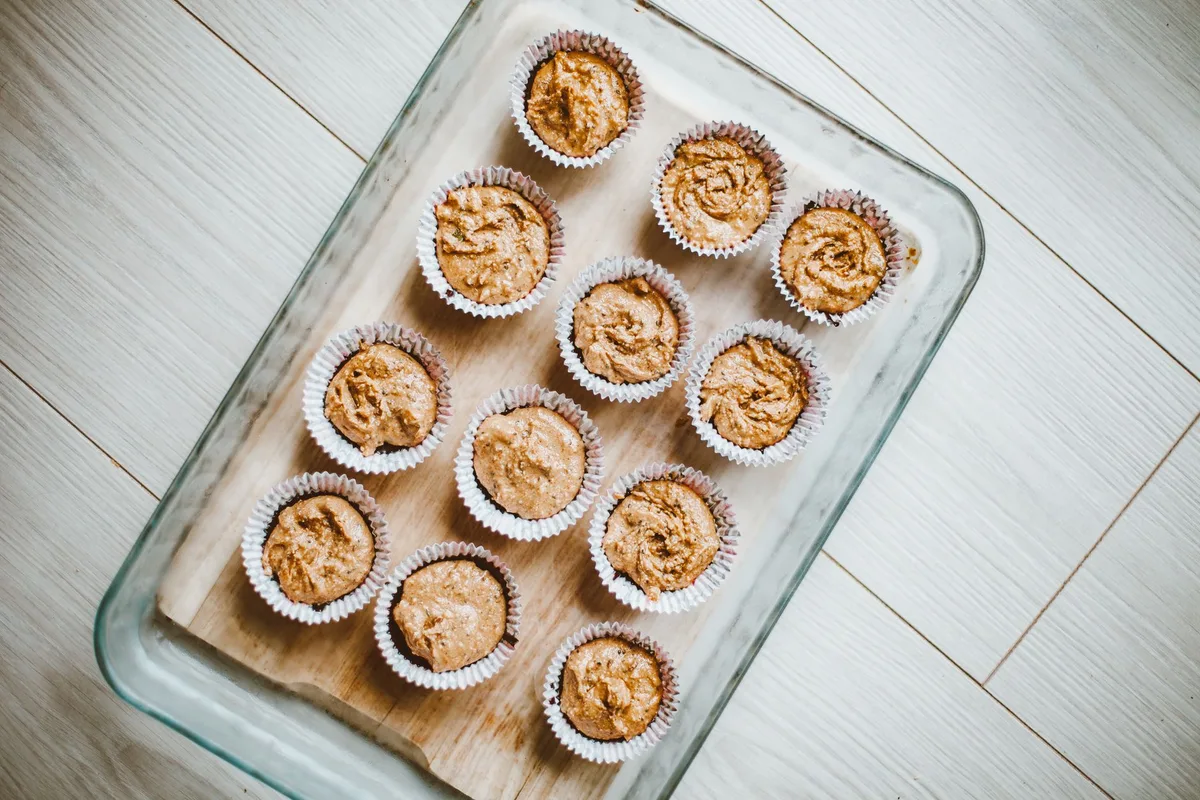
Image source: Pexels / ROMAN ODINTSOV (Pexels License)
| Factor | Spray Every Time | No Spray on Seasoned Pan |
|---|---|---|
| Sticking | Very low, even on new pans | Low once the patina develops |
| Cleanup | Slightly more work from greasy residue | Almost a rinse-and-wipe |
| Muffin tops | Sometimes softer, less caramelized | Crisper edges and better browning |
| Pan condition | Residue can build up and turn tacky | Stays cleaner longer |
| Cost | Uses a product each bake | Zero cost |
The real insight here: spray is a fix, not a permanent requirement. It bridges the gap between a new pan’s raw surface and a properly seasoned one. Once the pan has seen a few dozen bakes, skipping the spray often produces better results, especially for crust crispness.
If you want to skip spray entirely, paper muffin liners are the obvious alternative. The liner trick that keeps air fryers mess-free works just as well here. You get a clean barrier between food and pan, and the cleanup is a quick toss in the trash.