You might have seen a copper water bottle and wondered if it keeps your water cold. Maybe you’re drawn to the shiny look and the wellness claims. The short answer to “does copper water bottle keep water cold” is simple: no, a standard single-wall copper bottle does not keep water cold.
That’s not the end of the story though. The reason people ask this question often misses the bigger point. Copper bottles serve a different purpose than insulation.
Understanding that difference matters for your health, your wallet, and your daily hydration habits.
Per FDA guidelines for food contact surfaces, copper’s thermal conductivity sits around 400 W/mK. That’s roughly 25 times higher than stainless steel. High conductivity means heat moves through copper fast.
It does not trap cold. Let’s walk through what this actually means for your drink.
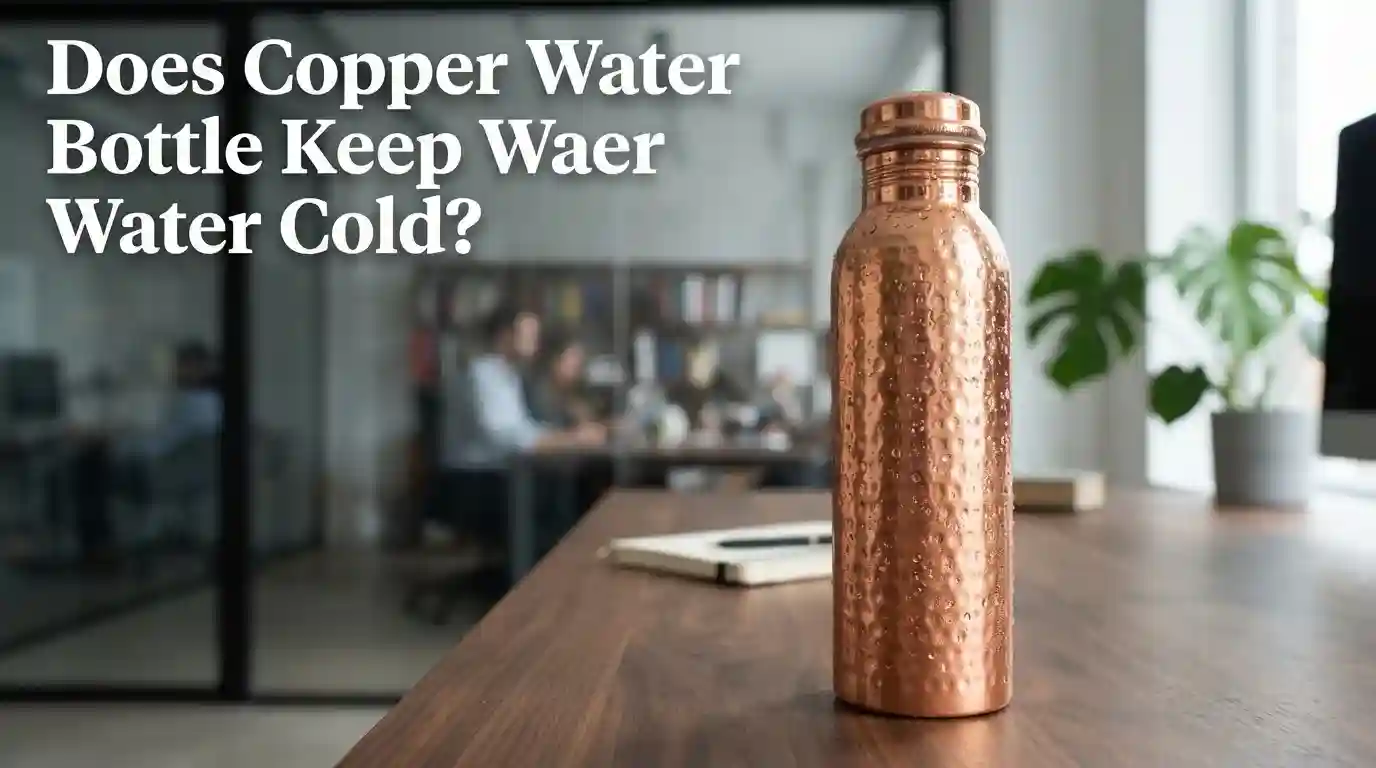
Quick Answer
No. A standard single-wall copper bottle does not keep water cold. Copper’s high thermal conductivity transfers heat quickly.
Your water will reach room temperature within one to two hours. Some insulated copper bottles exist but they are rare and expensive. Most copper bottles sold today are single-wall.
Check before you buy.
Why This Matters More Than You Think
The common belief around copper bottles creates real confusion. Marketing photos show shiny bottles next to ice cubes. Wellness blogs talk about ancient traditions.
Neither one explains the physics involved.
Here is the reality. Copper is one of the best heat conductors on the planet. Only silver beats it.
That property makes copper great for cookware and electrical wiring. It makes it terrible for keeping drinks cold.
Think about a copper mug for a Moscow Mule. That mug feels icy cold in your hand. The drink warms up fast though.
Same principle applies here. The bottle feels cool to touch because it pulls heat from your hand. The water inside warms up at the same time.
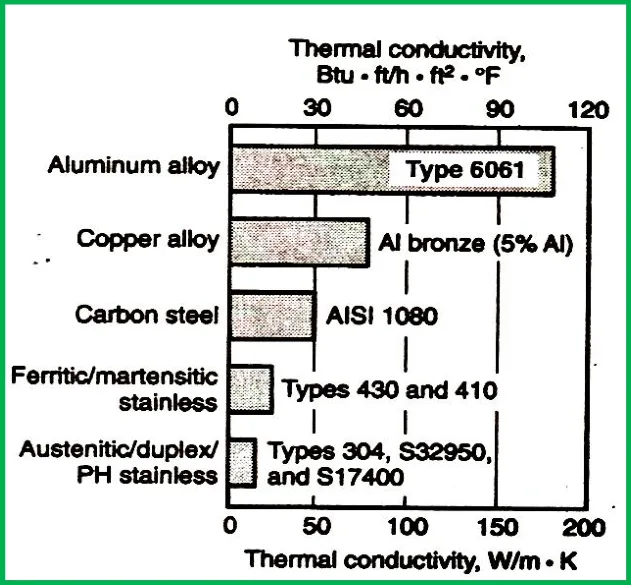
Image source: Web (Bing) / researchgate.net
The health side also matters. Copper bottles are not just a vessel. They actively add trace minerals to your water.
That changes the conversation from “does it stay cold” to “is this safe and beneficial.” We will cover that balance in detail.
How Copper Bottles Actually Work With Temperature
Thermal conductivity vs. insulation
Most people mix up two different things. Feeling cold and staying cold are not the same. Let us break down the science simply.
Thermal conductivity measures how fast heat moves through a material. Copper scores near the top. When you pour cold water into a copper bottle, the metal quickly equalizes temperature with the room.
The cold escapes through the walls. The warmth from outside seeps in.
Insulation works the opposite way. Insulating materials trap air or use a vacuum to slow heat transfer. Double-wall stainless steel bottles use a vacuum layer between two walls.
That vacuum stops heat from moving through. Your water stays cold for 12 to 24 hours.
Copper bottles lack that vacuum layer. Single-wall construction means one thin layer of metal. That is all.
No barrier between your water and the outside air.
You might find this helpful: Best Copper Water Bottle
Why copper feels cold to the touch but does not keep water cold
Here is the trick your senses play on you. Pick up a copper bottle at room temperature. It feels cooler than a plastic bottle sitting next to it.
Your brain interprets that as “this keeps things cold.”
What actually happens is called thermal conductivity in reverse. Copper pulls heat from your hand faster than plastic does. Your hand loses heat.
The bottle feels cold. The water inside does not benefit from this. It is warming up from the air around it the whole time.
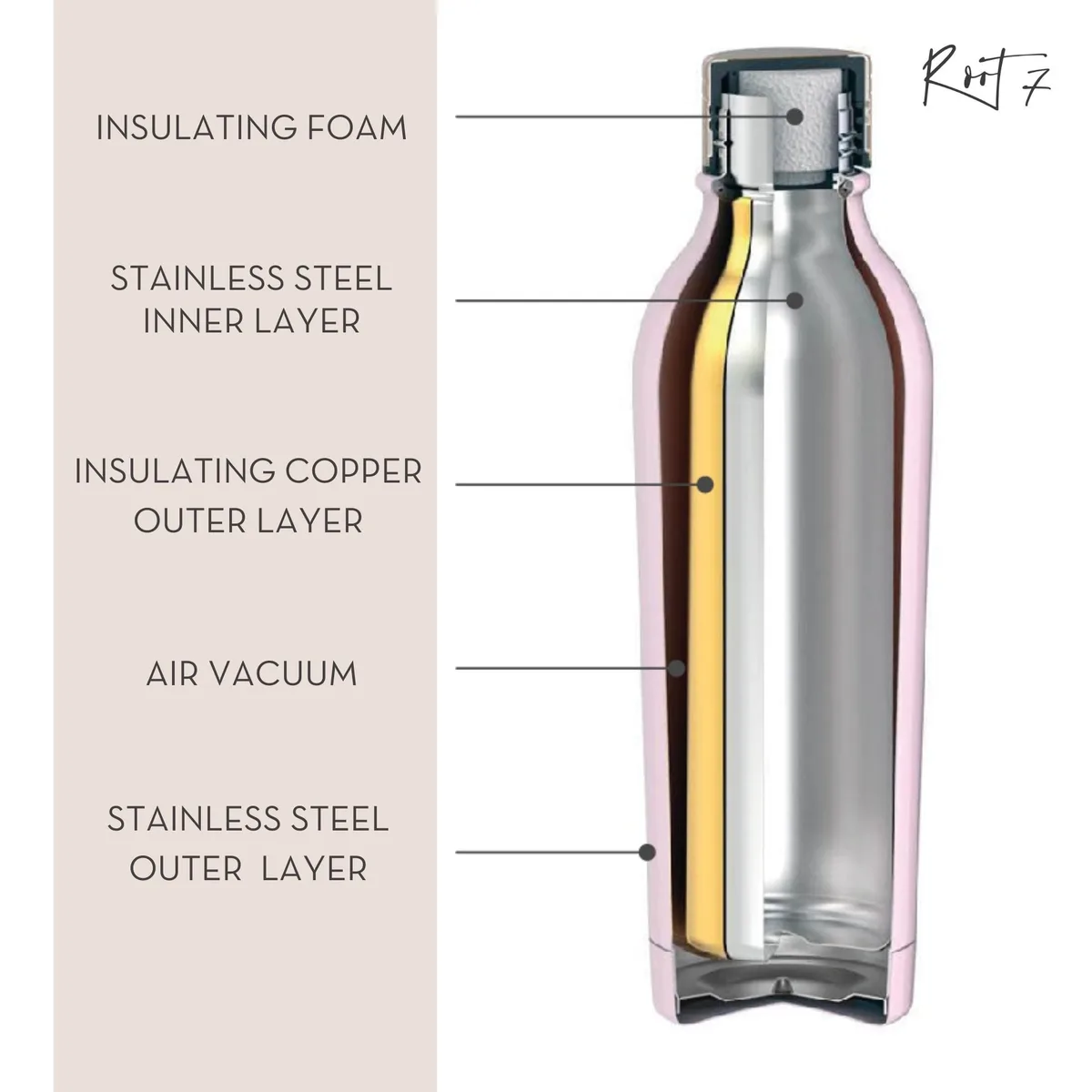
Image source: Web (Bing) / root7.com
If you want cold water for hours, a copper bottle will disappoint. If you want water at room temperature with trace copper minerals, that is a different goal. Pick the tool for the job.
The Real Problem: What You’re Actually Buying
Copper bottles are not all the same. The market right now, as of 2026, has three distinct categories. Knowing which one you hold makes all the difference.
Single-wall copper bottles (the common kind)
This is what most people buy. One thin layer of pure copper. No insulation.
No lining in many cases. These bottles are beautiful and traditional. They do not keep water cold.
What they actually do is infuse water with copper ions. That is the Ayurvedic purpose. Let the water sit overnight and drink it in the morning.
The temperature will be whatever the room temperature is.
These bottles range from $15 to $50. They weigh around 300 to 500 grams for a 750ml size. They are durable but require careful cleaning.
Double-wall insulated copper bottles
These exist but they are not what you think. Most so-called copper insulated bottles are actually stainless steel with a copper-colored coating. The outside looks copper.
The inside is stainless steel. They work great for keeping water cold because they have a vacuum layer.
True double-wall copper bottles are rare and expensive. Copper is soft and expensive to manufacture with a vacuum layer. Most manufacturers choose stainless steel for the inner wall.
That is fine for cold retention. It is not really a copper water bottle in the traditional sense.
How to check which one you’re getting before you buy
Look at the product description carefully. If it says “double wall” or “vacuum insulated,” it likely has a stainless steel interior. If it says “pure copper” or “hand hammered copper,” it is single-wall.
Check the weight. Single-wall copper bottles feel light for their size. Insulated bottles feel heavier.
Tap the side. Single-wall rings like a bell. Insulated makes a dull thud.
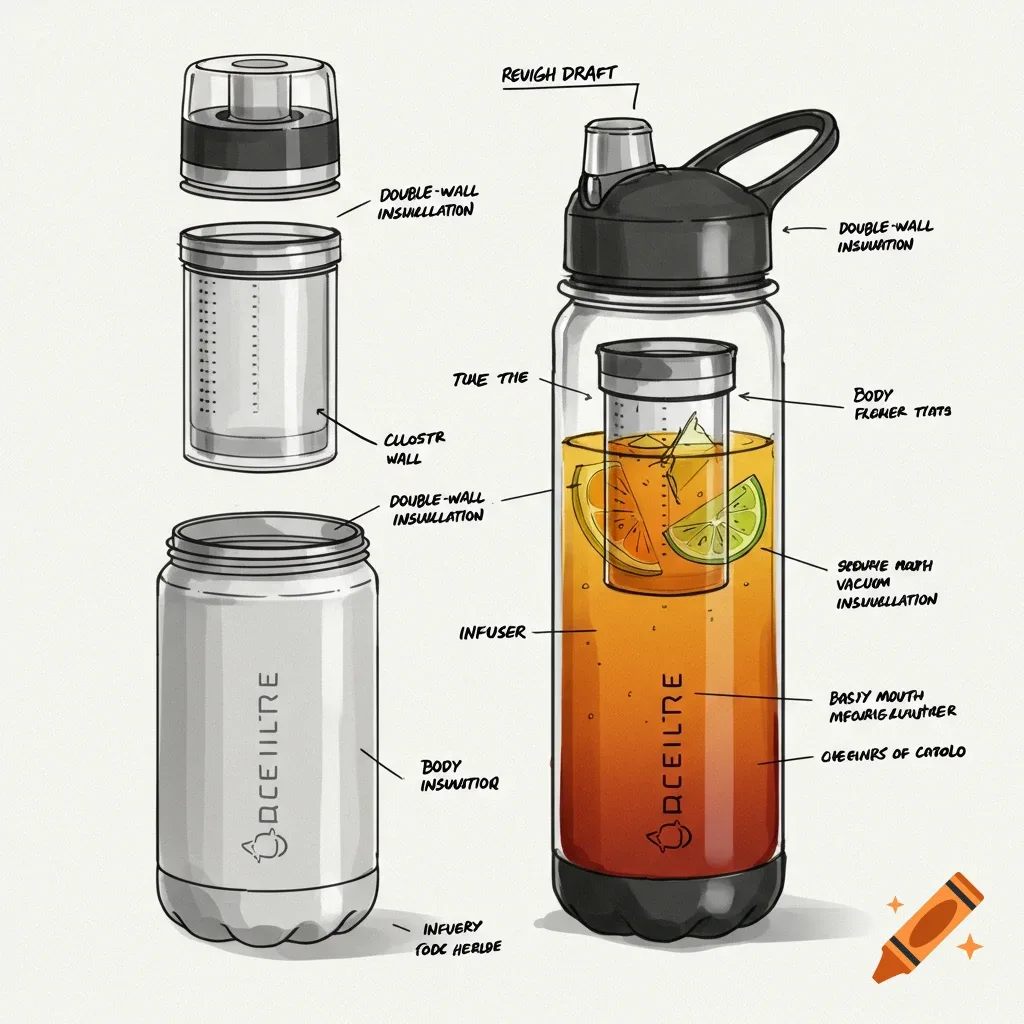
Image source: Web (Bing) / craiyon.com
Read the fine print. Many sellers list “copper bottle” but the interior is coated or stainless. That matters for both temperature and health.
We will cover the health side next.
Are Copper Water Bottles Safe for Everyday Use?
This is where the conversation gets serious. Temperature is a minor concern compared to safety. Copper is essential for your body in small amounts.
Too much causes problems.
The copper dose question
Copper leaches into water when stored in copper vessels. The amount depends on time, temperature, and water pH. A typical overnight soak at room temperature adds about 0.1 to 0.4 mg of copper per liter.
That is within safe limits.
The World Health Organization recommends no more than 2 mg per liter in drinking water. The FDA sets a similar limit of 1.3 mg per liter for copper in food contact surfaces. Most overnight infusions fall safely under those numbers.
Problems come from overuse. Drinking copper-infused water all day every day without breaks can push levels too high. Stomach upset, nausea, and headaches are early warning signs.
Who should avoid copper bottles entirely
Some people should not use copper bottles at all. This is not negotiable advice. If you have Wilson’s disease, a genetic condition that causes copper buildup, avoid copper entirely.
Your body cannot process excess copper.
People with liver conditions should also avoid copper water. The liver helps regulate copper levels. A compromised liver cannot do that job well.
Pregnant women and infants should stick with stainless steel or glass. The safe exposure limits are lower for developing bodies.
The acid warning
Never put acidic liquids in unlined copper. Lemon water, orange juice, soda, vinegar, or any citrus will leach copper at dangerously high rates. The acid eats into the metal.
Your drink becomes a copper solution.
One glass of lemon water in a copper bottle can release several times the safe daily limit. You may not taste the difference until the copper level is already high. The metallic taste is a warning sign.
Stick to plain water only. Room temperature water. That is what copper bottles are designed for.
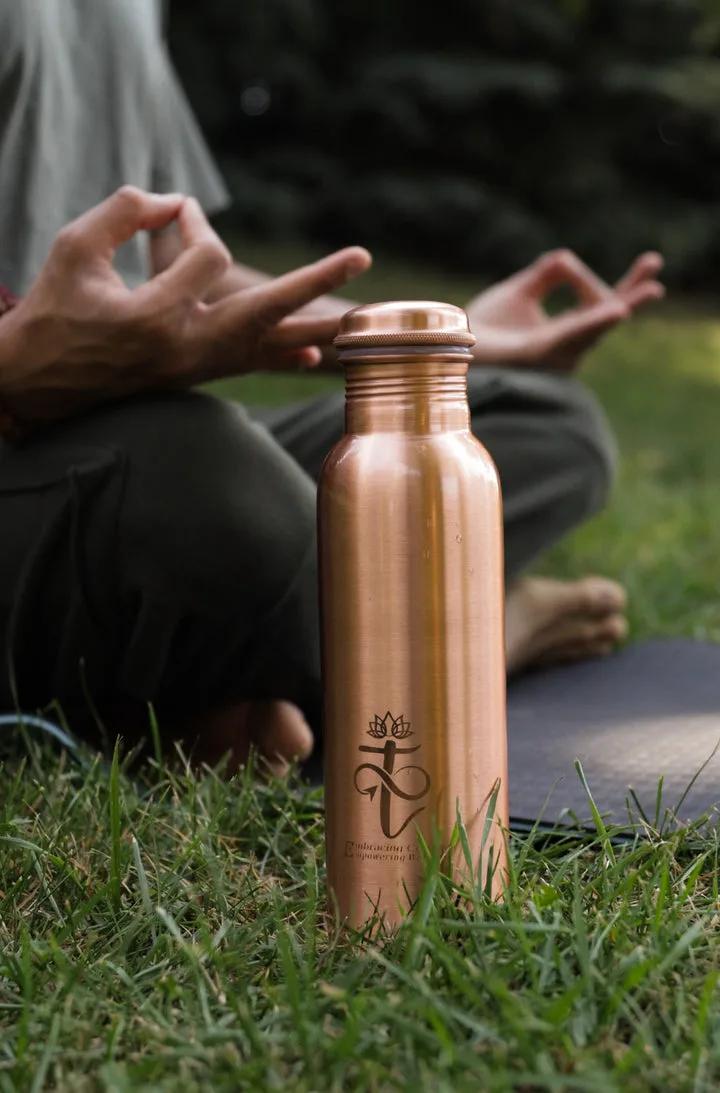
Image source: Web (Bing) / tatvakrti.com
Some bottles have a food-grade lacquer lining on the inside. That lining prevents copper from leaching into the water. It also stops the antimicrobial benefits.
You are basically drinking from a copper-colored regular bottle at that point. The lining can peel over time, creating its own health concerns.
Copper vs. Stainless Steel vs. Glass
If cold water is your goal, copper is the wrong choice. Three common materials dominate the reusable bottle market. Each one handles temperature differently.
Stainless steel with double-wall insulation wins for cold retention. Water stays cold for 12 to 24 hours. Ice cubes can last overnight.
The material does not react with water or acidic drinks. It is safe for lemon water, coffee, and juice.
Glass keeps water cold better than copper but worse than stainless. A thick glass bottle holds temperature for about two to three hours. Glass does not leach anything into your water.
It breaks easily though. Not great for hiking or the gym.
Copper sits at the bottom for insulation. Single-wall copper equalizes to room temperature within one to two hours. That is fine if you want room temperature water with trace minerals.
It is useless if you want a cold drink after lunch.
| Material | Cold retention | Reactive with acids | Durability | Best for |
|---|---|---|---|---|
| Stainless steel (insulated) | 12-24 hours | No | Very high | All-day cold drinks |
| Glass | 2-3 hours | No | Low | Home or office |
| Copper (single-wall) | 1-2 hours | Yes | High | Overnight mineral infusion |
Stainless steel is the safest all-around choice. Glass works well if you stay put. Copper is a niche tool for a specific wellness practice.
Match the bottle to your actual need.
Common Mistakes People Make With Copper Water Bottles
Believing copper naturally cools water
This is the biggest myth. Copper does not cool water. It conducts heat.
Your bottle feels cold to touch because it steals heat from your hand. The water inside warms up faster than it would in plastic or glass.
Using acidic drinks in unlined copper
We covered this in the safety section but it bears repeating. Lemon water in a copper bottle can release dangerous levels of copper. Some users report nausea within an hour.
Stick to plain room temperature water only if the bottle is unlined.
Improper cleaning
Copper is soft and reactive. Harsh scrubbers scratch the surface. Dishwashers cause discoloration.
Soap residue can leave a film. The best cleaning method is warm water, mild soap, and a soft cloth. Dry immediately to prevent water spots.
Buying cheap copper alloys
Not everything labeled copper is pure copper. Some bottles mix in brass or other metals. Lower quality alloys can contain lead or nickel.
Stick with reputable sellers who specify 99.9 percent pure copper. Check for a material safety data sheet or certification if available.
Using it every single day without breaks
Even safe levels of copper add up over time. Ayurvedic tradition typically recommends drinking copper water for a few weeks, then taking a break. A month on, a week off is a reasonable approach.
Listen to your body for signs of nausea or stomach upset.
How to Choose and Maintain a Copper Water Bottle
If you are set on buying one despite the temperature limitations, choose carefully. Look for pure copper with no alloy mixing. The seller should state 99.9 percent copper clearly.
Decide on lining. Unlined bottles give you the antimicrobial benefits and trace minerals. They require more maintenance.
Lined bottles are easier to clean but the lining can peel. A high quality food-grade lining that is FDA compliant is your safest bet if you go that route.
Size matters for your routine. A 750ml bottle lets you fill it before bed and drink the infused water in the morning. Larger bottles are heavier when full and harder to clean.
For cleaning, use a mixture of lemon juice and salt for a natural polish. Rinse thoroughly. Dry immediately.
Never soak the bottle for hours. Never put it in the dishwasher. The heat and detergents damage the copper surface and any lining.
Store your copper bottle with the lid off when not in use. Moisture trapped inside promotes tarnish. A little patina is normal and harmless.
Green or blue crust means you need to clean it. That color indicates oxidation and should be scrubbed off before the next use.
Frequently Asked Questions
Does copper water keep cold longer than plastic?
No. Plastic is actually a better insulator than copper. Plastic has low thermal conductivity.
Copper transfers heat about 400 times faster. A plastic bottle will keep water cold longer than a single-wall copper bottle.
How long does water stay cool in a copper bottle?
Expect about one to two hours depending on the starting temperature and room conditions. Ice water becomes cool within 30 minutes. Cool water reaches room temperature within an hour.
There is no insulation to slow the process.
Can I put ice in a copper water bottle?
Yes but it will melt faster than in an insulated bottle. Copper pulls heat from the room efficiently. Ice cubes work as a temporary cooling aid but do not expect them to last through a workday.
Consider a separate insulated bottle if ice retention matters to you.
Is it safe to drink copper water every day?
Moderate use is safe for most healthy adults. Limit yourself to two to three cups per day. Take a break after a few weeks.
If you experience nausea, headache, or stomach cramps, stop immediately. Consult a doctor if symptoms persist.
What is the difference between copper and brass water bottles?
Brass is an alloy of copper and zinc. Copper bottles are usually pure copper. Brass bottles can leach both metals into water at different rates.
Brass also has different antimicrobial properties. Some traditional wellness practices use brass but copper is more common.
Why does my copper bottle turn green?
Green color is patina. It forms when copper oxidizes from exposure to moisture and air. This is normal and harmless in small amounts.
Heavy green buildup means the bottle needs cleaning. Use lemon juice and salt to restore the shine. Rinse thoroughly before using again.