Many people who use traditional stovetop pressure cookers are familiar with the loud, rhythmic whistle that signals steam release and pressure building inside. But with electric pressure cookers becoming more popular worldwide, a common question arises: Does an electric pressure cooker whistle? If you’re considering buying one or recently made the switch, understanding how these appliances operate is important—not just for ease of use, but also for safety and cooking success.
Let’s explore how electric pressure cookers differ from their stovetop counterparts, why the whistle is missing, and what this means for your kitchen routines.
How Traditional Pressure Cookers Work
To understand why electric models don’t whistle, it helps to know how conventional stovetop pressure cookers function. These have a heavy lid and a rubber gasket that creates a tight seal. As water inside boils, steam builds up, increasing the pressure and raising the boiling point of water. When pressure reaches a set level, a weighted valve (the “whistle” or “pressure regulator”) lifts and lets out bursts of steam. Each whistle is a sign that pressure is maintained. In many countries, recipes use the number of whistles as a timing method.
Why The Whistle?
The whistle serves two main purposes:
- Pressure regulation – It prevents too much pressure from building up, releasing steam in controlled bursts.
- Cooking timer – In some cultures, cooks count whistles to know when food is done.
This system is simple, but also noisy and imprecise. The actual pressure varies depending on heat source, type of cooker, and even how full the pot is.
The Design Of Electric Pressure Cookers
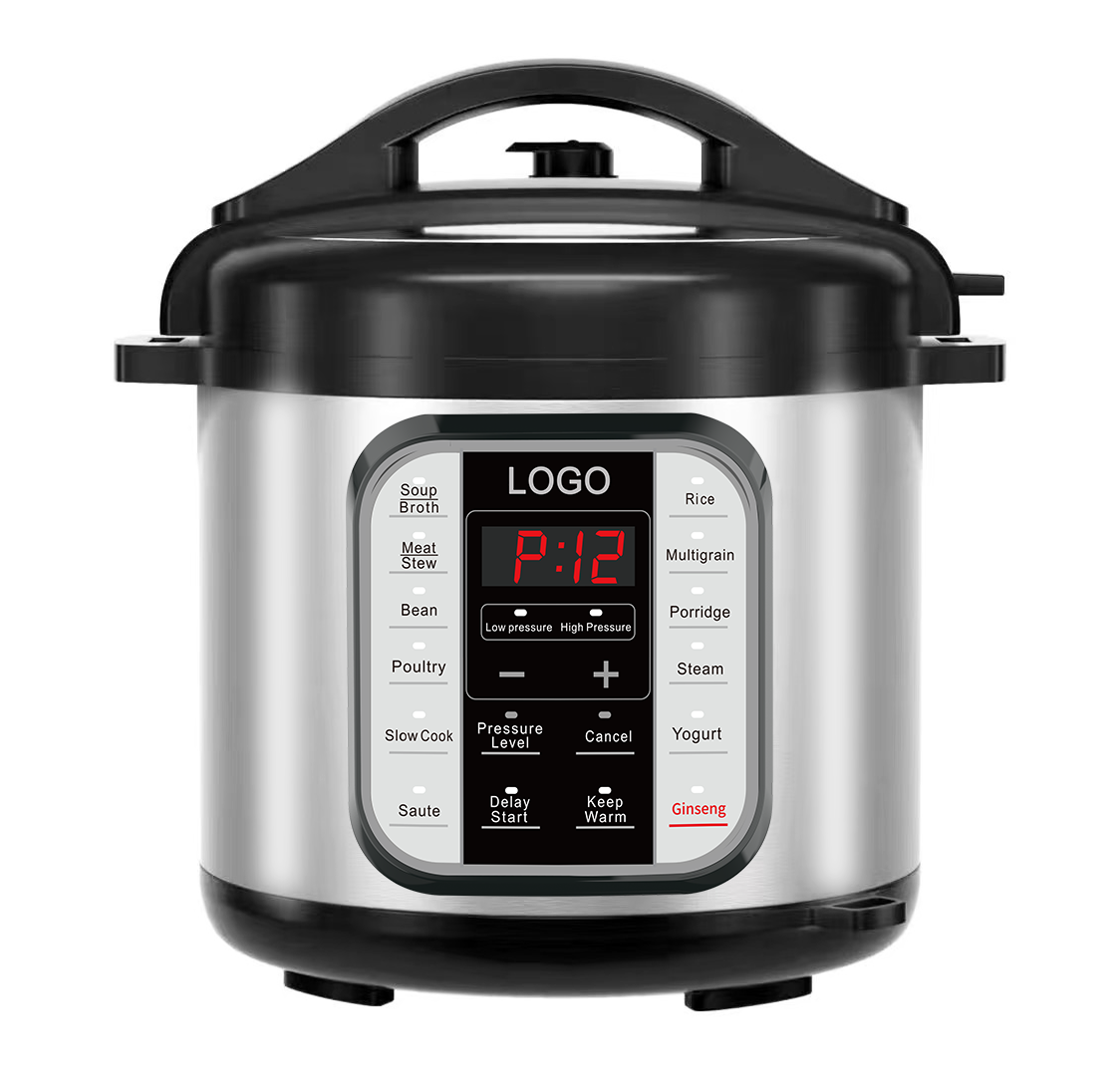
Electric pressure cookers, like the popular Instant Pot and similar brands, use a different approach. Their main components include:
- An electric heating element
- A microprocessor for monitoring temperature and pressure
- Multiple safety sensors
- A spring-loaded pressure valve (not a whistle)
- A digital control panel
These features allow for precise, automatic cooking cycles. Instead of relying on manual control and audible cues, electric models do the work for you.
What Happens To The Whistle?
Electric pressure cookers do not have a whistling mechanism. Instead, they are designed to be quieter and manage pressure through advanced sensors. Steam is only released at the end of cooking (when pressure is vented), or in rare cases of overpressure, using a quiet safety valve.
Key insight: If you’re waiting for a whistle with your electric cooker, you’ll be waiting forever. The appliance uses internal systems to monitor and adjust pressure—no whistling required.
Comparing Stovetop And Electric Pressure Cookers
To see the differences at a glance, consider the following comparison:
| Feature | Stovetop Cooker | Electric Cooker |
|---|---|---|
| Whistle Sound | Yes, loud and frequent | No, operates quietly |
| Pressure Control | Manual (by heat adjustment) | Automatic (sensors and microprocessor) |
| Cooking Timer | By counting whistles | By digital timer |
| Safety Features | Few, mostly mechanical | Multiple electronic safety sensors |
| Usage Complexity | Requires attention | Set and forget |
Non-obvious insight: The “set and forget” nature of electric cookers is possible precisely because there’s no whistle. The automation makes them safer and easier, but also less interactive.
How Electric Pressure Cookers Signal Cooking Stages
Since there’s no whistle to listen for, how do you know what’s happening inside an electric cooker? These devices use digital displays and beeps to signal stages like:
- Preheating/Building Pressure: A light or “preheat” message shows the cooker is working.
- Pressure Cooking: The timer counts down once pressure is reached.
- End of Cooking: A beep or display signals when cooking is done.
- Pressure Release: Steam may be released manually (quick release) or slowly (natural release), but this is quieter and less dramatic than a stovetop cooker.
Some models even let you set custom cooking times and keep food warm automatically.
Why Electric Pressure Cookers Don’t Whistle
There are several reasons why manufacturers eliminated the whistle:
- Safety: Quiet, sealed systems with digital controls are less likely to have dangerous pressure spikes.
- Precision: Automated pressure control gives consistent results. The “whistle count” is unreliable and can vary with conditions.
- Convenience: Electric cookers let you walk away—no need to monitor whistles or adjust heat.
- Home Environment: Many users prefer a quiet kitchen, especially in open-plan homes.
Practical tip: If you’re used to counting whistles, you’ll need to adjust. Learn to use the timer and program settings instead.
How To Adapt Whistle-based Recipes
Many traditional recipes, especially in South Asia and the Middle East, use whistles as a timing tool. If you’re moving to an electric pressure cooker, you’ll need to convert these recipes.
General Conversion Guide
Here’s a simple way to adapt recipes:
- Understand the Whistle-to-Time Ratio: On average, 1 whistle equals about 3-4 minutes at high pressure.
- Total Whistle Time: Multiply number of whistles by 3 or 4 to get total minutes under pressure.
- Set the Timer: Use this time as your electric cooker’s “pressure cook” setting.
- Account for Preheat and Release: Electric cookers take time to build and release pressure; this is usually not included in stovetop recipes.
Example
A recipe says “cook for 5 whistles.” That’s about 15-20 minutes at high pressure in an electric cooker. Set the timer for 17 minutes and use “natural release” for best results.
Non-obvious mistake: Many beginners forget that electric cookers take longer to preheat, so total cooking time is a bit longer than just the timer setting.
:max_bytes(150000):strip_icc()/sea-pressure-cookers-primary-nsimpson-59-6a0c8fce33fc41cf9cc55710bca76c4a.jpeg)
Credit: www.seriouseats.com
Pressure Release: Natural Vs. Quick Release
With no whistle to blow off steam during cooking, electric pressure cookers use two main release methods:
- Natural Release: The cooker is left to cool and lose pressure on its own. This is quiet and gentle, good for soups, beans, and meats.
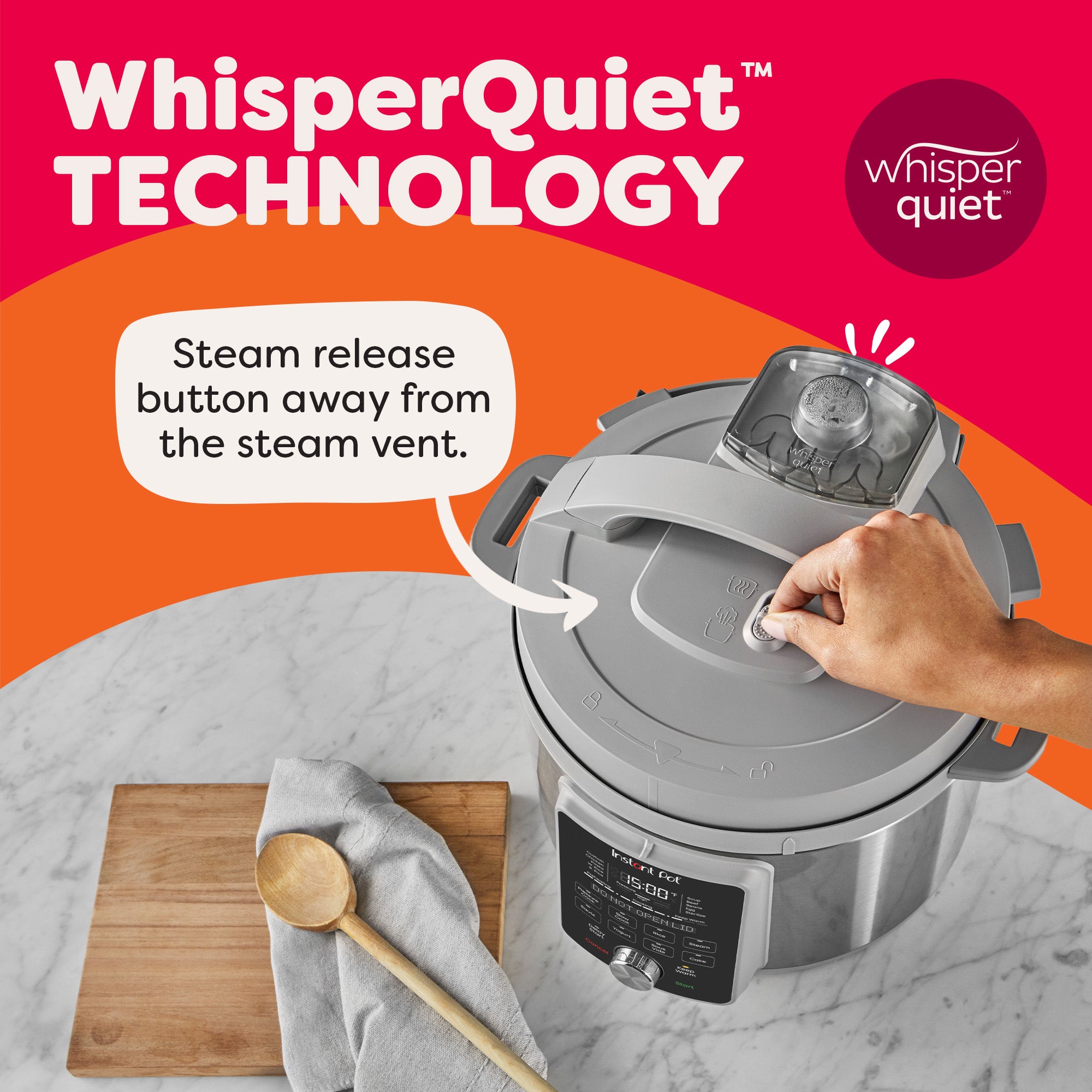
- Quick Release: A valve is turned or pressed to rapidly vent steam. Still quieter than a stovetop whistle, but there’s a noticeable hiss.
| Release Method | Best For | Noise Level | Steam Output |
|---|---|---|---|
| Natural Release | Soups, meats, stews | Very quiet | Minimal steam |
| Quick Release | Vegetables, quick-cooking foods | Moderate hiss | Visible steam jet |
Pro tip: Some foods foam or splatter during quick release. If in doubt, use natural release.
Common Questions And Concerns
Is It Safe That There’s No Whistle?
Yes. In fact, electric pressure cookers are considered safer because they use multiple sensors and automatic shut-offs. The lack of a whistle means less chance for user error or burns from escaping steam.
Will I Miss The Whistle?
Some users say they miss the familiar sound, but most appreciate the peace and quiet. If you’re nostalgic for the whistle, remember: the electric cooker’s safety and convenience are a good trade-off.
Can I Open The Lid During Cooking?
No. The lid stays locked until pressure is safely released. This is another reason for the quiet operation—you can’t accidentally open the pot under pressure.
Credit: instantpot.com
Real-world Example: Cooking Lentils
Suppose you want to cook lentils. A stovetop recipe says “4 whistles.” Here’s how you do it in an electric pressure cooker:
- Add lentils, water, and spices as usual.
- Close the lid and set to “Pressure Cook” or “Manual” mode.
- Set timer for about 12-16 minutes (4 whistles x 3-4 minutes).
- Wait for the display to beep.
- Let pressure release naturally or use quick release.
Result: You get perfectly cooked lentils, with no need to listen for whistles or monitor the stove.
Pros And Cons Of Electric Pressure Cookers
To sum up the differences, here’s a quick overview:
| Aspect | Electric Cooker | Stovetop Cooker |
|---|---|---|
| Noise | Quiet | Loud whistles |
| Pressure Control | Automatic | Manual |
| Timer | Digital, accurate | Whistle-based, variable |
| Safety | Advanced sensors | Basic mechanical |
| Convenience | Set and forget | Needs attention |
Credit: www.alibaba.com
The Future Of Pressure Cooking
As technology continues to improve, electric pressure cookers are becoming the standard in many homes. Their automation, safety features, and quiet operation make them suitable for modern lifestyles. While the whistle is a thing of the past in these devices, the ability to prepare healthy, fast meals remains—and in many ways, is even enhanced.
If you’re still unsure, try using both types side by side. You’ll quickly see the advantages of electric models, especially for busy families or those who want consistent results.
Unexpected insight: Some electric models can even be used as slow cookers, rice cookers, or yogurt makers. This versatility is only possible because of the smart pressure management—another reason the whistle isn’t needed.
For further reading on pressure cooking technology and safety, see this Wikipedia article.
Frequently Asked Questions
Why Doesn’t My Electric Pressure Cooker Make A Whistle Sound?
Electric pressure cookers use internal sensors to control pressure and temperature. They don’t need a mechanical whistle because everything is managed digitally and safely. The appliance quietly holds pressure until the cooking cycle is complete.
How Do I Know When My Electric Pressure Cooker Is Done?
The cooker will beep or display a message on its screen when the timer reaches zero. Some models automatically switch to a keep warm mode. There’s no whistle, so rely on the display and sounds from the appliance itself.
Can I Use Whistle-based Recipes With My Electric Pressure Cooker?
Yes, but you’ll need to convert whistles to minutes. Each whistle is about 3-4 minutes of pressure cooking. Set your electric cooker’s timer to the total time for best results.
Is It Normal For Steam To Come Out When Using The Quick Release?
Yes. When you use the quick release, steam escapes rapidly but quietly compared to a stovetop whistle. This is a normal part of releasing pressure safely.
Are Electric Pressure Cookers Safer Than Stovetop Models?
Generally, yes. Electric models have multiple sensors and safety features that make them very safe for home use. The lack of a whistle is part of their quiet, controlled operation.
Switching from a traditional stovetop pressure cooker to an electric model means saying goodbye to the familiar whistle. But with improved safety, convenience, and flexibility, most users find this a welcome change. The new technology makes pressure cooking easier, quieter, and more reliable for everyone.