Does Inverter Refrigerator Save Electricity?
If you’re shopping for a new refrigerator, you probably notice a growing trend: inverter refrigerators. Brands often say these models save electricity, run quieter, and last longer. But do inverter refrigerators really save electricity? Or is this just marketing talk? Let’s dive deep and find out, using clear explanations, practical comparisons, and real data.
What Is An Inverter Refrigerator?
A refrigerator keeps food cold by running a compressor. In traditional models, the compressor works in a simple way: it turns ON and OFF at full speed to keep the right temperature. This is called non-inverter technology.
An inverter refrigerator uses a smart compressor. Instead of turning ON and OFF, it changes speed based on the cooling needed. If the inside is already cold, the compressor slows down and uses less power. If you open the door or put in warm food, it speeds up to cool quickly.
This difference is at the heart of the “energy saving” claim. But how much does it matter? Let’s look at the facts.
How Inverter Refrigerators Save Electricity
The main reason inverter refrigerators save electricity is their ability to adjust compressor speed. Here’s how it works in practice:
- Continuous Operation at Low Speed: The compressor rarely turns off completely. It runs at low speed most of the time, using less electricity.
- Fewer Power Surges: Old-style compressors use a lot of power when starting. Inverter models avoid these sudden surges, which saves energy.
- Stable Temperature: By adjusting speed, the temperature inside stays more stable. This reduces the need for extra cooling.
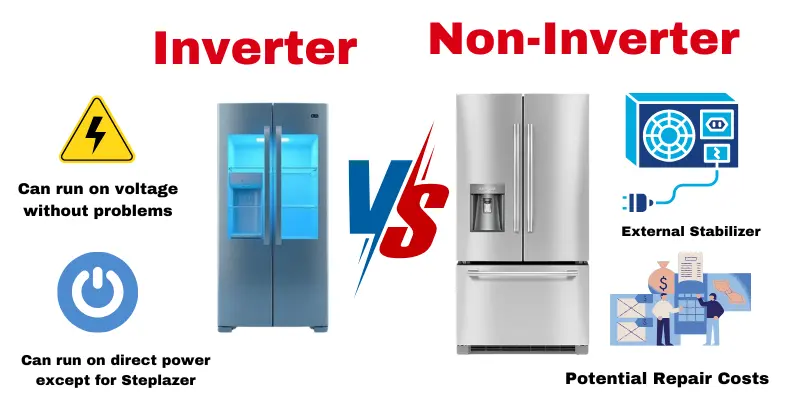
Let’s compare the two types in a simple table:
| Feature | Non-Inverter | Inverter |
|---|---|---|
| Compressor Operation | On/Off | Variable Speed |
| Energy Use | Higher (more spikes) | Lower (steady) |
| Temperature Control | Less stable | More stable |
| Noise Level | Loud when starting | Quieter overall |
Credit: fridgeacguide.com
Real-world Electricity Savings: Data And Examples
Manufacturers often claim inverter refrigerators save 20–40% electricity compared to traditional models. But what do studies and real users say?
Statistics From Research
- According to a study by the Bureau of Energy Efficiency (India), inverter refrigerators can save up to 30% on electricity bills compared to non-inverter models.
- A test by Consumer Reports found inverter fridges use about 15–25% less power over a year.
Practical Example
Let’s say you use a standard refrigerator that consumes 400 kWh per year. If you switch to an inverter model, your usage might drop to 300 kWh per year. With an average US electricity rate of $0.15 per kWh, you save about $15 per year.
Here’s a simple comparison:
| Model Type | Annual Energy Use (kWh) | Annual Cost ($) |
|---|---|---|
| Non-Inverter | 400 | 60 |
| Inverter | 300 | 45 |
Over ten years, this could mean a savings of $150. If electricity prices go up, the savings will be even bigger.
Non-obvious Insight
Many buyers miss this: the actual savings depend on usage. If you open the fridge often, put in hot food, or live in a hot climate, an inverter refrigerator’s ability to adjust speed becomes even more valuable. It avoids big spikes in electricity use, especially in busy households.
Other Benefits Linked To Electricity Saving
While saving electricity is the main selling point, inverter refrigerators also offer:
- Less noise: Because the compressor doesn’t start and stop with a bang, the fridge runs quieter.
- Longer lifespan: Smooth operation means less wear and tear. Compressors last longer, which saves money over time.
- Better food preservation: More stable temperatures help keep food fresh.
These benefits are not always obvious when you’re shopping, but they make a difference in daily life.
Factors That Influence Electricity Savings
Not every inverter refrigerator saves the same amount of electricity. Here’s what matters:
1. Size And Capacity
Large refrigerators use more power. But even a big inverter model will be more efficient than a similar-sized non-inverter.
2. Energy Star Rating
A higher Energy Star rating means better efficiency. Always compare ratings, not just the inverter feature.
3. Usage Habits
- Frequent opening
- Overloading with warm food
- Poor ventilation
These habits can affect electricity use. Inverter models adapt better but still work harder if you’re careless.
4. Climate
In hot climates, fridges work harder. Inverter technology shines here, as it adjusts smoothly to more frequent cooling needs.
5. Maintenance
Dirty coils, blocked vents, or failing seals make any fridge less efficient. Regular maintenance is key, even for inverter models.
Common Misunderstandings About Inverter Refrigerators
Some buyers believe buying an inverter refrigerator will cut their electricity bill in half. In reality, the savings are significant but not extreme.
Misconception 1: “all Inverter Refrigerators Are Super Efficient.”
Efficiency depends on the model, size, and rating—not just the compressor type.
Misconception 2: “inverter Means Zero Maintenance.”
You still need to clean coils, check seals, and avoid overloading.
Misconception 3: “inverter Models Are Always Expensive.”
While inverter fridges used to cost more, prices are now competitive. Sometimes, the difference is small, especially for popular brands.
Credit: www.alibaba.com
Are Inverter Refrigerators Worth The Extra Cost?
Let’s look at the numbers:
- Average price difference: Inverter models are $50–$200 more expensive than similar non-inverter types.
- Average annual savings: $15–$30 per year on electricity.
- Lifespan: Most fridges last 10–15 years.
If you keep your refrigerator for ten years, the electricity savings alone can cover the price difference. Plus, you get quieter operation and longer compressor life.
Here’s a comparison table:
| Feature | Non-Inverter | Inverter |
|---|---|---|
| Initial Cost | $500 | $650 |
| Annual Energy Cost | $60 | $45 |
| Expected Lifespan | 10 years | 12 years |
| Noise Level | Moderate | Low |
Non-obvious insight: If you use your fridge less often (for example, single-person households), the savings may be smaller. But in busy families or warmer regions, the benefits grow.
Tips For Maximizing Electricity Savings
If you want to get the most from your inverter refrigerator:
- Choose the right size: Don’t buy a bigger fridge than you need.
- Check Energy Star rating: Higher ratings are worth paying for.
- Allow ventilation: Leave space around the fridge for airflow.
- Avoid overloading: Too much food blocks cold air circulation.
- Keep coils clean: Vacuum or wipe coils every few months.
- Set the right temperature: Most fridges work best at 37–40°F (3–4°C).
- Don’t put hot food inside: Let it cool before storing.
These steps help both inverter and non-inverter fridges, but inverter models respond better to good habits.
How To Decide If An Inverter Refrigerator Is Right For You
Ask yourself:
- Do you live in a hot climate?
- Is your fridge opened often?
- Do you want quieter operation?
- Are you planning to keep the fridge for years?
If you answer “yes” to most questions, an inverter refrigerator is a smart choice. The energy savings are real, but the extra comfort and durability make it even better.
If your fridge use is light and your electricity rates are low, a non-inverter model may still be fine. Always compare Energy Star ratings, not just the inverter label.
Frequently Asked Questions
What Is The Main Difference Between Inverter And Non-inverter Refrigerators?
The main difference is the compressor. Non-inverter fridges use compressors that turn ON and OFF at full speed. Inverter fridges have compressors that adjust speed based on cooling needs, making them more efficient and quieter.
How Much Electricity Can I Save With An Inverter Refrigerator?
Most users can expect to save 15–30% on electricity compared to traditional models. Savings depend on usage, climate, and model efficiency.
Are Inverter Refrigerators More Expensive To Repair?
Inverter compressors use more advanced technology. Repairs can cost more if the compressor fails, but breakdowns are less common due to smoother operation.
Do Inverter Refrigerators Work Better In Hot Climates?
Yes. They adjust compressor speed to match cooling needs, making them more efficient in places where the fridge works harder due to high temperatures.
Is The Inverter Feature The Most Important Thing To Consider?
No. It’s important, but also compare Energy Star ratings, size, brand reputation, and features. A well-rated non-inverter fridge can be efficient, but inverter models usually offer extra benefits.

Credit: shop.haierindia.com
Final Thoughts
Inverter refrigerators are not just a trend—they really do save electricity. By adjusting compressor speed, they use less power, run quieter, and last longer. For most homes, the savings are real and noticeable, especially in busy families or warmer climates.
But don’t buy based only on the inverter label. Compare ratings, check your needs, and look for smart features.
If you want more detailed technical info, visit the Wikipedia page on inverter technology. Making an informed choice today can mean lower bills and more comfort for years to come.