Many people wonder if using a microwave oven ruins the nutrients in food. Some believe that microwaving makes meals less healthy than other cooking methods. You might have heard friends say, “Microwaves kill vitamins!” But is this true, or is it just a myth that keeps spreading?
The answer is more complex than a simple yes or no.
This article looks closely at how microwaves work, what happens to nutrients when food is cooked, and compares microwaving with other cooking methods. By the end, you’ll know whether you need to worry about nutrient loss from your microwave—and how to keep your meals as healthy as possible.
How Microwaves Cook Food
To understand nutrient changes, it helps to know what a microwave does. A microwave oven uses microwave radiation—not the kind that makes things radioactive—to heat food. These waves cause water molecules in the food to vibrate. The vibration produces heat, which warms up the food from the inside out.
Unlike boiling or frying, microwaving does not require much oil or water. Food cooks quickly and often at lower temperatures than some traditional methods. This short cooking time and lower heat can actually help preserve nutrients that are sensitive to heat.
What Happens To Nutrients During Cooking?
Nutrients in food can change during cooking. The most sensitive are:
- Water-soluble vitamins (like vitamin C and B vitamins)
- Fat-soluble vitamins (like vitamins A, D, E, and K)
- Minerals (such as potassium and magnesium)
Water-soluble vitamins are the most likely to break down when heated or dissolved in water. Fat-soluble vitamins are more stable but can still be lost if cooked at high temperatures. Minerals usually remain in food but may be lost in cooking water.
Cooking can actually make some nutrients more available. For example, lycopene in tomatoes and beta-carotene in carrots become easier for the body to absorb after cooking.
Comparing Nutrient Loss: Microwave Vs. Other Methods
People worry that microwaving is worse for nutrients than other cooking methods. But research shows that this is not always true. In fact, microwaving often preserves nutrients better than boiling or frying.
Here’s a comparison of vitamin C loss in broccoli using different cooking methods:
| Cooking Method | Vitamin C Retained (%) |
|---|---|
| Microwave | 85-90 |
| Steaming | 80-90 |
| Boiling | 45-60 |
| Stir-frying | 70-80 |
As you can see, microwaving keeps more vitamin C than boiling. This is because less water is used, and cooking time is shorter. Boiling causes more vitamins to leach into the cooking water, which is often thrown away.
Another study found that microwaving spinach resulted in only a 9% loss of folate, compared to 77% when boiled.
Factors That Affect Nutrient Retention In The Microwave
Just because microwaving can preserve nutrients doesn’t mean it always does. Some choices you make matter:
1. Cooking Time
The longer food is cooked, the more nutrients can break down. Microwaves cook quickly, which is usually better for vitamins.
2. Amount Of Water
Using a lot of water in the microwave—such as when poaching or steaming—can cause water-soluble vitamins to dissolve and be lost. Cooking with little or no added water helps keep nutrients in the food.
3. Power Level
High power can heat food unevenly. Some parts may become very hot, causing more nutrient loss. Using medium power and stirring food during cooking helps it heat evenly.
4. Food Size And Shape
Smaller, evenly cut pieces cook faster and more evenly. This reduces the chance of overcooking some areas while leaving others undercooked.
5. Covering Food
Covering food with a microwave-safe lid or wrap helps keep moisture and heat in, reducing cooking time and preserving more nutrients.
Credit: recipes.howstuffworks.com
Common Myths About Microwaves And Nutrients
You may have heard these statements before. Let’s look at the facts.
“microwaves Destroy All Nutrients”
This is not true. All cooking methods cause some nutrient loss. In most cases, microwaving keeps more nutrients than boiling or frying. The key is to avoid overcooking.
“microwaves Make Food Radioactive”
Microwaves use non-ionizing radiation, which means they do not make food radioactive or toxic. The waves simply cause water molecules to vibrate and heat up the food.
“plastic Containers Release Harmful Chemicals”
Some plastics can leach chemicals like BPA when heated. Always use containers labeled microwave-safe. Glass or ceramic is best. Avoid heating food in old or cracked plastic containers.
“microwaving Kills Enzymes In Food”
Cooking, in general, destroys enzymes, not just microwaving. Enzymes help food ripen or spoil, but are not needed after eating. Your body uses its own enzymes for digestion.
When Microwaving Can Lead To More Nutrient Loss
Although microwaving usually preserves nutrients, there are situations where it can cause more loss:
- Using too much water: For example, microwaving vegetables in a bowl of water can cause water-soluble vitamins to leak out.
- Overcooking: Microwaving for too long, especially at high power, can break down vitamins just like boiling or frying.
- Not stirring or rotating food: Uneven heating can cause some parts of the food to get much hotter than others, leading to more nutrient loss in those spots.
Here is a simple table showing how different practices affect nutrient retention when microwaving:
| Practice | Nutrient Retention |
|---|---|
| Microwaving with little water | High |
| Microwaving with lots of water | Low |
| Short cooking time | High |
| Long cooking time | Low |
| Covered, even heating | High |
| Uncovered, uneven heating | Low |
Tips For Keeping Nutrients When Using The Microwave
If you want to get the most nutrition from your microwave-cooked food, follow these tips:
- Use as little water as possible. Steam or microwave vegetables with just a splash of water.
- Cut food into small, even pieces. This helps food cook quickly and evenly.
- Use a microwave-safe lid or wrap. This keeps steam in and reduces cooking time.
- Use lower power for longer if reheating. This prevents overcooking outer layers.
- Stir or rotate food halfway through. Even heating means less chance of nutrient loss.
- Don’t overcook. Check food often and stop cooking as soon as it’s done.
You might be surprised to learn that the microwave is actually one of the best ways to keep vitamins in vegetables—if used correctly.
Real-world Example: Cooking Broccoli
Let’s look at how microwaving compares to other methods when cooking broccoli:
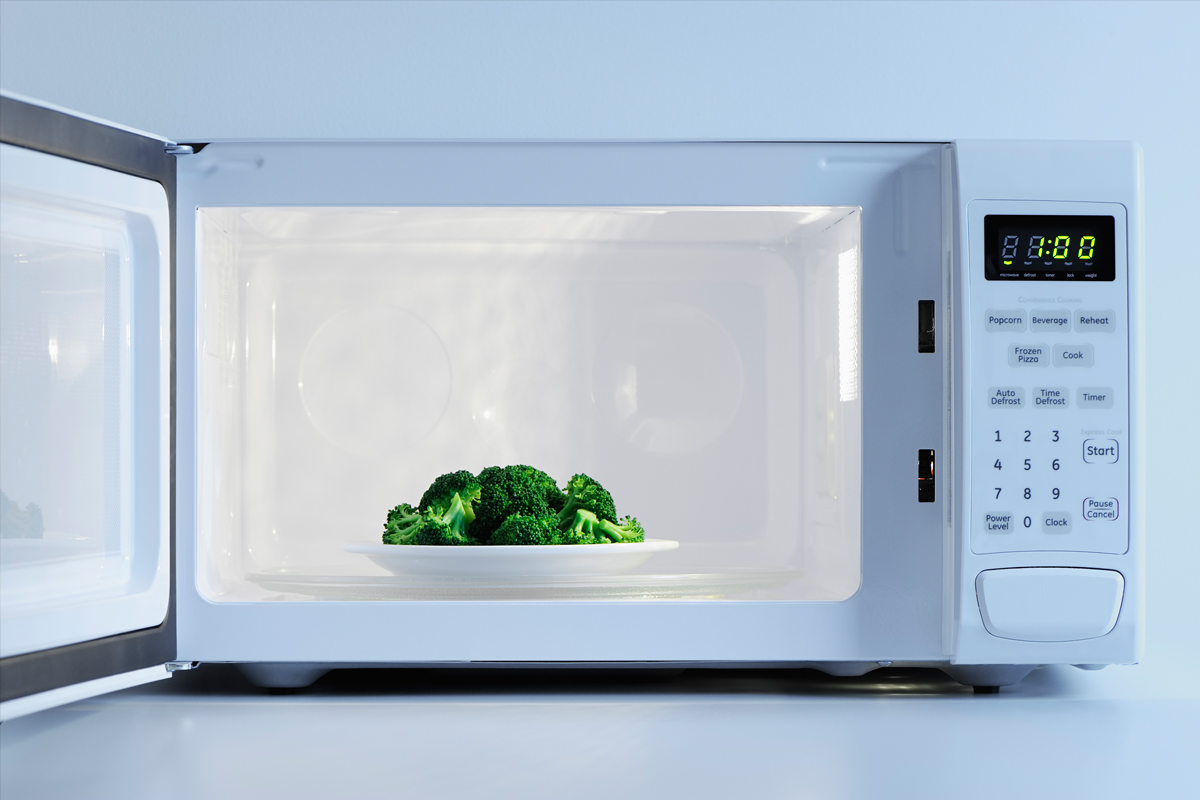
- Microwaving broccoli with minimal water for 3-4 minutes keeps more vitamin C and glucosinolates (plant compounds believed to have health benefits) than boiling.
- Boiling broccoli for 8 minutes causes almost half the vitamin C to be lost in the water.
- Steaming is also good for keeping nutrients, but can take longer than microwaving.
A study from the Journal of Food Science found that microwaving with little water preserved 90% of vitamin C in broccoli, compared to only 55% when boiled. For busy people who want to eat healthy, microwaving vegetables is a smart choice.

Credit: www.reallivingnutrition.com
Are Some Nutrients At Risk?
There are a few nutrients that can be lost more easily, no matter the cooking method. Vitamin C, thiamin (vitamin B1), and folate are the most sensitive to heat and water. However, because microwaves use less heat and water, they usually keep more of these vitamins than boiling.
For minerals like potassium or magnesium, the main risk is losing them in cooking water. Since microwaving uses little or no water, most minerals stay in your food.
Comparing Microwaving And Other Cooking Methods: Pros And Cons
Here’s a quick overview to help you decide which method is best for preserving nutrients in your meals:
| Cooking Method | Pros | Cons |
|---|---|---|
| Microwave | Short cooking time, little/no water, good vitamin retention | Can overcook if not careful, uneven heating |
| Boiling | Simple, easy for large batches | High vitamin loss into water |
| Steaming | Good for vitamin retention, gentle heat | Slower than microwaving |
| Frying | Adds flavor, fast | Uses oil, can break down vitamins with high heat |
Two Insights Most People Miss
- Nutrient loss happens in all cooking. Some people think eating raw is always better, but cooking can make some nutrients easier to absorb. For example, cooked carrots and tomatoes provide more beta-carotene and lycopene.
- How you cook matters more than the tool. The amount of water and cooking time have a bigger impact on vitamins than whether you use a microwave or a pan.
What The Experts And Research Say
Most nutrition experts agree: Microwaving is one of the best ways to keep vitamins in food. A review published in the journal Comprehensive Reviews in Food Science and Food Safety found that microwaving usually preserves more nutrients than boiling or frying. The United States Department of Agriculture (USDA) also notes that microwaving is a healthy way to prepare vegetables.
For more details, you can read a summary from the Harvard T.H. Chan School of Public Health.
Final Thoughts
So, does the microwave destroy nutrients? The answer is no—at least, not any more than other cooking methods. In fact, microwaving food, especially vegetables, can actually help keep more vitamins and minerals. The most important things to remember are to use little water, avoid overcooking, and use microwave-safe containers.
Microwaves are convenient, fast, and can be a very healthy way to cook. By following a few simple tips, you can keep your meals both quick and nutritious.
Frequently Asked Questions
Does Microwaving Food Make It Less Healthy?
No, microwaving does not make food less healthy. It actually preserves more nutrients than many traditional cooking methods, as long as you use little water and don’t overcook the food.
Is It Safe To Microwave Food In Plastic Containers?
You should only use containers labeled microwave-safe. Some plastics can release harmful chemicals if heated. For best results, use glass or ceramic containers.
Which Nutrients Are Most Affected By Microwaving?
Vitamin C, folate, and some B vitamins are most sensitive to heat and water. However, microwaving usually preserves more of these nutrients compared to boiling.
Can Microwaving Food Destroy Protein Or Fiber?
No, microwaving does not destroy protein or fiber. These nutrients are stable during normal cooking, whether by microwave or other methods.
Is It Better To Eat Vegetables Raw Or Microwaved?
Both raw and microwaved vegetables are healthy. Some nutrients, like vitamin C, are higher in raw foods, while others, like beta-carotene, are more available after cooking. Microwaving with little water helps keep the best balance of nutrients.
:max_bytes(150000):strip_icc()/Does-Microwaving-Your-Food-Destroy-Nutrients-ed0e64c9282540ccb6eca55620761f8f.jpg)
Credit: www.eatingwell.com