Skip to content
Sous vide has become a favorite cooking technique for both home cooks and chefs. It’s famous for making perfectly cooked steak, juicy chicken, and tender vegetables. But as more people pay attention to food safety and plastic use, a new question appears: Does sous vide cooking release microplastics?
Let’s explore the facts, the science, and what you can do to keep your food safe.
What Is Sous Vide Cooking?
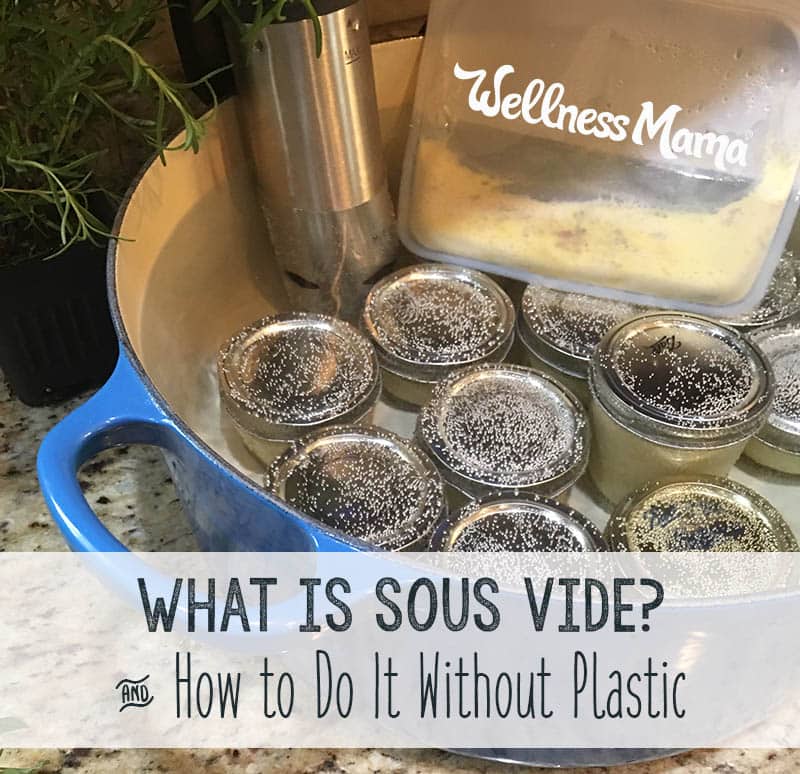
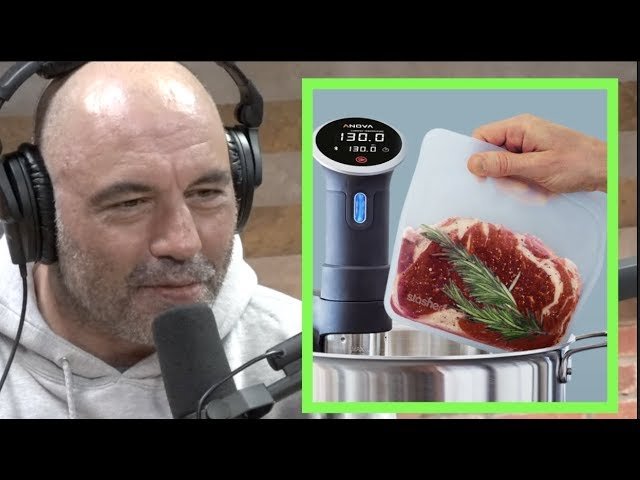
Sous vide (pronounced “soo veed”) means “under vacuum” in French. It’s a method where you seal food in a plastic bag and cook it in a water bath at a precise, low temperature for a long time. This gentle process helps food stay moist, keeps flavors strong, and produces even results.
Typical sous vide temperatures range from 120°F to 185°F (about 49°C to 85°C). After cooking, many people quickly sear the food in a hot pan for flavor.
Sous vide uses several types of plastic bags:
- Vacuum-seal bags designed for food use
- Zip-top freezer bags
- Special reusable silicone bags
Understanding Microplastics
Microplastics are tiny plastic pieces smaller than 5 millimeters. They come from breaking down larger plastics or are made small on purpose (like microbeads in some cosmetics). Microplastics are a concern because they can end up in our food, water, and even the air we breathe.
Research shows microplastics can be found in:
- Bottled water
- Seafood
- Table salt
- Some packaged foods
While the full effects of eating microplastics are still being studied, scientists worry about possible links to health problems, including inflammation and hormone changes.
Credit: wellnessmama.com
How Plastics Interact With Food
Not all plastics are the same. Plastics used for sous vide are usually food-safe, meaning they’re tested to make sure they don’t release dangerous chemicals at cooking temperatures. However, heating plastic does increase the chance that small amounts of chemicals or particles might transfer to food.
The main ways plastics might interact with food include:
- Leaching: Chemicals like BPA or phthalates can move from plastic into food, especially when heated.
- Shedding: Tiny pieces of plastic (microplastics) might break off and mix with food.
Let’s see how these risks relate to sous vide.
Scientific Evidence: Does Sous Vide Release Microplastics?
Research on microplastics in sous vide is still new, but a few studies help us understand the risks.
- A 2021 study published in *Environmental Science & Technology* found that boiling or heating food in plastic packaging can release microplastics into the food. The amount depends on the type of plastic, temperature, and time.
- Polypropylene (PP) and polyethylene (PE), common in sous vide bags, are more stable at sous vide temperatures than other plastics. Most sous vide cooking happens below the melting point of these plastics.
Here’s a simple comparison of plastic melting points and typical sous vide temperatures:
| Plastic Type | Melting Point (°F) | Common Sous Vide Temp (°F) | Risk of Melting/Shedding |
|---|---|---|---|
| Polyethylene (PE) | 230–266 | 120–185 | Low |
| Polypropylene (PP) | 266–320 | 120–185 | Low |
| Polyvinyl Chloride (PVC) | 160–210 | 120–185 | Moderate |
Most food-grade sous vide bags are made from PE or PP, which are considered safe for sous vide temperatures. However, poor-quality or non-food plastics may release more particles.
Key insight: Even though sous vide uses plastics at safe temperatures, tiny amounts of microplastics can still be released, but these are generally much lower than from boiling or microwaving in plastic.
Credit: www.youtube.com
Factors That Increase Microplastic Release
Several things can affect how many microplastics end up in your food when cooking sous vide:
1. Temperature
Higher temperatures make plastics more likely to release chemicals or shed particles. Sous vide keeps temperatures low compared to boiling, which helps reduce this risk.
2. Cooking Time
Longer cooking means more contact time between food and plastic. Sous vide recipes can last from 1 hour to 48 hours, which increases the chance of release, even at low heat.
3. Type And Quality Of Bag
Food-safe bags are tested for heat stability, but cheaper bags may use lower-quality plastic that sheds more microplastics. Reusing bags also increases the risk.
4. Fat Content
Fatty foods (like marbled steaks or salmon) can cause more leaching of chemicals from plastic compared to water-based foods.
Here’s a quick look at how these factors compare:
| Factor | Effect on Microplastic Release |
|---|---|
| High temperature | Increases risk |
| Long cooking time | Moderate increase |
| Poor-quality plastic | Significant increase |
| High-fat foods | Moderate increase |
How Does Sous Vide Compare To Other Cooking Methods?
Many people worry about plastics in sous vide, but how does it compare to other methods? Let’s see:
| Cooking Method | Plastic Contact | Microplastic Risk |
|---|---|---|
| Sous vide | Plastic bag, low temp, long time | Low to moderate |
| Microwaving in plastic | Plastic container, high temp, short time | Moderate to high |
| Boiling in plastic (e.g., boil-in-bag rice) | Plastic bag, high temp, short time | Moderate |
| Baking in non-stick pans | No plastic contact | None |
Sous vide is safer than microwaving or boiling food in plastic, as the temperatures are lower and food-safe bags are used. But it is not completely risk-free.

Credit: millionmarker.com
How To Minimize Microplastic Exposure In Sous Vide
If you love sous vide but want to lower your risk, here are practical steps you can take:
- Use only food-grade, BPA-free bags designed for sous vide. Avoid generic or cheap plastics.
- Do not reuse single-use plastic bags. Each use weakens the plastic and increases shedding.
- Choose silicone bags (labeled as food-safe and heat-resistant) as an alternative. Silicone is less likely to release microplastics.
- Keep temperatures below 185°F (85°C) whenever possible. Most sous vide recipes work well below this.
- Limit cooking time for delicate foods. Shorter cooking reduces contact time.
- Place food in parchment paper inside the bag if you’re very concerned. This creates a barrier between food and plastic.
- Avoid cooking highly acidic or fatty foods for extra-long times, as these can increase leaching.
Non-obvious tip: Some home vacuum sealers work better with thicker, higher-quality bags that are less likely to break down during long cooks. Invest in good equipment for regular sous vide use.
What Do Health Authorities Say?
The U.S. Food and Drug Administration (FDA) and the European Food Safety Authority (EFSA) state that food-grade plastics are safe for sous vide cooking if used correctly. They set strict rules for what plastics can touch food, especially at high temperatures.
However, most agencies admit that long-term effects of eating microplastics are not fully understood. More research is needed, and recommendations may change as new evidence appears. For now, using high-quality, food-safe bags and following best practices is considered safe.
For a deeper dive, see this FDA overview on food-safe plastics.
Real-world Perspective: Should You Worry?
The idea of microplastics in food is worrying, but it’s important to keep perspective. Microplastics are already common in our environment. Drinking bottled water or eating seafood often leads to higher microplastic intake than occasional sous vide cooking.
Most of the scientific concern focuses on:
- Very high heat plastic use (e.g., microwaving in cheap containers)
- Repeated reuse of plastic bags
- Non-food-grade plastics
If you follow best practices, the risk from sous vide is low, especially compared to other sources in daily life. Still, being cautious is wise, especially for children, pregnant women, and those with health concerns.
Common Myths About Sous Vide And Microplastics
Let’s quickly clear up some misunderstandings:
1. “all Sous Vide Bags Release Dangerous Levels Of Microplastics.”
Not true. Food-grade bags are designed for safe use at sous vide temperatures, and release is minimal if used correctly.
2. “reusable Silicone Bags Are Always Safer.”
Silicone is stable, but only if the bag is truly food-safe and not mixed with fillers.
3. “vacuum Sealing Increases Microplastics.”
Vacuum sealing removes air; it does not increase the chance of plastic shedding.
4. “microplastics Are Only A Problem In Sous Vide.”
Microplastics are everywhere—from drinking water to dust. Sous vide is a tiny part of the bigger picture.
Frequently Asked Questions
Does The Plastic Smell Or Taste Transfer To Sous Vide Food?
If you use high-quality, food-safe bags, your food should not taste or smell like plastic. If it does, the bag may be low quality or not designed for sous vide. Always choose trusted brands.
Is It Safe To Reuse Sous Vide Bags?
It’s best not to reuse single-use sous vide bags. Each use weakens the plastic, increasing the risk of microplastic shedding or bacteria growth. Reusable silicone bags are a safer option for repeated use.
Are Ziploc Bags Safe For Sous Vide?
Most “freezer” Ziploc bags are made from polyethylene and can be used for sous vide up to 158°F (70°C) for short times. For higher temperatures or longer cooks, use bags specifically labeled for sous vide.
Can Microplastics Be Removed From Food After Cooking?
No, once microplastics are released into your food during cooking, they cannot be removed. The best way to avoid them is to use safe materials and follow best practices from the start.
Is Sous Vide Safer Than Microwaving Food In Plastic?
Yes, sous vide uses lower temperatures and food-safe bags, while microwaving can create hot spots and use weaker plastics. Sous vide, when done properly, carries a lower risk of microplastic release.
Cooking sous vide is a modern, safe, and effective method when you choose the right tools and follow expert guidance. By understanding the science and being mindful of your materials, you can enjoy restaurant-quality meals at home with confidence.