Skip to content
Everyday cooking often comes down to simple choices—like which pan you grab from your kitchen cabinet. For many people, the decision is between an electric skillet and a classic frying pan. Both are popular, but they offer very different cooking experiences. If you’re unsure which one fits your kitchen and lifestyle best, this guide will help you compare them in detail. Let’s look at what sets these two tools apart and which might work better for your daily meals.
What Is An Electric Skillet?
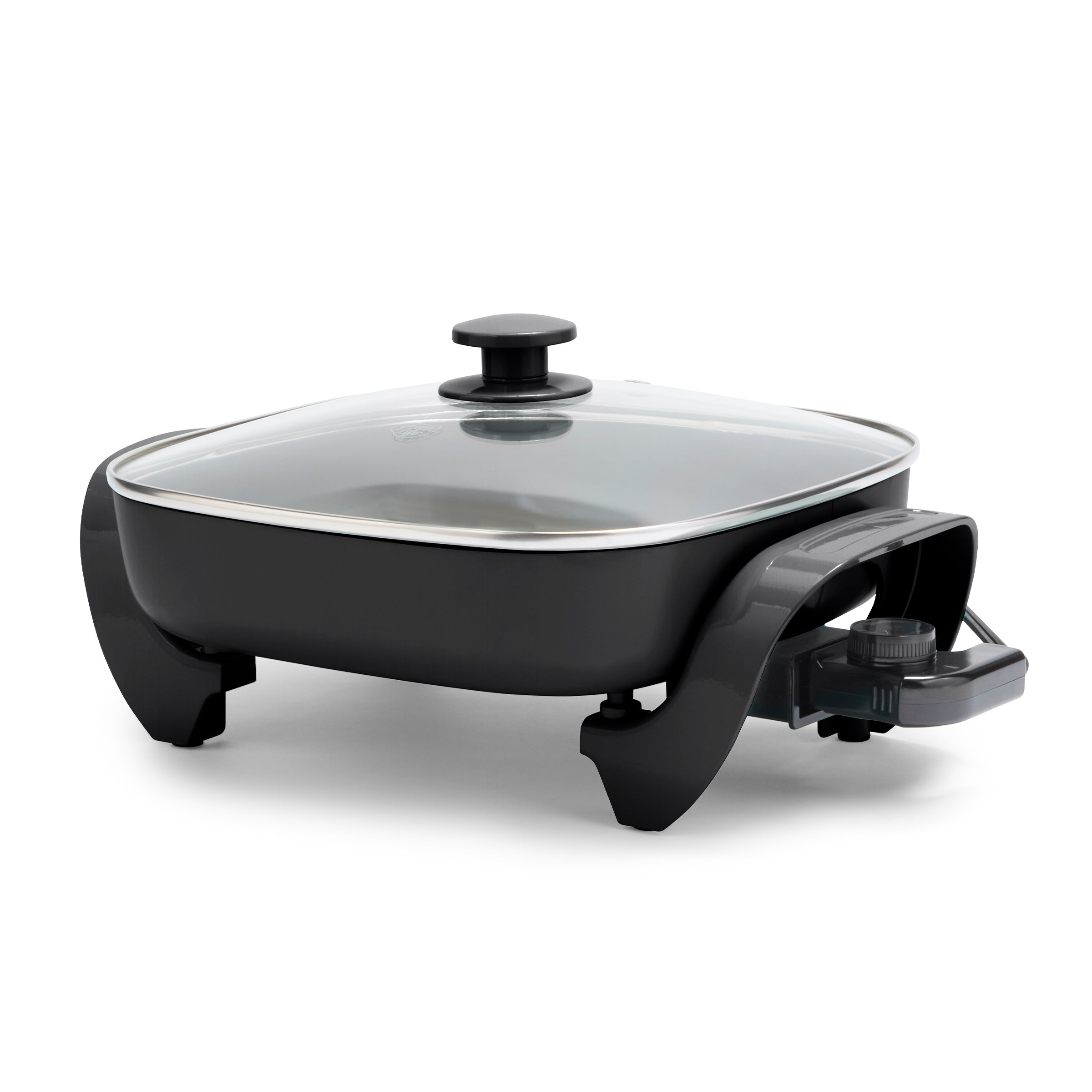
An electric skillet is a flat cooking pan with a built-in heating element. You plug it into an outlet, set your temperature, and start cooking. Most electric skillets have a lid and temperature controls, which give you more precision than a stovetop pan. They come in a range of sizes, usually between 10 to 16 inches wide, and are often made from nonstick or stainless steel.
Electric skillets are popular for:
- Cooking large batches of food
- Keeping dishes warm at parties
- Consistent temperature control
People who have limited kitchen space, or want an extra cooking surface during busy holidays, often turn to electric skillets.
What Is A Frying Pan?
A frying pan, sometimes called a skillet in traditional cookware terms, is a flat-bottomed pan with sloped sides. Most frying pans are made from materials like stainless steel, nonstick aluminum, cast iron, or copper. You use them on a stovetop—gas, electric, or induction.
Frying pans are known for their versatility:
- Searing meat and vegetables
- Frying eggs and pancakes
- Sautéing onions, garlic, and more
A standard frying pan is about 10 to 12 inches in diameter, but they come in many sizes. They are a kitchen staple, found in nearly every home.
Side-by-side Comparison
To help you see the main differences at a glance, here’s a quick comparison:
| Feature | Electric Skillet | Frying Pan |
|---|---|---|
| Power Source | Electric outlet | Stovetop (gas, electric, induction) |
| Heat Control | Adjustable dial (precise) | Manual (depends on stove) |
| Mobility | Portable (with power) | Very portable |
| Capacity | Often larger, deep sides | Usually smaller, shallow sides |
| Cleaning | Removable pan, often dishwasher-safe | Hand-wash or dishwasher, depends on material |
| Price Range | $30–$100+ | $15–$200+ |
Cooking Performance
Heat Distribution And Control
Electric skillets shine in temperature control. You set the dial, and the skillet keeps the heat steady, making it great for recipes that need precise cooking. For example, making pancakes or simmering sauces is easier because the heat stays consistent across the surface.
Frying pans depend on your stove. Some stoves have hot spots, and it’s harder to keep a steady temperature, especially on older ranges. However, high-quality pans (like heavy stainless steel or cast iron) can even out the heat. If you need to go from a high sear to a gentle simmer quickly, a frying pan on a gas stove gives you that instant change.
Versatility
A frying pan is unmatched for browning and searing. The open sides let moisture escape, which helps you get that golden crust on steak or crispy edges on vegetables. You can use it for almost anything—stir-fry, fried eggs, sautéed greens, even oven recipes (if your pan is oven-safe).
An electric skillet is excellent for:
- Deep frying (because of high sides)
- Large-batch meals like stir-fries or casseroles
- Buffet-style serving, keeping food warm
But the closed design and lower max temperatures mean you won’t get quite the same sear as a frying pan.
Common Mistakes
Beginners often forget:
- Electric skillets take up countertop space and need to be near an outlet.
- Frying pans can warp if you heat them too fast or put them under cold water when hot.
A non-obvious tip: Electric skillets are often better for delicate foods like fish or crepes, since the temperature won’t spike suddenly.

Credit: www.amazon.com
Cleaning And Maintenance
Electric Skillet
Most electric skillets have a removable cooking surface. You unplug the base and wash the pan, usually by hand or in the dishwasher (check your model). However, the heating element must stay dry. If the pan is nonstick, use soft sponges to avoid scratching.
Frying Pan
Cleaning a frying pan depends on the material:
- Nonstick pans: Gentle hand washing, avoid metal utensils.
- Cast iron: Never soak; wipe with a paper towel, a little oil, and salt for tough spots.
- Stainless steel: Can handle tougher scrubbing, but soak if food is stuck.
A pro tip: Rubbing a cut potato over a cast iron pan, with coarse salt, helps remove residue without soap.
Cost And Value
Both tools can be found at different price points. Frying pans range from $15 for basic nonstick to $200+ for high-end stainless or copper. Electric skillets usually cost $30–$100, depending on size and features.
But remember, an electric skillet is an all-in-one appliance. It replaces a pan and a portable burner, so it’s a good value if you need extra cooking space or your kitchen is small.
Frying pans last longer with care, especially cast iron and stainless steel. Cheap nonstick pans need replacing every few years. Electric skillets may stop working if the electronics fail, but many last 5–10 years with proper use.
Space And Portability
A frying pan is slim and fits easily in a cabinet or drawer. It’s light and perfect for small kitchens, camping, or quick meals.
An electric skillet is bulkier, about the size of a small microwave. You’ll need to store both the base and the lid. It’s not as easy to pack for travel, but works well for buffets, RVs, or dorm rooms.
Health And Safety
Both tools are safe if used correctly. Here are a few points to consider:
- Electric skillets have built-in temperature limits, so you’re less likely to burn oil and create smoke.
- Frying pans can get very hot, especially on gas burners—be careful with oil to avoid splatter.
A unique insight: Electric skillets usually have cool-touch handles, while frying pans (especially metal ones) can get hot on the stove. Always use an oven mitt for frying pans.
Credit: www.greenpan.us
Best Uses For Each Tool
To help you decide, here’s a quick summary of when each tool really shines:
| Best For | Electric Skillet | Frying Pan |
|---|---|---|
| Quick Breakfasts | Yes | Yes |
| Stir-Fry & Sauté | Good | Excellent |
| Deep Frying | Excellent | Not ideal |
| Buffet Serving | Yes | No |
| Browning Meat | Decent | Excellent |
| Oven Use | No | Some models |
Who Should Choose An Electric Skillet?
Consider an electric skillet if:
- You need to cook large batches (big families, parties)
- You want a portable cooking solution (dorm, RV, travel)
- You struggle with uneven stove heat
- You like “set it and forget it” cooking for pancakes, bacon, or casseroles
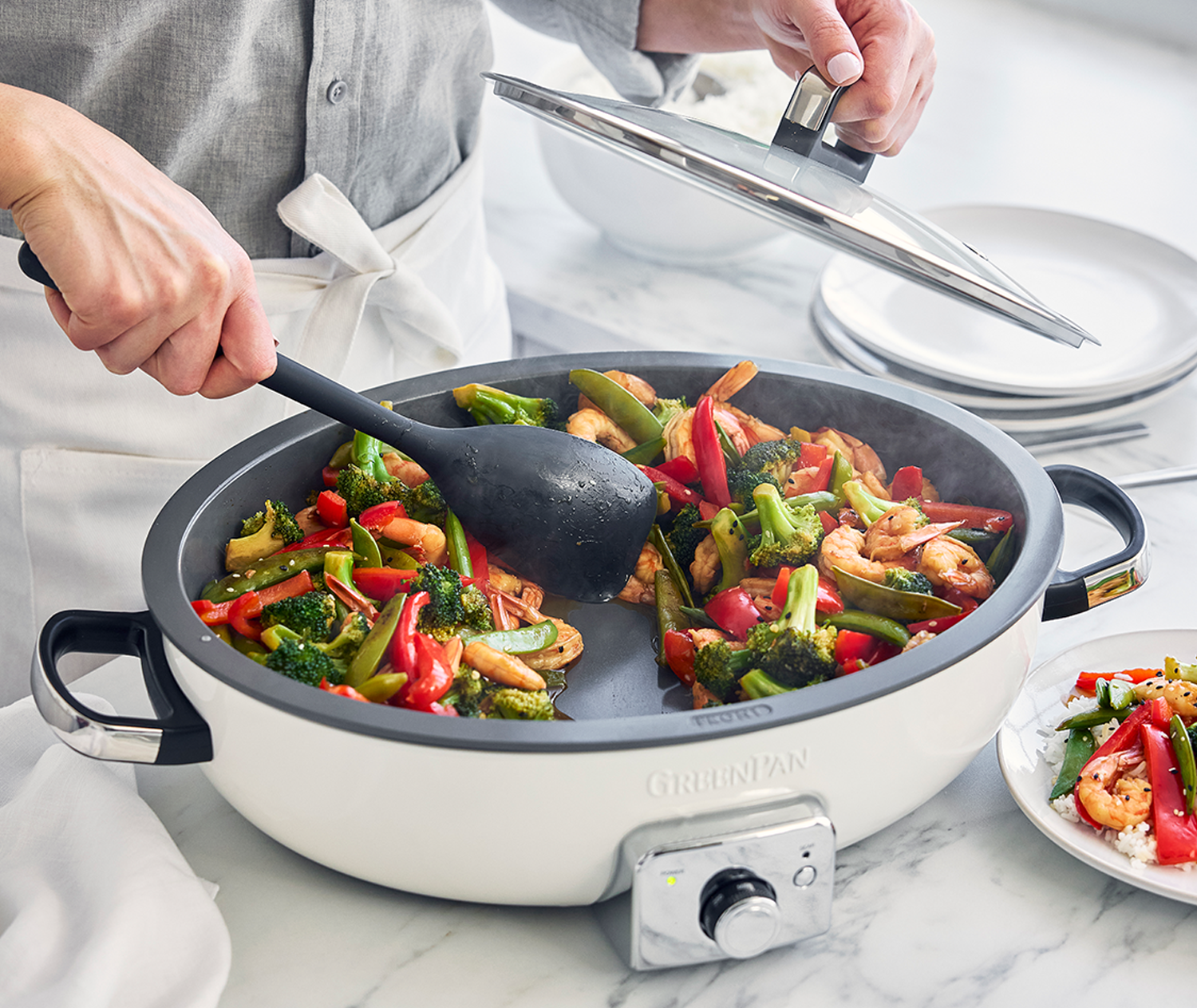
Busy parents often love electric skillets for weekend breakfasts or keeping side dishes warm during family dinners. They also help when your main stove burners are full.
Credit: www.greenpan.us
Who Should Choose A Frying Pan?
A frying pan is best if:
- You want maximum versatility (breakfast, lunch, dinner)
- You like to sear, brown, and sauté foods
- You have limited counter space
- You prefer oven-to-stovetop recipes
If you love to experiment with different cuisines, a frying pan is a must. It’s also the easiest tool to clean and store in most kitchens.
You might find this helpful: Best Non Toxic Non Stick Frying Pans
Hidden Differences Most People Miss
- Preheat time: Electric skillets generally take longer to reach full heat compared to a frying pan on a gas stove. This can affect recipes where fast, high heat is important.
- Surface area: The cooking area on an electric skillet is usually larger and more evenly heated, but you might lose some “sizzle” for quick browning.
Another point: Electric skillets often have a nonstick surface, which is great for easy release but limits some high-heat cooking styles. Frying pans can handle higher temperatures (especially cast iron and stainless steel), so they’re more flexible for advanced recipes.
Environmental Impact
Electric skillets use electricity directly, which can be more efficient if you cook away from the main kitchen. However, if your electricity comes from fossil fuels, it might not be greener than a gas stove. Frying pans, when used with induction cooktops, can be very energy-efficient.
One more insight: A well-maintained cast iron frying pan can last for generations, reducing waste. Nonstick electric skillets may need replacing every few years due to coating wear.
For more on kitchen energy use, see this in-depth guide from the U.S. Department of Energy.
Frequently Asked Questions
Which Is Better For Frying Chicken—an Electric Skillet Or A Frying Pan?
Both can work, but an electric skillet is often better for frying chicken. It keeps oil at a consistent temperature, which helps chicken cook evenly without burning. Frying pans can work too, but you’ll need to watch the heat closely.
Can You Use An Electric Skillet For Baking?
Yes, some electric skillets can be used for baking simple cakes, biscuits, or casseroles. The even heat and lidded design mimic an oven. However, baking results may differ from a real oven, and you’ll need to follow recipes made for electric skillets.
Do Electric Skillets Use A Lot Of Electricity?
No, most electric skillets use between 1000–1500 watts, which is similar to a coffee maker or toaster. For daily use, they’re energy-efficient, especially if you cook one-pot meals.
Are Frying Pans Safe For Glass Cooktops?
Frying pans made of flat-bottomed stainless steel, nonstick, or aluminum are safe for glass cooktops. Avoid rough or warped pans (like old cast iron) as they can scratch the glass.
How Long Does A Good Frying Pan Or Electric Skillet Last?
A cast iron frying pan can last decades with proper care. Stainless steel pans often last 10+ years. Nonstick pans and electric skillets usually last 3–7 years, depending on use and cleaning.
Both electric skillets and frying pans offer unique advantages for everyday cooking. The best choice depends on your kitchen habits, space, and favorite recipes. If you love big breakfasts or need a reliable, portable cooking tool, the electric skillet is a smart buy.
If you want flexibility and classic results, a frying pan will always have a place in your kitchen. Choose the tool that matches your cooking style, and you’ll enjoy better, tastier meals every day.