Making coffee at home can feel like a small ritual. For many, using a stovetop coffee maker—often called a Moka pot—is a favorite method. This tool makes strong, flavorful coffee and is popular in Italy and around the world. If you’ve never used one before, the process can seem confusing. But once you learn the steps, it becomes easy and enjoyable. In this guide, you’ll discover how to use a stovetop coffee maker, what makes it special, and tips for getting the best results.
What Is A Stovetop Coffee Maker?
A stovetop coffee maker, or Moka pot, is a device that brews coffee using steam pressure. It has three main parts: the bottom chamber for water, the middle filter for ground coffee, and the top chamber for the brewed coffee. As the water heats up, steam pushes the water through the coffee grounds, producing a strong and rich drink.
The Moka pot was invented in Italy in the 1930s. Since then, it has become a symbol of homemade espresso. Unlike electric machines, it doesn’t require power or complicated parts. All you need is a stovetop and a few minutes.
Choosing The Right Stovetop Coffee Maker
There are many brands and sizes available. The most famous is Bialetti, known for its classic design and reliability. Sizes range from 1-cup to 12-cup pots, but the “cup” means a small espresso shot, not a full mug.
Here’s a quick comparison of popular sizes:
| Size | Approx. Coffee Yield | Best For |
|---|---|---|
| 1-cup | 2 oz (60 ml) | Single person |
| 3-cup | 6 oz (180 ml) | Small group (2-3 people) |
| 6-cup | 12 oz (350 ml) | Family or guests |
| 9-cup | 18 oz (530 ml) | Large gatherings |
Key factors to consider:
- Material: Most are made from aluminum or stainless steel. Stainless steel lasts longer and is easier to clean.
- Size: Choose based on your coffee needs. If you drink alone, a smaller pot is better.
- Brand: Stick with well-known brands for quality and safety.
Many beginners miss that the size affects flavor. A large pot brewing a small amount often tastes weak. Always use the right size for the amount you want.

Credit: prestogeorge.com
What You Need Before Brewing
Gather these items:
- Stovetop coffee maker
- Fresh coffee beans or pre-ground coffee for espresso
- Grinder (optional, but recommended for best taste)
- Filtered water
- Small spoon
- Heat source (gas, electric, or induction stove)
The grind is important. Use a medium-fine grind, not as fine as espresso, but finer than drip coffee. Too fine can block water flow, too coarse makes weak coffee.
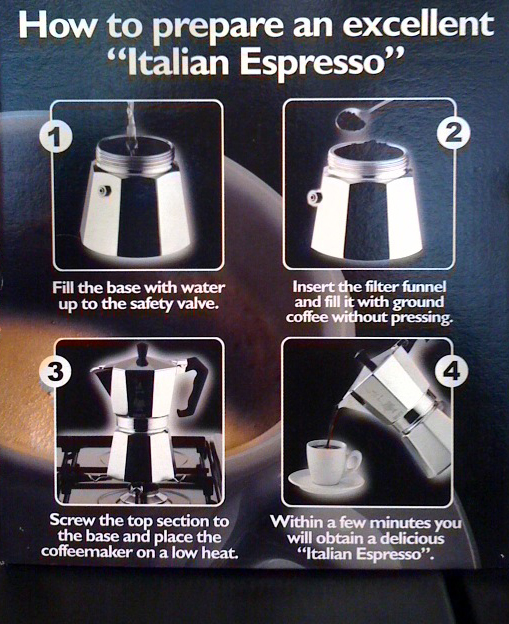
Step-by-step: How Do You Use a Stovetop Coffee Maker
Follow these steps for perfect coffee every time.
- Fill the Bottom Chamber with Water
- Unscrew the Moka pot and remove the filter basket.
- Add cold water up to the safety valve (don’t cover it).
- Use filtered water for better taste.
- Add Coffee Grounds to the Filter Basket
- Fill the basket with medium-fine ground coffee.
- Level it off with a spoon, but don’t press down.
- Clean any grounds from the rim to avoid leaks.
- Assemble the Pot
- Place the filter basket back into the water chamber.
- Screw the top chamber tightly onto the bottom.
- Place on the Stove
- Set the pot on a low to medium heat.
- Keep the lid closed.
- Watch and Listen
- After a few minutes, coffee will start flowing into the top chamber.
- You’ll hear a bubbling sound. When it becomes loud and hissing, the coffee is done.
- Remove from Heat
- Turn off the stove and remove the pot.
- Let it sit for 30 seconds to finish brewing.
- Serve and Enjoy
- Pour the coffee into cups.
- Enjoy as-is or add milk, sugar, or hot water to taste.
Credit: www.arttrav.com
Common Mistakes And How To Avoid Them
Most beginners make simple errors. Here are some tips to avoid problems:
- Using the wrong grind: Too fine blocks the filter. Too coarse makes weak coffee.
- Overfilling water: Never cover the safety valve. It’s there to prevent pressure build-up.
- Packing the coffee: Pressing the grounds stops water flow. Just level them gently.
- Using high heat: High heat causes burnt taste. Low to medium works best.
- Opening the lid: Keep the lid closed while brewing to avoid splattering.
- Not cleaning properly: Old coffee oils affect flavor. Clean after every use.
Cleaning And Maintenance
A clean Moka pot makes better coffee and lasts longer. Here’s how to care for it:
- After each use, wash all parts with warm water.
- Don’t use soap, as it can leave a taste.
- Dry completely before reassembling.
- Every few weeks, check the rubber gasket and safety valve. Replace if worn.
If your coffee tastes metallic, it’s usually because the pot is new. Brewing a few pots with cheap coffee helps season the metal.
Getting The Best Flavor
A stovetop coffee maker doesn’t make true espresso, but it makes strong coffee. To improve flavor:
- Use freshly ground coffee. Coffee loses flavor quickly after grinding.
- Choose filtered water. Tap water can add unwanted tastes.
- Experiment with coffee blends. Some work better than others.
- Warm your cups before pouring coffee. This keeps the drink hot longer.
- Mix the coffee in the top chamber before serving. The first part is stronger than the last.
Here’s how Moka pot coffee compares to other brewing methods:
| Method | Coffee Strength | Brewing Time | Flavor Profile |
|---|---|---|---|
| Moka Pot | Strong, concentrated | 5-7 min | Rich, bold, slightly bitter |
| Drip Machine | Medium | 7-10 min | Balanced, clean |
| French Press | Full-bodied | 4-8 min | Earthy, robust |
| Espresso Machine | Very strong | 1-2 min | Complex, creamy, intense |
Advanced Tips For Enthusiasts
Once you master the basics, try these ideas:
- Preheat the water: Start with hot water in the bottom chamber. This speeds brewing and reduces bitterness.
- Control the extraction: Remove the pot from heat as soon as coffee finishes flowing. Leaving it on too long cooks the coffee.
- Try coffee blends: Some blends are made for Moka pots, with less acidity and more chocolate notes.
- Use induction adapters: If you have an induction stove, you may need a special adapter for aluminum pots.
- Customize your drink: Add a splash of milk, foam, or even chocolate for a homemade latte.
Many coffee lovers miss how much water temperature affects taste. If your coffee is bitter, lowering the heat and using warmer water often helps.
Troubleshooting: Fixing Common Issues
If your coffee doesn’t taste right, here are solutions:
- Weak coffee: Use finer grounds, check the coffee-to-water ratio, and make sure the pot is assembled tightly.
- Burnt flavor: Lower the heat and remove from stove sooner.
- Leaking pot: Clean the gasket and rim. Replace the gasket if needed.
- Coffee not flowing: Check that the grind isn’t too fine, and the safety valve is clear.
Most problems come from grind size or assembly. Adjusting these usually fixes taste and flow.
Why People Love Stovetop Coffee Makers
The Moka pot is more than a tool—it’s a tradition. People love it because:
- It’s affordable and lasts for years.
- It makes coffee quickly without needing electricity.
- It’s easy to use and clean.
- It produces coffee close to espresso, but without expensive machines.
In Italy, nearly every home has a Moka pot. The ritual is simple: fill, assemble, heat, pour, enjoy. For those who value strong coffee and simple methods, it’s a perfect choice.
Comparing Stovetop Coffee Makers To Other Devices
If you’re unsure whether a Moka pot suits you, see how it compares with other methods:
| Device | Cost | Ease of Use | Coffee Quality |
|---|---|---|---|
| Moka Pot | $25–$60 | Easy | Strong, rich |
| Drip Machine | $50–$150 | Very easy | Balanced |
| Espresso Machine | $200–$1500 | Complex | Intense, creamy |
| French Press | $20–$50 | Easy | Robust, earthy |
For those wanting strong coffee without spending much, the Moka pot is ideal. It’s also great for travel and camping.
Frequently Asked Questions
How Much Coffee Should I Use In A Stovetop Coffee Maker?
Fill the filter basket completely, but don’t pack the grounds down. For most pots, this means about 7–9 grams of coffee per “cup” (small espresso shot). Use a medium-fine grind for best results.
Can I Use Regular Ground Coffee Or Do I Need Special Espresso Grounds?
You can use any ground coffee, but medium-fine works best. Avoid very fine espresso grounds, as they can block the filter. Freshly ground beans produce the best taste.
Is Stovetop Coffee Safe To Drink Every Day?
Yes, stovetop coffee is safe if brewed and cleaned properly. The Moka pot uses only water and coffee. If you clean your pot regularly and use filtered water, there are no health risks.
Why Does My Coffee Taste Bitter Or Metallic?
Bitterness usually comes from high heat or over-extraction. Lower the stove temperature and remove the pot as soon as coffee finishes brewing. Metallic taste is common with new pots; brewing a few batches helps remove it.
Can I Use A Stovetop Coffee Maker On An Induction Stove?
Most Moka pots are aluminum and won’t work on induction. Choose a stainless steel pot or use an induction adapter. Always check the manufacturer’s guide.
Brewing coffee with a stovetop coffee maker is simple once you know the steps. It offers a strong, rich taste and fits many lifestyles. Whether you’re making a morning espresso or sharing coffee with friends, the Moka pot delivers a classic experience. For more details on coffee brewing, you can visit Wikipedia. With the tips and guidance above, you’ll enjoy better coffee every day.

Credit: www.youtube.com