Skip to content
Making your own ice cream at home is exciting. The process feels magical—pour in a creamy mix, flip a switch, and soon you get soft, fresh ice cream. But one thing confuses many people: how long does an ice cream maker take? The answer isn’t always simple. It depends on your machine, the recipe, and even the temperature of your kitchen. If you ever found yourself impatiently checking the machine or disappointed by runny results, you’re not alone. Understanding the timing can help you make better ice cream, avoid mistakes, and even plan your desserts more confidently.
This guide will break down everything you need to know about ice cream maker timing. We’ll look at the types of machines, key factors that affect time, what to expect from start to finish, and how to speed up the process without sacrificing quality.
Whether you have a basic model or a high-tech compressor, you’ll find clear answers and practical tips here.
Types Of Ice Cream Makers And How They Affect Time
Not all ice cream makers are the same. The type you use has a big impact on how long you’ll wait for your treat. Let’s look at the most common types:
1. Manual (hand-crank) Ice Cream Makers
These traditional machines use a hand crank and usually require ice and rock salt around the mixing bowl. You have to turn the crank yourself for about 20–40 minutes, depending on the recipe and how cold your mixture is. The upside?
You control the process. The downside? Your arms get a workout.
2. Freezer Bowl (pre-freeze) Electric Makers
These are the most popular home models. The bowl contains a special gel that must be frozen for at least 12–24 hours before use. Once frozen, you add your mix and let the motor churn for 20–30 minutes. If the bowl isn’t frozen solid, it might take longer or not freeze at all.
3. Compressor (self-freezing) Ice Cream Makers
These machines have a built-in freezer. You pour in the mix, press a button, and the machine chills and churns at the same time. Most take 30–40 minutes to finish a batch. They’re faster if your mix is cold, and you can make several batches without waiting.
4. Ice-and-salt Electric Models
Similar to hand-crank types, but a motor turns the paddle. You still need ice and salt, and churning takes 25–40 minutes. These work well for large batches.
5. Novelty And Instant Models
Some gadgets freeze ice cream in minutes by using super-cold surfaces or materials. Results are often less creamy. These are good for fun, single servings, but not for traditional texture.
Here’s a quick comparison:
| Type | Prep Time | Churning Time | Batch Size |
|---|---|---|---|
| Hand-Crank | 10–20 min (setup) | 20–40 min | 2–4 quarts |
| Freezer Bowl | 12–24 hours (freeze bowl) | 20–30 min | 1–2 quarts |
| Compressor | 2–5 min (pre-cool optional) | 30–40 min | 1–2.5 quarts |
| Ice & Salt Electric | 10–20 min (setup) | 25–40 min | 2–4 quarts |
| Instant | Freeze bowl overnight | 5–10 min | 1–2 cups |
Key Factors That Influence Ice Cream Maker Timing
How long your ice cream maker takes isn’t just about the machine. Here are the main factors:
Mixture Temperature
The colder your base, the faster it freezes. If your mix is room temperature or warm, it will take much longer and may even stay soupy. Always chill your mix in the fridge for at least 4 hours (overnight is better) before churning.
Sugar And Fat Content
Sugar and fat lower the freezing point, making the mixture softer and slower to freeze. Recipes with more sugar or cream can take a few minutes longer but usually have smoother texture.
Room And Ambient Temperature
If your kitchen is hot, the ice cream maker works harder. In the summer, batches can take 5–10 minutes longer to finish compared to winter.
Batch Size
Overfilling your machine slows everything down. It’s best to fill only up to the recommended line (usually 1/2 to 2/3 full). Smaller batches freeze faster.
Machine Age And Condition
Older machines or bowls with worn-out insulation may take longer. If your freezer isn’t cold enough, a freezer bowl may not work at all.
Add-ins Timing
If you add chocolate chips, cookies, or fruit, do it in the last 5 minutes of churning. Adding them too early can slow freezing or clog the machine.
Credit: flouronmyfingers.com
Step-by-step Process: How Long Each Stage Takes
Let’s break down the timing from start to finish, using a typical home ice cream maker:
1. Prepping The Mix (10–20 Minutes Active, Plus Chilling)
You’ll spend 10–20 minutes making your custard or base. Most recipes need to chill for 4–24 hours in the fridge. This step isn’t part of machine time, but it’s key for success.
2. Prepping The Machine (varies By Type)
- Freezer bowl: 12–24 hours in your freezer.
- Compressor: 0–5 minutes to pre-cool, if you want.
- Ice & salt: 10–20 minutes to set up.
3. Churning (main Machine Time)
- Freezer bowl: 20–30 minutes.
- Compressor: 30–40 minutes (sometimes 25–30 if mix is very cold).
- Hand-crank/Ice & salt: 20–40 minutes.
- Instant: 5–10 minutes.
4. Firming Up (optional, But Important)
Most ice cream comes out like soft serve. For scoopable, firmer ice cream, transfer it to a container and freeze for 2–4 hours. This is called “ripening. ”
Here’s a typical timeline for a 1.5-quart freezer bowl model:
| Step | Time Needed |
|---|---|
| Make base | 10–20 min |
| Chill base | 4–24 hours |
| Freeze bowl | 12–24 hours |
| Churn | 20–30 min |
| Ripen in freezer | 2–4 hours |
How To Tell When Ice Cream Is Ready
Timing is important, but so is knowing what to look for. Most ice cream makers don’t have a “done” light. Here are signs your ice cream is ready:
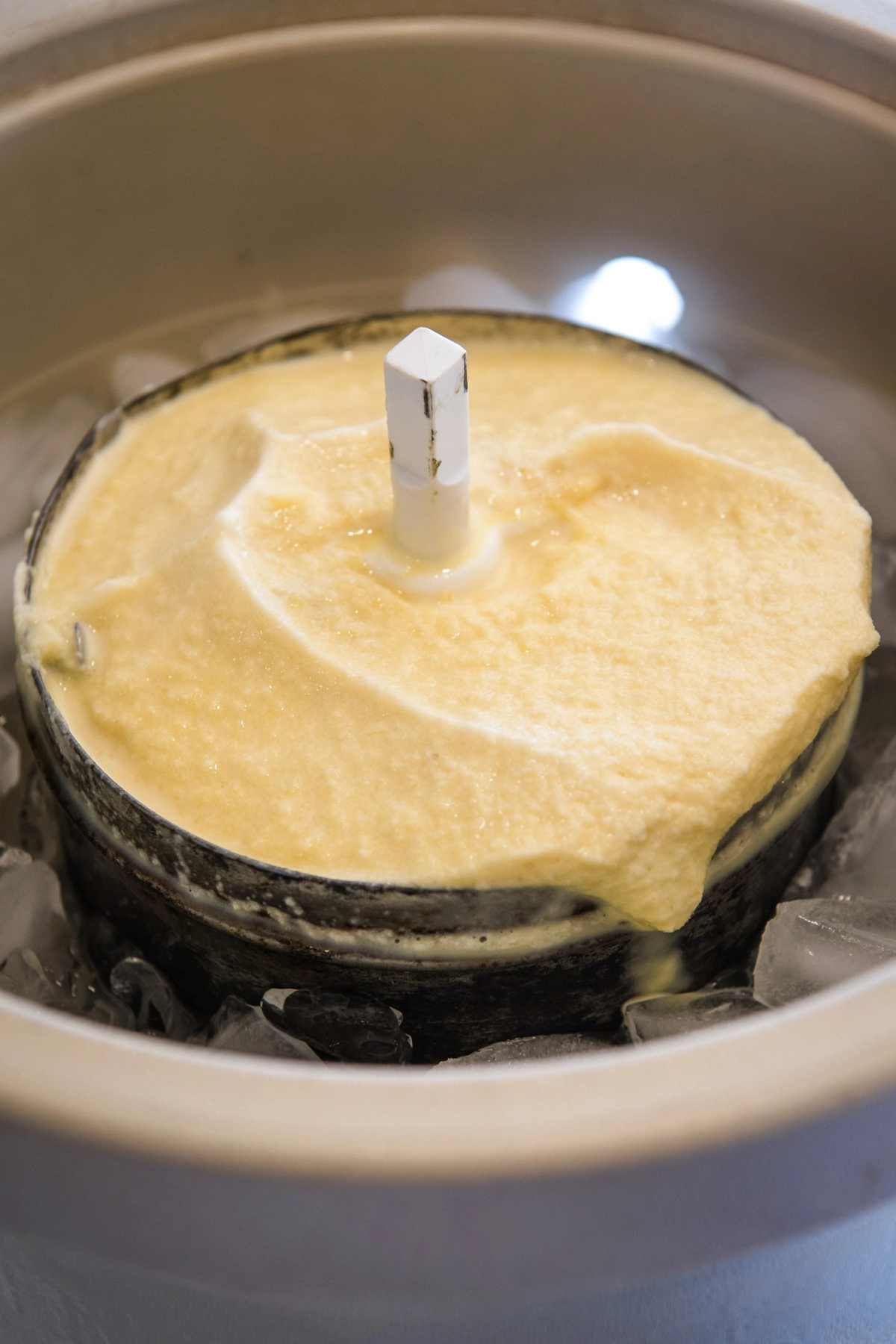
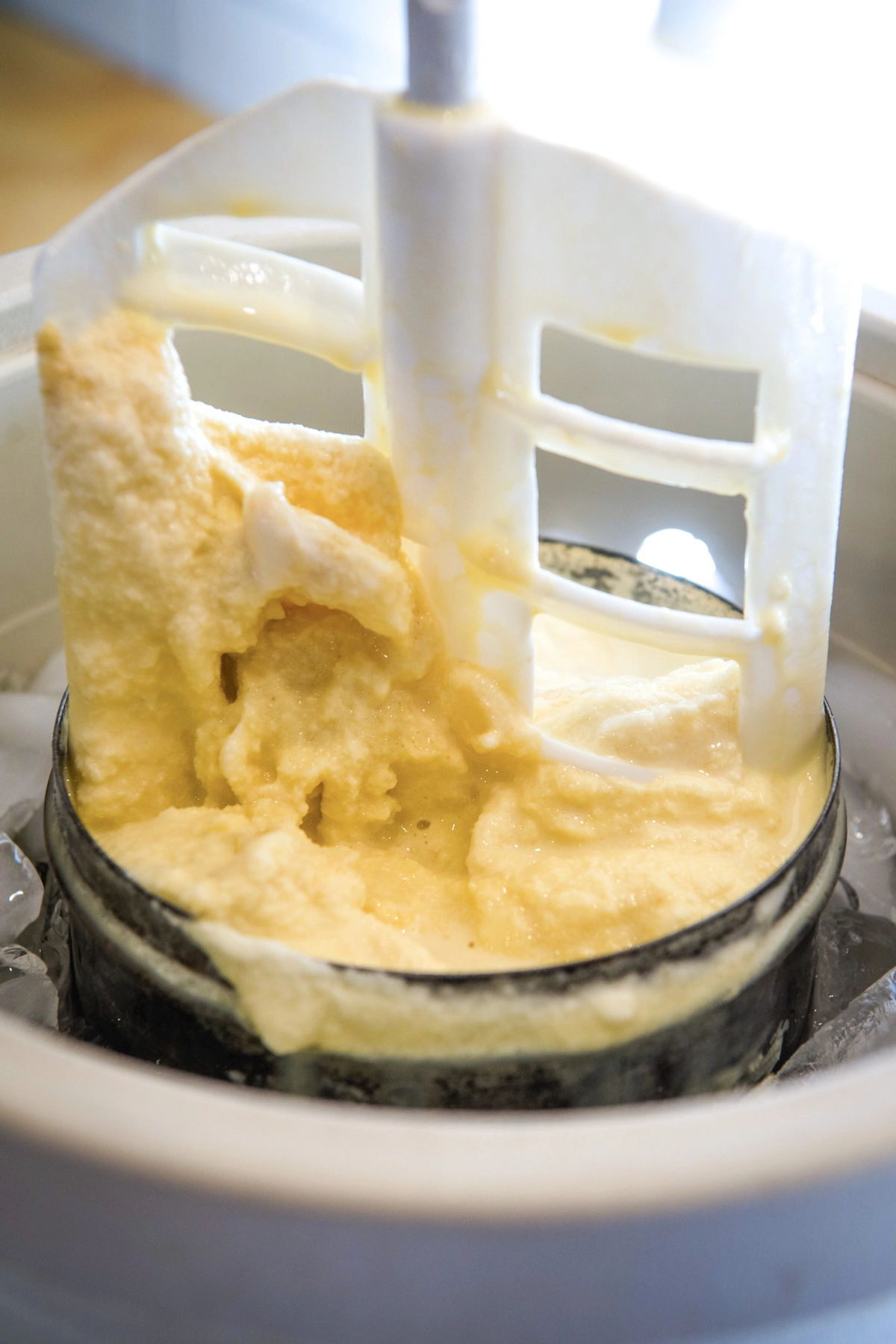
- The mixture has thickened to a soft-serve consistency.
- The paddle starts to struggle or stops moving.
- Ice cream pulls away from the sides of the bowl.
- The volume has increased (air has been whipped in).
If you want firmer ice cream, transfer it to a lidded container and freeze for a few more hours.
Tips To Speed Up Ice Cream Making
If you want ice cream faster, there are safe ways to do it:
- Chill your mix overnight. The colder the better.
- Use a metal container to store your mix before churning—it chills faster than plastic.
- Don’t overfill the machine. Less mix means faster freezing.
- Pre-cool your compressor machine if it allows.
- Keep the room cool. If possible, make ice cream in the evening or in an air-conditioned room.
- Cut down on alcohol in the recipe—it slows freezing.
One trick that surprises beginners: use a small amount of corn syrup in the base. It helps with scoopable texture and can speed up freezing by keeping crystals small.
Common Mistakes And How To Avoid Them
Many new users run into the same problems. Here’s what to watch out for:
- Warm mixture: Never pour a hot or room temperature base into the machine. It won’t freeze well.
- Under-frozen bowl: For freezer bowl types, the bowl must be frozen solid—shake it, and you shouldn’t hear any liquid inside.
- Overfilling: Filling above the max line leads to overflow and slow churning.
- Adding mix-ins too early: Chocolate, nuts, or fruit should go in at the end to avoid jamming.
- Not ripening: If you want scoopable ice cream, always plan for 2–4 hours in the freezer after churning.
Real-world Examples
Here are some real timings from popular machines:
- Cuisinart ICE-21 (Freezer Bowl): 20–25 minutes for 1.5 quarts.
- Breville Smart Scoop (Compressor): 40 minutes for 1.5 quarts from a cold base.
- Nostalgia 4-Quart Electric (Ice & Salt): 30–40 minutes for a full batch.
- Donvier (Manual): 20–30 minutes for 1 quart.
Remember, your results may vary depending on recipe, room temperature, and ingredient temperature.
Comparing Home Vs. Commercial Machines
Home ice cream makers are usually slower than commercial models, but the process is similar. Commercial machines can freeze a batch in just 8–15 minutes thanks to powerful compressors and better insulation.
Here’s a quick look at the differences:
| Machine Type | Batch Time | Batch Size | Who Uses It |
|---|---|---|---|
| Home (Compressor) | 30–40 min | 1–2.5 quarts | Home cooks |
| Home (Freezer Bowl) | 20–30 min | 1–2 quarts | Home cooks |
| Commercial Batch Freezer | 8–15 min | 2–6 quarts+ | Ice cream shops |
Two Insights Beginners Often Miss
- Chilling is key. Many people think the ice cream maker does all the work. In reality, your base must be as cold as possible before churning for best results.
- Soft-serve is normal. Most home machines make ice cream that’s soft after churning. That’s not a flaw—it’s how the process works. For classic scoopable texture, always “ripen” in your freezer for a few hours.
Final Thoughts
Making ice cream at home is rewarding, but timing is everything. The type of machine, the temperature of your mix, the recipe, and even your kitchen all play a role. Most machines take 20–40 minutes to churn, but remember to plan for chilling your base and ripening your ice cream.
With a little practice and patience, you’ll get creamy, delicious results every time.
If you want to dive deeper into the science of ice cream making, check out the Wikipedia page on ice cream makers for more details.
Credit: flouronmyfingers.com
Frequently Asked Questions
How Long Does It Take To Make Ice Cream In A Freezer Bowl Machine?
Most freezer bowl machines take 20–30 minutes to churn a batch. Remember, the bowl must be frozen for 12–24 hours first, and your mix should be cold before starting.
Why Is My Ice Cream Still Soft After Churning?
Home ice cream makers usually make soft-serve texture. For firmer, scoopable ice cream, transfer it to a container and freeze for 2–4 hours after churning.
Does Adding Alcohol Slow Down Ice Cream Freezing?
Yes. Alcohol lowers the freezing point, so ice cream with alcohol will take longer to freeze and may be softer. Use only small amounts, and expect a softer texture.
Can I Speed Up The Process By Adding Ice Directly To The Mix?
No, never add ice to your base. It will water down the flavor and ruin the texture. Instead, make sure your mix is well chilled before churning.
How Do I Know If My Ice Cream Maker Bowl Is Cold Enough?
Shake the bowl before use. If you don’t hear any sloshing, it’s frozen solid and ready. If you hear liquid, freeze it longer. A properly frozen bowl is critical for good results.