Making homemade pasta is one of the most satisfying kitchen projects. It feels special, tastes fresh, and connects you to tradition. But after you shape your noodles, ravioli, or spaghetti, one question always pops up: How long should pasta dry on a rack? If you’re new to pasta making, you might worry about drying times, storage, and even safety. Getting this step right is key for both texture and taste. Drying pasta isn’t only about waiting—it’s about understanding the process, the environment, and the pasta shape itself.
Why Dry Pasta On A Rack?
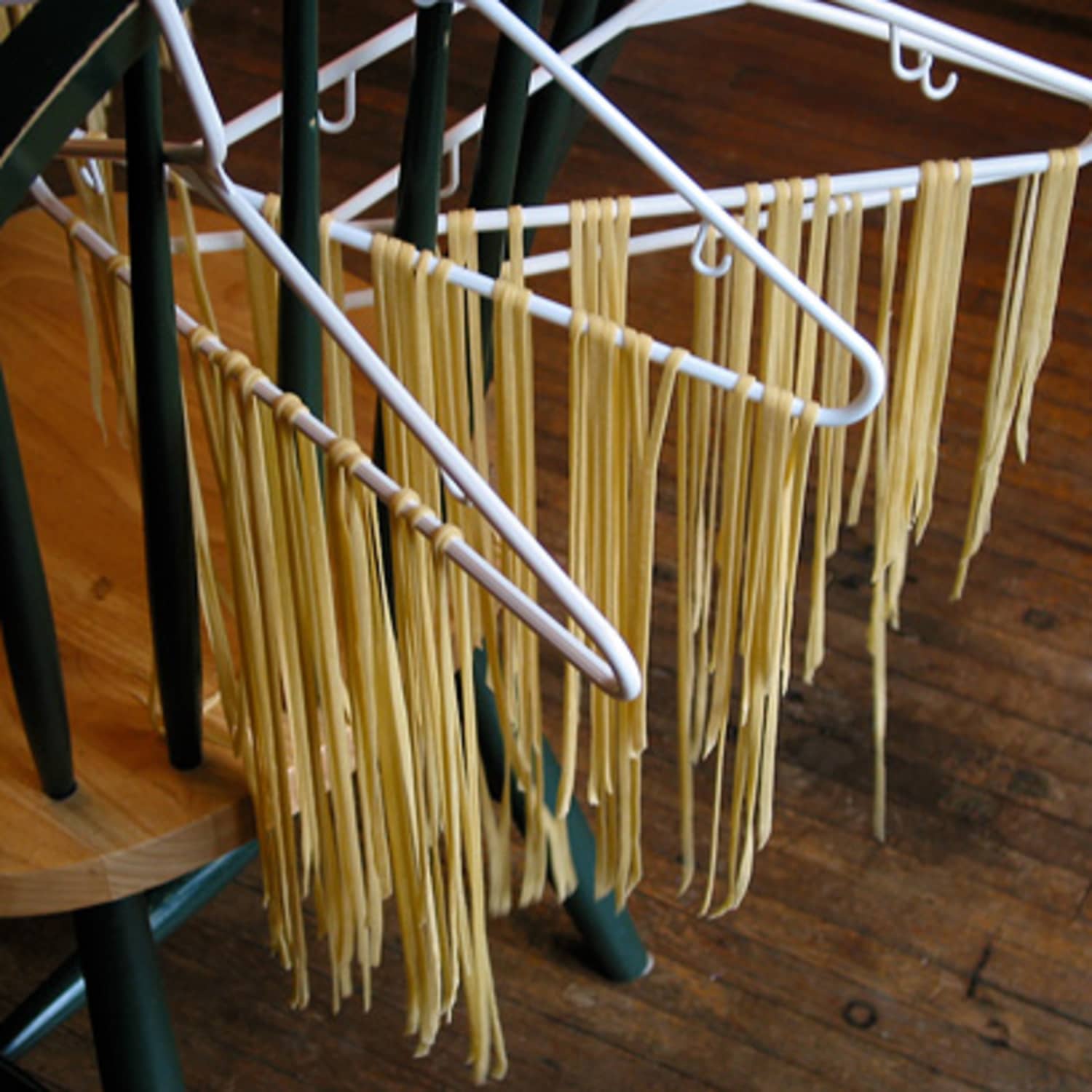
Drying pasta helps remove excess moisture, which prevents spoilage and improves texture. When pasta is too wet, it can turn mushy during cooking or spoil faster during storage. Using a drying rack lets air flow around the pasta, drying it evenly and reducing the risk of sticking. This is especially important if you plan to store your pasta for later.
A rack also keeps pasta shapes intact—long noodles won’t clump, and short pasta won’t flatten. If you skip the rack, you risk sticky, unevenly dried pasta, and sometimes, even mold.
Factors Affecting Pasta Drying Time
Drying pasta is not a one-size-fits-all process. Several factors can change how long your pasta needs to dry:
- Pasta Shape and Thickness: Thin spaghetti or angel hair dries quickly, while thick fettuccine or filled pasta takes longer.
- Humidity and Temperature: Dry, warm air speeds up drying; high humidity slows it down.
- Ingredients: Pasta made with eggs holds more moisture than pasta made with just flour and water.
- Airflow: Good ventilation helps pasta dry faster and more evenly.
Below is a quick comparison of drying times for different pasta shapes:
| Pasta Type | Drying Time (Approx.) | Notes |
|---|---|---|
| Spaghetti (thin) | 1–2 hours | Needs good air circulation |
| Fettuccine (thick) | 2–4 hours | May need to rotate on rack |
| Ravioli | 30–60 minutes | Only surface drying (cook soon) |
| Short pasta (penne, farfalle) | 2–6 hours | Varies by size |
Step-by-step: Drying Pasta On A Rack
Drying pasta is simple, but there are key steps to avoid mistakes. Here’s how to dry pasta on a rack:
- Shape Your Pasta: Cut, shape, or extrude your pasta. Dust with flour to prevent sticking.
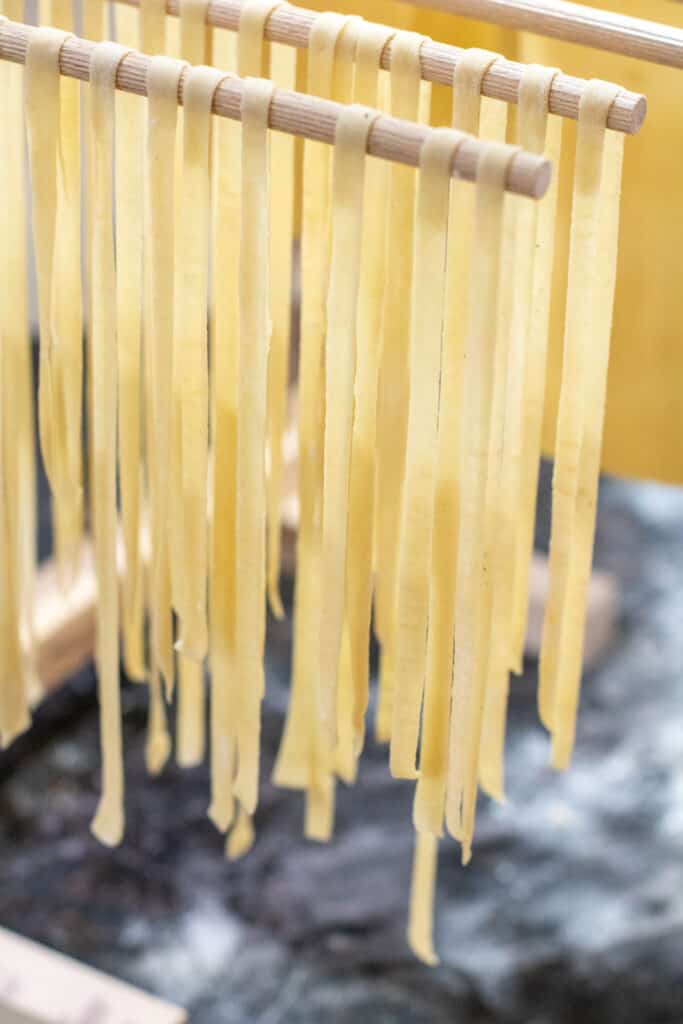
- Arrange on the Rack: Place pasta strands or shapes evenly on the rack. Avoid overlapping; leave space for air.
- Check the Environment: Dry pasta in a room with low humidity and moderate temperature (68–75°F is ideal). Open windows or use a fan if needed.
- Wait and Monitor: Set a timer based on the pasta type. Check every 30–60 minutes for texture changes.
- Test for Dryness: Pasta should feel dry to the touch but not brittle. For long noodles, bend gently; they should snap, not bend.
- Store or Cook: Once dried, cook immediately or store in airtight containers.
Practical Example: Spaghetti
If you make spaghetti with eggs and flour, hang it in strands on your rack. In a dry kitchen, spaghetti usually dries in about 1–2 hours. If your kitchen is humid, drying may take 2–3 hours. Test by snapping a strand—if it snaps cleanly, it’s ready.
Practical Example: Ravioli
Ravioli only needs surface drying to prevent sticking. Lay them flat on the rack, not stacked. 30–60 minutes is enough. Don’t dry ravioli fully—they can crack and lose filling.
How Long To Dry Different Types Of Pasta
Drying time is not the same for all pasta. Here’s a more detailed look:
Long Pasta (spaghetti, Linguine, Fettuccine)
- Spaghetti: 1–2 hours (egg pasta), 2–4 hours (flour-only pasta)
- Fettuccine: 2–4 hours
- Linguine: 1.5–3 hours
Long pasta dries faster because air can flow around each strand. If strands stick together, separate them and rehang.
Short Pasta (penne, Farfalle, Fusilli)
- Penne: 3–6 hours
- Farfalle: 2–5 hours
- Fusilli: 2–4 hours
Short pasta shapes are thicker and have less surface area. They need more time. Rotate pieces on the rack for even drying.
You might find this helpful: Best Pasta Drying Rack Buys
Filled Pasta (ravioli, Tortellini)
- Ravioli: 30–60 minutes (surface drying)
- Tortellini: 1–2 hours
Filled pasta should not be fully dried, as the filling may spoil. Dry only until the surface is no longer sticky.
Flour-only Pasta Vs. Egg Pasta
Egg pasta holds more moisture, so it takes longer to dry. Flour-only pasta (just water and flour) dries faster and can be stored longer.
| Pasta Recipe | Drying Time | Storage Duration |
|---|---|---|
| Egg Pasta | 2–4 hours | Up to 1 week |
| Flour-Only Pasta | 1–3 hours | Up to 6 months |
Credit: www.thekitchn.com
Drying Pasta For Storage Vs. Immediate Cooking
If you plan to cook pasta right away, you don’t need full drying—just enough to prevent sticking. For storing pasta, drying is more important. Fully dried pasta can be kept for months, while semi-dried or fresh pasta should be cooked within hours or stored in the fridge.
Storing Dried Pasta
Once pasta is fully dry, place it in an airtight container. Keep it in a cool, dry place. If you live in a humid area, add a packet of food-safe silica gel to absorb moisture.
Storing Fresh/semi-dried Pasta
Store in the fridge, wrapped tightly. Cook within 1–2 days. If pasta feels sticky, toss lightly with flour.
Common Mistakes When Drying Pasta
Drying pasta sounds easy, but many beginners make mistakes. Avoid these:
- Overlapping Pasta: Overlapping strands or shapes leads to uneven drying and sticking.
- Drying in Humid Rooms: High humidity slows drying and can cause mold.
- Not Monitoring Dryness: Pasta can over-dry and become brittle or crack.
- Ignoring Ingredients: Egg pasta needs longer drying and careful storage.
- Using Metal Racks Without Lining: Metal racks can leave marks or react with pasta. Use wood or line with parchment.
Credit: www.reddit.com
How To Speed Up Pasta Drying
If you’re short on time, there are ways to speed up drying safely:
- Use a fan: Direct gentle air onto the pasta.
- Open windows: Let air circulate.
- Place rack near a heater: But not too close—heat can over-dry.
- Use a dehumidifier: In humid climates, this works well.
Never use an oven to dry fresh pasta—it can cook or burn, ruining the texture.
When Is Pasta Fully Dry?
Fully dried pasta is hard, snaps easily, and has no moisture inside. For long pasta, bend a strand—if it breaks cleanly, it’s ready. For short pasta, press gently; it should not dent or feel soft.
Below is a simple table to help you identify dryness:
| Dryness Test | Result | Action |
|---|---|---|
| Bends without breaking | Not dry | Continue drying |
| Snaps cleanly | Fully dry | Store or cook |
| Sticky or soft | Not dry | Increase airflow |
Credit: www.servedfromscratch.com
Non-obvious Insights For Drying Pasta
Many beginners miss these details:
- Pasta dries from outside in: Even if pasta feels dry on the surface, it may still be moist inside. Always check a thicker piece.
- Drying racks made of wood help absorb moisture and reduce sticking. Metal racks can sometimes cause discoloration if pasta stays too long.
- Room temperature matters more than you think: A small change in temperature can cut drying time by half. If your kitchen is cold, pasta takes longer.
- If pasta feels sticky after drying, it was dried in too humid air. Toss with more flour and dry again.
Real Data: Drying Times Around The World
In Italy, pasta makers often dry spaghetti for 1–2 hours in dry climates. In humid places like Florida, drying can take 3–4 hours. Commercial pasta is dried in special rooms with controlled humidity and temperature—this guarantees safety and quality, but isn’t possible at home.
According to Wikipedia, traditional pasta drying can take anywhere from a few hours to several days, depending on shape and climate.
Frequently Asked Questions
How Do I Know When Pasta Is Dry Enough To Store?
Check the pasta by bending or snapping a piece. If it snaps cleanly and feels hard all over, it’s fully dry. If it bends or feels soft, continue drying.
Can I Dry Pasta Overnight?
Yes, you can dry pasta overnight, especially thicker shapes. Make sure the room is dry and cool. Cover the rack lightly with a clean towel to protect from dust.
Is It Safe To Dry Egg Pasta At Room Temperature?
Yes, if your kitchen is not humid. Egg pasta needs longer drying and should be stored in airtight containers. In humid climates, dry egg pasta in a fridge or use a dehumidifier.
What Happens If Pasta Is Not Dried Enough?
Underdried pasta can spoil quickly, grow mold, or turn mushy during cooking. Always check for full dryness before storing.
Can I Use A Dehydrator For Drying Pasta?
Yes, a dehydrator can speed up drying and is safe for pasta. Set it to low heat (below 120°F). Check pasta often for dryness.
Drying homemade pasta is simple, but small details make a big difference. By understanding the factors, testing for dryness, and adjusting your method to your kitchen, you can make pasta that stores well and tastes great. Whether you cook right away or keep some for later, drying pasta on a rack gives you control and confidence in your homemade creations.