Making potatoes in a pressure cooker is a real time-saver, especially for busy cooks. Many people want to know the right pressure cooking time for potatoes—whether for mashed potatoes, salads, or quick dinners. But the answer depends on potato type, size, and how you cut them.
If you set the wrong time, you might end up with mushy or undercooked potatoes. This article will give you clear guidance, practical tips, and useful tables to help you pressure cook potatoes perfectly every time.
Why Use A Pressure Cooker For Potatoes?
Pressure cooking is popular because it saves time and energy. Potatoes, which usually take 20–40 minutes to boil, can be done in a pressure cooker in just a few minutes. The high pressure also helps the potatoes cook evenly, so you don’t get hard centers or overcooked outsides.
Another benefit is that nutrients stay inside the potato, instead of getting lost in boiling water. This means your potatoes taste better and are a little healthier. Whether you want to cook potatoes for a salad, curry, or just as a side dish, pressure cooking can make the process much easier.
Key Factors Affecting Pressure Cooking Time
Pressure cooking isn’t one-size-fits-all. The cooking time depends on a few important factors:
- Potato type: Waxy (like red or Yukon Gold) and starchy (like Russet) potatoes react differently to heat.
- Size: Whole potatoes take longer than diced or sliced pieces.
- Peeling: Peeled potatoes cook a bit faster than those with skin.
- Altitude: High altitudes may require slightly longer cook times.
Understanding these factors helps you avoid common mistakes—like overcooked potato salad or underdone mashed potatoes.
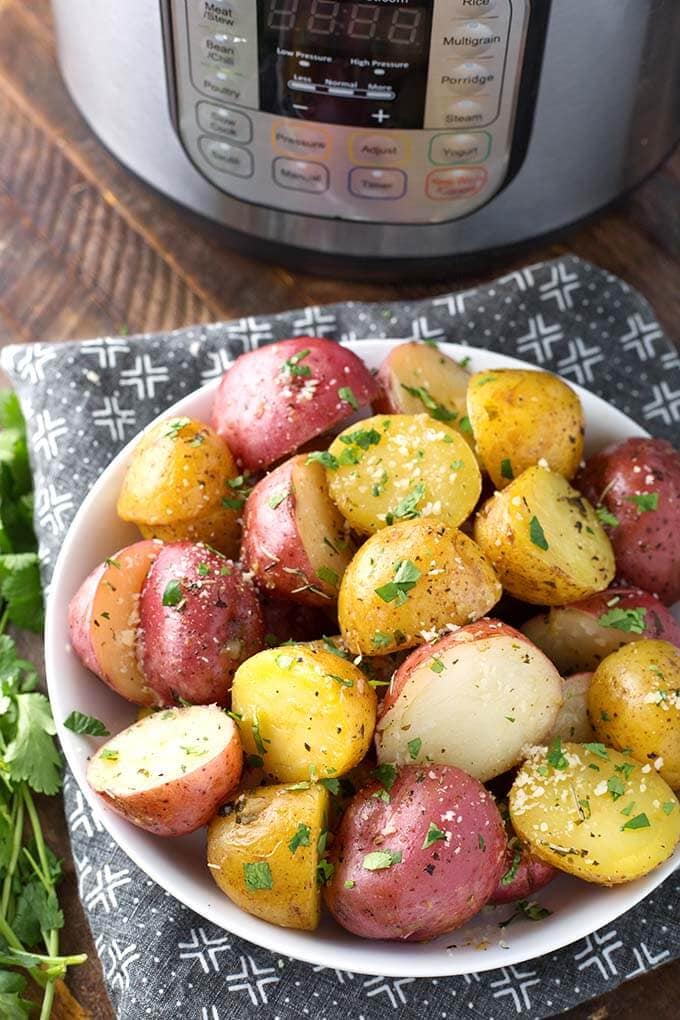
Credit: www.simplyhappyfoodie.com
How Long To Pressure Cook Potatoes: The Basics
Here’s a quick overview for different potato situations. Use these as a starting point.
| Potato Type | Form | Pressure Level | Cooking Time (min) | Natural Release? |
|---|---|---|---|---|
| Russet (Starchy) | Whole, Medium (6 oz) | High | 12-15 | Yes (5 min) |
| Yukon Gold (Waxy) | Whole, Small (2-3 oz) | High | 8-10 | Yes (5 min) |
| Any | Halved or Quartered | High | 6-8 | No (Quick) |
| Any | Diced (1-inch) | High | 3-4 | No (Quick) |
If you’re cooking a mix of sizes, always use the time for the largest potato.
Cooking Whole Potatoes
Whole potatoes are great for baked potatoes, meal prep, or stuffed potatoes. But size matters a lot.
- Small potatoes (2–3 oz each): 8–10 minutes on high pressure, then let pressure drop naturally for 5 minutes before opening.
- Medium potatoes (4–6 oz): 12–15 minutes on high pressure, with a 5-minute natural release.
- Large potatoes (8+ oz): 18–20 minutes on high pressure, natural release for 5–10 minutes.
Pro tip: Prick each potato with a fork before cooking. This helps them cook evenly and prevents the skin from bursting.
Non-obvious insight: If you are meal prepping, cook a large batch and keep cooked potatoes in the fridge for up to 5 days. They reheat well and save you time later in the week.
Cooking Cut Potatoes
Cut potatoes cook much faster. This method is best for mashed potatoes, potato salads, or curries.
- Halved or quartered: 6–8 minutes on high pressure, quick release.
- Diced (1-inch pieces): 3–4 minutes on high pressure, quick release.
Try to keep pieces the same size for even cooking. Otherwise, smaller pieces might turn mushy while larger pieces are still hard.
Extra tip: Use a steamer basket in your pressure cooker for diced potatoes. This helps them keep their shape and stops them from sitting in water, which can make them mushy.
Cooking Baby Potatoes
Baby potatoes are small and cook quickly. They’re perfect as a side dish or in salads.
- Whole baby potatoes: 5–7 minutes on high pressure, quick release.
- If they’re extra small (less than 1 inch), reduce the time to 4–5 minutes.
Practical advice: Don’t overfill your pressure cooker with baby potatoes. They need space for steam to circulate.
Cooking Potatoes For Mashed Potatoes
For creamy mashed potatoes, most people use either Russet or Yukon Gold potatoes.
- Peeled, cut into 1-2 inch chunks: 5–6 minutes on high pressure, quick release.
- If you like very fluffy mashed potatoes, use Russets; for creamy mashed potatoes, use Yukon Golds.
After pressure cooking, drain any water and mash with your favorite ingredients—milk, butter, salt, and pepper.
Non-obvious insight: Adding a pinch of baking soda before mashing can make your potatoes extra fluffy.
Potato Cooking Times By Type And Size
Here is a comparison of common potato types and how their size changes the pressure cooking time.
| Potato Type | Size | Form | Cook Time (min) |
|---|---|---|---|
| Russet | Medium (6 oz) | Whole | 12-15 |
| Yukon Gold | Small (3 oz) | Whole | 8-10 |
| Red Potato | Baby | Whole | 5-7 |
| Any | Any | Diced (1-inch) | 3-4 |
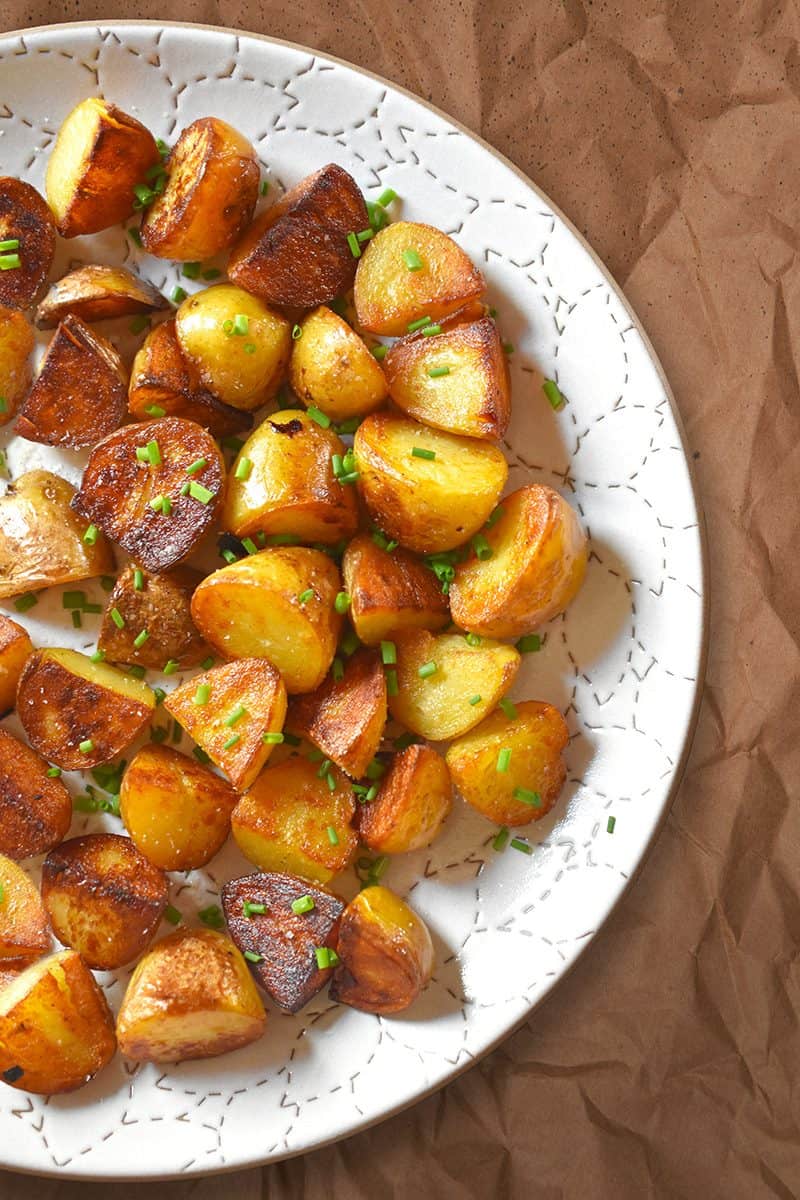
Credit: nomnompaleo.com
Quick Vs. Natural Pressure Release
Understanding how to release pressure can change the final texture:
- Quick release: Good for diced or cut potatoes to stop cooking right away and avoid mushy pieces.
- Natural release (5–10 min): Best for whole potatoes. This keeps the potato skin from splitting and gives a creamier texture.
Extra tip: If you leave potatoes too long during natural release, they might overcook. Always set a timer.
Common Mistakes And How To Avoid Them
Even experienced cooks make mistakes with pressure-cooked potatoes. Here are some to watch out for:
- Overcooking: This leads to mushy potatoes. Always use a timer and test with a fork when possible.
- Undercooking: Thick or large potatoes may still be hard inside if not cooked long enough. If needed, reseal the cooker and add 2 more minutes.
- Crowding: Filling the cooker too full stops steam from circulating. Only fill halfway with potatoes.
- Uneven sizes: Mixing large and small pieces means they won’t cook evenly. Cut to the same size for best results.
- Not using enough water: Pressure cookers need water to create steam. Always add at least 1 cup of water.
How To Pressure Cook Potatoes: Step-by-step
Here’s a simple step-by-step process you can follow for most pressure cookers.
- Wash potatoes and cut to desired size.
- Add 1 cup water to the pressure cooker pot. Use a steamer basket if possible.
- Place potatoes in the basket or directly in the pot.
- Seal the lid and set the valve to “Sealing.”
- Select high pressure and set the timer (see tables above for times).
- After cooking, use quick or natural release as needed.
- Open the lid and check doneness with a fork. If not ready, cook for 1–2 more minutes.
- Drain and serve as desired.
Pressure Cooker Vs. Stovetop: Time And Results
Let’s compare pressure cooking to traditional boiling.
| Cooking Method | Whole Potatoes (min) | Diced Potatoes (min) | Flavor/Nutrition |
|---|---|---|---|
| Pressure Cooker | 8-15 | 3-4 | Fuller flavor, more nutrients |
| Stovetop Boiling | 20-40 | 10-15 | Milder flavor, some loss of nutrients |
As you can see, pressure cookers are much faster and better for nutrition.
Tips For Best Results
- Salt the water for more flavorful potatoes.
- Use a trivet or steamer basket for even cooking and easy draining.
- Don’t peel thin-skinned potatoes (like Yukon Gold or red potatoes) if you want extra flavor and nutrients.
- If you want crispy skin, finish whole potatoes under the broiler or in a skillet after pressure cooking.
- Always check your pressure cooker manual for the correct water amount and safety instructions.
You may also like: Best Pressure Cookers for Beginners
When To Avoid Pressure Cooking Potatoes
Pressure cookers are great, but not always the best choice. Avoid pressure cooking if:
- You want super crispy potatoes (use roasting or frying instead).
- You need to keep potato slices perfectly shaped for dishes like gratin or scalloped potatoes.
- You’re making potato chips—the pressure cooker won’t make them crispy.
Safety Precautions
Pressure cookers are safe if used correctly, but always:
- Check the sealing ring and safety valve before each use.
- Don’t fill above the max line (especially with starchy foods).
- Use enough water—at least 1 cup.
- Release pressure as your recipe instructs. Never force open the lid.
For more safety info, check the official FDA pressure cooker safety tips.
Frequently Asked Questions
How Much Water Should I Use When Pressure Cooking Potatoes?
Always use at least 1 cup of water in your pressure cooker. This is enough to create steam. If you’re cooking a lot of potatoes, use 1.5–2 cups. Never put potatoes in without water—this is unsafe and can burn the food.
Can I Stack Potatoes In The Pressure Cooker?
Yes, you can stack whole potatoes if you leave some space for steam to move. If you’re cooking cut potatoes, spread them in a steamer basket or on a trivet for even cooking.
Why Are My Pressure-cooked Potatoes Mushy?
This usually happens if you cook them too long or use a natural release for too long. Always follow the recommended time and use a quick release for diced potatoes. Also, avoid overcrowding the pot.
Can I Cook Sweet Potatoes The Same Way?
You can cook sweet potatoes in a similar way, but they often need a bit more time. Medium sweet potatoes take 15–18 minutes at high pressure with a 10-minute natural release.
Is It Safe To Leave Potatoes In The Pressure Cooker After Cooking?
It’s safe, but the potatoes will keep cooking in the residual heat. This can make them softer or even mushy. For best results, remove them soon after the pressure drops.
Pressure cooking potatoes can transform your cooking routine. With the right timing, you’ll get perfectly cooked potatoes every time. Whether you’re meal prepping, making a quick side, or preparing for a special dish, this guide should help you save time and avoid common mistakes.
With a little practice, you’ll never go back to the old way.
:max_bytes(150000):strip_icc()/__opt__aboutcom__coeus__resources__content_migration__simply_recipes__uploads__2017__10__2017-10-28-HT-Cook-Potatoes-Pressure-Cooker-10-034b841c4657489b817b5d9b744726af.jpg)
Credit: www.simplyrecipes.com