How Long To Run Air Purifier In Bedroom
Clean indoor air is important for your health and sleep quality. Many people use air purifiers in their bedrooms to reduce dust, allergens, and pollution. But how long should you run an air purifier in your bedroom? The answer depends on several factors, including room size, air quality, and the type of purifier. This guide explains everything you need to know, so you can make confident decisions and enjoy cleaner air every night.
Why Bedroom Air Quality Matters
Your bedroom is where you spend a third of your life. Breathing poor air while sleeping can affect rest, energy levels, and even your long-term health. Common bedroom pollutants include:
- Dust mites
- Pet dander
- Mold spores
- VOC fumes from furniture or paint
- Outdoor pollution that enters through windows
Research shows that exposure to indoor pollution can lead to allergies, asthma, and sleep problems. Running an air purifier helps reduce these risks, but only if you use it correctly.
Factors That Affect Air Purifier Run Time
There is no single answer for how long to run an air purifier in your bedroom. Several factors play a role:
Room Size And Purifier Capacity
The size of your bedroom and the Clean Air Delivery Rate (CADR) of your air purifier are critical. CADR measures how quickly a purifier cleans the air.
| Room Size (sq. ft.) | Recommended CADR | Suggested Run Time |
|---|---|---|
| Small (up to 150) | 100+ | 4-6 hours |
| Medium (150-300) | 150+ | 6-8 hours |
| Large (300+) | 200+ | 8+ hours |
A purifier with a low CADR in a large room will need more time to clean the air. If your purifier matches your room size, it can clean the air faster.
Air Quality Levels
If your bedroom is exposed to high pollution—for example, near a busy road or during pollen season—you may need to run the purifier longer. Many modern purifiers have air quality sensors that show real-time pollution levels. If your purifier has this feature, use it to guide your run time.
Filter Type And Efficiency
Different purifiers use different filters. The most common are HEPA filters, which remove 99.97% of particles larger than 0.3 microns. Some purifiers also use activated carbon to remove odors and chemicals.
| Filter Type | Removes | Run Time Needed |
|---|---|---|
| HEPA | Particles (dust, pollen, pet dander) | 4-8 hours |
| Activated Carbon | Odors, VOCs | 6-10 hours |
| UV-C | Bacteria, viruses | 6-10 hours |
If you want to remove odors or chemicals, you may need to run the purifier longer, especially after activities like painting or cleaning.
Occupancy And Activity
The more time you spend in your bedroom, the more you benefit from cleaner air. If you have pets, open windows, or do activities that stir up dust (like changing sheets), consider running the purifier longer.
Recommended Run Times For Bedroom Air Purifiers
Based on the factors above, here are practical guidelines for most bedrooms:
- Minimum run time: 4 hours before sleep. This removes most airborne particles.
- Optimal run time: 8 hours overnight. Keeps air clean while you sleep.
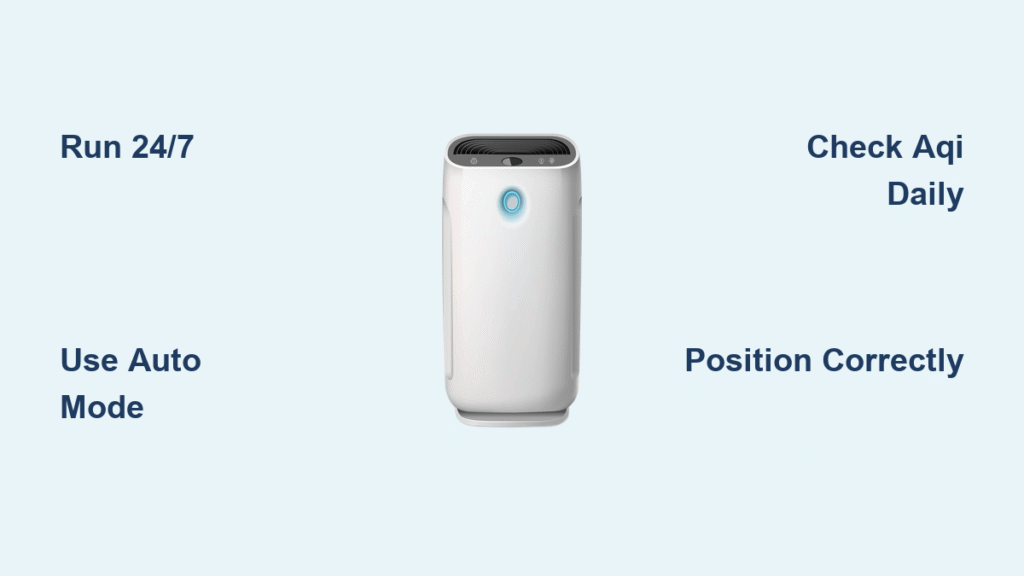
- Continuous use: 24/7 is safe for most purifiers, especially if you live in a polluted area or have severe allergies.
Most experts recommend running your air purifier at least 8 hours each night. If your bedroom air is poor, running it all day is better. Using the timer function can help save energy and extend filter life.
Can You Run An Air Purifier All Night?
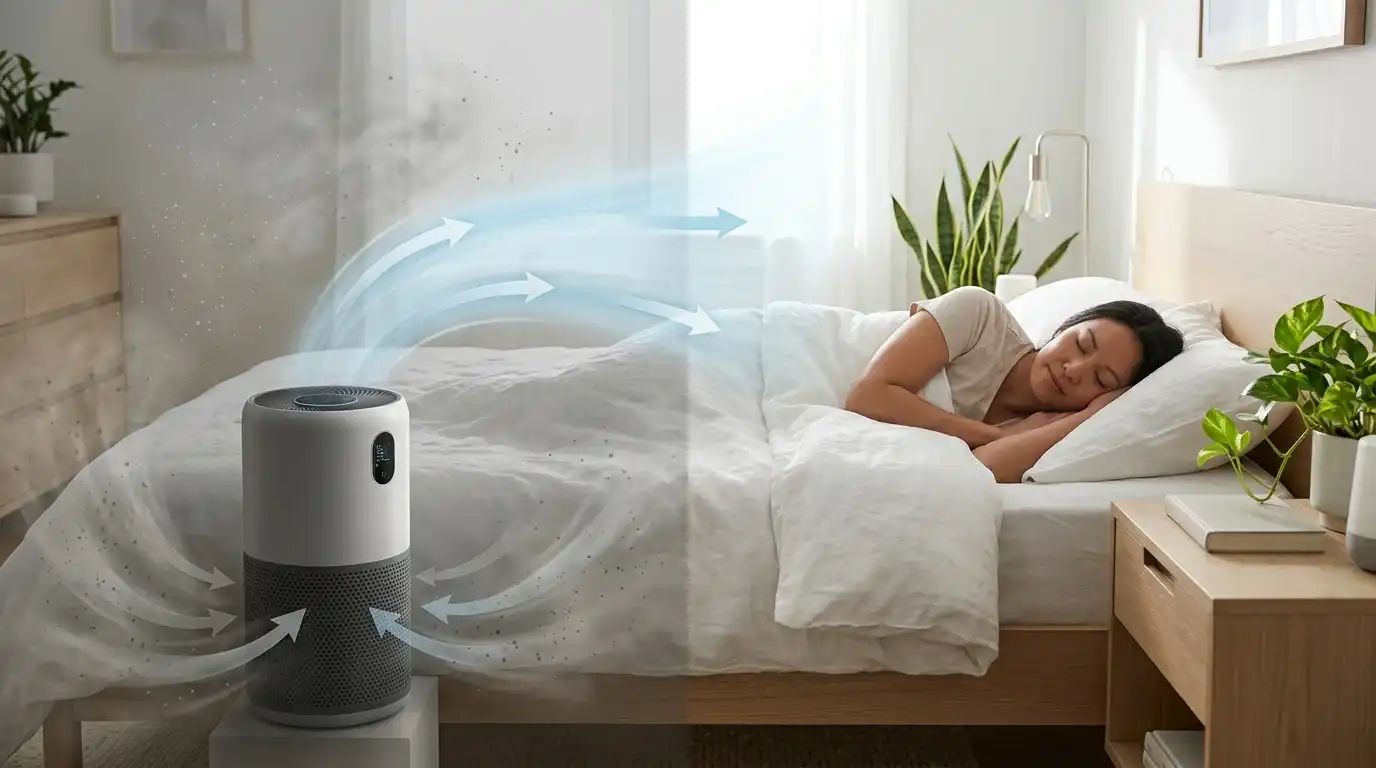
Yes, you can run an air purifier all night, and it is often the best choice for bedrooms. Modern purifiers are designed for continuous use and have quiet modes for sleeping. Here are some benefits:
- Keeps air quality stable throughout the night
- Reduces exposure to allergens while sleeping
- Helps people with asthma or snoring
However, always check the user manual for your device. Some purifiers need regular filter changes or cleaning to avoid overheating.
Energy Consumption And Cost
Many people worry about the cost of running an air purifier for many hours. The good news is that most bedroom purifiers use little power.
- Average power use: 10–60 watts (similar to a small lamp)
- Estimated cost: $0.05–$0.25 per night, depending on local rates
If your purifier has an eco mode, use it to save energy. Running the purifier only at night or when needed can also reduce costs.
How To Maximize Air Purifier Efficiency
Running your air purifier for the right amount of time is important, but so is using it correctly. Here are expert tips for best results:
Proper Placement
Place your air purifier near the center of the room or close to your bed. Avoid blocking it with furniture or curtains. If you have a large room, place the device near common pollutant sources, such as windows or pet beds.
Keep Doors And Windows Closed
To prevent new pollutants from entering, keep doors and windows closed while the purifier is running. If you need fresh air, open the window for a short time, then run the purifier longer afterward.
Clean And Replace Filters
Dirty filters reduce efficiency. Check the filter indicator, or replace filters every 3–6 months as recommended. A clogged filter can make the purifier work harder and use more energy.
Use Sensor And Timer Functions
If your purifier has a sensor or timer, use it. The sensor can adjust fan speed based on air quality, and the timer can turn the device off when not needed.

Credit: homeair.dreametech.com
Common Mistakes With Bedroom Air Purifiers
Even experienced users make mistakes. Here are two non-obvious errors beginners often miss:
- Running the purifier with open windows: This reduces the effect, as new pollutants enter faster than the purifier can clean.
- Ignoring filter replacement: Many people forget to check or change filters, causing the purifier to lose effectiveness over time.
Other mistakes include placing the purifier in a corner, using the wrong filter type, or not checking CADR ratings before buying.
Real-life Examples
Let’s look at two scenarios.
- Small bedroom, low pollution: A person uses a HEPA purifier with CADR 120. They run it for 6 hours at night. Air quality improves, and allergy symptoms decrease.
- Large bedroom, high pollution: A family lives near a busy road. They use a purifier with CADR 220 and activated carbon. Running the purifier 24/7 keeps PM2.5 levels low, and odors disappear.
Both cases show the importance of matching run time and purifier type to your needs.
Comparison: Bedroom Vs. Living Room Air Purifier Use
Bedroom air purifier use is different from other rooms. Here is a quick comparison.
| Room | Typical Run Time | Pollutants | Special Tips |
|---|---|---|---|
| Bedroom | 8 hours (overnight) | Dust, pollen, pet dander | Quiet mode, close windows |
| Living Room | 6–10 hours (daytime) | Cooking smoke, odors | Place near kitchen or window |
| Office | 8–10 hours (work hours) | Paper dust, VOCs | Use timer, eco mode |
Bedrooms need quiet and steady purification, while living rooms may require higher power during cooking or gatherings.
Health Benefits Of Running Air Purifiers In Bedrooms
Using an air purifier in your bedroom can:
- Reduce allergic reactions
- Improve sleep quality
- Lower risk of respiratory problems
- Help with asthma and snoring
A study by the American Lung Association found that filtered air can reduce asthma attacks and improve breathing for sensitive groups. Clean bedroom air is especially important for children, seniors, and people with chronic illnesses.
Credit: aircare.best
How To Choose The Right Purifier For Your Bedroom
Before deciding how long to run your air purifier, make sure you have the right device. Here’s what matters:
- CADR: Match to your room size.
- Filter type: Choose HEPA for particles, carbon for odors.
- Noise level: Look for models under 40 decibels for quiet sleep.
- Sensor/timer: Helpful for automatic use.
Avoid buying purifiers with low CADR or cheap filters. These may need longer run times and still leave air dirty. For more details, see the EPA’s guide to air cleaners.
Frequently Asked Questions
How Often Should I Run My Air Purifier In The Bedroom?
For most people, running an air purifier for 8 hours overnight is enough. If you have allergies or poor air quality, run it longer or use it all day.
Can I Leave My Air Purifier On All Night?
Yes, most air purifiers are safe for continuous use. They are designed for 24/7 operation and have features like quiet mode for sleeping.
Will Running An Air Purifier All Night Increase My Electricity Bill?
Not much. Most bedroom purifiers use less than 60 watts. Running it all night costs less than $0.25 in most areas.
How Do I Know If My Air Purifier Is Working?
Check the air quality indicator if your purifier has one. You can also look for less dust, fewer allergy symptoms, and clean filters.
Should I Run The Air Purifier With Windows Open?
No. Running the purifier with windows open lets new pollutants in, making it harder to clean the air. Close windows for best results.
Breathing clean air in your bedroom is vital for good health and restful sleep. By understanding how long to run your air purifier—and matching it to your needs—you can create a healthier, more comfortable environment. With the right device and correct usage, you will notice fresher air, fewer allergies, and better sleep.