Many people overlook the details when choosing a kitchen sink. You might think all sinks are the same, but the number of holes in your sink can affect your faucet, accessories, and even your kitchen’s design. If you’re remodeling, buying a new sink, or just replacing your faucet, understanding how many holes you need is important. Making the right choice saves money, avoids frustration, and keeps your kitchen both functional and beautiful.
What Do Sink Holes Actually Do?
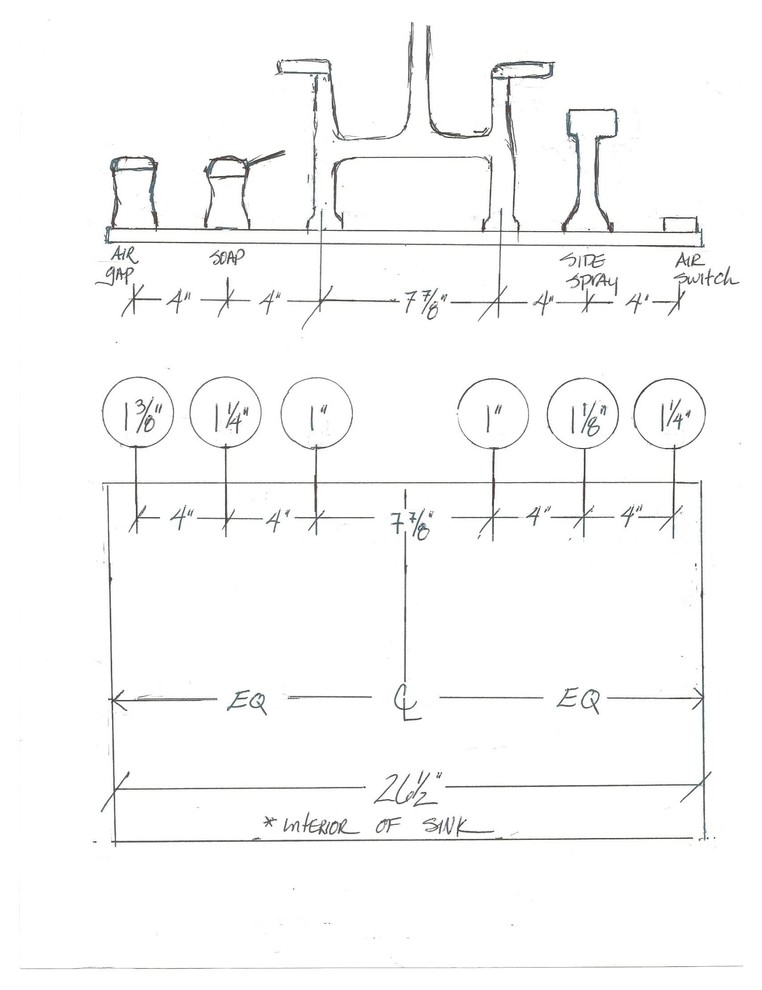
Every hole in a kitchen sink has a purpose. Most holes are for faucets, but others are for accessories like soap dispensers, sprayers, or filtered water taps. Here’s what each hole might be used for:
- Main faucet: Usually takes up one hole.
- Handle(s): Some faucets need extra holes for separate hot/cold handles.
- Sprayer: Many kitchens use a pull-out sprayer, which requires its own hole.
- Soap dispenser: If you want a built-in dispenser, that’s another hole.
- Filtered water tap: For homes with water filtration, a dedicated hole is needed.
Knowing what accessories and faucet style you want helps decide how many holes your sink should have.
Common Kitchen Sink Hole Configurations
Most kitchen sinks come with one to five holes. Let’s look at the most typical setups:
| Number of Holes | Typical Use | Who Needs It? |
|---|---|---|
| 1 | Single faucet | Minimalist, modern kitchens |
| 2 | Faucet + accessory (sprayer or soap) | Small kitchens, basic needs |
| 3 | Faucet + 2 accessories | Average homes, most popular |
| 4 | Faucet + 3 accessories | Large kitchens, multiple options |
| 5 | Faucet + 4 accessories | Custom setups, rare |
Most people choose three holes—one for the faucet, one for a sprayer, and one for a soap dispenser. However, the best number depends on your kitchen’s needs and your faucet type.
Credit: www.houzz.com
Choosing The Right Number Of Holes For Your Kitchen Sink
Finding the right number of holes starts with your faucet. Faucets come in different styles:
- Single-hole faucets: The faucet and handle are combined. Only one hole needed.
- Two-hole faucets: One for faucet, one for accessory.
- Three-hole faucets: Separate handles for hot and cold, or extra accessories.
- Four-hole faucets: More accessories (sprayer, soap, filtered water).
Let’s compare faucet types and their requirements:
| Faucet Type | Number of Holes Needed | Common Accessories |
|---|---|---|
| Single handle (pull-down) | 1 | None |
| Single handle (plus sprayer) | 2 | Sprayer |
| Double handle faucet | 3 | Hot, cold, faucet |
| Double handle (plus accessories) | 4+ | Sprayer, soap, filtered water |
If you want a modern look, go for a single-hole faucet. For more flexibility, choose a sink with extra holes. Some sinks come with plugs that cover unused holes, giving you more options if your needs change.
How To Decide: Practical Steps
To avoid mistakes, follow these steps:
- List your accessories: Think about what you need now and in the future—sprayer, soap dispenser, filtered water tap.
- Choose your faucet style: Check how many holes your faucet needs.
- Check compatibility: Make sure your faucet and accessories fit the number of holes in your sink.
- Consider covers: If you might change faucets later, get a sink with extra holes and use covers for unused holes.
- Measure your space: Extra holes need room. Make sure your countertop can fit them.
Many beginners ignore step 4—covers let you hide unused holes, so your sink stays neat even if you change accessories later.
Undermount Vs Top-mount Sinks: Does Hole Number Change?
Sink installation type affects hole placement:
- Undermount sinks: Usually have no pre-drilled holes. Holes are drilled in the countertop, not the sink itself. You get more flexibility but need to plan ahead.
- Top-mount sinks: Come with holes already drilled. You must buy faucets and accessories that match.
If you want to customize, undermount sinks are better. But top-mount sinks are easier for quick upgrades.
Planning For Future Changes
Kitchen trends change. If you want to upgrade later, consider buying a sink with extra holes. Unused holes can be covered with caps. This way, you avoid costly changes if you want to add a sprayer or soap dispenser in the future.
Another beginner mistake is forgetting about water filtration. Adding a filtered water tap later means you need a spare hole or must drill one, which can be difficult. Plan ahead for all possible accessories.
Comparing Popular Sink Brands And Their Hole Options
Here’s a look at how major brands offer different hole setups:
| Brand | Most Common Hole Options | Special Features |
|---|---|---|
| Kohler | 1, 3, 4 | Flexible hole covers, modern designs |
| Moen | 1, 3 | Easy installation, accessory compatibility |
| Blanco | 1, 2, 4 | Custom drilling, durable sinks |
| Elkay | 1, 3, 5 | Wide selection, commercial options |
Always check the brand’s specs before buying. Some brands offer sinks with more holes or custom drilling options.
Mistakes To Avoid When Choosing Sink Holes
Choosing the wrong number of holes causes problems. Here are mistakes people often make:
- Buying a sink with fewer holes than needed: You might not be able to add a sprayer or soap dispenser later.
- Not considering future upgrades: If you want to add filtered water or other accessories, plan for extra holes.
- Buying a faucet that doesn’t match your sink: Check compatibility before you buy.
- Ignoring countertop space: Extra accessories need room.
- Forgetting about hole covers: If you buy a sink with too many holes, use covers for a clean look.
Remember, sinks with more holes offer flexibility, but too many can look cluttered.
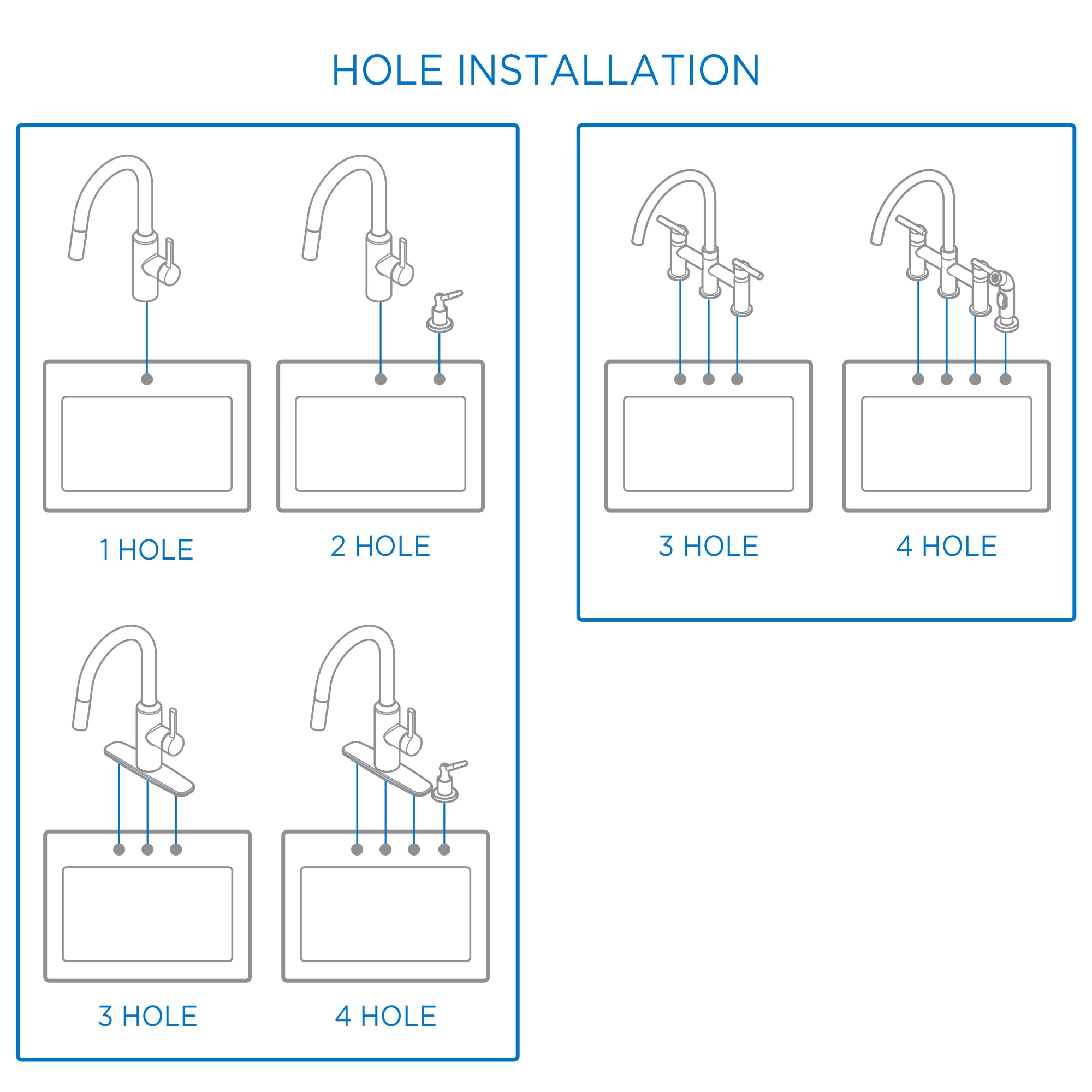
Credit: www.gerber-us.com
How To Add Extra Holes To Your Sink
Sometimes you need another hole after installation. This is possible, but tricky.
- Stainless steel sinks: Easier to drill with proper tools.
- Porcelain sinks: Harder to drill, risk of cracking.
- Composite sinks: Must follow manufacturer instructions.
Always use the right tools and follow safety tips. If unsure, hire a professional.
Real-life Examples And Data
According to the National Kitchen and Bath Association, 57% of new kitchen sinks in the US are three-hole models. Only 16% are single-hole, and 12% are four-hole. Most homeowners prefer flexibility—being able to add or remove accessories.
A family in Texas installed a three-hole sink but later wanted filtered water. They used a hole cover for years, then removed it to add a filtration tap. This saved money and avoided the need to buy a new sink.
Another example: A homeowner bought a one-hole undermount sink for a minimalist look. Later, they wanted a sprayer, but their countertop had no extra holes. They had to hire a contractor to drill through granite, costing over $400.
These stories show why planning ahead matters.

Credit: www.reddit.com
How Many Holes Do I Need? A Simple Guide
To decide, answer these questions:
- What faucet style do I want?
- Single handle: 1 hole
- Double handle: 3 holes
- Do I want a sprayer?
- Yes: Add 1 hole
- Do I need a soap dispenser?
- Yes: Add 1 hole
- Will I add filtered water?
- Yes: Add 1 hole
- Am I planning upgrades later?
- Yes: Choose more holes or use covers
Most homes need three holes. If you like simplicity, one hole is fine. For flexibility, aim for four holes.
Accessories That Require Extra Holes
Some accessories need their own hole:
- Side sprayer: For rinsing dishes
- Soap dispenser: Built-in, saves space
- Filtered water tap: For drinking water
- Air gap for dishwasher: Required in some areas
- Bar sink faucets: Separate prep sinks may need extra holes
Don’t forget about local plumbing codes. Some places require an air gap, which means another hole.
You can also read: How to Undermount Kitchen Sink
Sink Materials And Hole Drilling
Sink material affects how easy it is to add holes:
- Stainless steel: Easiest to drill.
- Granite composite: Needs special tools.
- Porcelain: Risk of cracking.
- Fireclay: Not recommended for drilling.
If you think you may need more holes, choose stainless steel or composite for easier modifications.
Expert Tips For Choosing Sink Holes
- Always plan for the future. Trends change, and your needs may too.
- Check faucet specs. Some faucets look like single-handle but need more holes.
- Use hole covers for unused holes. They are affordable and keep your sink tidy.
- Measure your countertop space before buying a sink with many accessories.
- If unsure, buy a sink with more holes—covers can hide unused holes.
Frequently Asked Questions
How Many Holes Do I Need For A Pull-down Faucet?
Usually, one hole is enough for a pull-down faucet. If you want a sprayer or soap dispenser, you’ll need extra holes.
Can I Add More Holes To My Sink After Installation?
Yes, you can add holes to some sinks, especially stainless steel and composite. For porcelain or fireclay, drilling is risky and best left to professionals.
What If My Sink Has More Holes Than I Need?
You can use hole covers to hide unused holes. These covers are inexpensive and come in different finishes to match your sink.
Are There Sinks With No Holes At All?
Yes. Many undermount sinks have no pre-drilled holes. Holes are drilled in the countertop, giving you total flexibility for faucet placement.
Do Faucet Brands Require Specific Hole Numbers?
Yes. Each faucet brand may need a certain number of holes, so check the manufacturer’s requirements before buying. Some brands offer adapters for different setups.
Making the right decision about sink holes keeps your kitchen practical and stylish. Choose based on your current needs, future plans, and the accessories you want. Planning ahead avoids headaches, saves money, and lets you enjoy your kitchen every day. For more detailed specifications and advice, visit the Family Handyman website.