Vacuum cleaners are everyday tools in homes and offices. They help us keep our spaces clean, but many people wonder: How much electricity does a vacuum cleaner use? This question is important for saving money, understanding energy bills, and caring for the environment. If you want clear answers, practical tips, and real examples, you’re in the right place.
Let’s dive into the world of vacuum cleaner energy use. We’ll look at different types of vacuums, compare their power ratings, and explain how to calculate their electricity costs. You’ll also find advice for picking energy-efficient models and learn how to use your vacuum wisely.
By the end, you’ll have a confident understanding of this topic—even if English isn’t your first language.
How Vacuum Cleaner Electricity Use Is Measured
When you plug in a vacuum, it uses electricity measured in watts (W). Watts show how much power the machine needs to work. Higher wattage means the vacuum is stronger, but it also uses more energy.
Most vacuums list their power rating on a sticker or in the manual. You’ll often see numbers like “1200W” or “1800W. ” This is the maximum power the vacuum can use. However, real electricity usage depends on how long you use it and at what setting.
To find out how much electricity your vacuum uses:
- Check the watt rating.
- Multiply by hours of use.
- Divide by 1,000 to get kilowatt-hours (kWh), which is how energy companies bill you.
For example:
- A 1400W vacuum used for 1 hour: 1400W x 1 hour = 1400 watt-hours. 1400 / 1000 = 1.4 kWh.
This calculation gives you the energy used. If your electricity costs $0. 15 per kWh, running the vacuum for 1 hour would cost about $0. 21.
Average Electricity Usage Of Different Vacuum Types
Not all vacuums use the same amount of electricity. Let’s compare the most common types.
| Type | Typical Power (Watts) | Average Use per Hour (kWh) |
|---|---|---|
| Upright | 1200–1800 | 1.2–1.8 |
| Canister | 1000–1600 | 1.0–1.6 |
| Stick/Handheld | 400–900 | 0.4–0.9 |
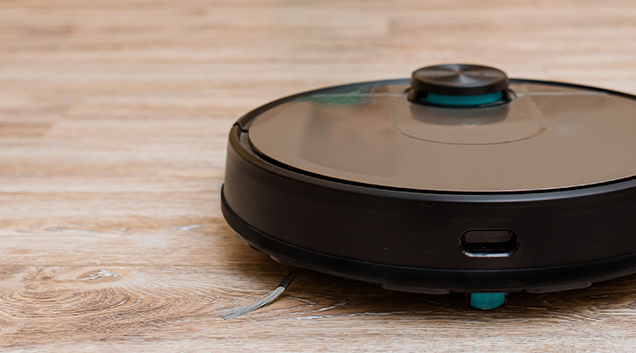
| Robotic | 30–90 | 0.03–0.09 |
| Central Vacuum | 1600–2000 | 1.6–2.0 |
Upright vacuums are popular in the US. They usually use between 1200 and 1800 watts, making them powerful but less energy-efficient. Canister vacuums are similar but often a bit lower. Stick and handheld vacuums are lighter and use less power, often under 900 watts. Robotic vacuums are the most efficient, using only 30–90 watts per hour.
Some central vacuum systems are very strong and can use up to 2000 watts. However, these are less common in homes.
How Much Does It Cost To Run A Vacuum Cleaner?
Let’s look at real-life examples. Most people use their vacuum for about 20–30 minutes per session, a few times per week.
Assume a standard upright vacuum:
- Power: 1500W
- Use: 30 minutes (0.5 hours)
- Energy used: 1500W x 0.5 = 750 watt-hours = 0.75 kWh
If your electricity rate is $0.15 per kWh:
- Cost per session: 0.75 x $0.15 = $0.11
If you vacuum three times per week:
- Weekly cost: $0.33
- Yearly cost: $0.33 x 52 = $17.16
This is for one vacuum. If you use a lower-power stick vacuum, your costs drop by half or more.
Many people overestimate vacuum costs. Compared to other appliances, vacuums are not big energy users. For example, a clothes dryer or air conditioner uses much more power.
Comparing Vacuum Cleaner Energy Use With Other Appliances
To see how vacuums compare, here’s a quick reference:
| Appliance | Typical Power (Watts) | Average Use per Hour (kWh) |
|---|---|---|
| Vacuum Cleaner | 1200–1800 | 1.2–1.8 |
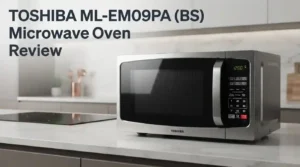
| Microwave Oven | 1000–1500 | 1.0–1.5 |
| Clothes Dryer | 1800–5000 | 1.8–5.0 |
| Refrigerator | 100–800 | 0.1–0.8 |
| Air Conditioner | 2000–4000 | 2.0–4.0 |
You can see that vacuum cleaners are moderate users. They don’t use as much as dryers or air conditioners, but more than a refrigerator.
Factors That Affect Vacuum Cleaner Electricity Consumption
Several things can change how much electricity your vacuum uses:
- Vacuum size and type: Larger vacuums with bigger motors use more power.
- Settings: High suction or turbo modes increase energy use.
- Age and efficiency: Older vacuums may be less efficient.
- Filters and bags: Dirty filters or full bags make the motor work harder.
- Frequency and duration: Longer or more frequent sessions use more energy.
- Floor type: Thick carpets need more suction, so more power.
A non-obvious insight: Even a clogged filter can raise electricity use by 15–20%. Many beginners miss this—cleaning or replacing filters saves energy.
How To Calculate Your Vacuum Cleaner’s Electricity Usage
If you want to know exactly how much your vacuum uses:
- Find the watt rating on the label.
- Note how many hours you use it each week.
- Multiply watts by hours used.
- Divide by 1000 to get kWh.
- Multiply by your electricity rate (cost per kWh).
Example:
- Vacuum: 1200W
- Used: 1 hour/week
- Energy used: 1200 x 1 = 1200 watt-hours = 1.2 kWh
- If rate is $0.15/kWh: 1.2 x $0.15 = $0.18 per week
You can also use a plug-in energy meter to check real usage. These devices are inexpensive and show the actual power used while vacuuming.

Credit: www.hoover-home.com
Choosing An Energy-efficient Vacuum Cleaner
If you want to save electricity, here’s what to look for:
- Lower wattage: Choose vacuums with 700–1200 watts for normal use.
- Energy Star rating: Look for models with the Energy Star label. These use less power.
- Efficient motors: Newer vacuums often have better technology.
- Variable suction: Adjustable settings let you use less power for easy jobs.
- Bagless design: Bagless vacuums often need less energy to work well.
Not all high-watt vacuums are better at cleaning. Efficiency depends on design, not just power. A well-designed 900W vacuum can clean as well as a 1500W model, but use less electricity.
| Feature | Impact on Energy Use |
|---|---|
| Lower Wattage | Reduces usage |
| Efficient Motor | Better cleaning, less power |
| Clean Filters | Maintains efficiency |
| Adjustable Settings | Lets you use less power |
Many buyers focus only on suction power or price. Don’t forget to check energy ratings and design features. This will help you get a machine that cleans well, saves money, and lasts longer.
You might find this helpful: Best Vacuum Cleaners for Carpet
Tips To Reduce Vacuum Cleaner Energy Use
You can easily lower the electricity your vacuum uses without losing cleaning power:
- Clean or replace filters regularly.
- Empty bags or bins often.
- Use lower suction settings for hard floors.
- Vacuum in short, efficient sessions.
- Pick the right vacuum for your needs—don’t use a heavy-duty machine for small jobs.
- Keep carpets and floors clear to avoid extra work.
Another insight: Many people vacuum slowly, thinking it cleans better. In fact, moving at a steady pace is just as effective and uses less energy.
Environmental Impact Of Vacuum Cleaner Electricity Use
While vacuums aren’t the biggest energy users, every bit counts. Using efficient models and better habits helps:
- Lower your carbon footprint
- Save money
- Reduce demand on power plants
For those interested in green living, consider robotic vacuums or newer models with eco-friendly features. These use much less power and often have longer lifespans.
If you want more details on energy efficiency, visit the Energy Star official site.
Frequently Asked Questions
How Many Watts Does A Typical Vacuum Cleaner Use?
Most home vacuums use 1200–1800 watts. Stick vacuums may use as little as 400–900 watts. Robotic vacuums are the most efficient, often using only 30–90 watts.
Is It Expensive To Run A Vacuum Cleaner?
No, vacuum cleaners are not expensive to run. On average, each session costs 10–20 cents. Over a year, normal use adds $15–$25 to your electricity bill.
Can I Save Energy By Vacuuming Less Often?
Yes, vacuuming less often reduces energy use. But you should balance this with keeping your home clean. Using efficient settings and proper maintenance also lowers energy costs.
Does Higher Wattage Mean Better Cleaning?
Not always. Higher wattage means more power, but cleaning depends on design, filters, and suction efficiency. A well-designed 900W vacuum can clean as well as a 1500W model.
How Do I Know If My Vacuum Is Energy Efficient?
Check for the Energy Star label and look at the wattage. Lower wattage, efficient motors, and adjustable settings are signs of a good, energy-saving vacuum.
Vacuum cleaners are essential tools, but their electricity use is moderate compared to many other appliances. By understanding power ratings, choosing efficient models, and practicing smart habits, you can keep your home clean and your energy bills low. Now you have the knowledge to make smart decisions about vacuum cleaner electricity use—no matter your English level.
Credit: www.electricireland.ie