Keeping your fridge in top shape is important for food safety, energy savings, and making your kitchen life easier. Many people ignore one key task: defrosting. Ice builds up slowly, and you might not notice until your freezer is packed with frost, making it hard to store food.
But how often should you defrost your fridge? The answer is not as simple as you think. It depends on the type of fridge you have, your usage habits, and even the weather. If you want your fridge to work well and last longer, understanding defrosting is a must. This guide will help you figure out when and how to defrost, what happens if you skip it, and tips to make the process smooth.
Why Defrosting Matters
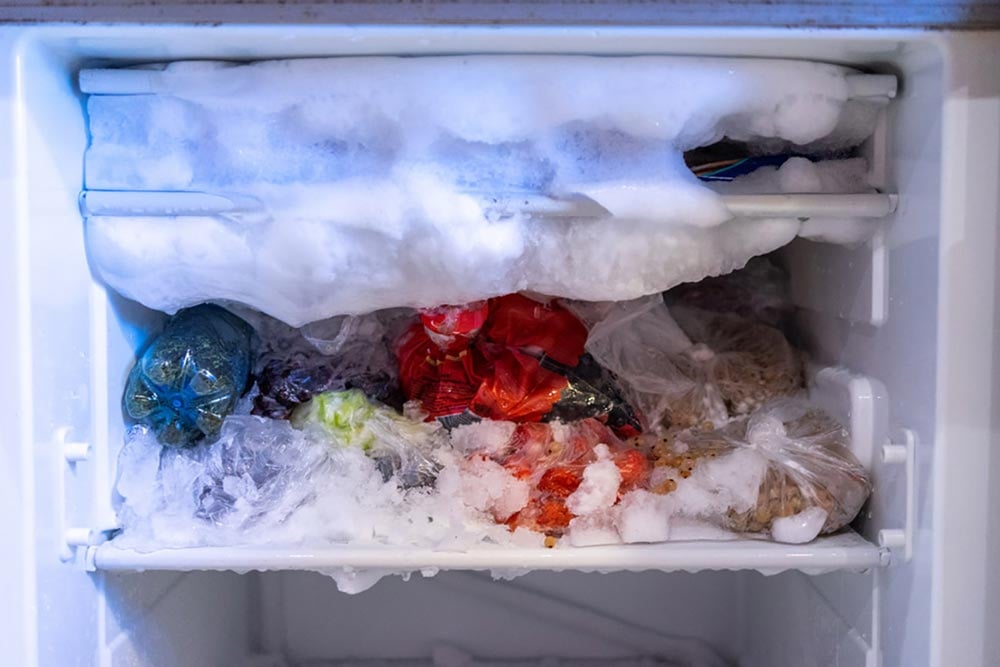
A fridge with too much ice can cause several problems. The thick layer of frost blocks airflow, making the fridge work harder. This uses more energy and can raise your electricity bill. Frozen coils also stop the fridge from keeping food cold enough, risking spoilage. Some food, especially meat and dairy, can become unsafe if the temperature rises.
Defrosting is not just about removing ice. It’s about keeping your fridge efficient and safe. If you notice your freezer door is hard to close or the ice is covering shelves, you’re overdue for a defrost. Regular defrosting keeps your fridge running smoothly and helps you avoid bigger repairs down the line.
Types Of Fridges And Their Defrost Needs
The frequency of defrosting depends largely on the fridge type. Let’s look at the most common types and what you should expect.
| Fridge Type | Defrost Frequency | Features |
|---|---|---|
| Manual Defrost | Every 3–6 months | No automatic defrost system |
| Frost-Free/Automatic | Rarely needed | Automatic heating coils clear ice |
| Hybrid (Semi-Automatic) | Every 6–12 months | Partial auto-defrost, may need manual help |
Manual Defrost Fridges
These models are common in older homes or budget options. You must unplug the fridge and let the ice melt. For most households, every 3–6 months is best, but check for ice thickness (over 1/4 inch) as a sign to defrost sooner.
Frost-free Or Automatic Defrost
Modern fridges use heating coils to melt frost regularly. You may never need to manually defrost, but occasional checks can help. If you notice frost in strange places, a quick clean may help.
Hybrid Or Semi-automatic
Some fridges combine both methods. They reduce frost but don’t remove it completely. Defrost every 6–12 months or when ice appears.
Signs Your Fridge Needs Defrosting
It’s easy to forget about defrosting until the fridge looks icy. Here are signs to watch for:
- Frost buildup: If you see thick layers of ice, especially over 1/4 inch, it’s time.
- Door doesn’t close well: Ice can push against the door seal.
- Food not freezing properly: Frost blocks airflow, making temperatures uneven.
- Water leaks: Ice can melt and drip when the fridge cycles.
- Strange smells: Frost can trap food particles, leading to odors.
If you spot any of these, defrost your fridge soon.
How Often Should You Defrost? Key Factors
There is no universal answer. The best defrosting schedule depends on several factors:
| Factor | Impact on Defrost Frequency |
|---|---|
| Fridge Type | Manual needs more frequent defrosting |
| Usage Habits | Frequent opening increases frost |
| Climate | Humid weather boosts ice buildup |
| Food Storage | Warm, uncovered foods speed up frost |
Usage Habits
If you open the fridge often or leave the door open for long, humid air gets inside and causes more ice. Families with children, or people who store large meals, may need to defrost more often.
Climate
In humid regions, moisture in the air turns to frost quickly. You may need to defrost every 2–3 months, compared to every 6 months in dry areas.
Food Storage
Putting warm or uncovered food in the fridge releases moisture. Always cool food before storing and use airtight containers to slow frost buildup.
Step-by-step: How To Defrost Your Fridge
Defrosting seems simple, but doing it right prevents messes and damage. Follow these steps:
1. Unplug The Fridge
Safety comes first. Turn off the fridge to stop electrical hazards.
2. Remove All Food
Take out food, ice trays, and shelves. Store perishables in a cooler with ice packs.
3. Place Towels
Lay towels around the base to soak up melting water.
4. Speed Up Melting (optional)
You can place bowls of hot water inside to melt ice faster. Never use sharp tools to chip ice—this can damage the fridge.
5. Clean And Dry
Once the ice melts, wipe all surfaces. Use mild soap and water. Dry completely before plugging back in.
6. Restart And Restock
Plug in the fridge, wait until it cools, then return the food.
How Long Does Defrosting Take?
Defrosting can take 2–8 hours, depending on the amount of ice and room temperature. Using hot water or a hair dryer (on low, from a safe distance) speeds things up. For most manual fridges, plan for half a day.
Risks Of Not Defrosting
Skipping defrosting can cause several issues:
- Higher energy bills: Ice blocks efficient cooling.
- Food spoilage: Uneven temperatures risk bacteria growth.
- Shorter fridge lifespan: Overworked motors fail faster.
- Water leaks: Melted ice can drip and damage floors.
A non-obvious risk is that frost can trap odors and bacteria, making your fridge less sanitary. Ice buildup can also hide small cracks or damage, which gets worse over time.
How To Keep Frost Away Longer
Some simple habits can reduce how often you need to defrost:
- Keep fridge doors closed as much as possible.
- Store food in sealed containers.
- Let hot food cool before putting it in the fridge.
- Check the door seal for gaps.
- Avoid overfilling the fridge; packed shelves block airflow.
Another overlooked tip: wipe up spills immediately. Moisture on shelves turns into frost quickly.
Comparing Fridge Models: Which Need Defrosting Most?
If you’re shopping for a new fridge, consider how much maintenance you want. Here’s a quick comparison:
| Fridge Model | Defrost Maintenance | Average Price (USD) |
|---|---|---|
| Manual Defrost | High (every 3–6 months) | $200–$600 |
| Frost-Free | Low (almost never) | $400–$1,200 |
| Hybrid | Medium (every 6–12 months) | $350–$900 |
Manual defrost models are cheaper but need more work. Frost-free models cost more but save time.
Seasonal Defrosting: Is It Necessary?
Many people defrost their fridge before holidays or summer. Is this needed? It depends. If your fridge fills up during holidays or hot weather, defrosting before can help it work better. Summer heat adds moisture, so ice builds up faster.
If your fridge is nearly full or you plan to store lots of leftovers, a pre-holiday defrost is smart. This prevents food spoilage and keeps your fridge ready for big meals.
Credit: www.summitappliance.com
What To Avoid When Defrosting
Some mistakes can damage your fridge or make the process harder:
- Don’t use knives or screwdrivers to chip ice. This can puncture the lining or coolant coils.
- Avoid pouring boiling water inside. Use warm water bowls instead.
- Don’t plug the fridge back in while it’s wet.
- Never leave food inside during defrosting.
One uncommon mistake: forgetting to clean the drip pan. Many fridges have a pan under the unit that collects water. Clean this after defrosting to prevent mold.
How Defrosting Affects Energy Use
Defrosting can make a big difference in energy efficiency. According to the US Department of Energy, a fridge with thick ice uses up to 30% more electricity. This is because ice blocks the coils, making the fridge work harder.
If you notice your electricity bill rising, check the freezer for frost. Regular defrosting can save money and reduce your carbon footprint.
Defrosting And Food Safety
A frosty fridge is not just inconvenient—it can be unsafe. If ice blocks vents, some areas get warmer, risking food spoilage. Bacteria like Salmonella and Listeria grow faster in warm spots.
Always check the temperature after defrosting. Keep your fridge at 37–40°F (3–4°C) and your freezer at 0°F (-18°C). Use a fridge thermometer for accuracy.
How Often Should You Defrost In Special Situations?
Shared Fridges
If you share a fridge with roommates, defrost more often. Multiple people open the door often, raising humidity. Aim for every 2–3 months.
Commercial Fridges
Restaurants or shops use their fridges heavily. Weekly checks are smart, with defrosting every 1–2 months as needed.
Vacation Homes
If your fridge sits unused, defrost before leaving. Unplug and leave the door open to prevent mold.
Real-life Examples
Sarah, a busy mom in Florida, noticed her freezer was full of frost after two months. She defrosted, and her fridge cooled better, saving $20 on her next electricity bill. In contrast, Mike in Colorado defrosts every six months, since the dry air slows ice buildup.
In a shared college apartment, the fridge needed defrosting every 2–3 months. Multiple users and frequent opening raised humidity and frost.
Defrosting Myths
There are several myths about defrosting:
- “Modern fridges don’t need defrosting.” Most do, especially if used heavily.
- “Ice keeps food fresher.” Thick ice actually harms cooling.
- “Defrosting is dangerous.” It’s safe if you follow basic steps.
A less obvious myth: Some think defrosting removes odors. While it helps, cleaning is still needed.
A Quick Defrosting Checklist
For easy reference, here’s what to remember:
- Unplug the fridge.
- Remove all food.
- Place towels to catch water.
- Use bowls of warm water if needed.
- Clean all surfaces.
- Dry completely.
- Plug back in and restock.
When Should You Call A Professional?
If you notice ice forming quickly after each defrost, or if water leaks continue, your fridge may have a broken seal or damaged coil. Call a technician if:
- Ice returns within weeks.
- Fridge won’t cool after defrosting.
- Strange noises or smells appear.
Ignoring these signs can lead to expensive repairs.

Credit: cpdonline.co.uk
Useful External Resource
For more detailed information on fridge maintenance and energy efficiency, see this US Department of Energy guide.
Frequently Asked Questions
How Do I Know If My Fridge Is Frost-free?
Check your manual or look for settings labeled “auto-defrost. ” Frost-free fridges have coils that heat up and melt ice automatically. If you rarely see ice, your fridge is likely frost-free.
Can I Defrost My Fridge Without Unplugging It?
Unplugging is safest. Some newer models allow “defrost mode,” but most manual fridges require unplugging to prevent electrical risks and let the ice melt fully.
Is It Bad To Defrost Too Often?
Defrosting too often is not harmful, but it’s unnecessary. You only need to defrost when frost builds up (over 1/4 inch) or every few months for manual fridges. Too frequent defrosting wastes time but doesn’t damage the fridge.
What Should I Do With Food During Defrosting?
Store perishable food in a cooler with ice packs. Frozen food can last a few hours outside the freezer if kept cold. Plan ahead and defrost when food stocks are low.
Why Does Frost Build Up So Quickly In My Fridge?
Rapid frost buildup can be caused by frequent door opening, humid climate, poor door seal, or storing warm food. Check seals, let food cool, and keep the door closed as much as possible.
Defrosting your fridge is not a difficult task, but it is easy to overlook. By understanding your fridge type, usage habits, and climate, you can set a schedule that keeps your appliance efficient and your food safe. Regular checks and smart habits help you avoid messy ice buildups, save money, and prevent food waste.
Whether you have a manual, frost-free, or hybrid fridge, a little care goes a long way. Make defrosting part of your routine, and your fridge will work better for years to come.
Credit: www.abt.com