Skip to content
Choosing the right chef knife can transform your cooking. Whether you’re a home cook or a professional, the best chef knife makes chopping, slicing, and dicing easier and safer. But with so many options, styles, and prices, finding the ideal knife feels overwhelming.
This guide breaks down what really matters—so you avoid common mistakes and make a smart choice that fits your needs.
Understanding Chef Knives
A chef knife is the most important tool in your kitchen. It’s used for cutting vegetables, meat, fruit, herbs, and almost everything else. Most chef knives are 8 inches long, but you’ll find sizes from 6 to 12 inches.
Chef knives come in two main styles:
- Western (German/French): Curved blade, heavier, strong for tough tasks.
- Japanese: Thinner, lighter, sharper, ideal for precise cutting.
Each style has strengths. Western knives are better for heavy work like cutting bones. Japanese knives are perfect for fine slicing. Still, the “best” chef knife depends on your cooking style, hand size, and budget.
Key Factors To Consider
Before buying a chef knife, focus on these important points:
Blade Material
The blade material affects sharpness, durability, and maintenance.
- Stainless steel: Resists rust, easy to care for, good for beginners.
- High-carbon steel: Sharper edge, stays sharp longer, but needs more care (can rust).
- Ceramic: Very sharp, lightweight, but can chip or break if dropped.
Most chef knives use stainless or high-carbon steel. Japanese knives often use high-carbon steel for a sharper edge.
Blade Shape And Size
Chef knives come in different shapes:
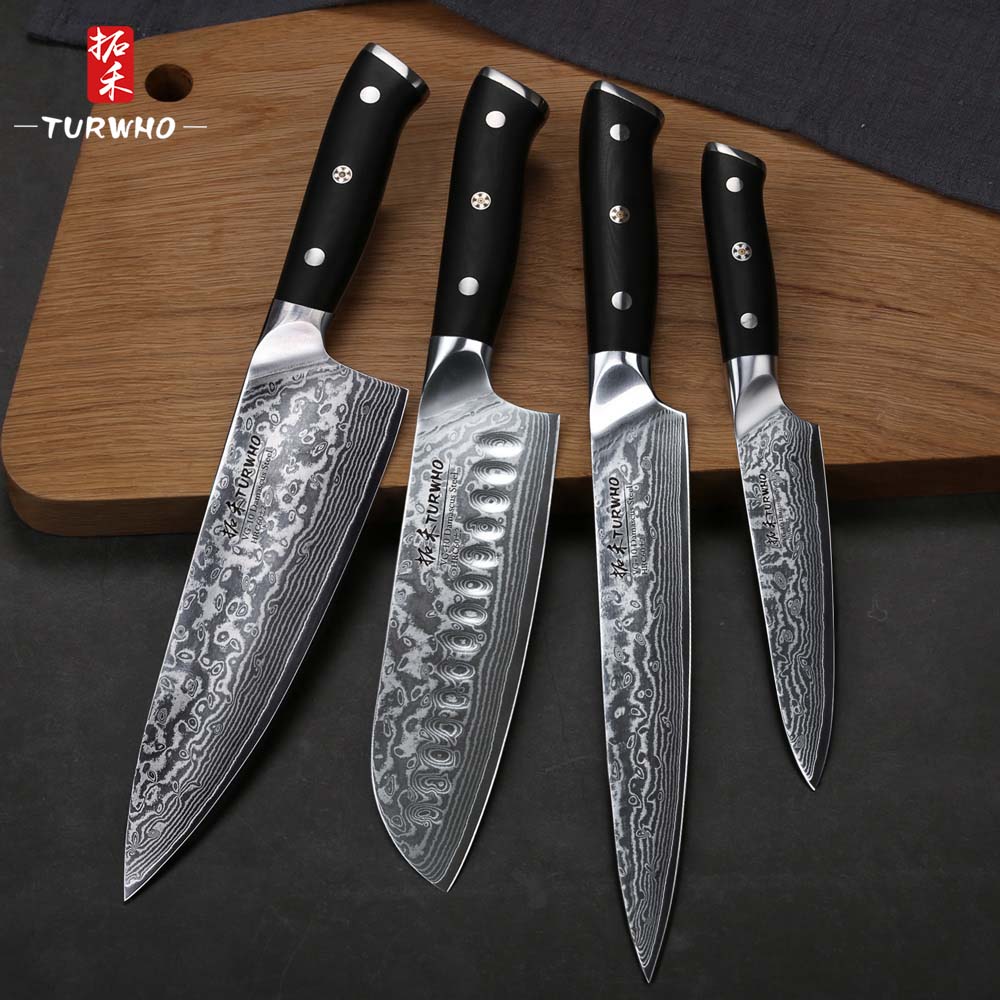
- French: Narrow blade, straight edge, good for slicing.
- German: Wider blade, curved edge, ideal for rocking motion.
- Santoku: Japanese style, shorter and wider, flat edge, great for quick chopping.
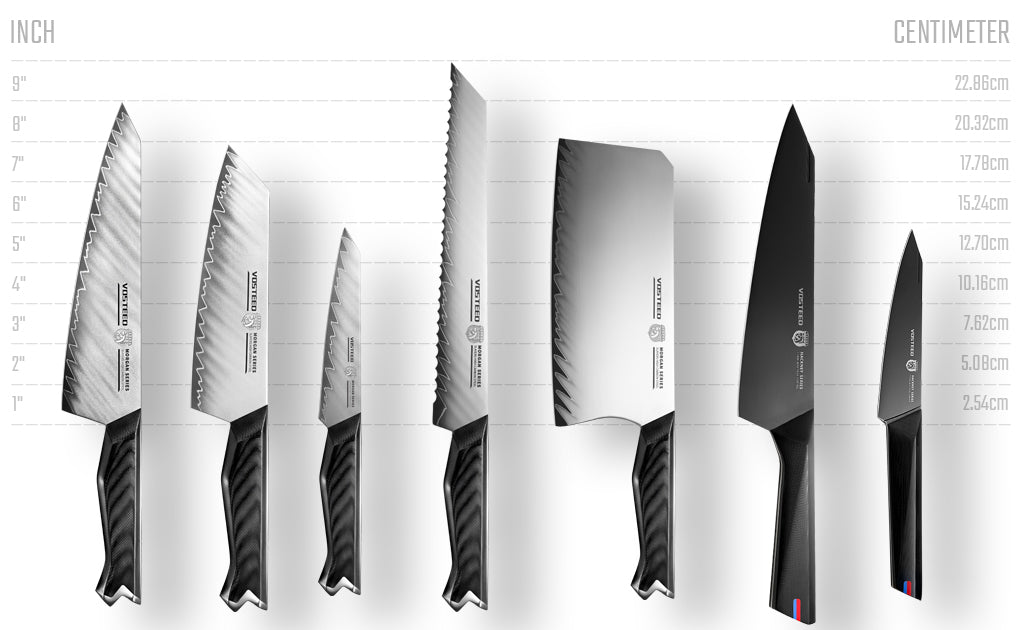
Choose a blade length that matches your hand size and kitchen space. 8 inches is the most popular for home cooks. Smaller hands may prefer 6-inch blades.
Handle Comfort And Material
A comfortable handle is essential. Look for:
- Shape: Rounded or contoured handles fit better.
- Material: Wood, plastic, or composite. Wood feels natural but needs care; plastic is easier to clean.
- Grip: Try to hold the knife before buying. It should feel balanced and safe.
Weight And Balance
A good chef knife should feel balanced. If it’s too heavy, your hand gets tired. If it’s too light, you have less control. The balance point is usually where the blade meets the handle (the bolster).
Price And Value
Chef knives range from $20 to over $300. You don’t need the most expensive knife, but avoid very cheap ones—they often dull quickly or break.
A quality chef knife is an investment. Spend what you can afford, but check reviews and test the knife if possible.
Credit: turwho.com
Comparing Popular Chef Knife Brands
To help you choose, here’s a quick comparison of top brands:
| Brand | Blade Material | Price Range | Main Features |
|---|---|---|---|
| Wüsthof | High-carbon stainless | $100–$200 | Durable, well-balanced, German style |
| Shun | VG-10 high-carbon | $120–$250 | Sharp, lightweight, Japanese style |
| Victorinox | Stainless steel | $40–$80 | Affordable, comfortable, good for beginners |
| Global | Cromova stainless | $80–$150 | Light, modern design, easy to clean |
| MAC | High-carbon | $100–$180 | Very sharp, thin blade, Japanese style |
Chef Knife Types: Which One Fits Your Needs?
There are several types of chef knives. Knowing their differences helps you pick the right one.
| Type | Length | Best For | Not Ideal For |
|---|---|---|---|
| Classic Chef Knife | 8–10 inches | All-purpose cutting | Small hands, tight spaces |
| Santoku | 5–7 inches | Quick chopping, Asian cuisine | Heavy-duty tasks |
| Gyuto | 8–10 inches | Precision slicing, Japanese style | Bone cutting |
| Utility Knife | 6 inches | Small cuts, fruit, herbs | Large items |
How To Test A Chef Knife Before Buying
Trying a chef knife before buying is best. If you can, do this:
- Grip test: Hold the knife. It should feel secure and comfortable.
- Balance check: The knife shouldn’t tip forward or backward.
- Cutting test: Slice a tomato, onion, or potato. The knife should cut easily, not crush.
- Weight check: Make sure it’s not too heavy or too light for your hand.
If you buy online, read reviews and look for videos showing the knife in action.
Common Mistakes When Choosing A Chef Knife
Many people make these mistakes:
- Choosing by looks only: A stylish knife may not work well. Focus on performance.
- Buying too cheap: Low-quality knives lose sharpness and can be unsafe.
- Ignoring handle comfort: If the handle feels bad, you won’t use the knife.
- Wrong blade size: A big knife isn’t always better. Choose the size that fits your hand and cooking style.
- Skipping maintenance: Even the best chef knife needs regular sharpening and care.
Care And Maintenance Tips
Once you have a chef knife, proper care keeps it sharp and safe:
- Hand wash only: Never put your chef knife in the dishwasher. The blade can chip or rust.
- Dry after washing: Water causes rust, especially on high-carbon blades.
- Sharpen regularly: Use a sharpening stone or a professional service every few months.
- Store safely: Use a knife block, magnetic strip, or blade guard.
Here’s a quick comparison of knife maintenance methods:
| Method | Frequency | Best For | Cons |
|---|---|---|---|
| Sharpening Stone | Every 2–3 months | All knives | Requires skill |
| Honing Rod | Weekly | Stainless steel knives | Doesn’t sharpen, only aligns edge |
| Professional Sharpening | Twice a year | High-end knives | Costly |
| Knife Sharpener Tool | Monthly | Beginner-friendly | Can remove too much metal |
Non-obvious Insights Most Beginners Miss
- The handle matters more than you think. Many beginners focus only on the blade. But an uncomfortable handle leads to fatigue and poor control. Always try holding the knife before buying or check detailed handle reviews.
- Edge geometry affects performance. Two knives can be equally sharp, but the angle of the blade edge (usually 15° for Japanese, 20° for Western) changes how the knife cuts. Japanese knives are sharper but more fragile; Western knives are tougher but need more force.
Credit: www.vosteed.com
Making Your Final Choice
After considering all the points above, make your decision based on your needs:
- If you cook mostly Western dishes and want durability, a German-style chef knife (like Wüsthof) is a strong choice.
- For precision and lighter work, Japanese-style knives (Shun, MAC) excel.
- If you’re on a budget but want quality, Victorinox is popular among professionals.
- Don’t ignore how the knife feels in your hand. Comfort and balance make a big difference over time.
You don’t need a huge collection. One good chef knife, cared for properly, handles 90% of kitchen tasks.
Frequently Asked Questions
What Is The Ideal Length For A Chef Knife?
Most home cooks prefer an 8-inch chef knife. It’s long enough for big tasks but easy to control. If you have smaller hands or a tiny kitchen, a 6-inch knife may be better.
How Often Should I Sharpen My Chef Knife?
For regular home use, sharpen your chef knife every 2–3 months. Use a honing rod weekly to keep the edge aligned. Professional chefs sharpen more often.
Is A Japanese Chef Knife Better Than A German One?
Each style has strengths. Japanese knives are sharper and lighter, ideal for precision. German knives are heavier, tougher, and handle hard foods. Choose based on your cooking style.
Can I Use A Chef Knife For Everything?
A chef knife can handle most kitchen jobs: chopping, slicing, dicing. But for bread, bones, or delicate peeling, a specialty knife works better.
Where Can I Find Reliable Chef Knife Reviews?
For trusted reviews and comparisons, visit Serious Eats. They test knives and explain differences clearly.
Credit: gentrychoiceusa.com
Final Thoughts
A chef knife is a personal tool. Choosing the best one means thinking about your cooking habits, hand size, and budget. Don’t rush—test knives, read reviews, and focus on comfort and performance. Remember, a well-chosen chef knife makes cooking easier, safer, and more enjoyable.
With good care, your knife will last for years, helping you create delicious meals and lasting memories.