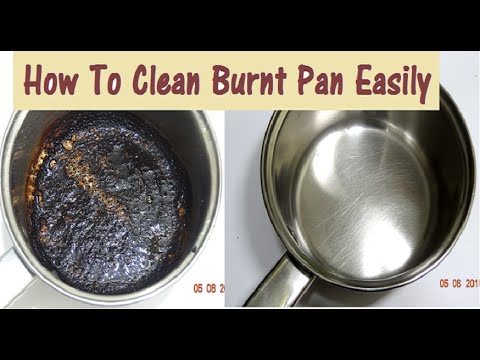
Anyone who cooks at home knows this moment: you finish making a sauce, look at the pan, and see a thick, black layer stuck to the bottom. Burnt sauce pans are stubborn, and regular dish soap barely scratches the surface. But don’t throw away your favorite pan yet. With the right approach, you can remove burnt residue and restore your cookware.
This guide shares practical methods, common mistakes, and some insights you won’t find on the label. Whether you use stainless steel, nonstick, or cast iron pans, you’ll soon know how to clean a burnt sauce pan confidently.
Understanding Why Pans Get Burnt
Burnt pans usually happen when food sticks and overheats. Sometimes, you walk away for just a minute—then sugar, cream, or tomato sauce turns black and hard. Stainless steel pans are especially prone, while nonstick pans resist burning but can still get scorched if overheated.
Burnt residue is tough because:
- Caramelized sugars harden into a sticky crust.
- Proteins fuse with metal surfaces.
- Oil and fat create greasy black layers.
Over time, burnt layers can damage the pan’s surface. Knowing what causes burning can help you prevent it, but let’s focus on cleaning the mess.
First Steps: Safety And Assessment
Before cleaning, let the pan cool. Never pour cold water onto a hot pan—this can warp metal or damage nonstick coatings. Once cooled, check the type of pan:
- Stainless steel: Handles scrubbing and heat.
- Nonstick: Needs gentle cleaning to protect the coating.
- Cast iron: Requires care to preserve seasoning.
If the pan’s surface is scratched, avoid aggressive methods. For valuable or coated pans, test any cleaning method on a small spot first.
Credit: www.thekitchn.com
The Basic Cleaning Method
For light burns, start simple:
- Fill the pan with hot water and a few drops of dish soap.
- Let it soak for 30–60 minutes.
- Use a soft sponge to scrub the burnt area.
If the residue comes off, you’re done. If not, move to stronger solutions.
Deep Cleaning: Tried-and-tested Methods
Some burnt pans need more than soap. Here are proven ways to tackle tough residue.
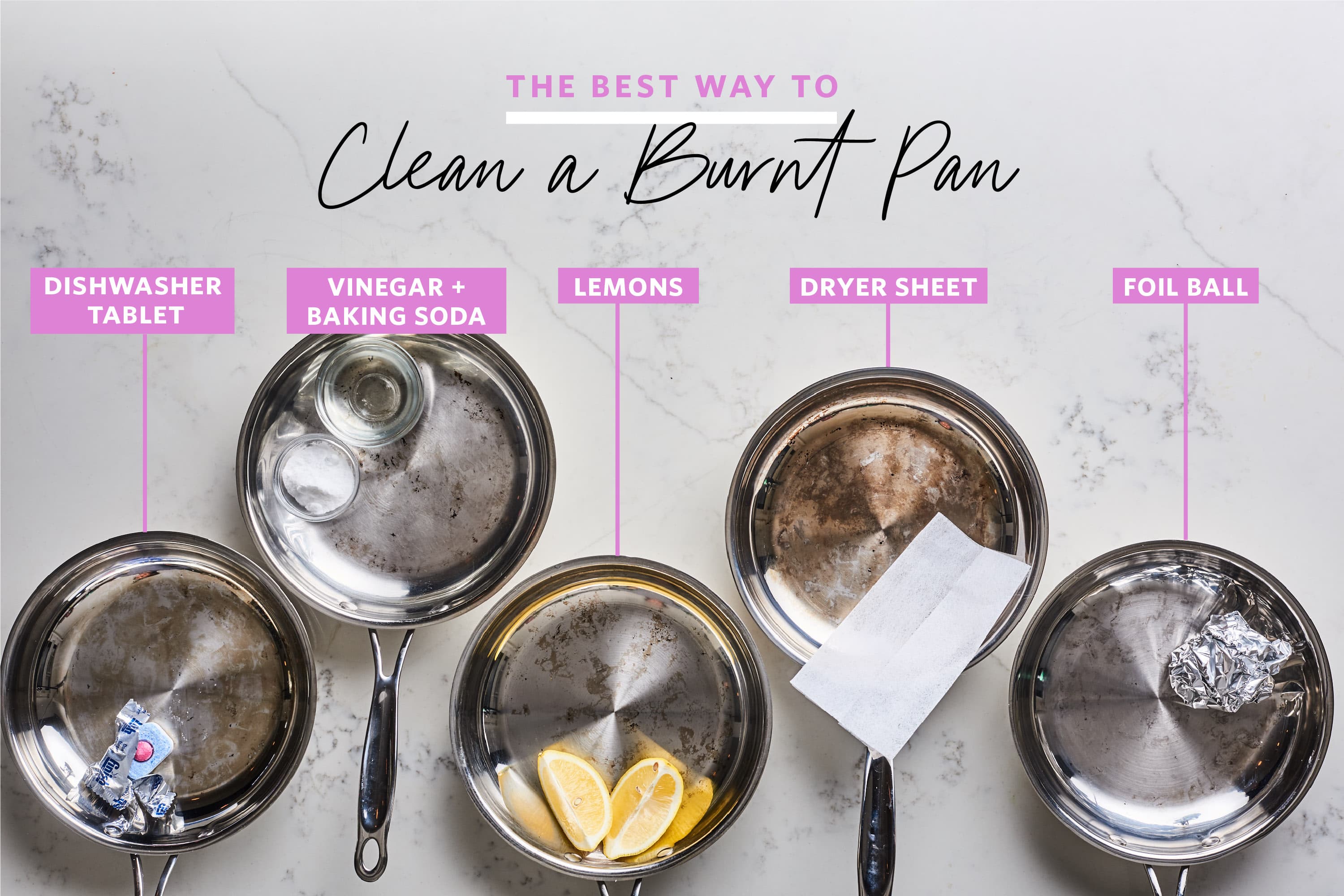
Baking Soda And Vinegar
This classic combo works for many pans.
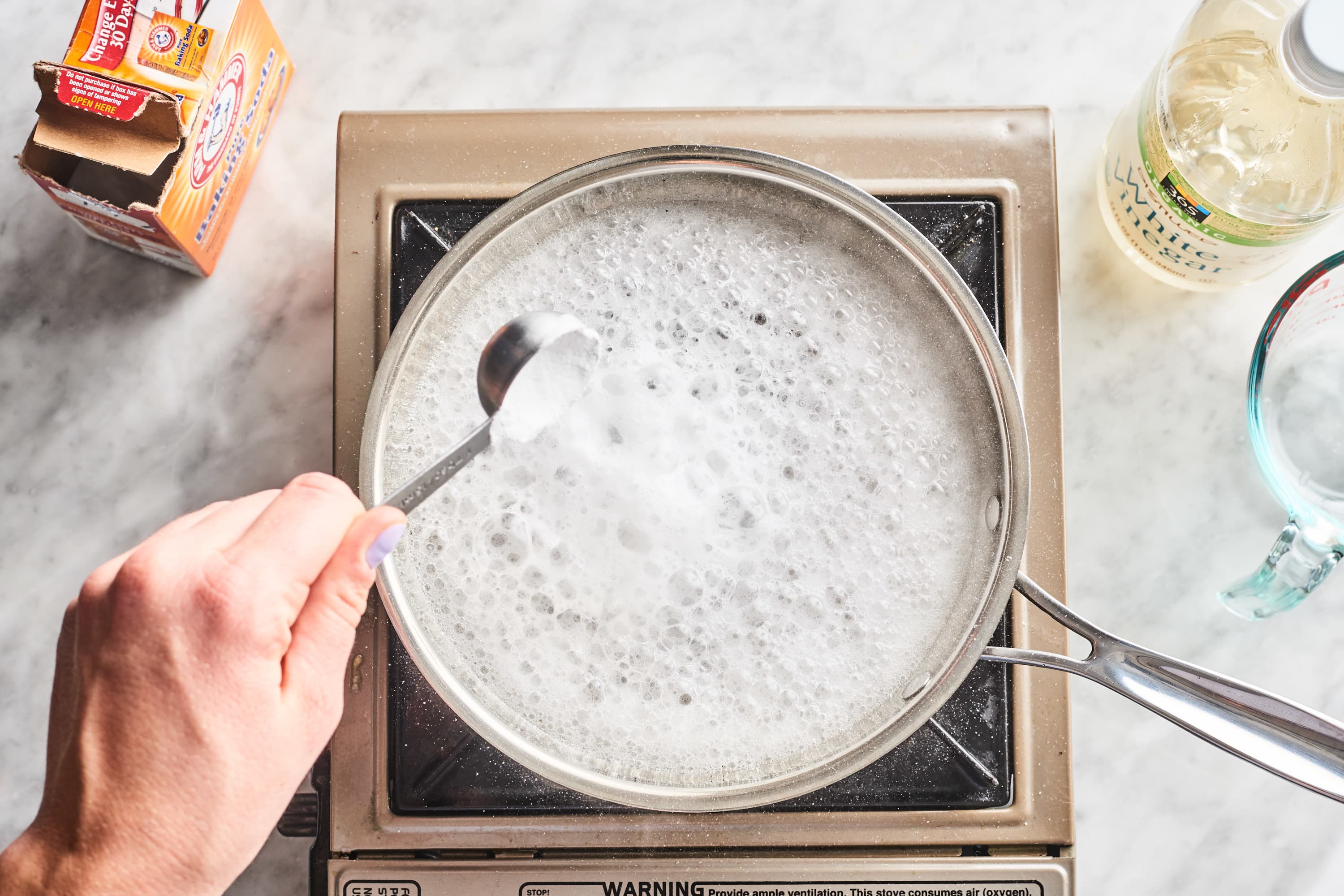
- Sprinkle baking soda (about 2–3 tablespoons) over the burnt area.
- Pour enough white vinegar to cover the bottom. It will fizz.
- Let it sit for 15–30 minutes.
- Heat the pan gently on the stove for a few minutes (optional).
- Scrub with a nylon brush or sponge.
Non-obvious tip: For stubborn stains, repeat the process but let the mixture sit overnight.
Boiling Water Method
Boiling helps loosen burnt food.
- Add water to cover the burnt area.
- Bring to a boil for 5–10 minutes.
- Use a wooden spatula to gently scrape residue.
This works especially well for pans with thick, burnt sauce.
Salt Abrasion
Salt is a gentle abrasive, safe for most pans.
- Sprinkle coarse salt (about 1–2 tablespoons) onto the burnt area.
- Add a little water to make a paste.
- Use a soft sponge to rub gently.
Avoid using salt on nonstick pans, as it can scratch the coating.
Commercial Cleaners
For severe burns, some people use products like Bar Keepers Friend. Always follow the instructions and test on a small area first. These cleaners contain chemicals that dissolve burnt residue but can damage delicate surfaces.
| Method | Best For | Risks |
|---|---|---|
| Baking Soda & Vinegar | Stainless Steel, Cast Iron | May dull shiny finish |
| Boiling Water | All Pan Types | Minimal |
| Salt Abrasion | Stainless Steel, Cast Iron | Scratches on nonstick |
| Commercial Cleaner | Heavy Burnt Residue | Surface damage if misused |
Special Care For Nonstick And Cast Iron Pans
Cleaning Nonstick Pans
Nonstick coatings are delicate. Avoid rough scrubbing or abrasive powders.
- Use warm soapy water and a soft sponge.
- If needed, soak overnight.
- Never use steel wool or harsh chemicals.
If the pan is badly burnt, sometimes the coating is permanently damaged. In this case, consider replacing it.
Cleaning Cast Iron Pans
Cast iron needs extra care to keep its seasoning (the protective oil layer).
- Avoid soaking for too long.
- Scrub burnt areas with coarse salt and a paper towel.
- Rinse, dry fully, and reapply a thin layer of oil.
If you remove seasoning during cleaning, heat the pan and rub with oil to restore it.
Unexpected Solutions: Two Lesser-known Approaches
Most guides stop at baking soda and vinegar, but there are two methods beginners often miss.
- Dryer Sheets Soak: Place a dryer sheet in the burnt pan, fill with warm water, and let soak for an hour. The softeners help loosen residue. This trick is gentle, especially for nonstick pans.
- Aluminum Foil Ball: For stainless steel pans, crumple aluminum foil into a ball and use it as a scrubber. It’s more effective than a sponge but can scratch coated pans. Only use on bare metal.
Credit: www.youtube.com
Common Mistakes To Avoid
Cleaning burnt pans is simple, but many people make errors that cause more harm.
- Using steel wool on nonstick: This ruins the coating.
- Mixing cleaning products: Never mix bleach with vinegar or ammonia. It’s dangerous.
- Scrubbing too soon: Let the pan soak. Scrubbing immediately can embed burnt food deeper.
- Ignoring manufacturer advice: Each pan type has its own cleaning instructions.
Most burnt pans can be saved. But if you see deep scratches or flaking, it may be time for a new one.
Preventing Future Burns
Cleaning is easier if you prevent burning in the first place.
- Use lower heat: Most sauces burn when cooked too hot.
- Stir regularly: Prevents sticking.
- Choose the right pan: Thick-bottomed pans distribute heat better.
- Don’t leave pans unattended: Even a minute is enough to burn delicate sauces.
With better cooking habits, you’ll spend less time scrubbing and more time enjoying your food.
| Pan Type | Best Cleaning Method | Can Handle Abrasives? | Requires Seasoning? |
|---|---|---|---|
| Stainless Steel | Baking Soda & Vinegar | Yes | No |
| Nonstick | Gentle Soak & Sponge | No | No |
| Cast Iron | Salt Abrasion | Yes | Yes |
What To Do If Nothing Works
If you’ve tried everything and the burnt residue won’t budge, consider these options:
- Repeat soaking and scrubbing: Sometimes two or three rounds are needed.
- Try a commercial cleaner: Read instructions carefully.
- Professional cleaning: Some cookware shops offer cleaning services.
- Replace the pan: If the burnt area is large and cleaning damages the surface, buying a new pan may be best.
A burnt pan doesn’t mean the end of your cookware. With patience and the right techniques, most pans can be restored.
How Often Should You Deep Clean?
Regular deep cleaning isn’t always necessary. For most home cooks:
- Deep clean burnt pans as needed, not after every use.
- For pans used daily, check monthly for buildup.
- Nonstick and cast iron pans need gentle cleaning after every use to protect the coating or seasoning.
Extra Tips For Saving Time
- Act quickly: The sooner you soak the pan, the easier it is to clean.
- Use the right tools: Nylon brushes, wooden spatulas, and soft sponges save surfaces.
- Avoid dishwasher for burnt pans: Dishwashers can bake burnt residue even harder.
You might find this helpful: How to Polish a Stainless Steel Pan
Real-life Example
Sarah, a home cook, once burnt tomato sauce in her stainless steel pan. She tried dish soap and a sponge, but nothing worked. After soaking with baking soda and vinegar overnight, she scrubbed with a nylon brush. Most residue came off, but a few spots remained.
She then tried the aluminum foil ball, and the pan looked almost new. She learned to stir sauces more often and now rarely burns her pans.
Credit: www.thekitchn.com
Frequently Asked Questions
How Can I Clean A Burnt Sauce Pan Without Damaging It?
Start with gentle methods like soaking with dish soap and using a soft sponge. For tougher residue, try baking soda and vinegar. Avoid steel wool or harsh chemicals, especially for nonstick and cast iron pans.
Can I Use Bleach To Clean Burnt Pans?
No, bleach is not recommended. It can damage pan surfaces and is unsafe when mixed with other cleaners. Stick to baking soda, vinegar, salt, and commercial cleaners designed for cookware.
How Do I Restore Seasoning On A Cast Iron Pan After Cleaning?
Dry the pan fully. Apply a thin layer of vegetable oil, then heat in the oven or on the stove for 10–15 minutes. This helps restore the protective layer.
Is It Safe To Use Baking Soda On All Pans?
Baking soda is safe for most pans except some nonstick surfaces. It can dull shiny finishes if used too often. Always check the manufacturer’s advice for your cookware.
What’s The Best Method For Burnt Milk In A Sauce Pan?
Soak the pan with hot water and baking soda for an hour. Then scrub with a soft sponge. If needed, use the boiling water method to loosen burnt milk before scrubbing.
Cleaning a burnt sauce pan takes patience but isn’t complicated. With the steps above, you can rescue your cookware and avoid common mistakes. Remember, prevention is easier than cleaning burnt pans—so watch the heat, stir often, and enjoy cooking. For more tips on cookware care, you can check this Wikipedia article.