Skip to content
Keeping your stainless steel pan shiny and spotless isn’t just about appearances. A polished pan cooks better, lasts longer, and is easier to clean. Many people worry that stainless steel loses its shine over time, but with the right approach, you can restore its brilliance even after years of use.
In this guide, you’ll learn how to polish a stainless steel pan so it looks as good as new—without expensive tools or harsh chemicals. This article gives step-by-step instructions, explains common mistakes, and shares expert tips you won’t find in most guides.
Why Stainless Steel Pans Lose Their Shine
Stainless steel is known for its durability and resistance to rust. However, regular cooking creates heat stains, water spots, and even burn marks. Oils and minerals from water can leave dull patches. Scratches from metal utensils can build up, making the pan look older than it really is.
The most common causes include:
- Hard water leaving mineral deposits
- Cooking at high heat resulting in rainbow discoloration
- Food particles burning onto the surface
- Using abrasive cleaners or rough scrubbing tools
Understanding these problems helps you avoid them—and choose the right cleaning methods for your pan.
Preparing Your Pan For Polishing
Before you start polishing, you need to clean the pan thoroughly. Polishing over dirty pans only spreads grease and makes stains harder to remove.
Step 1: Wash With Soap And Water
Use warm water and a gentle dish soap. Scrub with a soft sponge. Avoid steel wool or rough pads—these scratch the surface.
Step 2: Remove Burnt Food And Stains
If there’s stuck-on food, fill the pan with water and bring it to a boil for 5 minutes. Let it cool, then scrub gently. For burnt stains, sprinkle baking soda and add a few drops of water to form a paste. Rub with a soft cloth.
Step 3: Dry Completely
Water spots form when droplets dry on the pan. Always dry with a clean towel before polishing.

Credit: www.reddit.com
Choosing The Right Polishing Method
Different stains need different treatments. Here’s a comparison of popular methods for polishing stainless steel pans:
| Method | Best For | Time Needed | Cost | Safety |
|---|---|---|---|---|
| Baking Soda Paste | Light stains, dullness | 10 min | Low | High |
| White Vinegar | Heat discoloration | 5 min | Low | High |
| Commercial Polish | Heavy stains, scratches | 15 min | Medium-High | Medium |
| Lemon & Salt | Minor tarnish | 10 min | Low | High |
Most home cooks prefer baking soda or vinegar because they’re cheap and safe. Commercial polishes work well for deep scratches but cost more and may contain strong chemicals.
Step-by-step: How To Polish A Stainless Steel Pan
Polishing isn’t complicated, but doing it right makes a big difference. Here’s a practical process:
Step 1: Gather Your Supplies
You’ll need:
- Baking soda
- White vinegar
- Soft microfiber cloth
- Dish soap
- Water
- Optional: Lemon, salt, commercial stainless steel polish
Step 2: Apply Baking Soda Paste
Mix 2 tablespoons of baking soda with enough water to form a thick paste. Spread the paste over dull or stained areas. Rub gently in circles with a damp microfiber cloth. Avoid scrubbing in straight lines, which can show scratches.
Step 3: Treat Heat Stains With Vinegar
For rainbow discoloration, pour a small amount of white vinegar onto the stain. Let it sit for 2–3 minutes. Wipe clean with a soft cloth. Repeat if needed.
Step 4: Use Lemon And Salt For Extra Shine
Cut a lemon in half. Sprinkle salt on the cut side. Rub it across any tarnished spots. The acid and salt lift stubborn stains. Rinse and dry.
Step 5: Polish With A Commercial Product (optional)
If home remedies don’t remove scratches or deep stains, try a commercial polish like Bar Keepers Friend. Follow the instructions carefully, and wear gloves if recommended.
Step 6: Buff And Shine
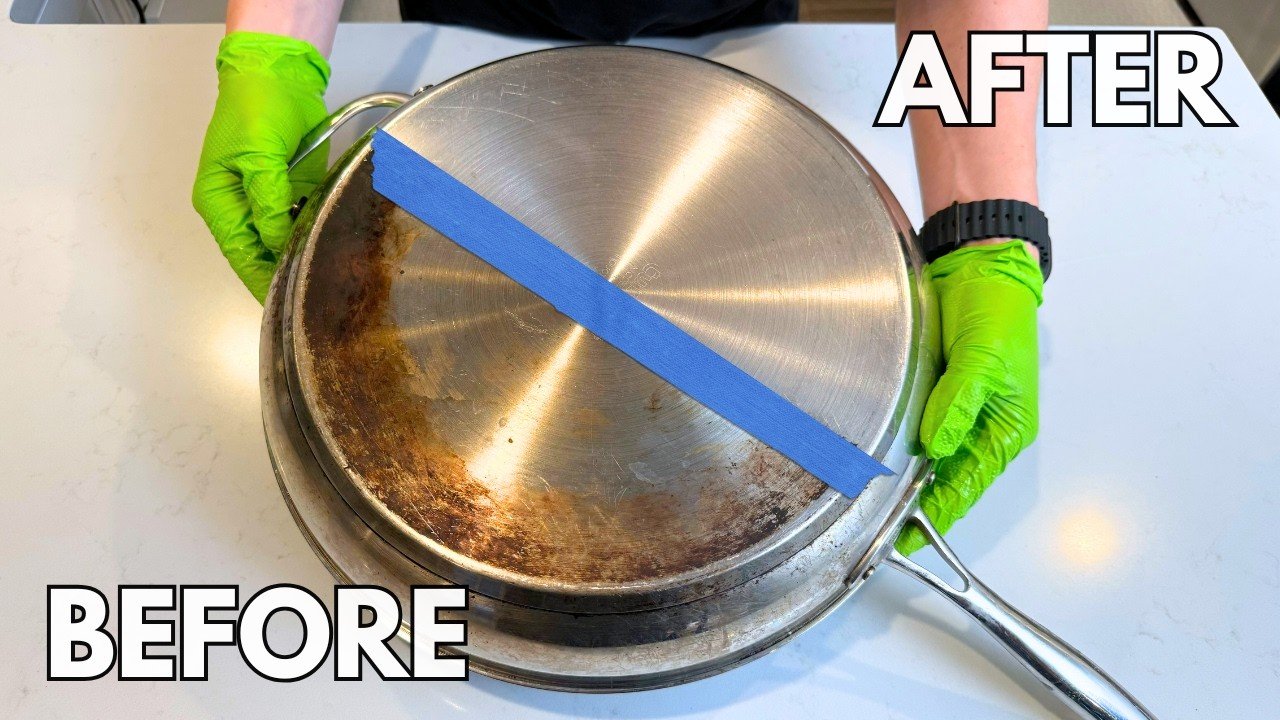
After cleaning and polishing, use a dry microfiber cloth to buff the pan in small circles. This removes any residue and brings out the shine.
Credit: www.youtube.com
Comparing Polishing Results
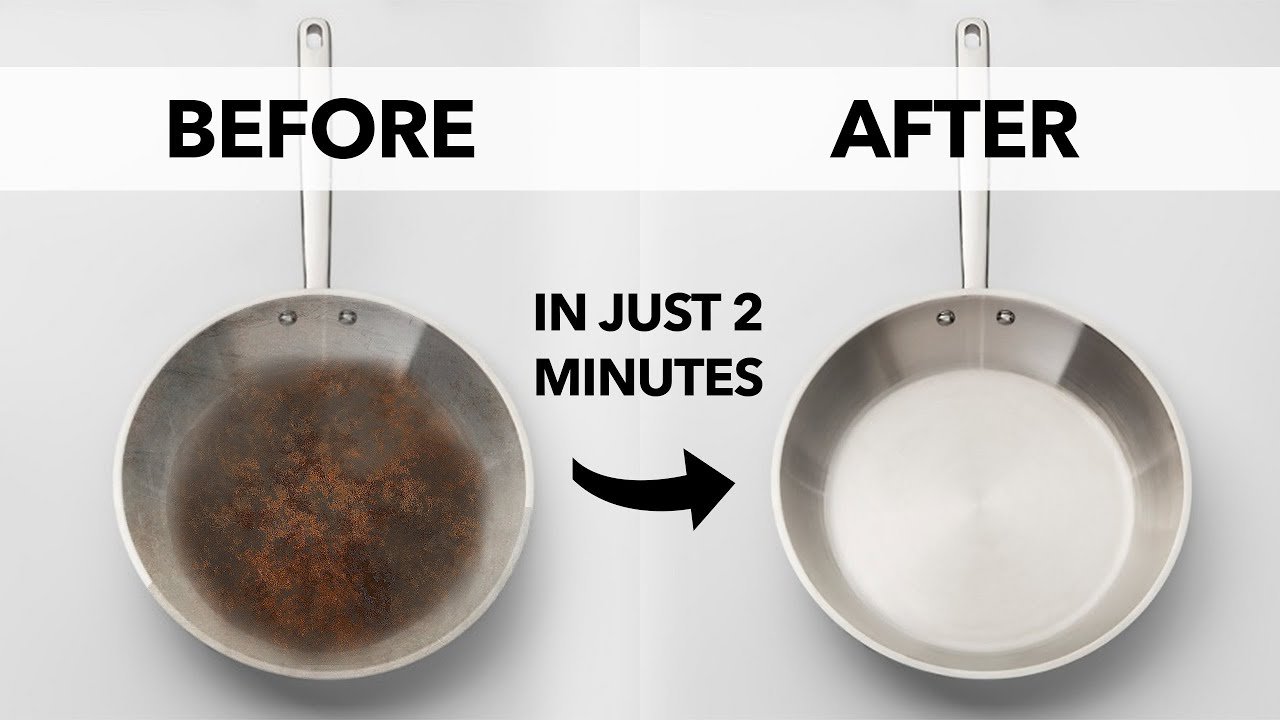
After polishing, pans can look dramatically different. Here’s a comparison of before and after results using different methods:
| Condition | Before | After (Baking Soda) | After (Vinegar) | After (Commercial Polish) |
|---|---|---|---|---|
| Light stains | Dull, patchy | Shiny, clean | Shiny, clean | Shiny, clean |
| Heat marks | Rainbow streaks | Reduced | Removed | Removed |
| Scratches | Visible | Still visible | Still visible | Reduced |
Baking soda and vinegar work well for most stains. Commercial polish is better for scratches.
Common Mistakes To Avoid
Polishing stainless steel pans can go wrong if you make certain mistakes. Here are some errors to watch out for:
- Using steel wool or rough scrubbing pads: These scratch the surface and make the pan look worse.
- Not drying the pan: Water spots can form and spoil the shine.
- Applying polish unevenly: Leads to streaks and patchy areas.
- Mixing cleaning chemicals: Can cause dangerous reactions, especially with commercial products.
- Scrubbing too hard: Even soft cloths can leave marks if you press too hard.
A non-obvious tip: The shine depends not only on cleaning but on how you dry and buff the pan. Always finish with a dry microfiber cloth for best results.
How Often Should You Polish?
Most pans don’t need polishing every week. Polishing too often can wear down the finish. Clean after each use, but polish only when you notice:
- Dullness or loss of shine
- Visible stains that normal cleaning doesn’t remove
- Heat discoloration
For most kitchens, polishing once a month is enough.
Caring For Your Stainless Steel Pan After Polishing
Maintaining the shine means protecting your pan from future stains. Here are some practical tips:
- Rinse and dry your pan after each use.
- Avoid cooking with high heat unless needed.
- Don’t leave food or water in the pan overnight.
- Use soft sponges for daily cleaning.
- Store pans dry and away from harsh chemicals.
If you want to learn more about stainless steel care, check the Wikipedia stainless steel guide.
Extra Tips: What Beginners Usually Miss
Many guides skip these advanced tricks:
- Buffing in circles rather than straight lines hides minor scratches.
- Pre-warming the pan before polishing (with warm water) can loosen stains and make cleaning easier.
- If your pan has a mirror finish, use only microfiber—other fabrics can dull the shine.
Most beginners scrub too hard or use the wrong tools. Gentle, steady polishing brings the best results.
Real-life Example
Maria, a home cook in Chicago, had a stainless steel pan with stubborn rainbow stains from frequent stir-frying. She tried baking soda but saw little change. Then, she used white vinegar and let it sit for five minutes. The discoloration faded, and her pan looked almost new.
She finished with a microfiber cloth and was surprised at the result—a mirror-like shine.
Polishing Stainless Steel Pan Vs. Other Materials
Stainless steel is different from nonstick or cast iron pans. Here’s a quick comparison:
| Material | Polishing Method | Risks | Ease of Polishing |
|---|---|---|---|
| Stainless Steel | Baking soda, vinegar, commercial polish | Scratches if using rough pads | Easy |
| Nonstick | Gentle soap, soft sponge only | Damaging coating | Medium |
| Cast Iron | Oil seasoning, salt scrubbing | Rust, stripping seasoning | Hard |
Stainless steel is the most forgiving. If you polish regularly, it will look good for years.
Frequently Asked Questions
How Do I Remove Rainbow Stains From My Stainless Steel Pan?
Rainbow stains are caused by heat. Pour white vinegar directly on the stain, let it sit for 2–3 minutes, then wipe with a soft cloth. If needed, repeat the process. Avoid using steel wool, as it can scratch the pan.
Can I Polish My Stainless Steel Pan With Toothpaste?
Toothpaste contains mild abrasives and can help remove light stains. Apply a small amount, rub gently with a soft cloth, then rinse and dry. However, baking soda and vinegar are usually more effective and safer for kitchen use.
What Should I Avoid When Polishing A Stainless Steel Pan?
Never use steel wool, harsh chemicals, or rough pads. These can damage the surface. Always dry your pan thoroughly after cleaning to prevent water spots. Mixing different cleaning products can cause unsafe reactions.
How Often Should I Polish My Stainless Steel Pan?
Polish your pan once a month or when you notice dullness or stubborn stains. Over-polishing can wear down the finish, so focus on regular cleaning and occasional polishing.
Is Commercial Stainless Steel Polish Safe?
Most commercial polishes are safe if used as directed. Always follow the manufacturer’s instructions and wear gloves if recommended. Avoid inhaling fumes and keep the polish away from food surfaces.
Keeping your stainless steel pan polished doesn’t have to be difficult. With the right tools and methods, your pan will stay shiny and ready for any recipe. A well-maintained pan is not just a kitchen tool—it’s an investment in better cooking and easier cleanup. Remember: gentle, regular care is the secret to lasting shine.
Credit: www.youtube.com