A fresh cup of coffee can set the tone for your entire day. But if your coffee starts to taste bitter or odd, the culprit might be your coffee maker. Over time, coffee oils, mineral deposits, and mold build up inside machines, affecting both flavor and hygiene. Many people clean the carafe but forget the inner parts, where most buildup happens. If you want your coffee to stay delicious and your machine to last, learning how to clean a coffee maker properly is essential.
This guide covers everything: why cleaning matters, how often to do it, step-by-step instructions, and smart tips for getting the best results.
Why Cleaning Your Coffee Maker Is Important
A lot happens inside your coffee maker that you can’t see. Mineral deposits from water can clog the machine, making it work less efficiently. Coffee oils stick to surfaces and turn rancid, changing the taste of your brew. In fact, a 2011 study by NSF International found that coffee makers are among the top five germiest places in the average home kitchen.
Ignoring regular cleaning can lead to:
- Bitter or off-tasting coffee
- Slow brewing times
- Shorter machine lifespan
- Possible mold and bacteria growth
Keeping your coffee maker clean isn’t just about taste—it’s about your health.
How Often Should You Clean A Coffee Maker?
Cleaning frequency depends on use and water type. Here’s a simple guideline:
- Daily: Rinse and dry the carafe, lid, and filter basket.
- Weekly: Wash all removable parts with warm, soapy water.
- Monthly: Deep clean the machine’s inside, especially if you use hard water.
If your coffee tastes strange or your machine takes longer to brew, clean it sooner. Hard water areas (with lots of minerals) need more frequent cleaning.
What You’ll Need
You don’t need fancy products. Most people already have what’s needed:
- White distilled vinegar (for descaling)
- Baking soda (optional, for deodorizing)
- Liquid dish soap
- Clean water
- Soft sponge or brush
- Microfiber cloth
Some coffee makers have special cleaning solutions—check your manual for specific recommendations.
Step-by-step: How To Clean A Coffee Maker
1. Unplug And Cool Down
Always unplug your coffee maker before cleaning. Let it cool if recently used to avoid burns.
2. Remove And Wash Removable Parts
Take out the carafe, filter basket, and any other removable parts. Wash these with warm, soapy water and a sponge. Rinse well to remove soap residue, which can affect taste.
3. Clean The Machine Exterior
Wipe the outside and warming plate with a damp cloth. For dried-on stains, use a bit of dish soap. Avoid abrasive cleaners—they can scratch surfaces.
4. Descale The Coffee Maker
Descaling removes mineral deposits from inside the machine. Here’s a simple process:
- Mix a solution: Combine equal parts white vinegar and water.
- Fill the reservoir: Pour the solution into your coffee maker’s water chamber.
- Run a brew cycle: Start the machine (without coffee grounds). Let it brew about halfway, then turn off and let it sit for 30–60 minutes. This allows the solution to dissolve buildup.
- Finish the cycle: Turn the machine back on to complete brewing.
- Rinse: Run two or more cycles with fresh water to remove vinegar taste and smell.
If you dislike vinegar, some people use lemon juice or commercial descalers, but vinegar is cheap and effective.
5. Clean The Filter Basket And Carafe
Coffee oils can build up even after daily washing. Sprinkle baking soda on a damp sponge and scrub the carafe and basket for stubborn stains or smells. Rinse thoroughly.
6. Deep Clean The Reservoir
If your machine has a removable water reservoir, take it out and wash it. For fixed reservoirs, fill with vinegar solution, scrub gently with a bottle brush, then rinse well.
7. Clean The Hot Plate
The hot plate under the carafe often gathers burnt coffee drips. Wipe it with a damp cloth after each use. For tough stains, use a paste of baking soda and water, then wipe clean.
8. Reassemble And Dry
Once all parts are clean and dry, put the machine back together. Leave the reservoir open to air out, which helps prevent mold.
Special Tips For Different Types Of Coffee Makers
Not all coffee makers are the same. Here’s how to handle common types:
Drip Coffee Makers
These are the most common home machines. Follow the steps above for best results.
Single-serve (pod) Machines
- Remove pod holder and water tank (if possible).
- Clean parts with soap and water.
- Run a vinegar cycle as with regular machines, but check the manual—some brands warn against vinegar.
- Use a paperclip to unclog tiny needle holes if water flow slows.
Espresso Machines
- Descale following the manufacturer’s instructions—espresso machines are more sensitive.
- Clean the steam wand with a damp cloth right after use.
- Backflush if your machine supports it (forcing cleaning solution through the system).
French Press And Pour-over
While simpler, these still need attention:
- Disassemble all parts.
- Wash with hot, soapy water after each use.
- Remove any coffee grounds stuck in mesh or filters.
What About Mold And Bacteria?
A coffee maker’s warm, damp environment is perfect for mold and bacteria. Cleaning just the pot is not enough. Focus on the water reservoir and any hidden areas. If you spot black spots or notice a musty smell, do a deep clean with vinegar right away. For extra safety, run a final rinse with hot water.
Comparing Cleaning Methods
Here’s a quick look at how different cleaning products compare for coffee makers:
| Cleaning Method | Effectiveness | Cost | Odor |
|---|---|---|---|
| White Vinegar | High | Low | Strong (but fades quickly) |
| Lemon Juice | Medium | Low | Mild |
| Commercial Descaler | Very High | Medium/High | Varies |
| Baking Soda | Low (for descaling) | Very Low | None |
Insight: While commercial cleaners work well, vinegar is usually enough for most home users.
Signs Your Coffee Maker Needs Cleaning
Don’t wait for problems. Watch for these signs:
- Coffee tastes bitter or metallic
- Brewing is slower than usual
- You see white, chalky spots (mineral deposits)
- There’s a musty or sour smell
- Machine is louder than normal
If you notice any of these, it’s time for a deep clean.
Common Mistakes To Avoid
- Using only water: Water alone doesn’t remove oils or minerals.
- Forgetting the inside: Most bacteria grow inside, not just in the carafe.
- Skipping the rinse: Always run plain water cycles after using vinegar or cleaners.
- Using harsh scrubbers: These can damage surfaces and leave scratches.
- Neglecting the water filter: If your machine has a water filter, replace it as recommended.
How Clean Coffee Makers Affect Taste
Coffee is over 98% water. When your machine is dirty, leftover oils and minerals change how water flows and extracts flavor from the grounds. Clean machines produce smoother, richer coffee with fewer off-flavors. Even expensive beans taste bad if your machine is neglected.

Credit: www.youtube.com
Table: Manual Vs. Automatic Cleaning
Some newer coffee makers have built-in cleaning cycles. Here’s how they compare to manual cleaning:
| Aspect | Manual Cleaning | Automatic Cleaning Cycle |
|---|---|---|
| Control | High (you clean every part) | Limited (machine does main parts only) |
| Time Required | 10-30 minutes | 5-15 minutes |
| Effectiveness | Very high | Medium to high |
| Cost | Low | Higher (may need special tablets) |
Pro tip: Even if your machine has an auto-clean cycle, deep clean manually every few months for best results.
Practical Tips For A Cleaner Coffee Maker
- Use filtered water to reduce mineral buildup if you live in a hard water area.
- Dry the reservoir and leave the lid open to prevent mold.
- Wash removable parts daily—even a quick rinse helps.
- Mark your calendar for monthly deep cleans if you forget.
- Read your machine’s manual for any special warnings (some brands avoid vinegar).
When Should You Replace Your Coffee Maker?
Even with perfect cleaning, machines don’t last forever. Most drip coffee makers last 3–5 years. If your machine leaks, doesn’t heat water, or has stubborn buildup that won’t come off, it might be time for a new one. Clean machines last longer and save you money in the long run.
Where To Find More Information
For more details about cleaning and maintenance, you can visit the National Coffee Association.
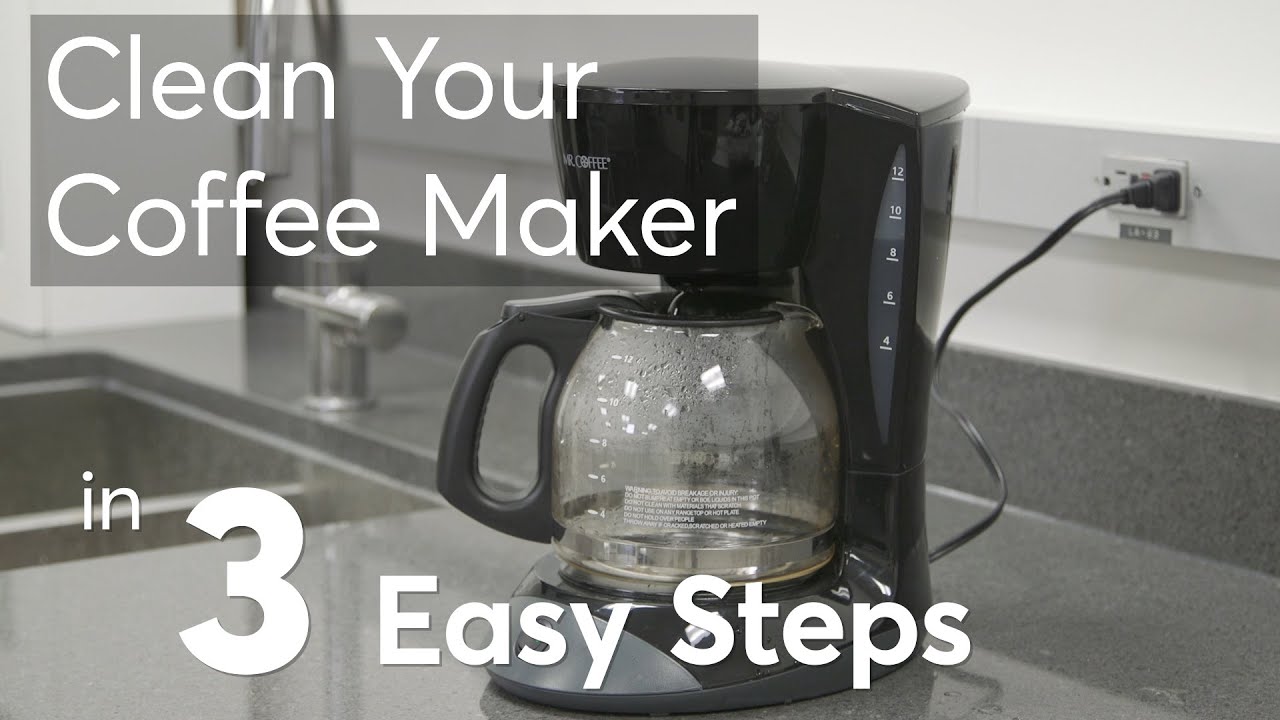
Credit: www.youtube.com
Frequently Asked Questions
How Often Should I Descale My Coffee Maker?
Descale your coffee maker at least once a month if you use it daily. In hard water areas, every 2–3 weeks is better. If your machine has a “clean” indicator, follow its guidance.
Can I Use Apple Cider Vinegar Instead Of White Vinegar?
White vinegar is best because it’s clear and leaves no taste. Apple cider vinegar works in a pinch, but its flavor and color may linger, so rinse extra well.
What If My Coffee Still Tastes Bad After Cleaning?
Try another deep clean. If the taste doesn’t improve, check your water quality, coffee beans, and filters. Sometimes, permanent buildup or machine age affects flavor.
Is It Safe To Put Coffee Maker Parts In The Dishwasher?
Most glass carafes and some filter baskets are dishwasher safe. Always check your manual before using the dishwasher, as some parts can warp or crack.
Can Mold In My Coffee Maker Make Me Sick?
Yes, mold and bacteria can cause illness, especially in people with allergies or weak immune systems. Regular cleaning helps keep your coffee maker safe.
A clean coffee maker is the secret to great-tasting coffee and a healthier kitchen. With just a few regular habits, you’ll enjoy better brews and a machine that lasts for years.