Skip to content
A rusty kitchen knife can turn a simple cooking task into a frustrating experience. Not only does rust make the knife look bad, but it can also weaken the blade and affect food safety. Cleaning a rusty kitchen knife is easier than many people think.
With the right tools, knowledge, and a bit of patience, you can restore your knife and keep it sharp for years. Let’s explore how to clean a rusty kitchen knife safely, prevent future rust, and understand why this matters for your kitchen.
Why Do Kitchen Knives Rust?
Kitchen knives are usually made from stainless steel or carbon steel. Both can rust if exposed to water, acids, or salt for long periods. Stainless steel is less likely to rust, but it isn’t rust-proof. Carbon steel knives can be sharper but rust more easily. Rust forms when iron reacts with oxygen and moisture, creating reddish-brown spots. If you leave your knife wet or in a humid place, rust appears much faster.
According to studies, about 85% of home cooks report seeing rust on their kitchen knives at least once a year. This shows how common the problem is, even with regular care.
Is It Safe To Use A Rusty Knife?
Using a rusty knife is not recommended. Rust can flake off and get into your food, which is unhealthy. Also, rust weakens the blade, making it more likely to break or chip. A knife with rust spots can also be harder to clean and sharpen.
If your knife has minor rust, you can usually clean it and use it again. However, deep rust or cracks may mean the knife is unsafe. In such cases, it’s better to replace it.
Tools And Materials Needed
Before you start, gather the following items. Most are easy to find in any kitchen or hardware store:
- Rubber gloves (to protect your hands)
- Soft cloths or paper towels
- Mild dish soap
- White vinegar
- Baking soda
- Lemon juice
- Potato
- Steel wool or scrubbing pad (not too rough)
- Toothbrush
- Knife oil or mineral oil
- Plastic container (for soaking)
- Old toothbrush
- Clean water
You do not need all these items for every method. Choosing the right method depends on the amount of rust and the knife type.
Methods To Clean A Rusty Kitchen Knife
There are several proven ways to remove rust from kitchen knives. Each method works best for different levels of rust.
1. Vinegar Soak
White vinegar is a common household acid that dissolves rust.
Steps:
- Fill a container with enough vinegar to cover the rusty part.
- Soak the knife for 5–10 minutes. Do not soak too long, as vinegar can damage the blade.
- Remove the knife and scrub the rust with a soft cloth or toothbrush.
- Rinse with clean water and dry immediately.
Tip: For stubborn rust, repeat the process or use a scrubbing pad.
2. Baking Soda Paste
Baking soda is gentle and works well for light rust.
Steps:
- Mix baking soda with water to make a thick paste.
- Spread the paste on rusty spots.
- Let it sit for 15–20 minutes.
- Scrub gently with a toothbrush or cloth.
- Rinse and dry.
Insight: Baking soda is safe for most blade finishes and does not scratch.
3. Lemon And Salt
Lemon juice is acidic, and salt is abrasive.
Steps:
- Sprinkle salt on the rusty area.
- Squeeze lemon juice over the salt.
- Let sit for 2 hours.
- Scrub with a cloth or brush.
- Rinse and dry.
Non-obvious tip: If you use a lime instead of lemon, you get similar results.
4. Potato Method
Potatoes contain oxalic acid, which removes rust.
Steps:
- Cut a potato in half.
- Rub the knife blade into the potato.
- Let sit for 1–2 hours.
- Scrub and rinse.
This method is great for delicate knives, as it does not scratch the blade.
5. Steel Wool Or Scrubbing Pad
If rust is thick, use fine steel wool.
Steps:
- Wet the steel wool with water or vinegar.
- Gently scrub the rusted area.
- Wipe clean and dry.
Warning: Only use fine steel wool. Rough pads may scratch the blade.
Comparison Of Rust Removal Methods
Here’s a simple table to compare methods based on effectiveness, safety, and cost.
| Method | Rust Removal | Blade Safety | Cost |
|---|---|---|---|
| Vinegar Soak | High | Medium | Low |
| Baking Soda Paste | Medium | High | Low |
| Lemon & Salt | Medium | High | Low |
| Potato | Low | Very High | Low |
| Steel Wool | Very High | Low | Low |
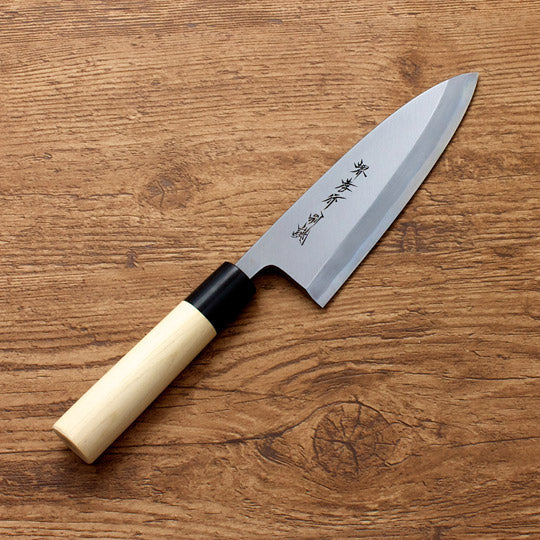
Credit: www.chuboknives.com
Step-by-step Guide: Cleaning A Rusty Kitchen Knife
Follow these steps for a safe and effective cleaning. You can adapt the steps based on the rust and knife material.
Step 1: Assess The Rust
Look at your knife. Is the rust light (small spots) or heavy (large patches)? If the blade is deeply pitted, cleaning might not restore it fully.
Step 2: Choose Your Method
For light rust, try baking soda or potato. For heavier rust, vinegar or steel wool is better.
Step 3: Apply The Cleaning Method
- Wear gloves to protect your hands.
- Follow the method steps described above.
Step 4: Rinse And Dry
After cleaning, rinse the knife with clean water. Dry it with a cloth. Moisture left on the knife can cause new rust.
Step 5: Oil The Blade
Use knife oil or mineral oil to coat the blade. This prevents future rust and keeps the blade shiny.
Step 6: Store Properly
Store knives in a dry place. Avoid leaving them in the sink or dishwasher.
Common Mistakes To Avoid
Many beginners make mistakes that can damage their knives. Here are some to watch for:
- Using harsh chemicals: Avoid bleach or strong acids. They can ruin the blade.
- Scrubbing too hard: Heavy pressure can scratch the metal.
- Leaving knives wet: Always dry after washing.
- Soaking too long: Vinegar and lemon can eat away at the blade if left for hours.
- Ignoring rust: Small rust spots can grow quickly.
How To Prevent Rust On Kitchen Knives
Preventing rust is easier than cleaning it. Good habits keep your knives sharp and safe.
1. Wash And Dry Immediately
After each use, wash your knife with soap and water. Dry it right away. This stops moisture from causing rust.
2. Avoid Dishwashers
Dishwashers use hot water and strong detergents. These can damage the knife and make it rust faster.
3. Use Knife Oil
Apply a small amount of mineral oil every month. This creates a barrier against moisture.
4. Store Knives Properly
Keep knives in a dry drawer, knife block, or magnetic strip. Do not store in damp places.
5. Use Cutting Boards
Cutting on hard surfaces can scratch the blade, making rust easier. Use wood or plastic cutting boards.
Data Table: Knife Storage Methods
Let’s compare common storage options for knives.
| Storage Method | Rust Risk | Blade Safety | Ease of Access |
|---|---|---|---|
| Knife Block | Low | High | Medium |
| Drawer | Medium | Medium | High |
| Magnetic Strip | Low | High | High |
| Sink | Very High | Low | Low |
Credit: www.reddit.com
Extra Tips For Knife Care
Some people believe only expensive knives need care, but all knives benefit from attention. Even a $10 knife can last longer if you follow these steps:
- Sharpen regularly: A sharp knife is safer and less likely to rust.
- Handle with care: Don’t use knives to pry open cans or cut hard objects.
- Avoid acidic foods: After cutting citrus or tomatoes, wash and dry the knife.
Non-obvious insight: Rust can start under the handle, especially if water gets trapped. Check the handle area often.
When To Replace A Rusty Knife
Sometimes, cleaning is not enough. If your knife has:
- Deep rust pits or cracks
- Broken handle or blade
- Rust that comes back quickly
It may be time for a new knife. Using a damaged knife can be dangerous.
The Importance Of Knife Maintenance
A clean, rust-free knife is safer and easier to use. Proper care saves money, as you avoid buying new knives often. According to the National Sanitation Foundation, regular cleaning and maintenance can double the lifespan of kitchen knives. Good knife care also improves food quality, as you get cleaner cuts and avoid rust contamination.
For more detailed information on knife maintenance, visit the Wikipedia Knife Page.
Frequently Asked Questions
What Causes Rust On Kitchen Knives?
Rust forms when moisture and oxygen react with iron in the blade. Even stainless steel can rust if exposed to water or acids for too long.
Can I Use A Rusty Knife For Food?
It’s not safe to use a rusty knife. Rust can flake off and mix with food, which is unhealthy. Clean the knife before using.
How Often Should I Oil My Kitchen Knife?
For home use, oil your knife once a month or after heavy use. This protects the blade from moisture.
What Is The Best Method For Removing Heavy Rust?
For thick rust, vinegar soak or fine steel wool works best. Always use gentle pressure to avoid scratches.
Will Rust Return After Cleaning?
If you follow good storage and cleaning habits, rust should not return quickly. Always dry your knife and store in a dry place.
—
A rusty kitchen knife doesn’t mean you have to throw it away. With the right cleaning methods and care, you can restore your blade and keep it sharp for years. Remember to prevent rust by drying, oiling, and storing your knives correctly.
Taking care of your kitchen tools improves your cooking, saves money, and keeps your kitchen safe.
Credit: www.reddit.com