Cooking with a wok is more than just a method—it’s an art form that brings speed, flavor, and tradition into your kitchen. Whether you are new to Asian cooking or just want to master a new tool, learning how to use a wok can transform everyday ingredients into tasty, healthy dishes. With its round bottom and high, sloping sides, the wok is built for quick, high-heat cooking, making it perfect for stir-fries, fried rice, and even steaming or deep-frying. But to truly unlock its magic, you need to know the basics, best practices, and a few secrets that many home cooks miss.
What Makes A Wok Unique?
The wok stands out from other pans because of its shape and versatility. Most woks are made from carbon steel, which heats up quickly and responds fast to temperature changes. The high, sloped sides allow you to toss and stir ingredients easily, ensuring even cooking without overcrowding. This design also helps keep most of the oil and heat at the center, so food cooks faster and stays crisp.
Unlike flat pans, a wok’s shape lets you push cooked food up the sides while you keep cooking new ingredients in the center. This technique, called wok hei or “breath of the wok,” gives food its signature smoky flavor. Woks are used across Asia, with slight differences in design, but the core principles are the same: high heat, fast cooking, and constant movement.
Choosing The Right Wok
Picking the right wok is the first step to successful cooking. Here’s what to consider:
Material
- Carbon Steel: Heats up and cools down quickly. It creates a natural nonstick surface with use.
- Cast Iron: Holds heat well but is heavier and takes longer to heat up.
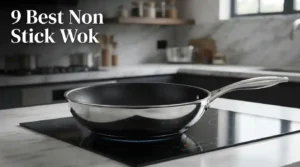
- Nonstick Woks: Easy to clean but can’t handle very high heat—limits the true wok experience.
- Stainless Steel: Durable but doesn’t develop a nonstick surface like carbon steel.
Size
For most home kitchens, a 14-inch wok is perfect. It offers enough room to toss food without spilling but isn’t too large for standard stovetops.
Handle Style
- Single Long Handle: Classic style, easy for tossing.
- Long and Short “Helper” Handle: Offers more control, especially with heavy dishes.
Round Bottom Vs. Flat Bottom
- Round Bottom: Best for gas stoves. Needs a wok ring for stability.
- Flat Bottom: Works on electric or induction stoves. Sits directly on the burner.
Weight
A wok should be light enough to lift and toss with one hand but heavy enough to stay stable.
Quick Comparison
| Type | Pros | Cons | Best For |
|---|---|---|---|
| Carbon Steel | Heats fast, natural nonstick | Needs seasoning, can rust | Most users |
| Cast Iron | Retains heat, durable | Heavy, slow to heat | Slow cooking, deep-frying |
| Nonstick | Easy clean, no seasoning | Low heat only, less flavor | Beginners, low-fat cooking |
| Stainless Steel | Durable, no rust | Food can stick, no seasoning | All-purpose cooking |
Pro tip: Many beginners forget to check if the wok fits their burner size. Too large, and the sides won’t heat properly; too small, and tossing food becomes messy.
Seasoning Your Wok
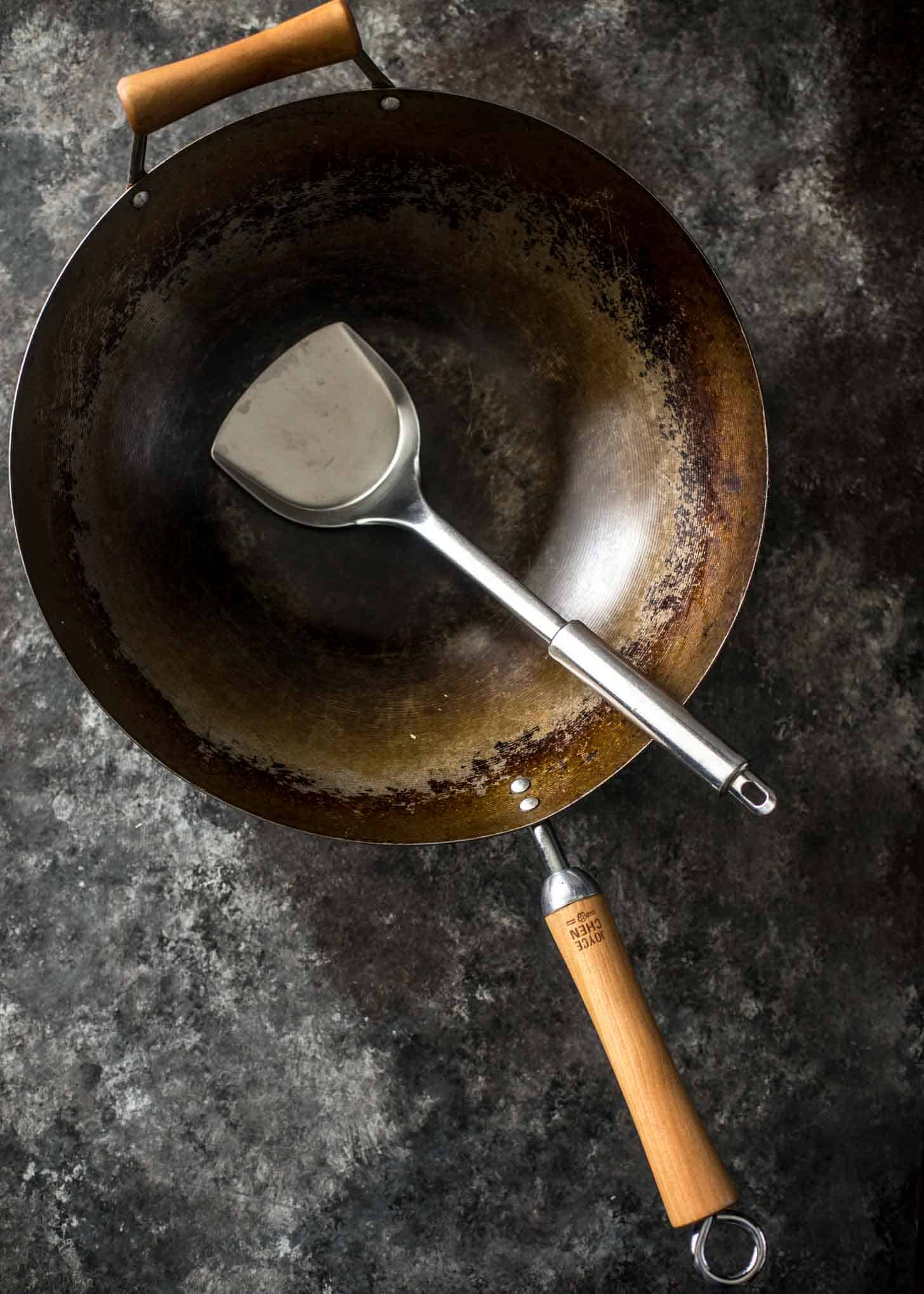
Before using a carbon steel or cast iron wok, you need to season it. This process creates a natural nonstick layer and prevents rust.
- Wash the wok with hot water and a little soap to remove factory oil. Dry completely.
- Heat the wok on your stove until water droplets evaporate instantly.
- Add a small amount of oil (like vegetable or peanut oil) and use a paper towel held with tongs to rub the oil all over the inside surface.
- Heat the wok on medium-high for about 10 minutes, moving the wok to evenly heat all surfaces.
- Let it cool, wipe off any extra oil, and repeat the oiling and heating once or twice more.
With each use, your wok will get darker and more nonstick. Never soak a seasoned wok in water or put it in the dishwasher—just rinse, dry, and lightly oil after each use.
Essential Tools For Wok Cooking
Having the right tools makes wok cooking easier and safer:
- Wok spatula (chuan): Curved to fit the wok’s sides, helps scoop and toss ingredients.
- Wok lid: For steaming or simmering.
- Bamboo brush or soft sponge: For cleaning without damaging the seasoning.
- Wok ring: Stabilizes round-bottom woks on flat stovetops.
- Tongs and slotted spoon: For deep-frying or handling noodles.
Many new cooks skip the wok spatula and use regular spatulas, but this makes tossing and scraping food from the sides much harder.
Preparing Ingredients The Right Way
Wok cooking is all about speed and high heat. That means you need to have everything ready before you start:
- Slice ingredients thinly and evenly so they cook at the same speed.
- Dry vegetables and meat with a paper towel to avoid splattering.
- Group ingredients by cooking time: Fast-cooking (like greens, bean sprouts) vs. slow-cooking (like carrots, chicken).
- Mix sauces ahead of time in a bowl, so you can pour them in quickly.
A common beginner mistake is to start cooking before prepping everything, which can lead to overcooked or burnt food.
The Basic Wok Cooking Process
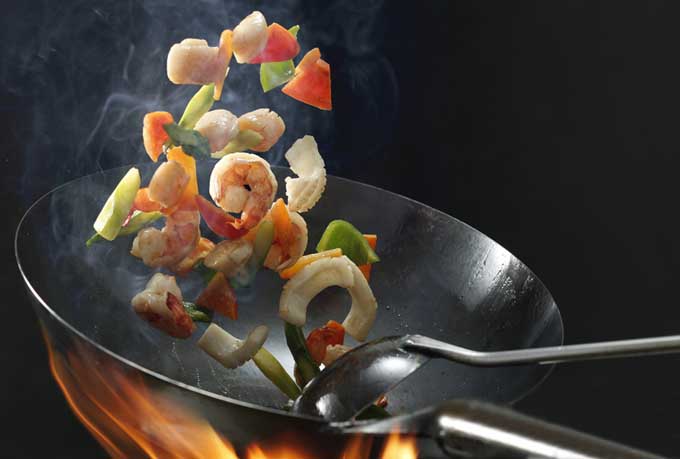
Learning the core steps of wok cooking gives you a foundation for hundreds of recipes. Here’s how a classic stir-fry works:
- Preheat the wok over high heat until it just begins to smoke. The wok should be very hot—this is key for the right flavor and texture.
- Add oil (about 1–2 tablespoons). Swirl it around to coat the sides.
- Aromatics first: Add garlic, ginger, or scallions. Stir quickly for 10–15 seconds to release flavor.
- Add protein: Drop in chicken, beef, shrimp, or tofu. Spread it out and let it sear before stirring.
- Vegetables next: Start with those that take longer to cook, then add quicker-cooking ones.
- Add sauce: Pour in your prepared sauce and toss everything to coat.
- Finish and serve: Once everything is cooked, serve immediately for best texture.
Example: Simple Chicken And Vegetable Stir-fry
- 1/2 pound sliced chicken breast
- 1 tablespoon soy sauce
- 1 teaspoon cornstarch
- 2 tablespoons vegetable oil
- 1 cup broccoli florets
- 1/2 cup sliced carrots
- 1/2 red bell pepper, sliced
- 2 cloves garlic, minced
- 1/2 teaspoon ginger, minced
- 2 tablespoons oyster sauce
- 1 tablespoon water
- Marinate chicken with soy sauce and cornstarch for 10 minutes.
- Heat wok, add oil, cook chicken until browned. Remove.
- Stir-fry vegetables and aromatics for 2 minutes.
- Return chicken, add oyster sauce and water, toss to coat.
- Serve hot over rice.
Credit: foodal.com
Mastering Heat Control
A wok needs high heat to work its magic. But controlling the heat is just as important:
- Preheat the wok until it smokes slightly; this prevents sticking and sears food fast.
- For home stoves, which may not get as hot as restaurant burners, cook in smaller batches. Overcrowding cools the wok, making food soggy.
- Move food up the sides if it’s cooking too quickly, and bring ingredients back down to the center as needed.
Many home cooks don’t realize that not all stoves deliver enough heat. Investing in a wok burner or using a flat-bottom wok helps when cooking on electric or induction stoves.
Popular Wok Cooking Techniques
Woks can do much more than stir-fry. Here’s a quick look at what you can do:
| Technique | Description | Best For |
|---|---|---|
| Stir-frying | Quickly tossing ingredients over high heat with a little oil | Vegetables, meat, noodles |
| Deep-frying | Cooking food fully submerged in hot oil | Spring rolls, tempura, chicken |
| Steaming | Placing food above simmering water with a lid | Dumplings, fish, buns |
| Braising | Cooking food slowly in a small amount of liquid | Ribs, eggplant, tofu |
| Smoking | Using tea leaves and sugar to create smoke flavor | Ducks, fish |
Pro insight: Many people don’t realize you can use a wok for steaming and smoking. Just add a rack and some water, or try lining the wok with foil for smoking.
Credit: inquiringchef.com
Cleaning And Maintaining Your Wok
Proper cleaning keeps your wok in top shape for years:
- Avoid soap for seasoned woks; just rinse with hot water and scrub with a bamboo brush.
- Dry immediately with low heat to prevent rust.
- Lightly oil the inside after each wash to protect the surface.
Never put a wok in the dishwasher or soak it for a long time, as this destroys the seasoning.
Common Wok Cooking Mistakes
Even experienced cooks can make missteps. Here are frequent problems and how to fix them:
- Overcrowding the wok: Leads to steaming, not frying. Cook in smaller batches.
- Starting with a cold wok: Food sticks and doesn’t sear. Always preheat.
- Using too little oil: Causes sticking, especially with lean proteins.
- Skipping ingredient prep: Slows you down and risks burning.
- Not drying the wok after washing: Causes rust and flaking.
Non-obvious tip: Don’t use olive oil for high-heat wok cooking. It smokes at lower temperatures and can ruin the flavor.

Credit: www.youtube.com
Sample Wok Recipes To Try
Trying different dishes helps build your wok skills. Here are three classic options:
1. Beef And Broccoli
- 1/2 pound sliced beef
- 1 cup broccoli florets
- 2 tablespoons soy sauce
- 1 tablespoon oyster sauce
- 1 teaspoon cornstarch
- 2 tablespoons oil
- 1 clove garlic, minced
Marinate beef, stir-fry quickly, remove. Cook broccoli and garlic, return beef, add sauces, toss, and serve.
2. Vegetable Fried Rice
- 2 cups cold cooked rice
- 1/2 cup mixed vegetables
- 2 eggs, beaten
- 2 tablespoons oil
- 1 tablespoon soy sauce
- 1 teaspoon sesame oil
Scramble eggs in wok, remove. Stir-fry veggies, add rice, eggs, sauces, and toss until hot.
3. Shrimp Chow Mein
- 1/2 pound shrimp, peeled
- 6 ounces chow mein noodles, cooked
- 1/2 cup bean sprouts
- 1 carrot, julienned
- 2 tablespoons oil
- 2 tablespoons soy sauce
Stir-fry shrimp, remove. Stir-fry vegetables, add noodles and sauce, return shrimp, and toss.
Wok Cooking Vs. Skillet Cooking
Is a wok really better than a skillet? Let’s break it down:
| Feature | Wok | Skillet |
|---|---|---|
| Heat Distribution | Hot center, cooler sides | Even across surface |
| Cooking Speed | Very fast | Moderate |
| Best For | Stir-fry, deep-fry | Saute, pan-fry |
| Capacity | Large volume, easy tossing | Limited tossing |
| Versatility | Stir-fry, steam, smoke | Mostly frying |
A wok’s design beats a skillet for most Asian dishes, especially when you want crispness and smoky flavor.
Frequently Asked Questions
How Do I Prevent Food From Sticking To My Wok?
Make sure your wok is well seasoned and always preheat it before adding oil. Use enough oil to coat the surface, and avoid cooking large amounts at once. Dry ingredients before adding them to the wok.
What Oil Is Best For Wok Cooking?
Choose oils with a high smoke point like peanut, canola, sunflower, or grapeseed oil. Avoid extra virgin olive oil, which burns at lower temperatures and can add unwanted flavors.
Can I Use A Wok On An Electric Or Induction Stove?
Yes, but a flat-bottom wok works better on these stoves. For round-bottom woks, use a wok ring for stability. Be sure your burner produces enough heat for quick cooking.
How Do I Clean A Seasoned Wok?
Rinse the wok with hot water and scrub with a bamboo brush or sponge. Avoid soap. Dry on the stove over low heat, then rub with a thin layer of oil before storing.
Where Can I Learn More About Wok Cooking Techniques?
You can find in-depth tips and history at Wikipedia’s wok page for more background and resources.
Cooking with a wok is both fun and rewarding. With the right preparation, tools, and understanding, you can create amazing dishes in minutes. Remember, practice is key—every time you use your wok, you’ll gain more confidence and skill. Enjoy the process, and soon you’ll wonder how you ever cooked without this classic tool.