Skip to content
Pour over coffee is more than just a brewing method—it’s a simple ritual that delivers a fresh, flavorful cup every time. But one key step often makes or breaks the experience: grinding your coffee beans. Many people wonder why grind size matters so much for pour over, or how to avoid bitter or weak results. With a little know-how, you can unlock the full potential of your beans and enjoy café-quality coffee at home.
In this guide, you’ll learn exactly how to grind coffee for pour over, what tools you need, and how to avoid common mistakes. Whether you’re a curious beginner or looking to refine your technique, these insights will help every cup taste better.
Why Grind Size Matters For Pour Over
The grind size of your coffee determines how water flows through the grounds and how much flavor is extracted. For pour over, getting this right is crucial. A grind that’s too fine or too coarse can ruin the cup—even if your beans are top-quality.
Pour over brewing works by slowly pouring hot water over coffee grounds, letting gravity do the rest. The water extracts flavors as it passes through, and the grind size controls how fast or slow this happens. If the water moves too quickly (coarse grind), the coffee can taste sour or weak.
If it moves too slowly (fine grind), you may get bitterness and harsh flavors.
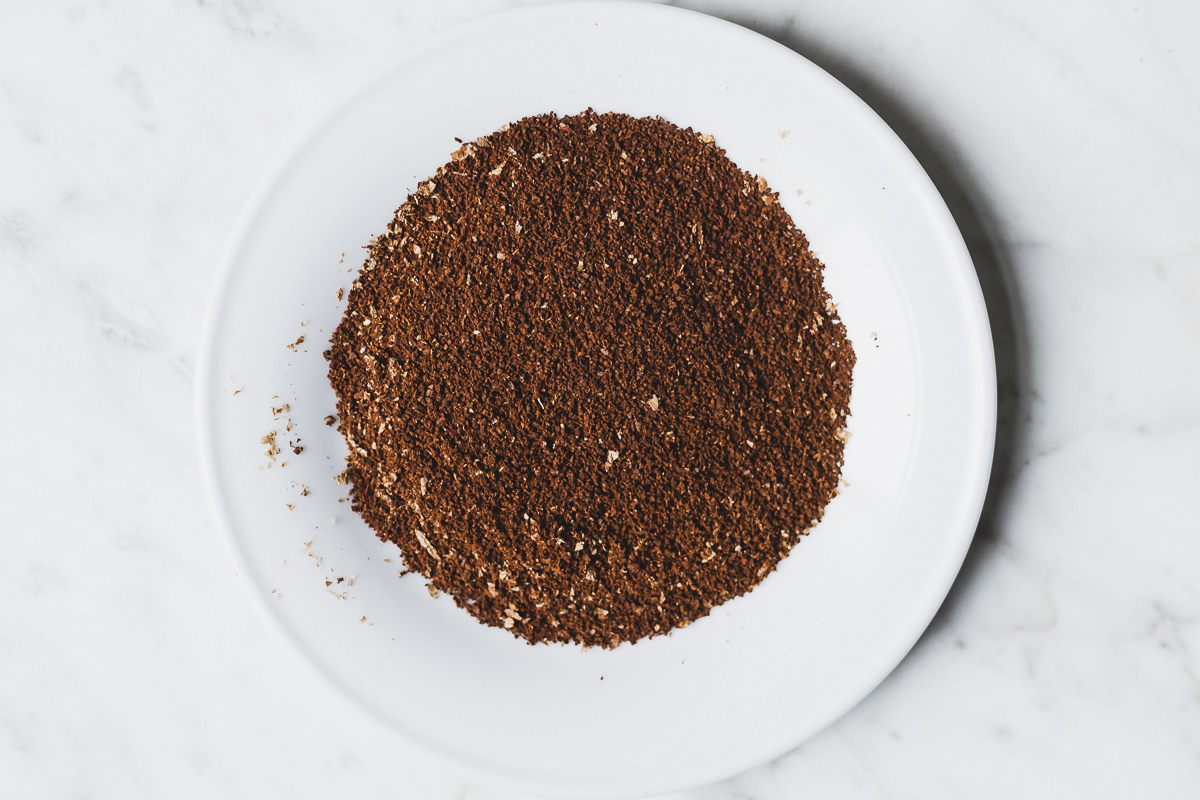
Baristas often describe the ideal pour over grind as medium-coarse, like sea salt. This helps balance extraction, giving you a bright, clean taste with no unwanted bitterness.
Choosing The Right Grinder
Your grinder is just as important as your beans. There are two main types to consider for pour over:
| Grinder Type | How It Works | Best For | Price Range |
|---|---|---|---|
| Burr Grinder | Crushes beans between two burrs for uniform size | Serious coffee drinkers | $40–$300+ |
| Blade Grinder | Chops beans with spinning blades, uneven size | Casual users, tight budgets | $15–$50 |
For pour over, a burr grinder is strongly recommended. It produces consistent grounds, which means water flows evenly and extracts the best flavors. Blade grinders are easy to find and cheap, but they make uneven particles—some too fine, some too coarse. This inconsistency can lead to both sour and bitter notes in the same cup.
Manual burr grinders are affordable and portable, great for small kitchens or travel. Electric burr grinders offer speed and convenience, perfect for daily use.
Finding The Perfect Grind Size
So, what does the perfect grind for pour over look and feel like? Aim for something between table salt and coarse sand—what most experts call medium-coarse.
You can adjust based on your brewer and taste preferences, but here’s a quick visual guide:
| Brew Method | Recommended Grind | Texture |
|---|---|---|
| French Press | Coarse | Chunky, sea salt |
| Pour Over | Medium-Coarse | Rough sand |
| Drip Coffee Maker | Medium | Table salt |
| Espresso | Fine | Sugar, powdery |
Most pour over brewers (like the Hario V60, Chemex, or Kalita Wave) work best with this grind size. However, each brewer’s shape and filter thickness can change extraction time. For example, Chemex uses thick paper filters and often needs a slightly coarser grind than a V60.
A quick tip: If your coffee tastes too sour or watery, try a finer grind. If it’s bitter or harsh, go coarser.
Step-by-step: How To Grind Coffee For Pour Over
Grinding for pour over is simple once you have the right equipment. Here’s how to do it:
1. Measure Your Beans
Use a kitchen scale for accuracy. Most recipes call for 15–18 grams of coffee per 250 ml (about 8 oz) of water. Weighing beans helps keep your brew consistent every time.
2. Set Your Grinder
Adjust your burr grinder to a medium-coarse setting. If your grinder has numbers, start in the middle range. For example, on a Baratza Encore, settings 18–24 work well for most pour over brewers.
3. Grind Just Before Brewing
Freshness matters. Grind beans right before you pour to keep flavors bright. Pre-ground coffee loses aroma and taste within minutes, so always grind small amounts as needed.
4. Check Your Grind
Pour some grounds into your hand. They should feel like rough beach sand—no big chunks, but not powdery. If you see lots of dust, adjust coarser. If you see big pieces, go finer.
5. Clean Your Grinder
Old coffee oils and particles can build up, changing the flavor. Brush out the burrs and wipe the hopper every week if you use your grinder daily.
Credit: prima-coffee.com
Key Factors That Affect Your Grind
You might notice that the same grind can taste different day to day. Several factors influence how your grind behaves:
- Bean age and roast level
Fresh, light-roast beans are harder and may need a slightly finer grind than dark, oily beans, which break up more easily.
- Humidity and storage
Coffee absorbs moisture from the air. High humidity can make beans softer and affect how they grind. Store beans in an airtight container, away from light and heat.
- Brewer shape and filter
A Chemex has a flat bottom and thick filter, needing a coarser grind. A V60’s cone shape uses a slightly finer grind for proper extraction.
Making small adjustments can help you dial in the perfect cup. Don’t be afraid to experiment—just change one thing at a time and keep notes.
Explore this related post: Best Coffee Grinder for Pour Over
Common Mistakes When Grinding For Pour Over
Grinding coffee is simple, but a few common mistakes can make a big difference in your cup. Here’s what to watch for:
1. Using A Blade Grinder
These create uneven grounds, leading to mixed flavors. Upgrade to a burr grinder if you want consistent results.
2. Grinding Too Early
Freshness drops fast. Grind right before brewing for the best aroma and taste.
3. Wrong Grind Size
Too fine, and you get slow, bitter extraction. Too coarse, and coffee is weak or sour. Aim for medium-coarse, and adjust as needed.
4. Not Cleaning Your Grinder
Old grounds can spoil your coffee. Clean your grinder often, especially if you use oily or dark beans.
5. Ignoring Your Brewer’s Needs
Each pour over device may need a slightly different grind. For example, Chemex and V60 don’t use exactly the same setting.
A non-obvious mistake: Not tasting and adjusting. Many people stick with one grind size forever. But beans change as they age, and even a small adjustment can improve your coffee.
Fine-tuning Your Grind: Practical Tips
Learning to dial in your grind is a skill that improves with practice. Here are a few ways to get even better results:
- Time your brew
Pour over coffee usually takes 2. 5–4 minutes to brew. If your water flows through too fast, try a finer grind. If it takes much longer, coarsen the grind a little.
- Taste test regularly
Brew a cup, taste, and take notes. Is it sour, bitter, or just right? Adjust the grind in small steps—one setting at a time.
- Use filtered water
Water quality impacts flavor extraction. Hard or chlorinated water can mask good coffee flavors.
- Try single-origin beans
These often reveal subtle differences when you fine-tune your grind. Blends are more forgiving, but single-origin coffees reward attention to detail.
Here’s a quick troubleshooting chart to help you identify and solve common problems:
| Problem | Likely Cause | How to Fix |
|---|---|---|
| Sour, under-extracted taste | Grind too coarse | Use a slightly finer grind |
| Bitter, harsh taste | Grind too fine | Use a coarser grind |
| Weak, flat cup | Too little coffee or too coarse | Add more coffee or use a finer grind |
| Clogged filter, slow drip | Grind too fine or old beans | Go coarser, use fresher beans |
Should You Buy Pre-ground Coffee?
Pre-ground coffee is convenient, but it’s rarely the best choice for pour over. Grinding exposes more surface area to air, causing flavors to fade quickly. Within 15 minutes, ground coffee loses up to 60% of its aroma compounds. That’s why most experts recommend buying whole beans and grinding them fresh, just before brewing.
If you must use pre-ground coffee, ask for a medium-coarse grind at the store and store it in an airtight, opaque container. Use it within a week for best results.
Final Thoughts: Unlocking The Best Pour Over Experience
Grinding coffee for pour over isn’t just about following rules—it’s about noticing details and making small adjustments. The right grind size helps your favorite beans shine, revealing flavors you might not taste otherwise. Invest in a quality burr grinder, pay attention to freshness, and don’t be afraid to experiment.
Even a small change can turn an average cup into something memorable.
For more about coffee brewing methods and science, check resources like the Wikipedia Coffee Preparation page.
Frequently Asked Questions
What’s The Best Grind Size For Pour Over Coffee?
The best grind size for pour over is medium-coarse, similar to rough sand or sea salt. This allows water to flow at the right speed for balanced extraction. However, you may need to adjust slightly based on your brewer and taste.
Can I Use A Blade Grinder For Pour Over?
You can, but it’s not ideal. Blade grinders produce uneven grounds, which can lead to sour and bitter flavors in the same cup. For best results, use a burr grinder for pour over coffee.
How Much Coffee Should I Grind Per Cup?
A common ratio is 1:16—one part coffee to sixteen parts water. For one 8-ounce cup, use 15–18 grams of coffee. Weighing your beans gives more consistent results than using scoops.
Why Does My Pour Over Coffee Taste Bitter?
Bitterness often means your grind is too fine or your brew time is too long. Try a coarser grind, or pour the water a little faster. Also, check your water temperature—it should be around 200°F (93°C).
How Do I Clean My Coffee Grinder?
Unplug the grinder, remove leftover beans, and brush out the burrs with a soft brush. For deeper cleaning, run grinder cleaning pellets through it, then wipe out any residue. Clean every 1–2 weeks to keep flavors fresh.
With these tips, you’re ready to grind coffee for pour over like a pro. Enjoy your next cup!

Credit: prima-coffee.com