If you love coffee, you know how important a clean grinder is. A good cup starts with fresh beans and the right grind. But even the best grinder can cause problems if it’s dirty. Coffee oils and old grounds build up inside, changing flavor and even causing jams. Cleaning your coffee grinder isn’t hard, but many people skip this step or do it wrong. The result? Bitter coffee, strange smells, or even broken machines.
In this guide, you’ll learn how to clean a coffee grinder the right way — whether you use a blade grinder or a burr grinder. You’ll also discover tips that most beginners miss, plus advice on keeping your grinder in top shape.
Why Cleaning Your Coffee Grinder Matters
Many coffee lovers don’t realize how much residue builds up inside their grinder. Coffee beans are oily. After grinding, these oils stick to the blades or burrs and mix with leftover grounds. Over time, this creates a sticky, dark layer that can:
- Change the taste of your coffee (often making it bitter or stale)
- Attract mold and bacteria
- Cause clogs or jams
- Lower the lifespan of your grinder
According to a 2023 survey by the National Coffee Association, 63% of coffee drinkers clean their grinder less than once a month. This neglect can affect every cup you make.
Types Of Coffee Grinders And Cleaning Needs
There are two main types of coffee grinders: blade grinders and burr grinders. Each requires different cleaning steps. Understanding your grinder helps you clean it better.
| Type | How It Works | Common Residue | Cleaning Difficulty |
|---|---|---|---|
| Blade Grinder | Spins blades to chop beans | Fine powder, oils | Easy |
| Burr Grinder | Crushes beans between burrs | Grounds, oils, stuck particles | Medium |
Blade grinders are simple, but they need frequent cleaning because grounds stick everywhere. Burr grinders are more complex and can hide residue between parts.
How Often Should You Clean Your Coffee Grinder?
If you use your grinder daily, you should clean it once a week. If you brew coffee less often, cleaning every two weeks is enough. Deep cleaning is recommended once a month for regular users.
Some signs your grinder needs cleaning:
- Coffee tastes off or bitter
- Grinder sounds louder or slower
- Grounds are uneven or clumpy
Step-by-step Guide: Cleaning A Blade Coffee Grinder
Blade grinders are common in homes. Here’s how to clean them well.
What You’ll Need
- Soft brush (small paintbrush or toothbrush)
- Dry cloth or paper towels
- Mild dish soap
- Rice (optional for deep cleaning)
- Water
Basic Cleaning Steps
- Unplug the grinder: Safety first. Always unplug before cleaning.
- Empty loose grounds: Shake out all grounds into the trash.
- Brush inside: Use a soft brush to remove fine powder stuck in corners.
- Wipe with cloth: Use a dry cloth to wipe the inside and blades.
- Clean the lid: Wash the lid with mild soap and water, then dry.
Deep Cleaning With Rice
Rice helps remove oils and stubborn residue. Here’s how:
- Add 1/4 cup of dry, uncooked rice to the grinder.
- Run the grinder for 30 seconds.
- Discard the rice and wipe out any powder.
- Brush and wipe again to finish.
Rice absorbs oils and grinds off stuck particles. But don’t use this method with burr grinders — rice can damage them.
Step-by-step Guide: Cleaning A Burr Coffee Grinder
Burr grinders are popular among coffee enthusiasts. They provide consistent grinds but need careful cleaning.
What You’ll Need
- Soft brush (or grinder brush)
- Dry cloth
- Vacuum (optional for deep cleaning)
- Screwdriver (if needed)
- Mild dish soap
Basic Cleaning Steps
- Unplug the grinder: Always unplug before cleaning.
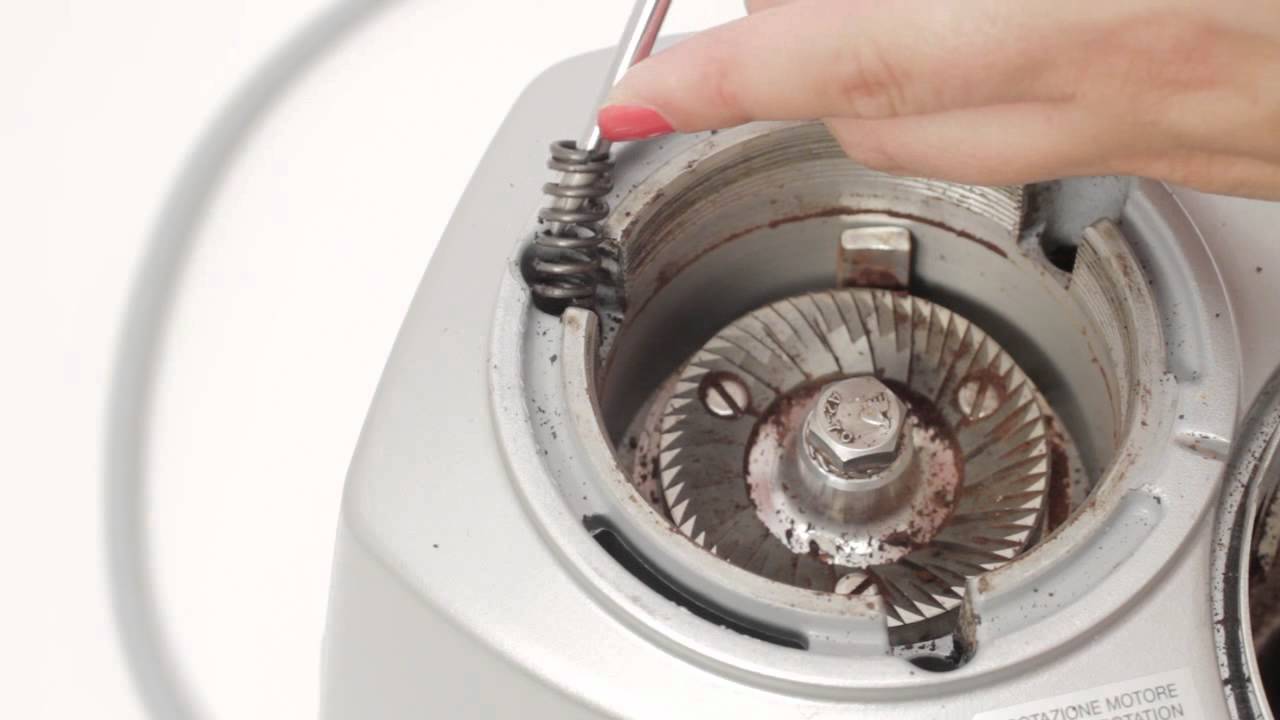
- Remove hopper and grind bin: These parts usually lift out. Wash them with soap and water, then dry.
- Brush burrs: Use a brush to remove grounds and debris between burrs.
- Wipe exterior: Clean the outside with a dry cloth.
Deep Cleaning Burrs
Some burr grinders allow you to remove the burrs for deep cleaning. If so:
- Use a screwdriver (if needed) to unscrew and lift out burrs.
- Brush burrs thoroughly. Avoid water unless manufacturer allows.
- Vacuum inside (optional). A small vacuum can remove hidden powder.
- Reassemble carefully.
Pro tip: Never use rice in burr grinders — it can break the burrs or jam the motor.
Cleaning Electric Vs Manual Coffee Grinders
Manual grinders are easier to clean because parts come apart easily. Electric grinders need more caution.
| Grinder Type | Cleaning Difficulty | Water Usage | Parts to Remove |
|---|---|---|---|
| Manual | Easy | Safe to wash most parts | Handle, burrs, bin |
| Electric | Medium | Only removable parts | Hopper, bin, burrs (sometimes) |
Always check your grinder’s manual before using water or soap. Some parts should stay dry.
Common Mistakes When Cleaning A Coffee Grinder
Many people make small mistakes that can lead to bigger problems. Avoid these:
- Using water on electrical parts: Water can cause short circuits or rust.
- Skipping burr cleaning: Grounds build up fast between burrs.
- Using rice in burr grinders: Only use rice in blade grinders.
- Not drying parts fully: Moisture attracts mold and makes grounds stick.
- Reassembling incorrectly: Burrs must align properly for best grind.
Most beginners don’t realize that improper assembly can change grind size and damage the machine.
Tips For Keeping Your Grinder Clean Longer
You don’t need to clean your grinder every day. But these habits help keep it cleaner between deep cleans:
- Always empty the grind bin after use
- Store beans in a dry, cool place to reduce oil buildup
- Use a brush after each grind to remove loose powder
- Avoid grinding flavored beans (they leave sticky residue)
- Keep your grinder covered when not in use
If you switch between dark and light roast beans, cleaning more often helps keep flavors pure.
Cleaning Other Coffee Equipment
Your grinder isn’t the only thing that affects coffee flavor. Dirty brewers, filters, and storage containers can also change taste.
Quick tips:
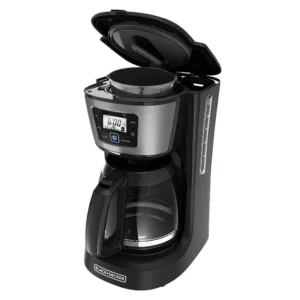
- Clean your coffee maker once a month with vinegar or descaling solution
- Wash filters and storage jars weekly
- Keep water tanks fresh
A clean grinder works best with clean equipment all around.
When To Replace Coffee Grinder Parts
Sometimes cleaning isn’t enough. Burrs and blades wear out after heavy use. Here’s when to consider replacing parts:
- Blades look dull or chipped
- Burrs are uneven or have deep grooves
- Grinder takes longer or makes uneven grounds
- Coffee tastes strange even after cleaning
Most blade grinders last 2–3 years with regular use. Burrs can last up to 5 years. Some brands sell replacement parts — check the manufacturer’s website.

Credit: naivo.in
Coffee Grinder Cleaning Products
You don’t need fancy products to clean your grinder. Simple tools like brushes and cloths work well. But some cleaning pellets are available for burr grinders.
These pellets are made of food-safe materials. Run them through the grinder (following instructions), then discard and wipe. They remove oils and ground coffee residue.
Example: Urnex Grindz is a popular cleaning pellet for burr grinders. Just make sure the product is safe for your grinder type.
How Cleaning Affects Coffee Taste: Real Data
A study by Coffee Science Foundation found that grinders with built-up oils produced coffee with 20–30% higher bitterness compared to clean grinders. Flavor notes like chocolate or fruit were masked by stale tastes. Fresh cleaning restored the original flavor profile.
If you want your coffee to taste like it should, cleaning is one of the easiest ways to improve it.

Credit: food52.com
Troubleshooting: Grinder Still Smells Or Tastes Off?
Sometimes, even after cleaning, your grinder holds onto smells or odd flavors. Here’s what you can do:
- Wipe with vinegar: Lightly dampen a cloth with vinegar and wipe inside. Rinse and dry fully.
- Leave open to air: Let the grinder sit open for several hours.
- Grind a small amount of fresh beans: This can help absorb leftover smells.
- Check for hidden buildup: Look under burrs, inside corners, or behind removable parts.
If smell persists, repeat deep cleaning or consider replacing burrs/blades.
Frequently Asked Questions
How Do I Clean A Coffee Grinder Without Making A Mess?
Use a brush to loosen grounds before wiping. Place the grinder over a trash can or sink. Clean parts separately and dry fully before reassembling.
Can I Use Water To Clean My Coffee Grinder?
You can use water on removable parts like lids, hoppers, and grind bins. Never use water on electrical parts or inside the motor. Always dry parts completely before use.
Is It Safe To Use Rice In My Grinder?
Rice is safe for blade grinders but not for burr grinders. In burr grinders, rice can cause jams or break the burrs. Always check your grinder type before using rice.
How Often Should I Deep Clean My Grinder?
Deep cleaning is recommended once a month for daily users. If you make coffee less often, every 2–3 months is enough. Quick cleaning should be done weekly.
What If My Grinder Still Tastes Or Smells Bad After Cleaning?
Try wiping with vinegar, air drying, and grinding fresh beans. If smell persists, check for hidden buildup or consider replacing burrs/blades.
Keeping your coffee grinder clean is easy, but it makes a big difference. With regular care, you’ll enjoy better coffee, longer-lasting equipment, and fewer problems. For more tips on coffee equipment maintenance, visit the National Coffee Association. Clean your grinder today and taste the difference in your next cup.
Credit: www.youtube.com