When summer arrives, the heat can be tough on your refrigerator. Many people notice their fridge doesn’t cool as well as before. Food spoils faster, drinks aren’t cold enough, and ice takes longer to freeze. This isn’t just uncomfortable—it can waste food and money.
The truth is, warm weather puts extra stress on your fridge, and most people don’t realize how much small changes can help. With the right steps, you can boost your fridge’s cooling efficiency and keep your food fresh, even during the hottest days.
Why Fridge Cooling Drops In Summer
Your fridge is designed to work best when the room temperature is normal. In summer, high temperatures and humidity make it harder for the fridge to keep things cool. Warm air enters every time you open the door, and the compressor works overtime to chill it again.
If the fridge is old or overloaded, cooling drops even more.
Humidity is another hidden enemy. When the air is humid, moisture builds up inside the fridge, making it harder to cool down. This can create frost, affect food quality, and force the fridge to use more energy.
Many people don’t realize that the location of your fridge also matters. If it’s near ovens, stoves, or direct sunlight, the surrounding heat increases. Even small details like dirty coils or weak door seals play a role in cooling loss.
Quick Checks To Improve Cooling
Before making big changes, start with simple checks. These often solve the problem fast and don’t need special tools.
- Check the Power Supply
- Make sure the fridge is plugged in properly.
- Check for loose wires or damaged plugs.
- If the power is unstable, cooling drops.
- Adjust the Thermostat
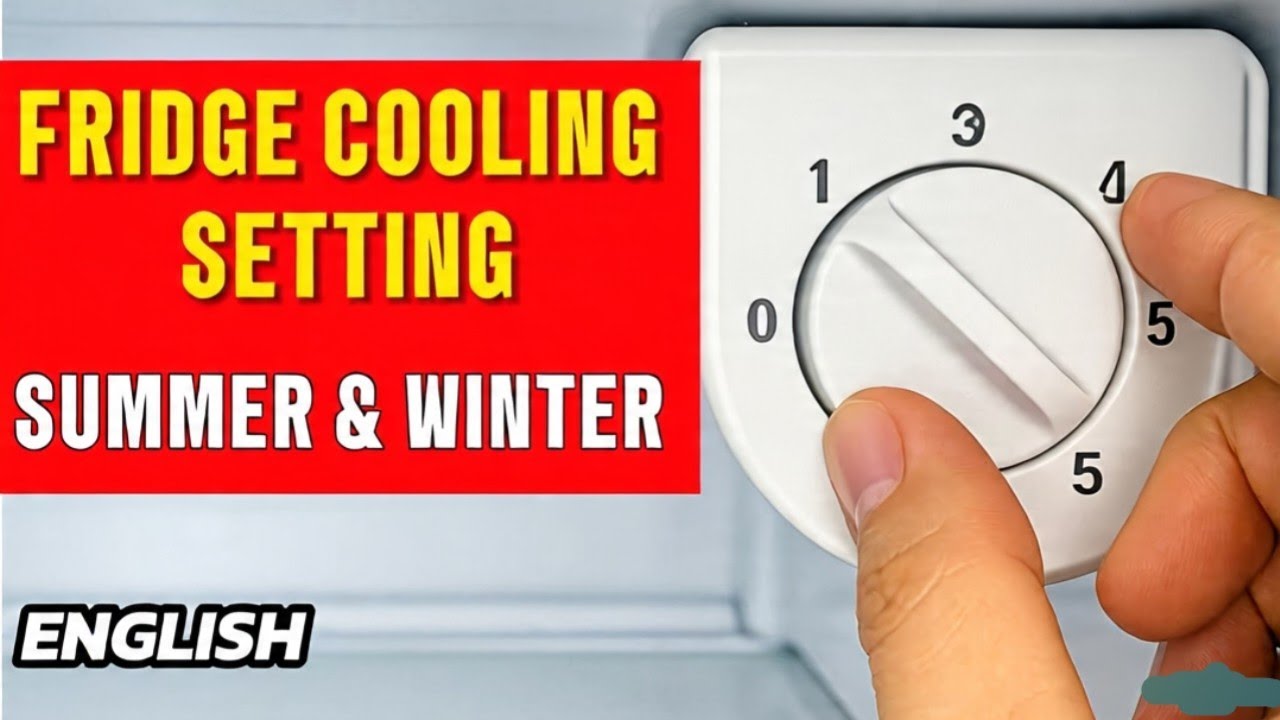
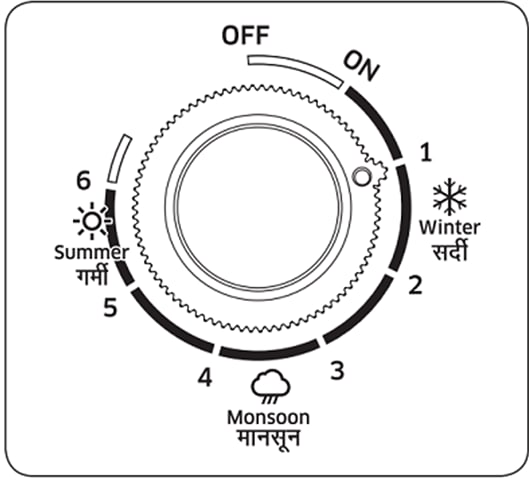
- Set the temperature to 37°F (3°C) for the fridge and 0°F (-18°C) for the freezer.
- Many people set it too high or too low. The correct range keeps food safe and cooling stable.
- Inspect Door Seals
- Close the door on a dollar bill. If you can pull it out easily, the seal is weak.
- Weak seals let warm air in. Clean seals with mild soap, and replace them if damaged.
- Clear the Vents
- Inside the fridge, air vents push cold air around.
- Don’t block them with food containers. Leave space for air to flow.
- Clean Coils
- Dust on condenser coils makes cooling less effective.
- Clean coils every 3–6 months using a vacuum or brush.
Deep Cleaning For Better Cooling
Dirt and debris can build up over time, causing your fridge to work harder. Deep cleaning not only boosts cooling but can extend the life of your appliance.
Steps For Deep Cleaning
- Unplug the Fridge
- Safety first. Always unplug before cleaning.
- Remove Shelves and Drawers
- Take out all removable parts. Wash them with warm, soapy water.
- Clean Interior Walls
- Use a mix of baking soda and water. This removes odors and stains.
- Wipe Down Door Seals
- Pay extra attention to seals. Dirt here reduces cooling.
- Vacuum Coils and Back Panel
- Pull the fridge away from the wall.
- Clean the coils gently. They are usually behind or under the fridge.
- Dry Everything Thoroughly
- Moisture can cause mold and reduce efficiency.
Hidden Insights
- Many people forget to clean the drip pan under the fridge. This pan collects water and can cause smells or bacteria.
- If your fridge has an ice maker, check its water line for leaks or blockages. These can affect cooling.
Smart Organization For Maximum Cooling
How you organize food inside your fridge matters more than most people realize. Poor organization blocks airflow and makes cooling uneven.
Best Practices
- Leave Space Between Items
- Cold air needs space to circulate. Avoid overpacking.
- Keep Dairy and Meats Near Coldest Area
- Usually, this is the lower shelves or back.
- Store Fruits and Veggies in Crisper Drawers
- These drawers control humidity, keeping food fresh longer.
- Avoid Hot Foods
- Never put hot leftovers directly in the fridge. Let them cool to room temperature first.
- Use Clear Containers
- Transparent containers help you see food easily and reduce door opening time.
Comparison: Good Vs Poor Organization
| Good Organization | Poor Organization |
|---|---|
| Items spaced apart | Food packed tightly |
| Cold air circulates | Blocked vents |
| Door opened less | Door opened often |
| Food stays fresh | Uneven cooling |
Avoid Common Cooling Mistakes
Many people unknowingly make mistakes that lower their fridge’s cooling power. Knowing what to avoid saves time and money.
Frequent Mistakes
- Opening the Door Too Often
- Every time you open the door, warm air enters. Try to plan before opening.
- Overloading the Fridge
- Too much food blocks airflow. Leave space for circulation.
- Setting Temperature Too Low
- Very low settings make the compressor work harder and can freeze food. Stick to recommended ranges.
- Ignoring Strange Noises
- Sounds like clicking or buzzing may signal a problem. Fix these early to prevent cooling loss.
- Putting Fridge Near Heat Sources
- Ovens, stoves, and sunlight heat up the fridge. Move it away if possible.
Data: Impact Of Door Openings On Cooling
| Door Openings per Hour | Average Temperature Rise (°F) | Energy Use Increase (%) |
|---|---|---|
| 1-2 | 1 | 5% |
| 3-5 | 2-3 | 10% |
| 6+ | 4+ | 20% |
Advanced Cooling Tips For Summer
If the basic steps don’t fix the problem, try more advanced solutions. These require a bit more effort but can make a big difference.
1. Add A Small Fan Inside
Some people place a small battery-powered fan inside the fridge. This helps circulate air and keeps temperatures steady. Make sure the fan is safe and doesn’t block vents.
2. Install A Fridge Thermometer
Thermometers help you check the real temperature. Sometimes, the built-in thermostat isn’t accurate. Place the thermometer in the center and check regularly.
3. Upgrade To Led Lighting
Old fridge lights create heat. LED bulbs use less energy and produce less heat, helping cooling.
4. Use Ice Packs
Keep a few ice packs in the fridge, especially during power outages. They absorb heat and keep the temperature stable.
5. Shade The Fridge
If your fridge is near a window, use curtains or blinds to block sunlight. This simple step can lower surface temperature by several degrees.
When To Call A Technician
Some cooling problems are too complex to fix alone. If you notice these signs, it’s time to call a professional.
- Compressor Runs Continuously
- If it never stops, there may be a serious issue.
- Temperature Doesn’t Change
- Even after adjusting settings, nothing improves.
- Water Leaks
- Leaks can signal broken parts or blocked drains.
- Frequent Frost Build-up
- Too much frost means the defrost system isn’t working.
- Unusual Smells
- Electrical or chemical smells require immediate attention.
Not all issues are expensive to fix. Sometimes, replacing a small part restores full cooling.
Choosing The Right Fridge For Hot Climates
If your fridge struggles every summer, consider buying a model made for high temperatures. This is a long-term solution, especially for people living in very hot areas.
Key Features To Look For
- Strong Compressor
- A powerful compressor handles heat better.
- Thick Insulation
- Better insulation keeps cold air inside.
- Energy Star Rating
- These models use less power and cool more efficiently.
- Multi-Airflow System
- Airflow systems spread cold air evenly.
- Digital Controls
- Digital panels let you adjust settings precisely.
Comparison: Standard Vs Hot Climate Fridges
| Feature | Standard Fridge | Hot Climate Fridge |
|---|---|---|
| Compressor | Basic | Heavy-duty |
| Insulation | Normal | Extra thick |
| Airflow | Single | Multi-airflow |
| Controls | Manual | Digital |
| Energy Rating | Standard | Energy Star |
Energy Saving Tips For Summer
Increasing fridge cooling doesn’t mean higher electricity bills. With smart habits, you can save energy while keeping food fresh.
- Check Door Seals
- Good seals stop cold air from escaping.
- Set Correct Temperature
- Don’t set too cold. 37°F for fridge, 0°F for freezer is best.
- Defrost Regularly
- Frost build-up wastes energy. Defrost as needed.
- Keep Fridge Full (But Not Packed)
- A full fridge stays cool better, but leave space for air.
- Unplug Unused Appliances
- When on vacation, unplug the fridge or turn it to low.
- Clean Coils
- Dirty coils use more power.
According to the US Department of Energy, regular maintenance can reduce fridge energy use by up to 15%. That’s good for your wallet and the environment.
Fridge Maintenance Checklist For Summer
Stay ahead of cooling problems with regular maintenance. Here’s a simple checklist:
- Clean coils every 3–6 months
- Check door seals monthly
- Defrost freezer as needed
- Organize food weekly
- Inspect thermostat settings monthly
- Clear vents every time you rearrange food
- Check for leaks or moisture monthly
- Test power supply quarterly
Using this checklist prevents most common cooling issues and keeps your fridge running smoothly.
Credit: www.youtube.com
How Fridge Placement Affects Cooling
Where you put your fridge has a big impact on cooling. In summer, this becomes even more important.
- Avoid Direct Sunlight
- Sun heats the fridge, making cooling harder.
- Keep Away from Heat Sources
- Don’t place near ovens, stoves, or heaters.
- Allow Space Around the Fridge
- Leave at least 2 inches of space on all sides. This helps heat escape.
- Place on Level Surface
- Uneven surfaces make doors close poorly, letting warm air in.
Many people don’t realize that even a few inches of space can lower fridge surface temperature by up to 5°F. This simple step boosts cooling and saves energy.
Addressing Humidity Problems
High humidity is common in summer. It leads to frost, mold, and uneven cooling.
- Use Crisper Drawers Properly
- They control humidity for fruits and vegetables.
- Open the Door Less
- Reduces moisture entering.
- Check for Water Leaks
- Leaks increase humidity inside.
- Use a Dehumidifier in the Room
- If humidity is extreme, a small room dehumidifier helps.
- Wipe Moisture Regularly
- Remove excess moisture from shelves and walls.
Credit: www.samsung.com
Foods That Help Fridge Cooling
Some foods absorb heat and help keep the fridge cool. This is a lesser-known trick.
- Cold Water Bottles
- Fill bottles with water and keep them in the fridge. They stabilize temperature.
- Frozen Vegetables
- Frozen items absorb heat, keeping things cool during power cuts.
- Ice Packs
- Place in fridge and freezer for extra cooling.
This method is especially useful during summer storms and power outages.
Signs Your Fridge Needs Replacement
Sometimes, boosting cooling isn’t enough. If your fridge shows these signs, consider replacing it:
- Frequent Repairs
- If repairs cost more than a new fridge, upgrade.
- Age Over 10 Years
- Older fridges use more energy and cool less efficiently.
- Unable to Hold Temperature
- If food spoils often, even after maintenance, it’s time for a new one.
- Compressor Failure
- Compressor is the heart of the fridge. If it fails, replacement is better.
- Visible Rust or Damage
- Rust indicates poor insulation and can lead to leaks.
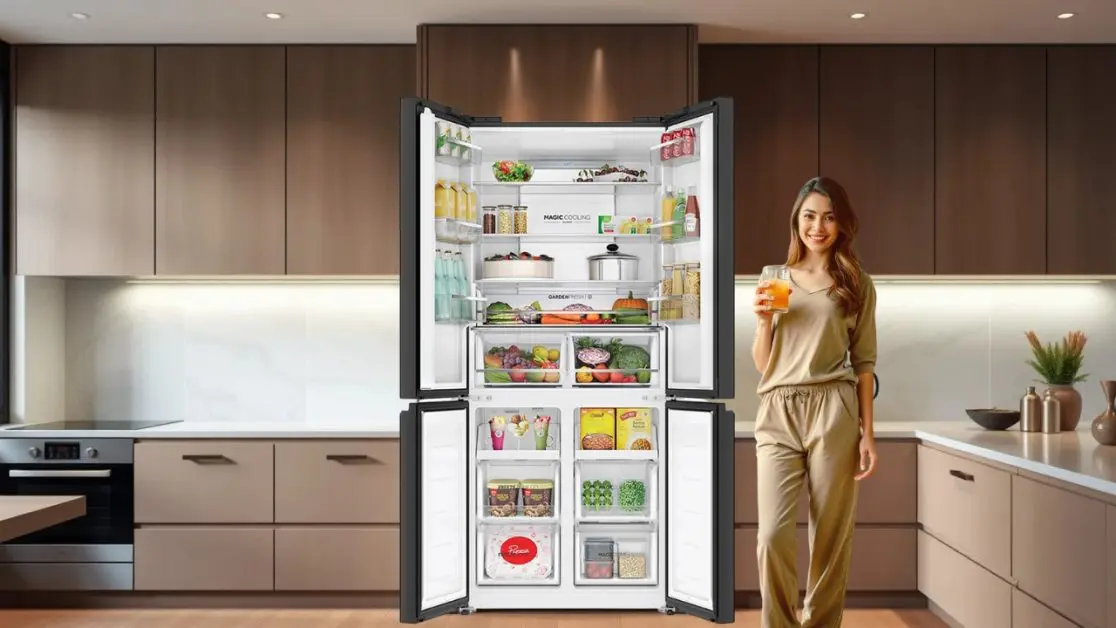
Modern fridges are more energy-efficient and handle summer heat better. For more information on refrigerator technology, visit Wikipedia.
Credit: shop.haierindia.com
Frequently Asked Questions
How Often Should I Clean Fridge Coils In Summer?
Clean the coils every 3–6 months. If you live in a dusty area or have pets, monthly cleaning is better. Clean coils help cooling and save energy.
What Is The Best Temperature For My Fridge In Hot Weather?
Set your fridge to 37°F (3°C) and freezer to 0°F (-18°C). This keeps food safe and cooling steady, even during heat waves.
Can Overpacking My Fridge Reduce Cooling?
Yes. Too much food blocks air vents and stops cold air from circulating. Leave space between items for best cooling.
Why Does My Fridge Make Loud Noises In Summer?
Loud noises can mean the compressor is struggling or there’s a problem with the fan. Heat makes parts work harder. If noises don’t stop, call a technician.
Will A Fridge Thermometer Help In Summer?
Absolutely. A thermometer shows the real temperature inside. If the built-in thermostat is wrong, you can adjust settings for better cooling.
Keeping your fridge cool in summer is not difficult if you follow these steps. Small actions like cleaning, organizing, and checking seals make a huge difference. If problems persist, don’t hesitate to seek professional help. With proper care, your fridge will keep your food fresh and your drinks cold, no matter how hot it gets outside.