Many people love having clean floors, but few enjoy the smell of a dirty vacuum cleaner. Sometimes, after vacuuming, your home feels fresher—until you notice a musty, unpleasant odor coming from your machine. This is a common problem, especially for those who vacuum regularly or have pets and kids.
The good news is that you can keep your vacuum cleaner smelling fresh with the right habits and techniques. Even if you’re not a cleaning expert, simple steps can make a big difference in the scent and performance of your vacuum. Let’s explore practical ways to stop bad smells and keep your vacuum a tool for clean, fresh air.
Why Do Vacuum Cleaners Smell Bad?
Vacuum cleaners are meant to clean, so it’s surprising when they cause bad smells. Understanding the reasons behind vacuum odors is the first step to solving the problem. The most common cause is buildup of dirt, dust, and debris inside the vacuum. When these particles stay inside for too long, bacteria and mold can grow. This is especially true if you vacuum up pet hair, food crumbs, or moist dirt.
Some vacuums have filters that trap dust and allergens. If filters are not cleaned or replaced regularly, they become a source of bad smells. Bags or dust bins that are too full also let odors escape. Sometimes, a vacuum’s brush or hose gets clogged with hair, dust, or sticky messes, making the machine smell worse every time you use it.
A 2026 survey found that nearly 35% of households notice unpleasant odors from their vacuum at least once a month. The problem is common, but it can be fixed.
Simple Habits To Prevent Smells
Many vacuum odors can be avoided by changing a few daily habits. These small steps help your vacuum stay fresh and work better.
1. Empty The Bag Or Bin Regularly
A full bag or dust bin is the main reason for bad smells. Empty your vacuum after every use, or at least once a week if you vacuum often. Never let it overflow.
2. Check For Moist Debris
Avoid vacuuming wet items, spilled liquids, or moist pet food. Moisture lets bacteria and mold grow, which causes strong odors.
3. Clean The Brushes And Hoses
Hair, string, and sticky messes often get stuck in the brush or hose. Remove these after every few uses. This keeps airflow strong and prevents smells.
4. Store Your Vacuum Properly
Keep your vacuum in a dry area, away from dampness. Humid environments make odors worse.
5. Use High-quality Bags Or Filters
Cheap bags and filters may let odors escape. Using strong, quality parts helps trap smells inside.
Deep Cleaning Steps For A Fresh-smelling Vacuum
Sometimes, regular cleaning isn’t enough. Deep cleaning your vacuum once a month helps remove hidden odors and keeps your machine working well.
Step 1: Unplug And Disassemble
Always unplug your vacuum before cleaning. Take out the bag, dust bin, filters, and brush head. Check your manual for instructions if unsure.
Step 2: Wash Removable Parts
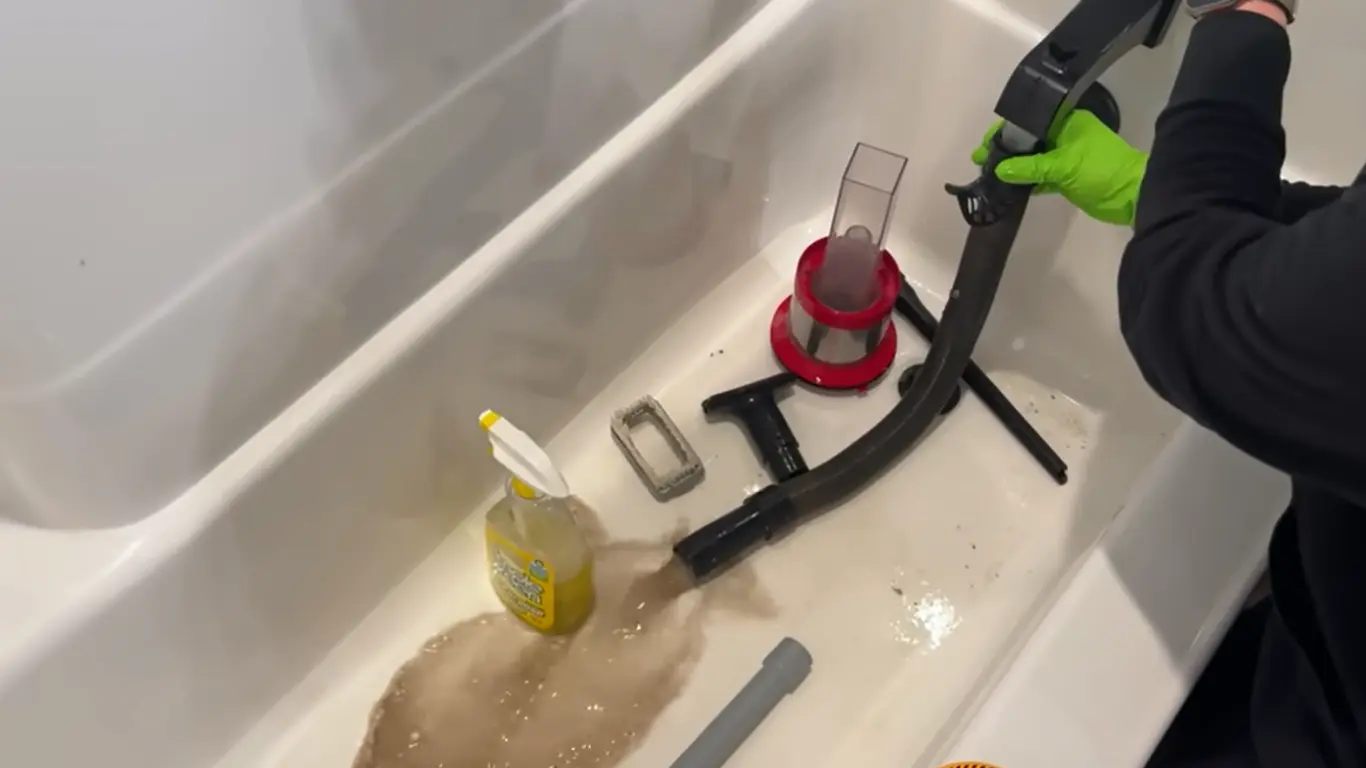
Most dust bins, filters, and brush heads can be washed with warm water and mild soap. Rinse well and let them dry completely before putting them back. Never use wet parts in your vacuum.
Step 3: Clean The Hose
The hose can trap dirt and hair deep inside. Run a long, flexible brush through the hose to loosen debris. For a deeper clean, soak the hose in warm, soapy water for 30 minutes, then rinse and air dry.
Step 4: Wipe The Exterior
Use a damp cloth to wipe the outside of your vacuum. Pay attention to handles, wheels, and crevices where dust collects.
Step 5: Replace Filters
Some filters must be replaced instead of washed. HEPA filters, for example, usually need changing every 6-12 months. Always follow your manufacturer’s recommendations.
Step 6: Dry Everything Completely
Moisture is the enemy of a fresh vacuum. Make sure all parts are completely dry before reassembly.
Comparing Bagged Vs. Bagless Vacuums For Odor Control
Choosing the right type of vacuum can affect how easy it is to keep smells away. Here’s a quick look at the differences:
| Feature | Bagged Vacuums | Bagless Vacuums |
|---|---|---|
| Odor Containment | Excellent, as bags trap odors | Can leak odors if not cleaned |
| Maintenance | Bag replacement needed | Frequent bin cleaning required |
| Filter Lifespan | Usually longer | Often shorter, more cleaning |
| Cost | Ongoing cost for bags | No bag cost, but filter expense |
| Ease of Cleaning | Less contact with dust | Direct contact with debris |
Bagged vacuums are usually better for odor control because the bag seals in smells. Bagless models need more frequent cleaning to stay fresh.
Using Natural Fresheners In Your Vacuum
If you want your vacuum to spread pleasant scents instead of bad ones, natural fresheners can help. Here are some simple, safe options:
1. Baking Soda
Sprinkle a small amount of baking soda on your carpet before vacuuming. It absorbs odors and leaves your vacuum smelling cleaner.
2. Essential Oils
Add a few drops of essential oil (like lavender or lemon) to a cotton ball, then place it inside the vacuum bag or dust bin. The scent will spread as you vacuum.
3. Commercial Vacuum Fresheners
Some brands sell vacuum-specific fresheners. These are usually safe, but check ingredients if you have allergies or pets.
4. Dry Citrus Peels
Orange or lemon peels, dried out, can be placed inside the vacuum. They add a natural, mild scent.
Never use liquid fresheners directly inside your vacuum—they can damage parts or cause mold.
How Often Should You Clean Your Vacuum?
Cleaning frequency depends on usage. Here’s a guide based on different lifestyles:
| Household Type | Empty Bag/Bin | Clean Brushes | Wash Filters | Deep Clean |
|---|---|---|---|---|
| Single Person | Every 2-3 uses | Monthly | Every 2 months | Every 3 months |
| Family (with kids) | Every use | Weekly | Monthly | Monthly |
| Pet Owners | Every use | Weekly | Monthly | Monthly |
Pet owners and large families need to clean more often. If your vacuum smells, try increasing cleaning frequency.
Common Mistakes That Cause Vacuum Odors
Many people make simple mistakes that lead to vacuum smells. Avoid these to keep your machine fresh:
- Vacuuming Wet Messes: Moisture is the fastest way to start odor and mold.
- Ignoring Filter Maintenance: Dirty filters trap odors and reduce suction.
- Letting Bags/Bins Overflow: Overfilled containers let smells escape.
- Storing in Damp Places: Humidity makes bacteria and mold grow faster.
- Not Cleaning the Brush: Hair and debris stuck in the brush rot and smell.
How To Remove Stubborn Odors
Some smells are strong and don’t go away easily. Here’s how to tackle tough odors:
1. Clean All Parts Thoroughly
Disassemble and wash every removable part, including the hose, brush, bin, and filter.
2. Sanitize With Vinegar Solution
Mix equal parts white vinegar and water. Wipe down surfaces, but avoid electronic parts. Vinegar neutralizes odors and kills bacteria.
3. Replace Old Filters
If filters are more than a year old or still smell after cleaning, replace them. Filters are often the source of stubborn odors.
4. Let Parts Air Out
After cleaning, leave parts in a dry, sunny area for several hours. Sunlight and fresh air help remove lingering smells.
5. Check For Mold
If you see mold inside your vacuum, clean with a mild bleach solution (one tablespoon bleach per quart of water). Rinse well and dry completely.
Credit: www.youtube.com
Vacuum Cleaner Maintenance Schedule Example
To help you stay on track, here’s a sample maintenance schedule for a medium-sized family:
| Task | Frequency | Notes |
|---|---|---|
| Empty Bag/Bin | After every use | Prevents overflow and odors |
| Clean Brush/Roller | Weekly | Remove hair and debris |
| Wash Filters | Monthly | Check user manual for instructions |
| Deep Clean Vacuum | Monthly | Disassemble and wash parts |
| Replace HEPA Filter | Every 6-12 months | Use genuine parts for best results |
Setting reminders or marking a calendar helps keep your vacuum smelling fresh.
Extra Tips For Keeping Your Vacuum Fresh
Here are a few less obvious tricks to make your vacuum smell great:
- Vacuum Baking Soda Regularly: Not only does baking soda clean carpets, but it also neutralizes odors inside your vacuum.
- Let the Vacuum Air Out: After cleaning, leave the dust bin open for a few hours. This prevents moisture buildup.
- Change Bags Before They’re Full: Bags work best when changed early, not when they’re overflowing.
- Use Scented Beads Carefully: Some scented beads are made for vacuums, but avoid anything that could clog filters.
- Check for Blockages: Even a small blockage can trap dirt and make smells worse. Regularly check hoses and tubes.
Frequently Asked Questions
Why Does My Vacuum Cleaner Smell Even After I Clean It?
If your vacuum still smells, the filter or hose may have hidden debris or mold. Check for stuck hair, deep dirt, or old filters that need replacing. Sometimes, plastic parts absorb odors and need extra cleaning or airing out.
Is It Safe To Use Essential Oils In My Vacuum?
Yes, but only use a few drops on a cotton ball or piece of tissue inside the bag or bin. Never pour oils directly into the machine—they can damage parts and attract dirt.
How Often Should I Replace The Vacuum Filter?
Most filters should be replaced every 6-12 months. HEPA filters may last longer, but regular homes with pets or allergies need more frequent changes. Always check your vacuum’s manual.
Can I Vacuum Up Baking Soda To Remove Odors?
Absolutely! Baking soda is safe and effective for removing odors. Sprinkle it on carpets, wait 15 minutes, then vacuum. It absorbs smells and freshens your machine.
What Should I Do If My Vacuum Smells Like Burning?
A burning smell can mean the motor is overheating, the belt is broken, or something is stuck inside. Stop using the vacuum immediately, unplug it, and check for blockages or broken parts. If the smell continues, contact a professional for repair.
Keeping your vacuum cleaner smelling fresh is easy with the right habits, regular cleaning, and a few natural tricks. A fresh-smelling vacuum not only helps your home feel cleaner but also keeps your machine working well for years. For more detailed tips and maintenance schedules, visit Good Housekeeping. By following these steps, you can enjoy clean floors—and clean air—every time you vacuum.