Roaches and coffee makers might seem like an unusual pair, but for many people, this is a very real and unpleasant problem. Imagine waking up in the morning, looking forward to a fresh cup of coffee, only to find a cockroach crawling out of your machine.
Not only is this unhygienic, but it can also ruin your day and put your health at risk. Cockroaches love warm, moist places with access to food and water, so your coffee maker is a perfect hiding spot. If you have ever seen one roach near your coffee machine, there are probably more inside that you can’t see.
But don’t worry—keeping roaches out of your coffee maker is completely possible with the right methods and some simple changes to your cleaning habits.
This guide is made for anyone who wants a reliable, step-by-step approach to stop roaches from making your coffee machine their home. Whether you use a drip brewer, pod machine, or espresso maker, you will find practical advice, clear explanations, and some insider tips that most beginners miss.
By the end, you’ll know exactly how to protect your coffee maker from roaches—and keep your kitchen safe and clean.
Why Roaches Love Coffee Makers
Before tackling the problem, it helps to understand why roaches target coffee makers in the first place. Cockroaches are attracted to three main things: warmth, moisture, and food. Your coffee maker gives them all of these.
- Warmth: Coffee machines generate heat, especially just after brewing. This warmth creates a cozy environment for roaches.
- Moisture: Water reservoirs, wet grounds, and steam give plenty of humidity, which roaches need to survive.
- Food: Coffee grounds, sugar spills, and even milk residue can be enough to feed a small colony.
Most people don’t realize that even a few drops of leftover coffee or crumbs are enough to attract pests. Coffee makers are often left untouched overnight or for days, giving roaches plenty of quiet time to explore and settle in.
Some machines have small spaces and crevices that are hard to clean, making them perfect hiding spots.
The Health Risks Of Roaches In Coffee Makers
Roaches are more than just an unpleasant sight. They can be a serious health hazard if they live in or near your coffee machine. Here’s why:
- Spread of bacteria: Roaches carry bacteria like salmonella and E. coli on their bodies. These can transfer to your coffee maker and end up in your cup.
- Allergies and asthma: Cockroach droppings and shed skins can cause allergic reactions and worsen asthma, especially in children.
- Contamination: Their feces, eggs, and even dead bodies can contaminate your coffee and water.
It’s important not to ignore even a single roach sighting. If you see one, there may be many more hiding inside the machine or in your kitchen.
How Roaches Get Into Your Coffee Maker
Roaches are experts at squeezing through small openings. They can enter your coffee maker in several ways:
- Water Reservoirs: Roaches can crawl through gaps around the water tank, especially if the lid is not closed tightly.
- Drip Trays and Grounds Containers: These are often left with wet coffee grounds or water—ideal for roaches.
- Power Cord Holes: The back of most machines has gaps for cords, perfect for pests to slip through.
- Vents and Crevices: Small holes for steam or air circulation can be entry points.
People often miss these entryways because they are out of sight or seem too small for a bug to enter. But remember, roaches can flatten their bodies and fit into tiny spaces—sometimes as small as 1/16 of an inch (about 1.
5 mm).
Signs Of Roaches In Your Coffee Maker
It’s not always obvious that you have roaches in your coffee machine. Look for these signs:
- Droppings: Small, black, pepper-like specks near or inside your machine.
- Egg casings: Oval, brownish casings stuck in corners or under the machine.
- Musty smell: Roaches leave a strong, unpleasant odor.
- Actual sightings: Seeing a roach crawl out, especially at night.
- Coffee tastes strange: If your brew has an odd taste or smell, it might be contaminated.
If you notice any of these signs, act quickly. The longer you wait, the harder it is to remove them.
Credit: www.choice.com.au
Step-by-step: How To Keep Roaches Out Of Coffee Maker
Let’s get to the core solution. These steps will help you keep your coffee maker roach-free and safe to use.
1. Clean Your Coffee Maker Daily
One of the most effective ways to prevent roaches is by cleaning your machine every day. Roaches are attracted to leftover coffee, sugars, and crumbs.
- Empty water reservoirs and drip trays after each use.
- Wipe down the exterior of your machine with a damp cloth.
- Remove used coffee grounds or pods immediately after brewing.
Even small amounts of residue can attract pests overnight. Don’t let anything sit in the machine if you want to keep roaches away.
2. Deep Clean Weekly
A surface wipe isn’t enough. Once a week, do a deep cleaning of your coffee maker.
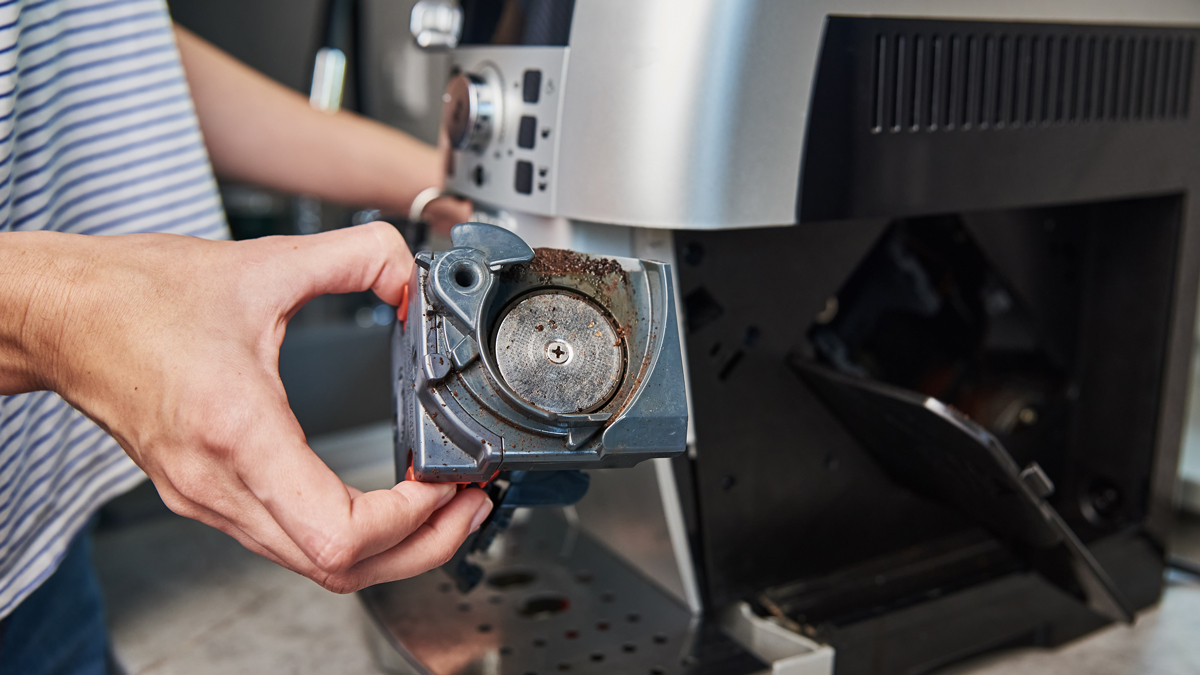
- Disassemble removable parts (such as water tanks, drip trays, and pod holders).
- Wash everything with hot, soapy water.
- Use a brush or toothpick to reach small crevices.
- Let all parts dry completely before reassembling.
For pod machines, run a cycle with just water or use a cleaning pod. For drip brewers, run a mixture of vinegar and water through the system, then rinse with plain water.
3. Store Coffee Maker In A Clean, Dry Place
Roaches avoid open, well-lit areas. If possible, store your coffee maker on the counter, not in a dark cabinet. Make sure the area around your machine is always dry and crumb-free.
- Avoid placing your machine near sinks, stoves, or trash cans.
- Wipe the counter every night.
- If you have a portable coffee maker, consider storing it inside a sealed plastic bin when not in use.
4. Seal Off Entry Points
Check your coffee maker and kitchen for tiny cracks and gaps. Use these tips:
- Place a piece of tape or sealant over large cord holes or gaps behind your machine.
- Make sure the water reservoir lids close tightly.
- Fill any wall cracks or gaps near your counter with caulk.
Roaches are persistent, so check regularly for new gaps.
5. Don’t Leave Food Or Drinks Nearby
Avoid eating near your coffee maker. Crumbs, sugar, and spills attract roaches. Clean up any spills right away, especially sweet liquids like flavored creamers or syrups.
6. Use Roach Deterrents
Some smells repel roaches. Place bay leaves, peppermint oil, or whole cloves near your coffee maker. These natural deterrents can help keep bugs away without chemicals.
- Place bay leaves under the machine or in nearby cabinets.
- Dab a cotton ball with peppermint oil and leave it near the back of your coffee maker.
But remember: these are only supporting steps. Regular cleaning is still the most important.
7. Empty The Drip Tray And Grounds Container Every Night
One of the most common mistakes is leaving wet grounds or water overnight. Always empty and dry these parts before you go to bed.
8. Use A Coffee Maker Cover
A simple cloth or plastic cover can block roaches from entering the machine overnight. Make sure the cover is clean and dry before putting it on.
9. Control Humidity In Your Kitchen
Roaches thrive in damp spaces. Use a dehumidifier or fan if your kitchen is humid. Fix any leaks under the sink or near appliances.
10. Set Up Roach Baits Away From The Coffee Maker
Place roach baits or traps in corners of your kitchen, but not directly under or on the coffee maker. These attract roaches away from your machine and help control their population.
11. Clean Behind And Under Your Coffee Maker
Roaches often hide behind or under appliances. Move your coffee maker and clean beneath it at least once a week.
12. Inspect Grooves And Buttons
Some machines have grooves, buttons, or digital screens with small gaps. Use a soft brush to remove dust and crumbs from these areas.
13. Empty Trash Regularly
Full trash cans are a feast for roaches. Take out the trash daily, and keep the bin sealed.
14. Keep Pet Food Away
If you have pets, avoid putting their food bowls near the coffee maker. Pet food attracts roaches just as much as human food.
15. Check For Infestation Signs Regularly
Make it a habit to look for droppings, casings, or musty smells during your weekly cleaning. Early detection is key.
16. Use A Flashlight For Inspection
Roaches are nocturnal and hide during the day. Use a flashlight to inspect inside and around your coffee maker at night.
17. Replace Old Coffee Makers If Needed
If your machine is very old and has many cracks or cannot be cleaned thoroughly, it may be time to replace it. Newer models are often easier to clean and seal.
18. Educate Everyone In Your Home
Make sure everyone in your house knows these rules—especially about not leaving food or wet grounds in the machine. Teamwork is essential.
19. Avoid Diy Chemical Sprays
Do not spray insecticides directly into your coffee maker. These chemicals can be dangerous if they get into your coffee or water. Stick to natural deterrents and traps around—not in—the machine.
20. Call A Professional If Needed
If you have tried everything and still see roaches, it may be time to call a pest control expert. Sometimes, an infestation is too large to handle alone.
Comparing Coffee Maker Types: Which Are Most At Risk?
Different coffee makers have different risk levels when it comes to roach infestations. Here’s a quick comparison:
| Type of Coffee Maker | Risk Level | Main Entry Points | Cleaning Difficulty |
|---|---|---|---|
| Drip Brewer | Medium | Water tank, drip tray, cord holes | Easy |
| Pod Machine | High | Pod slot, water tank, vents | Medium |
| Espresso Machine | High | Steam wand, grounds bin, back panel | Hard |
| Percolator | Low | Lid, handle joints | Easy |
| French Press | Very Low | Lid, plunger | Very Easy |
Pod and espresso machines are at higher risk because they have more internal spaces that are hard to clean. Drip brewers are usually easier to keep roach-free if you clean them regularly.
How To Deep Clean After A Roach Sighting
If you’ve seen a roach come out of your coffee maker, you need to go beyond daily cleaning. Here’s how to do a deep decontamination:
- Unplug the machine and remove all removable parts.
- Wash all parts with hot, soapy water. Scrub well.
- Use a vinegar-water solution (1: 1) to clean the interior. For pod machines, run a cleaning cycle with this solution.
- Let all parts air dry completely.
- Wipe the exterior, paying special attention to buttons, grooves, and gaps.
- Use a toothpick or small brush to clean tight spots.
- Leave the machine open and empty overnight so any remaining bugs leave.
- Inspect for signs of roaches (droppings, casings) before reassembling.
If you still see signs after this process, repeat the cleaning or consider replacing the machine.
Common Mistakes Beginners Make
Many people make avoidable mistakes when trying to keep roaches out of their coffee makers:
- Only wiping the exterior and forgetting to clean inside or underneath.
- Leaving used grounds or pods in the machine overnight.
- Ignoring small gaps and entry points.
- Using harsh chemicals inside the machine, risking contamination.
- Not checking for signs of roaches regularly.
Avoid these errors to keep your coffee maker safe.
Two Hidden Spots Most People Miss
- Under the Water Reservoir: Many machines have a small space under the removable water tank. Roaches love to hide here. Always remove and clean this area.
- Inside the Power Cord Compartment: Some machines have a hollow space where the cord is stored or attached. Roaches can nest here, so check and clean it every week.
These spots are easy to overlook but are favorite hiding places for pests.
How Roach Infestations Spread In Kitchens
Once roaches find a safe spot, like a coffee maker, they can spread quickly to other parts of your kitchen. A single female roach can lay 30-50 eggs at once. Within weeks, you could have a full infestation. Roaches move between appliances, under cabinets, and into food storage areas. That’s why it’s important to keep the entire kitchen clean, not just your coffee machine.
How Often Should You Clean Your Coffee Maker?
Here is a quick guide to cleaning frequency for different tasks:
| Task | Frequency | Why It Matters |
|---|---|---|
| Wipe exterior | Daily | Removes food residue and moisture |
| Empty grounds/tray | After every use | Prevents food source for roaches |
| Deep clean removable parts | Weekly | Removes hidden residue and pests |
| Inspect for roaches | Weekly | Early detection stops infestations |
| Decontaminate after sighting | As needed | Protects health and safety |
Consistent cleaning is your best defense.
The Truth About Home Remedies
You might have heard about using baking soda, vinegar, or lemon to keep roaches away. While these can help clean your machine, they do not kill or repel roaches on their own. Natural deterrents like bay leaves or peppermint oil can make the area less attractive, but only regular cleaning and sealing are truly effective.
Credit: www.thekitchn.com
When To Replace Your Coffee Maker
Sometimes, the safest option is to replace your coffee maker. If you have a severe infestation, if the machine has many cracks, or if you can’t remove all traces of roaches, buying a new one is the best choice. Modern machines are designed with fewer gaps and are easier to clean.
Expert Insight: Why Roaches Return
Even after cleaning, roaches can come back if the kitchen still offers food, water, or hiding spots. They have a strong sense of smell and memory, so if a machine or area once had food, they’ll keep checking. The key is to remove all sources and entry points so they stop returning.

Credit: household-tips.thefuntimesguide.com
Preventing Roaches In The Whole Kitchen
Don’t just focus on the coffee maker. To keep roaches out for good, follow these kitchen-wide habits:
- Keep all food sealed in airtight containers.
- Sweep and mop floors regularly.
- Fix leaky pipes and faucets.
- Store trash outside, or use bins with tight lids.
- Declutter counters and cabinets.
If you want more in-depth information about cockroaches and their habits, you can read detailed guides from the U.S. Environmental Protection Agency.
Frequently Asked Questions
What Should I Do If I Find A Roach Inside My Coffee Maker?
Unplug the machine immediately. Remove all parts you can, and wash them with hot, soapy water. Run a cleaning cycle with vinegar and water. Inspect the machine for more roaches or droppings, and repeat cleaning as needed.
Can Roaches Survive Inside A Coffee Maker When It’s Hot?
Yes, roaches can survive high temperatures for short periods. The heat after brewing is not enough to kill them, especially if they hide in cooler spots inside the machine.
Is It Safe To Use My Coffee Maker After A Roach Has Been Inside?
Only after a thorough cleaning and decontamination. Wash all removable parts, run a vinegar-water cycle, and ensure there are no more droppings or casings before using it again.
Will Using Chemical Sprays Near My Coffee Maker Keep Roaches Away?
It is not safe to spray chemicals directly on or inside your coffee maker. These can be toxic if they get into your coffee. Use traps and deterrents near (but not on) the machine, and focus on cleaning.
Do Roaches Prefer Certain Types Of Coffee Makers?
Yes, pod and espresso machines are at higher risk because they have more hiding places and are harder to clean. Simpler machines like French presses are less attractive to roaches.
Protecting your coffee maker from roaches isn’t just about having a clean cup of coffee—it’s about keeping your home healthy and safe. With the right habits, regular cleaning, and a careful eye for detail, you can enjoy your morning brew without any unwanted guests. Stay alert, act quickly when you see signs, and remember: prevention is always easier than dealing with an infestation.