Skip to content
Making perfect white rice in a rice cooker seems simple, but there’s more to it than just pressing a button. Rice is a staple food in many cultures, but beginners often struggle with sticky, mushy, or undercooked results. Whether you’re new to cooking or want to improve your rice game, this guide will help you make fluffy, delicious white rice every time. You’ll learn the right ratio, settings, and tricks, plus common mistakes to avoid. If you own a rice cooker, you already have the best tool—now let’s use it well.
Choosing The Right Rice
The first step is picking the right white rice. Most rice cookers work with different varieties, but long-grain white rice is the most popular. It cooks up fluffy and separate, which is ideal for side dishes or stir fry. Short-grain white rice is stickier, and often used for sushi or Asian meals. Medium-grain rice sits in the middle, with a tender but not too sticky texture.
Here’s a quick comparison to help you decide:
| Type | Texture | Common Uses |
|---|---|---|
| Long-grain | Fluffy, separate | Side dishes, fried rice |
| Medium-grain | Tender, slightly sticky | Paella, risotto |
| Short-grain | Sticky, clumps | Sushi, rice balls |
Most rice cookers can handle all three, but check your manual for special settings. If you’re unsure, start with long-grain white rice for best results.
Measuring Rice And Water
Getting the rice-to-water ratio right is the secret to perfect rice. Too much water makes rice mushy. Too little and it’s dry or undercooked. Most rice cookers include a measuring cup. This cup is usually smaller than a standard US cup (about 3/4 cup or 180 ml). Always use the rice cooker’s cup for consistency.
For white rice, the standard ratio is:
- 1 cup of white rice
- 1 to 1.25 cups of water
Some brands recommend a bit more water for short-grain rice. If you want firmer rice, use less water. For softer, add a little more.
Here’s a quick table for common amounts:
| Rice (cups) | Water (cups) | Servings |
|---|---|---|
| 1 | 1.25 | 2-3 |
| 2 | 2.5 | 4-6 |
| 3 | 3.75 | 6-9 |
Non-obvious tip: Water quality matters. If your tap water tastes strange, your rice will too. Use filtered water for better flavor.
:max_bytes(150000):strip_icc()/perfect-white-rice-rice-cooker-6-ae87237fc7cf48748465542808edbe2e.jpg)
Credit: www.marthastewart.com
Rinsing The Rice
Many beginners skip rinsing rice, but it’s important. Rinsing removes excess starch that causes sticky or gummy results. It also gets rid of dust and any leftover chemicals from processing.
To rinse:
- Place rice in a bowl.
- Add cold water and gently stir with your hand.
- Pour out water (careful not to lose rice).
- Repeat 2-3 times until water is clear.
Some rice cookers have a built-in rinse basket, but most don’t. Rinsing takes only a minute and improves texture.
Non-obvious tip: If you skip rinsing, the rice may boil over and leave sticky residue in your cooker.
Setting Up Your Rice Cooker
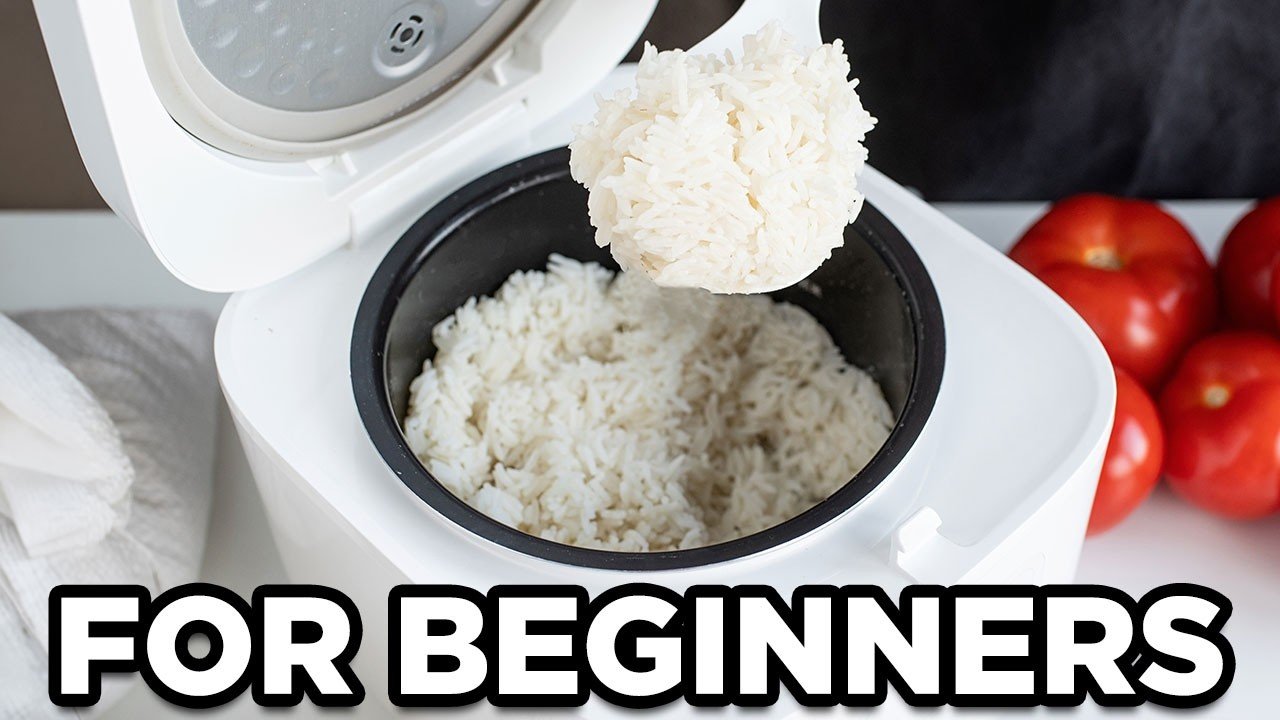
Rice cookers are designed to make cooking rice easy, but you need to set them up correctly. Start by plugging in and placing the inner pot on a flat surface. Add your rinsed rice and the measured water.
If your rice cooker has multiple settings (like “White Rice,” “Brown Rice,” or “Quick Cook”), always use the White Rice setting for this recipe. Some basic models only have one button—just press it to start.
Practical tip: Never use metal spoons in the non-stick inner pot. Scratches can cause sticking and damage.
Credit: www.youtube.com
Cooking Process Step-by-step
Let’s break down the steps for making white rice in a rice cooker:
- Measure the rice using the cooker’s cup.
- Rinse the rice 2-3 times until water is clear.
- Place rice in the cooker’s inner pot.
- Add the correct amount of water.
- Close the lid and select the White Rice setting.
- Press start and wait. Most cookers take 25-35 minutes for 2 cups of rice.
- When finished, let the rice rest for 10 minutes. This helps it finish steaming and prevents sticking.
Example: For two cups of rice, use 2.5 cups water. After the cycle, leave the rice with the lid closed for 10 minutes before opening.
Fluffing And Serving
When the rice is done, fluffing is essential. Use a plastic or wooden rice paddle to gently mix the rice. This releases steam and separates the grains. Fluffing prevents clumping and gives the rice a light texture.
Serve rice hot, straight from the cooker. If you’re not eating right away, most cookers have a Keep Warm function. Rice stays fresh for hours, but after 4-5 hours it can dry out or yellow.

Credit: www.siftandsimmer.com
Common Mistakes And How To Avoid Them
Cooking white rice is easy, but mistakes happen. Here are common errors and how to fix them:
- Wrong water ratio: Always use the rice cooker’s cup and follow instructions.
- Skipping rinsing: Leads to sticky, gummy rice.
- Opening lid too soon: Wait at least 10 minutes after cooking finishes.
- Stirring before cooking: Never stir raw rice and water. This activates starch and causes clumping.
- Leaving rice too long on warm: Causes dryness and yellowing.
- Using old rice: Old rice can be hard and unevenly cooked. Buy fresh when possible.
Non-obvious tip: If your rice is always mushy, check the brand. Some cheaper brands break apart easily and absorb more water.
Rice Cooker Types And Features
Rice cookers come in different shapes and sizes. Some are basic, others are advanced with many settings. Here’s a quick comparison:
| Type | Features | Price Range |
|---|---|---|
| Basic | One button, simple cook/warm | $20-$40 |
| Digital | Multiple settings, timer, keep warm | $40-$100 |
| Induction | Precise temperature, quick cook, extra features | $120-$300 |
If you cook rice often, a digital rice cooker is worth the investment. It offers more control and better results. For beginners, a basic model works fine.
Cooking Tips For Better Results
Here are practical tips to improve your rice every time:
- Add flavor: Try a pinch of salt, a splash of oil, or a bay leaf in the water for extra taste.
- Don’t overfill: Never cook more rice than your cooker’s maximum. It can boil over or cook unevenly.
- Check altitude: At high altitude, add a little more water and increase resting time.
- Try broth: Substitute chicken or vegetable broth for water for richer flavor.
Experience-based insight: Some rice cookers have a “Quick Cook” mode. This is convenient, but rice may be less fluffy. For best texture, use the standard white rice setting.
Storing And Reheating Rice
If you have leftovers, store rice safely. Rice can spoil quickly if not handled right.
- Cool rice to room temperature within an hour.
- Store in a sealed container in the fridge.
- Use within 2-3 days.
To reheat, sprinkle a little water on rice and microwave in short bursts. Or use the rice cooker’s “reheat” function if available.
Non-obvious tip: Never leave cooked rice at room temperature for more than 2 hours. Bacteria grows fast and can cause food poisoning.
Cleaning Your Rice Cooker
Proper cleaning keeps your rice cooker working well and prevents bad smells or mold.
- Unplug and cool before cleaning.
- Remove inner pot and wash with warm soapy water.
- Wipe the inside and outside with a damp cloth.
- Dry completely before reassembling.
If your rice cooker smells, cook a batch of water with a splash of vinegar. This removes odors.
Health And Nutrition Facts
White rice is high in carbohydrates and low in fat. One cup of cooked white rice (about 150 grams) contains:
- 200 calories
- 0.4 grams fat
- 44 grams carbohydrates
- 4 grams protein
White rice is less nutritious than brown rice, but it’s easier to digest and cooks faster. If you want more fiber, try mixing white and brown rice (most cookers can handle both).
Frequently Asked Questions
How Much Rice Should I Cook Per Person?
A good rule is 1/2 cup uncooked rice per person. This makes about 1.5 cups cooked, enough for a side dish.
Can I Cook Other Grains In A Rice Cooker?
Most rice cookers can cook quinoa, barley, and bulgur. Adjust water ratios and use the “White Rice” setting. Check your manual for guidance.
Why Is My Rice Always Sticky?
Sticky rice is often caused by too much water or skipping the rinsing step. Use less water and rinse well before cooking.
Is It Safe To Leave Rice In The Cooker Overnight?
No. Rice should not be left warm overnight. Bacteria grows fast, and it can cause food poisoning. Store leftovers in the fridge.
How Do I Add Flavor To Plain Rice?
Add salt, oil, butter, or a bay leaf to the water before cooking. For more flavor, use broth instead of water.
Making white rice in a rice cooker is simple once you know the steps. The right ratio, rinsing, and settings matter most. With these tips, you’ll get perfect rice every time, whether for a family meal or a quick lunch. Remember, rice cookers are versatile—try new grains, add flavors, and don’t be afraid to experiment. For more rice cooking insights, check out Wikipedia’s rice cooker page for history and advanced info.