Cleaning your vinyl plank flooring the right way keeps it looking beautiful, prevents damage, and extends its life. Many people choose vinyl planks because they are stylish, durable, and easy to care for. But mopping them needs a gentle touch and the right technique. If you use too much water, harsh chemicals, or the wrong tools, you could ruin the finish or cause the planks to warp. This guide walks you through every step, from choosing the best mop to drying your floors, so you can protect your investment and enjoy spotless floors every day.
Why Vinyl Plank Flooring Needs Special Care
Vinyl plank flooring is made of layers—usually a backing, a printed design, and a protective top layer. This structure gives it a wood-like look with waterproof qualities. Still, too much water or the wrong cleaning products can break down the adhesive, cause edges to curl, or make the surface dull. Vinyl is less sensitive than hardwood, but it is not indestructible. Understanding these risks helps you avoid mistakes that shorten the life of your floors.
Many homeowners believe vinyl is “maintenance-free. ” That’s not true. Regular cleaning is important, but the method matters. For example, using a steam mop can cause irreversible damage. The key is regular maintenance with gentle tools and mild cleaners.
Essential Tools And Products For Mopping Vinyl Plank Flooring
Choosing the right equipment is the first step. Using the wrong mop or cleaner can lead to scratches or discoloration.
Best Mop Types
- Microfiber mop: Soft, non-abrasive, and highly absorbent. It picks up dust and dirt without scratching the surface.
- Spin mop: Offers good moisture control. You can wring out excess water easily.
- Spray mop: Lets you apply a light mist of cleaner, avoiding puddles.
Avoid string mops and sponge mops. These often leave too much water, which can seep into seams.
Recommended Cleaners
- Use a pH-neutral cleaner made for vinyl floors.
- Avoid products with bleach, ammonia, or abrasive particles.
Homemade solutions are also safe:
- Mix 1/4 cup of apple cider vinegar or white vinegar with 1 gallon of warm water.
Never use wax or oil-based products. These leave a sticky film and can make the floor slippery.
Other Helpful Tools
- Soft-bristle broom or vacuum (with no beater bar)
- Bucket (if not using a spray mop)
- Dry towels or microfiber cloths
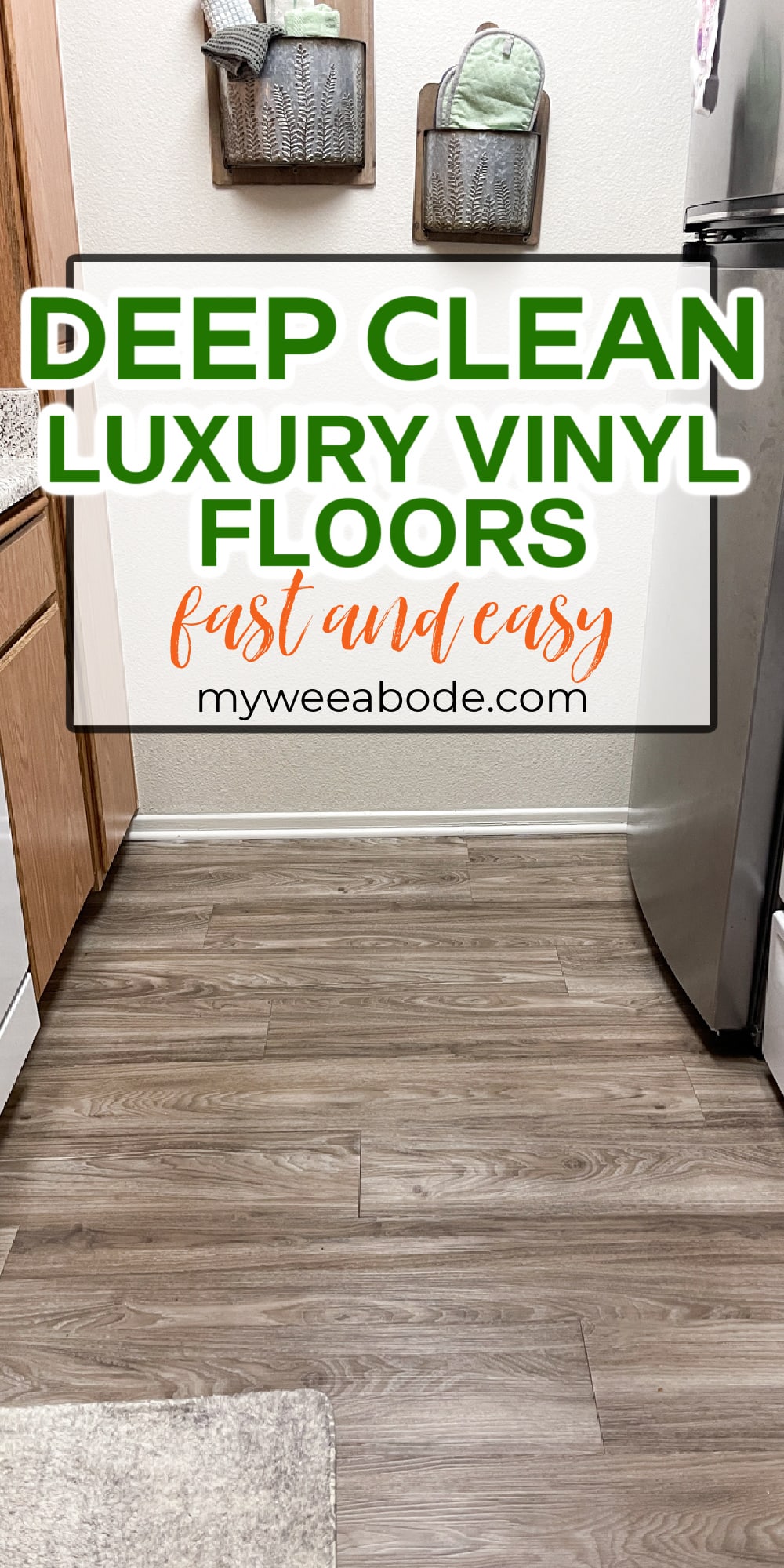
Credit: myweeabode.com
Step-by-step Guide: How To Mop Vinyl Plank Flooring
Cleaning vinyl planks is simple if you follow the right steps. Here’s a proven process for spotless floors:
1. Remove Loose Dirt
Start by sweeping or vacuuming. This prevents grit from scratching the surface when you mop. Use a soft-bristle broom or a vacuum set to “hard floor” mode. Don’t use vacuums with a rotating brush—they can damage the vinyl.
2. Prepare Your Cleaning Solution
If you use a store-bought vinyl floor cleaner, follow the label instructions. For homemade cleaner, mix 1/4 cup vinegar in 1 gallon of warm water. Vinegar helps remove grime without leaving residue.
3. Damp Mop The Floor
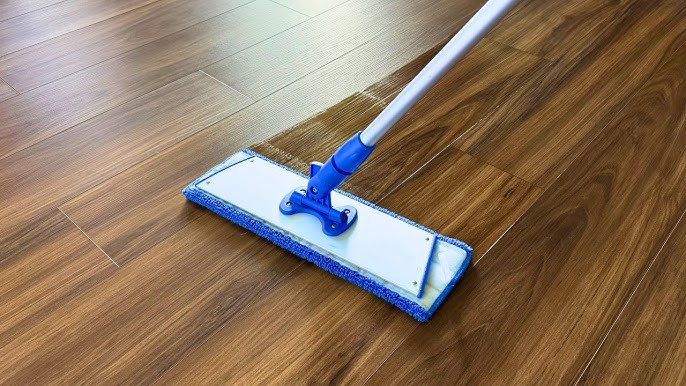
Dip your microfiber mop in the cleaning solution, wring it out well. The mop should be damp, not dripping. Start at one corner and move in sections, following the plank direction. This avoids streaks and helps you cover every area.
4. Rinse (if Needed)
Many pH-neutral cleaners do not need rinsing. If your floor feels sticky after mopping, rinse the mop with clean water and go over the surface again.
5. Dry The Floor
Vinyl plank floors dry quickly, but it’s smart to wipe up any leftover moisture. Use a dry microfiber cloth or towel. This prevents water from seeping into seams.
6. Inspect And Spot Clean
Look for stubborn spots. For sticky stains, use a soft cloth dampened with the cleaning solution. Rub gently—don’t scrub hard.
7. Repeat Weekly
For most homes, mopping once a week is enough. High-traffic areas may need more frequent cleaning.
Common Mistakes To Avoid
Even experienced cleaners make errors that can damage vinyl plank flooring. Here are mistakes to watch out for:
- Using too much water: Excess moisture can seep between planks, causing edges to lift.
- Harsh chemicals: Cleaners with bleach or ammonia can discolor and weaken vinyl.
- Steam mops: Heat and moisture can warp vinyl and break down adhesives.
- Abrasive tools: Steel wool or rough scrubbers scratch the finish.
- Skipping regular sweeping: Dirt and sand act like sandpaper and dull the surface.
A common myth is that vinyl is waterproof so you can mop with lots of water. In reality, vinyl is water-resistant, not waterproof. Water should never sit on the floor for long.
Comparison: Vinyl Plank Vs. Other Flooring Types
To understand why vinyl needs special care, let’s compare cleaning methods with other flooring types.
| Floor Type | Best Mop | Cleaning Solution | Water Use |
|---|---|---|---|
| Vinyl Plank | Microfiber, Spray Mop | pH-neutral, Vinegar | Minimal |
| Hardwood | Microfiber, Damp Mop | Wood Cleaner | Very Minimal |
| Ceramic Tile | Sponge Mop | Tile Cleaner | Moderate |
| Laminates | Microfiber Mop | Laminated Cleaner | Minimal |
Vinyl planks are easier to maintain than hardwood, but still need careful mopping to avoid damage.
Choosing The Right Mop: What Matters Most
Not all mops are equal. Here’s how the top choices compare for vinyl plank flooring:
| Mop Type | Pros | Cons |
|---|---|---|
| Microfiber Mop | Gentle, good dust pickup, reusable | Needs frequent rinsing |
| Spin Mop | Easy water control, quick cleaning | Bulky, harder to use in tight spaces |
| Spray Mop | Fast, minimal water, good for spot cleaning | More expensive, limited for big areas |
| String Mop | Absorbs lots of water | Too wet, not recommended for vinyl |
Most experts recommend microfiber mops for everyday use. They are gentle, easy to wash, and effective on dust and spills.
Advanced Tips For Spotless Vinyl Plank Floors
Beyond basic mopping, here are smart ways to keep your vinyl planks looking like new:
- Use door mats: Place mats at every entrance to trap dirt and moisture.
- Clean spills quickly: Wipe up food and liquid as soon as possible to prevent stains.
- Rotate furniture: Moving heavy items sometimes avoids dents and wear patterns.
- Felt pads under furniture: Stick these to chair and table legs to prevent scratches.
- Avoid shoes with spikes: High heels or cleats can puncture vinyl.
Most people overlook the importance of drying floors right after mopping. Even a few drops of water can seep into seams and cause long-term issues.
A little-known tip: For tough stains (like nail polish or marker), use a small amount of rubbing alcohol on a soft cloth. Always test in a hidden area first.
How Often Should You Mop Vinyl Plank Flooring?
Frequency depends on your home’s traffic, pets, and habits. Here’s a guide:
- Light use (1-2 people, no pets): Mop every 1-2 weeks.
- Medium use (family, pets): Weekly mopping.
- Heavy use (kids, pets, high traffic): Twice a week or as needed.
Sweeping daily is ideal. Mopping too often with water can cause issues, so balance is key.

Credit: www.youtube.com
Statistics: Vinyl Plank Flooring Maintenance
Recent surveys show vinyl plank flooring is in the top 3 most popular floor types in the US. Over 65% of homeowners cite easy cleaning as a main reason for choosing vinyl planks. However, 1 in 4 report problems due to incorrect mopping—mostly from using too much water or harsh chemicals.
Expert studies confirm that proper care extends floor life by 30–50%. Using the right mop and cleaner reduces repair costs and keeps floors looking new longer.
Eco-friendly Cleaning Options
Vinyl plank flooring is often installed in homes with eco-conscious owners. Good news: you can keep your floors clean with safe, green methods.
- Use microfiber mops—they need less water and reduce chemical use.
- Vinegar-based solutions are biodegradable and effective.
- Avoid disposable wipes or pads, which add waste.
For more tips on eco-friendly cleaning, check out EPA Safer Choice.
When Professional Cleaning Is Needed
Most cleaning can be done at home. But sometimes, professional help is smart:
- Large stains you can’t remove
- Floor looks dull despite regular cleaning
- After a renovation or move-in
Professionals use commercial tools and safe cleaners. If you have warranty concerns, check the manufacturer’s guidelines before hiring a service.
Frequently Asked Questions
What Is The Best Mop For Vinyl Plank Flooring?
The microfiber mop is best. It cleans without scratching and uses minimal water. Spin mops and spray mops are also good, but avoid string mops.
Can I Use Vinegar To Mop Vinyl Planks?
Yes, vinegar is safe. Mix 1/4 cup vinegar with 1 gallon warm water. It removes grime and leaves no residue. Don’t use pure vinegar—it’s too strong.
Is It Safe To Use A Steam Mop On Vinyl Plank Flooring?
No. Steam mops can damage vinyl. The heat and moisture may warp the planks or break down the adhesive. Stick to damp mops instead.
How Do I Remove Tough Stains From Vinyl Planks?
For stains like marker or nail polish, use a small amount of rubbing alcohol on a soft cloth. Test on a hidden area first. Avoid harsh scrubbing.
How Often Should I Mop Vinyl Plank Floors?
Most homes need weekly mopping. High-traffic areas may need more frequent cleaning. Daily sweeping is best to prevent dirt build-up.
Keeping your vinyl plank flooring clean is simple if you follow the right steps and avoid common mistakes. Using the correct mop, mild cleaners, and minimal water ensures your floors stay beautiful and last for years. With regular care and a few smart habits, you can enjoy spotless, safe, and stylish floors every day.
Credit: www.youtube.com